
Antibiotics

Augmentin
from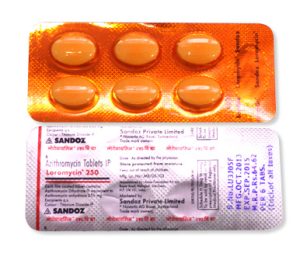
Zithromax
from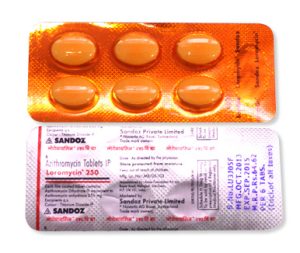
Azithromycin
from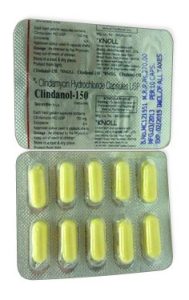
Dalacin C
from
Terbinafine
from
Tamsil
from
Omnicef
from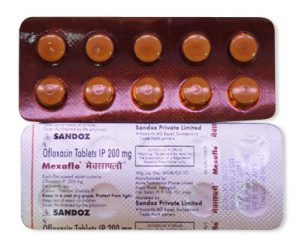
Floxin
from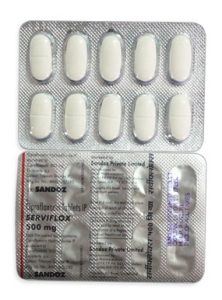
Cipro
from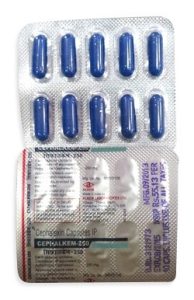
Ibilex
from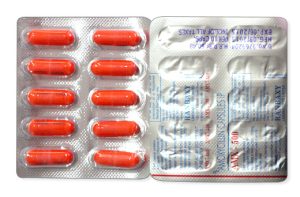
Amoxil
from
Ceftin
from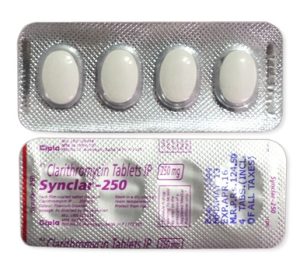
Clarithromycin
from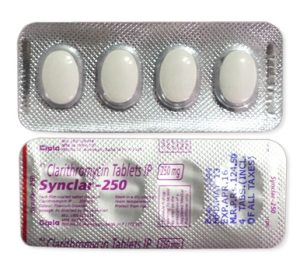
Biaxin
from
Bactrim
from
Vantin
fromWhat Are Antibiotics and How Do They Work?
Antibiotics are powerful medications designed to fight bacterial infections by either killing bacteria or stopping their growth. These medicines work in different ways depending on their type and the specific bacteria they target. Some antibiotics destroy the bacterial cell wall, whilst others interfere with protein production or damage the bacterial DNA. Understanding how antibiotics work helps explain why they’re so effective against certain infections but not others. It’s important to note that antibiotics only work against bacterial infections and won’t help with viral illnesses like colds or flu. When prescribed by your doctor or pharmacist, antibiotics can be life-saving treatments that prevent serious complications and reduce recovery time significantly.
Common Types of Antibiotics Available in Australia
Penicillins and Beta-Lactams
Penicillins remain among the most widely prescribed antibiotics in Australia. Amoxicillin is commonly used for ear infections, throat infections, and urinary tract infections. Ampicillin serves similar purposes and is often prescribed when penicillin alone may not be sufficient. Augmentin, which combines amoxicillin with clavulanic acid, provides broader coverage against resistant bacteria. These medications are generally safe and effective, with most people tolerating them well.
Cephalosporins
Cephalosporins are related to penicillins and work similarly against bacteria. Cephalexin (Keflex) is frequently prescribed for skin infections, respiratory infections, and urinary tract infections. Ceftriaxone is often used in hospital settings for more serious infections. These antibiotics are suitable for patients with various types of bacterial infections and are available in multiple strengths.
Macrolides
Macrolide antibiotics like azithromycin and erythromycin are particularly useful for respiratory infections and certain sexually transmitted infections. Azithromycin is often chosen because it requires shorter treatment courses, sometimes just three to five days. These medications are gentler on the stomach than some alternatives and work well against atypical bacteria.
Fluoroquinolones
Fluoroquinolones such as ciprofloxacin and levofloxacin are broad-spectrum antibiotics used for various infections including urinary tract infections and respiratory infections. These are typically reserved for situations where other antibiotics haven’t worked or aren’t suitable. They’re available in tablet and liquid forms for convenient administration.
Common Bacterial Infections Treated with Antibiotics
Respiratory Infections
Respiratory tract infections including bronchitis, pneumonia, and sinusitis often require antibiotics. Conditions like strep throat benefit significantly from appropriate antibiotic treatment within the first few days of illness. Chest infections can become serious quickly, so timely antibiotic therapy is crucial. Doctors carefully select the right antibiotic based on the likely cause and severity.
Urinary Tract Infections
Urinary tract infections, commonly called UTIs, respond well to antibiotics like nitrofurantoin and trimethoprim. These medications concentrate in the urine, effectively eliminating the bacteria causing infection. UTIs can affect both men and women, though they’re more common in women. Prompt treatment prevents progression to more serious kidney infections.
Skin and Soft Tissue Infections
Cellulitis, abscesses, and other skin infections frequently require antibiotic treatment. Common choices include cephalexin and flucloxacillin, which penetrate skin tissue effectively. Infected wounds need appropriate antibiotic coverage to prevent complications and promote healing. Your pharmacist can advise on proper wound care alongside medication use.
Ear and Throat Infections
Otitis media and pharyngitis are common infections responding well to antibiotics. Amoxicillin remains a first-line choice for these conditions in both children and adults. Throat infections caused by Group A Streptococcus particularly benefit from early antibiotic treatment. Untreated strep infections can lead to rheumatic fever, making timely treatment essential.
Proper Use and Important Considerations
Dosage and Duration
Always take antibiotics exactly as prescribed by your healthcare provider. The dose and duration are carefully determined based on the infection type, severity, and your individual factors. Completing the full course is essential even if you feel better after a few days. Stopping early allows surviving bacteria to multiply and may lead to resistant infections that are harder to treat.
Timing and Administration
Take antibiotics at regular intervals throughout the day for consistent medication levels in your bloodstream. Some require taking on an empty stomach, whilst others work better with food. Read the instructions carefully or ask your pharmacist about the best way to take your specific antibiotic. Taking medications at consistent times helps you remember and ensures effectiveness.
Food and Drug Interactions
Certain foods and other medications can interfere with antibiotic absorption and effectiveness. Dairy products can reduce the absorption of some antibiotics like tetracyclines. Discuss all medications and supplements you’re taking with your pharmacist before starting antibiotics. Some antibiotic combinations aren’t suitable together and could be dangerous.
Side Effects and Allergies
Common side effects include mild stomach upset, nausea, or diarrhoea. Serious allergic reactions, whilst rare, require immediate medical attention and present as rashes, swelling, or difficulty breathing. Always inform healthcare providers of any previous allergic reactions to antibiotics. Some people tolerate certain antibiotics better than others, so alternatives are usually available if needed.
Antibiotic Resistance and Responsible Use
Antibiotic resistance develops when bacteria adapt and survive despite antibiotic exposure. Overuse and misuse of antibiotics accelerate this dangerous process, making infections harder to treat. Taking antibiotics only when genuinely needed helps preserve their effectiveness for future generations. Never share antibiotics with others or use leftover antibiotics from previous illnesses without consulting your doctor.
Responsible antibiotic use is a shared responsibility. Healthcare providers in Australia are increasingly cautious about prescribing antibiotics, ensuring they’re only used when truly necessary. By following your prescription exactly as directed and not pressuring doctors for unnecessary antibiotics, you contribute to combating antibiotic resistance. Key practices include:
- Only taking antibiotics when prescribed for bacterial infections
- Completing the full course even if you feel better early
- Never sharing antibiotics with family members or friends
- Not using leftover antibiotics for new illnesses
- Disposing of unused antibiotics safely at your pharmacy
- Supporting infection prevention practices like vaccination and hand hygiene
When to Seek Professional Advice
Contact your healthcare provider if symptoms worsen during antibiotic treatment or if new symptoms develop. Some infections require different antibiotics or additional testing to identify the exact bacterial cause. Certain conditions need professional assessment before antibiotics are prescribed to ensure you receive appropriate treatment. Your local pharmacy in Australia is an excellent resource for medication questions and advice about antibiotic use. Australian pharmacists are highly trained professionals who can discuss your symptoms, potential interactions with other medications, and whether antibiotic treatment is appropriate. If you experience severe allergic reactions, persistent symptoms despite antibiotic treatment, or have concerns about your medication, don’t hesitate to seek professional guidance from your doctor or pharmacist.