Ceftin
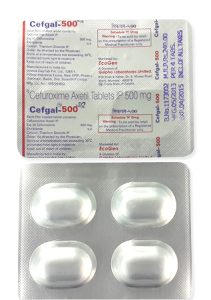
In brief
- Ceftin (cefuroxime axetil) is officially a prescription‑only antibiotic supplied through community pharmacies and hospitals in Australia and most countries; some online or international e‑shops may offer it without a prescription, but legally a prescription is required and buying without one is not recommended.
- Ceftin is used to treat respiratory tract infections (sinusitis, bronchitis, otitis media, pharyngitis), skin and soft tissue infections, uncomplicated urinary tract infections, early Lyme disease and uncomplicated gonorrhoea; it is a second‑generation cephalosporin that works by inhibiting bacterial cell‑wall synthesis via binding penicillin‑binding proteins.
- Usual adult doses include 250 mg orally every 12 hours for mild respiratory infections, 500 mg every 12 hours for more severe infections, 125–250 mg every 12 hours for uncomplicated UTI, 500 mg every 12 hours for early Lyme disease, and a single 1 g oral dose for uncomplicated gonorrhoea; paediatric dosing is weight‑based (eg 10–15 mg/kg per dose every 12 hours, with maxima corresponding to tablet strengths).
- Form of administration: oral tablets (250 mg, 500 mg) and oral suspension (granules reconstituted to 125 mg/5 mL or 250 mg/5 mL); injectable cefuroxime sodium (IV/IM) exists for hospital use but is not marketed as Ceftin.
- Onset time: oral absorption is improved with food and peak blood levels occur around 2–3 hours; bactericidal activity begins after systemic absorption and patients often notice symptomatic improvement within 24–72 hours.
- Duration of action: the drug is dosed typically every 12 hours to maintain effective antibacterial levels; total treatment duration depends on the infection (most commonly 7–10 days, 5–7 days for uncomplicated UTI, 14–21 days for early Lyme disease, single dose for gonorrhoea).
- Alcohol warning: there is no specific disulfiram‑like interaction, but avoid excessive alcohol while taking antibiotics as it can worsen side effects (dizziness, nausea) and impede recovery.
- The most common side effect is diarrhoea.
- Would you like to try ceftin without a prescription?
Availability & Price Landscape
Basic Ceftin Information
- INN (International Nonproprietary Name): Cefuroxime axetil.
- Brand Names Available In Australia: Ceftin — tablets (250 mg, 500 mg) and oral suspension (125 mg/5 mL, 250 mg/5 mL).
- ATC Code: J01DC02 (Second‑generation cephalosporin antibiotics).
- Forms & Dosages: Film‑coated tablets 250 mg and 500 mg; oral suspension granules prepared as 125 mg/5 mL or 250 mg/5 mL; related injectable cefuroxime sodium for hospital use available as 750 mg and 1.5 g vials.
- Manufacturers In Australia: Brand sponsor examples include GSK for Ceftin; generics are supplied worldwide by Sandoz, Teva, Torrent and Sun Pharmaceuticals (local suppliers and packers vary).
- Registration Status In Australia: Registered with the Therapeutic Goods Administration and listed as a prescription medicine in national registries.
- OTC / Rx Classification: Prescription only (Rx) in Australia and most jurisdictions.
National Pharmacy Chains (Chemist Warehouse, Priceline, TerryWhite)
Where patients actually find Ceftin is important when time and budget matter.
Major retail chains such as Chemist Warehouse, Priceline and TerryWhite Chemmart concentrate stock of cefuroxime tablets and, where locally supplied, oral suspension.
Chains often list both brand Ceftin and generic cefuroxime from established manufacturers on shelf or online.
Rural and remote stores may not keep suspension in daily stock and frequently order it in 24–48 hours if required.
Pharmacists in those outlets advise bringing a prescription or telehealth e‑prescription to speed dispensing and confirm dosing.
Online Pharmacy Trends In Australia
Online pharmacies and e‑pharmacies increasingly accept telehealth e‑prescriptions for cefuroxime axetil.
Patients compare prices across marketplaces and discount chains, with high price sensitivity on antibiotic packs.
Generic cefuroxime from Sandoz, Teva or Sun Pharmaceutical often undercuts branded Ceftin or Zinnat listings.
In our online pharmacy, ceftin is available without a prescription, with discreet delivery to Australia in 9-21 days.
Be sure to use accredited Australian pharmacies that verify scripts and list clear excipient information for suspensions.
Price Ranges By Package Size (PBS Vs Private)
Price varies by pack size, brand, and whether the script is PBS‑subsidised.
When subsidised via PBS the out‑of‑pocket is markedly lower than private purchase; PBS listing depends on indication and patient eligibility.
Typical private packs include 10×250 mg tablets or 100 mL suspension bottles; pricing differs between branded and generic suppliers.
Rural buyers may face slightly higher private prices or additional courier fees for next‑day collection from urban pharmacies.
Where To Request A Telehealth E‑Prescription:
- Telehealth GP services that supply e‑scripts directly to Australian pharmacies.
- Major online clinic networks integrated with pharmacy dispensing (check acceptance list on pharmacy site).
- Local GP video consultations linked to electronic prescription delivery.
Patient Insights & Satisfaction Levels
Forum Reviews (ProductReview, Aussie Health Forums)
Patients often ask: “Will this clear my sinus infection quickly?” and post back within days.
Australian forum reviews on ProductReview and health forums report symptomatic relief for sinusitis, otitis media and many skin infections within 48–72 hours of starting cefuroxime axetil.
Parents commonly prefer the oral suspension for children because it allows weight‑based dose accuracy and easier swallowing.
Online reviewers frequently compare brand taste and cost, and many note pharmacies offering generic cefuroxime film‑coated tablets at lower prices.
Reported Benefits And Issues From Australian Patients
Common positive notes include quick improvement in cough, ear pain and wound redness when the bug is susceptible.
Common issues reported are gastrointestinal upset, complaints about suspension taste, and questions about penicillin allergy cross‑reactivity.
Patients often report taking doses with food to reduce stomach upset and improve absorption.
- Praises: Fast symptom relief for respiratory and skin infections; convenient twice‑daily dosing.
- Complaints: Nausea or diarrhoea; suspension sweetness (contains sucrose/aspartame in some packs); confusion over brand versus generic interchangeability with telehealth scripts.
Patient Quote Cluster
- “My child started improving in two days after the suspension.”
- “Tablets were easy to swallow and the cough settled by day three.”
- “Had diarrhoea after day two — pharmacist advised to complete and report severe symptoms.”
Product Overview & Brand Variants
INN And Brand Names In Australia
The International Nonproprietary Name is cefuroxime axetil.
In Australia the primary branded presentation is Ceftin, available as 250 mg and 500 mg tablets and as oral suspension in 125 mg/5 mL and 250 mg/5 mL strengths.
Internationally related brands you may see online include Zinnat, Cefurax and Cefurox, but check TGA registration before purchase.
Legal Classification (TGA‑Approved)
Cefuroxime axetil is a prescription‑only medicine listed in TGA registries.
Injectable cefuroxime sodium is a separate hospital product and is not supplied as Ceftin retail packs.
Generics from Sandoz, Teva, Torrent and Sun are commonly available in retail listings alongside the original GSK product.
Product Comparison
| Brand | Form | Pack Sizes |
|---|---|---|
| Ceftin (GSK) | Film‑coated tablets; Oral suspension | 250 mg, 500 mg tablets; 125 mg/5 mL, 250 mg/5 mL suspension |
| Generic (Sandoz, Teva, Sun) | Tablets; Suspension (local packaging) | Varies by supplier — check pack labelling |
| Zinnat (International) | Tablets; Granules for suspension; Injectable forms (cefuroxime sodium) | Local European packaging — verify TGA status before import |
Excipients Of Concern
Certain oral suspensions contain sucrose or aspartame.
Diabetic patients and those with phenylketonuria should check the ingredient list before using the suspension.
Indications In Local Medical Practice
Approved Uses By TGA
Typical TGA‑aligned indications include acute otitis media, sinusitis, pharyngitis/tonsillitis, bronchitis, skin and soft tissue infections, uncomplicated urinary tract infection and certain sexually transmitted infections.
International indications also list early Lyme disease and some gonorrhoea regimens.
Off‑Label Patterns In Australian Clinics
Clinicians sometimes use cefuroxime axetil off‑label for community‑acquired pneumonia when local resistance and patient allergy profile favour a second‑generation cephalosporin.
Where penicillin allergy is non‑anaphylactic, cefuroxime may be chosen with caution after clinical assessment.
Local antimicrobial stewardship prioritises culture‑directed therapy and de‑escalation where possible.
Indications And Typical Dosing Checklist
| Condition | Adult Dose | Typical Duration |
|---|---|---|
| Mild–Moderate Respiratory Infections | 250 mg orally every 12 hours | 7–10 days |
| Severe Lower Respiratory Infection | 500 mg orally every 12 hours | 7–10 days |
| Uncomplicated UTI | 125 mg orally every 12 hours | 5–7 days |
| Early Lyme Disease | 500 mg every 12 hours | 14–21 days |
| Gonorrhoea | 1 g single oral dose | Single dose |
Ask Your Pharmacist: If culture results are pending or you have complex allergies, request pharmacist help to liaise with the prescriber or refer for specialist input.
How It Works In The Body
Layman’s Explanation
People ask: “How does Ceftin actually kill bacteria?” and the simple answer helps patients stick to treatment.
Cefuroxime axetil is an oral prodrug that converts to active cefuroxime after absorption.
The active drug blocks bacterial cell‑wall synthesis, causing susceptible bacteria to die.
It is a second‑generation cephalosporin effective against many respiratory pathogens but not against MRSA or enterococci.
Clinical Detail
Absorption is improved when taken with or after food, which promotes conversion of the axetil ester to cefuroxime.
Peak plasma concentrations vary with formulation and dosing, and the antibiotic is time‑dependent, so maintaining therapeutic levels with twice‑daily dosing is important.
Renal excretion predominates, so dose adjustments are required in severe renal impairment.
Pharmacology Box
- Absorption: Better with food; axetil hydrolysed to cefuroxime.
- Mechanism: Inhibits cell‑wall synthesis (bactericidal).
- Excretion: Primarily renal.
Dosage & Administration
Standard Regimens
Clear dosing reduces errors and improves outcomes.
Adults with mild–moderate respiratory infections typically take 250 mg orally every 12 hours.
Adults with more severe lower respiratory infections usually take 500 mg every 12 hours.
Uncomplicated urinary tract infections in adults are commonly treated with 125 mg every 12 hours for 5–7 days.
Lyme disease regimens use 500 mg every 12 hours for 14–21 days.
Gonorrhoea single‑dose therapy is 1 g orally in adults.
Adjustments By Patient Type (Elderly, Chronic Conditions)
Pediatric dosing is weight‑based at about 10–15 mg/kg per dose every 12 hours (up to usual tablet strengths of 250–500 mg as prescribed).
Elderly patients do not need routine dose changes unless creatinine clearance is reduced.
For CrCl <30 mL/min extend the dosing interval to every 24 hours and seek specialist advice for dialysis patients.
Administration tips: always take with food, complete the full course, and do not double up after a missed dose.
Reconstitution And Storage For Suspension
- Reconstitute only when ready to use.
- Refrigerate after mixing and discard any remaining suspension after 10 days.
Contraindications & Side Effects
Common
Do not take cefuroxime axetil if there is known hypersensitivity to cephalosporins or a history of anaphylaxis to β‑lactam antibiotics.
Common adverse effects include diarrhoea, nausea, vomiting and abdominal pain.
Patients may experience rash, urticaria or pruritus and vaginal yeast infections are reported in some cases.
Counsel patients to report severe or persistent gastrointestinal symptoms.
Rare But Serious (Australian Safety Data)
Seek urgent medical care for signs of anaphylaxis, severe skin reactions such as Stevens–Johnson syndrome, or neurological signs suggesting neurotoxicity.
Rare hepatotoxicity with elevated liver enzymes has been reported and should prompt medical review if jaundice or dark urine occurs.
Special note: some suspensions contain sucrose and aspartame; advise diabetic patients and those with phenylketonuria accordingly.
When To Stop And Seek Help
- Signs of allergic reaction: hives, facial swelling, difficulty breathing.
- Severe watery or bloody diarrhoea, especially with fever.
- New or worsening neurological symptoms such as seizures.
Comparable Medicines
Alternatives Table (PBS And Non‑PBS)
| Medicine | Type/Generation | Common Uses |
|---|---|---|
| Cefaclor (Ceclor) | Second‑generation cephalosporin | Respiratory and skin infections |
| Cefixime (Suprax) | Third‑generation cephalosporin | UTI, gonorrhoea |
| Cefdinir (Omnicef) | Third‑generation cephalosporin | Respiratory tract infections |
| Amoxicillin‑Clavulanate (Augmentin) | Penicillin + β‑lactamase inhibitor | Broader coverage for respiratory and mixed infections |
Pros And Cons List
Pros of cefuroxime axetil include good oral bioavailability with food, convenient twice‑daily dosing and solid respiratory coverage when indicated.
Cons include lack of activity against MRSA and enterococci, potential GI upset, and sugar‑containing suspensions that may be unsuitable for some patients.
Check PBS listings for subsidised alternatives and consult the pharmacist for a cost comparison when prescribing choices exist.
Current Research & Trends
Major Studies 2022–2025 (Australia + International)
Recent trials compare cefuroxime axetil with amoxicillin‑clavulanate for sinusitis and otitis media, showing similar outcomes in selected patients when used appropriately.
Literature from 2022–2025 stresses targeted use of second‑generation cephalosporins to avoid unnecessary broad‑spectrum prescribing.
Australian and international reviews continue to support culture‑guided therapy and shorter durations when clinically suitable.
Resistance Patterns And Stewardship
Surveillance shows rising resistance among some Enterobacterales, which limits empirical use for certain urinary infections in some regions.
Respiratory pathogens remain largely susceptible where local antibiograms support cefuroxime use.
Stewardship priorities include de‑escalation from broader agents, prompt culture sampling, and avoiding unnecessarily long courses.
Include links to national surveillance such as AGAR or NPS MedicineWise on product pages for clinicians seeking up‑to‑date data.
Common Patient Questions
FAQs From Australian Pharmacy Consultations
Can I take Ceftin with food?
Yes — take with or after food to improve absorption and reduce stomach upset.
Is it safe for my child?
Suspension is available and dosing is weight‑based at roughly 10–15 mg/kg per dose every 12 hours; the pharmacist will check the prescriber’s instructions.
What about penicillin allergy?
If there has been anaphylaxis to penicillins avoid cephalosporins; for mild penicillin allergy, clinicians may consider cefuroxime cautiously after assessment.
How long to feel better?
Many patients notice improvement within 48–72 hours, but always complete the full prescribed course.
How should I store it?
Tablets at room temperature (20–25°C); mixed suspension refrigerated and used within 10 days.
Quick Pharmacist Responses
- “Take with food and finish the course.”
- “Bring the child’s weight and prescription for dose checking.”
- “Stop and seek urgent care for breathing difficulties or severe rash.”
When to ring the pharmacist: uncertainty on dose, missed doses, significant diarrhoea, or questions about sugar content in the suspension.
Regulatory Status
TGA Approval
Cefuroxime axetil is registered with the Therapeutic Goods Administration as a prescription antibacterial medicine.
Both branded and generic sponsors supply the Australian market under TGA oversight.
PBS Subsidy Details
PBS listing and subsidy vary by indication and formulation, and patient eligibility affects co‑payment amounts.
Check the current PBS schedule or consult a pharmacist to confirm whether a particular script qualifies for subsidy.
For imported brand packs verify TGA registration and substitution rules before purchase.
Visual Recommendations
Infographics: PBS Pricing, Pharmacy Networks
Recommended visuals include a pricing infographic showing PBS vs private and generic options and a pharmacy network map highlighting major retail chains and e‑pharmacies.
Also include a dosing flowchart for adults versus children and a storage visual illustrating room temperature for tablets and refrigeration for reconstituted suspension used within 10 days.
Product Imagery & Patient Leaflets
High‑resolution pack shots, bottle images with measuring spoon and tablet close‑ups improve patient confidence online.
Provide a downloadable patient leaflet that outlines indications, common side effects, food advice and storage instructions.
Consider adding an interactive pediatric dosing calculator that requires weight input for convenience on product pages.
Buying & Storage Advice
In‑Store Vs Online Purchase Tips In Australia
Always present a valid prescription at point of sale when required.
Use accredited Australian pharmacies for online orders and ensure they verify telehealth e‑prescriptions.
Check pack labelling for excipients such as sucrose or aspartame and ask a pharmacist if you have diabetes or PKU.
When choosing brand versus generic, pharmacists can advise on bioequivalence and cost saving options.
Storage In Australian Household Conditions (Heat/Humidity)
Keep tablets in a cool, dry place away from direct sunlight and humidity, ideally 20–25°C.
Do not reconstitute suspension until ready to use; refrigerate after mixing and discard after 10 days.
For hot or rural transport use insulated packaging where available to protect medication integrity.
- Keep out of reach of children.
- Follow expiry dates and return unused antibiotics to the pharmacy for safe disposal.
Guidelines For Proper Use
Pharmacist Guidance In Australia
Pharmacists should confirm the indication, check for β‑lactam allergies and review renal function when relevant.
Counsel patients to take doses with food and to complete the full prescribed course even if symptoms improve.
Advise diabetic patients about suspension excipients and check for potential interactions with nephrotoxic medications.
Patient Safety Recommendations
Monitor for severe diarrhoea indicative of C. difficile and instruct patients to stop and seek urgent care for anaphylaxis signs.
Encourage culture testing when appropriate and liaise with prescribers to de‑escalate therapy based on results.
- Pharmacist counselling script: Confirm indication → Check allergies → Explain dose and food advice → Explain storage → Advise when to seek help.
- Patient checklist: Take with food, refrigerate suspension after mixing, complete course, seek help for severe reactions.
Delivery Across Australia
| City | Region | Delivery Time |
|---|---|---|
| Sydney | New South Wales | 9–14 days |
| Melbourne | Victoria | 9–14 days |
| Brisbane | Queensland | 9–14 days |
| Perth | Western Australia | 9–14 days |
| Adelaide | South Australia | 9–14 days |
| Hobart | Tasmania | 9–14 days |
| Canberra | Australian Capital Territory | 9–14 days |
| Darwin | Northern Territory | 14–21 days |
| Gold Coast | Queensland | 9–14 days |
| Newcastle | New South Wales | 9–14 days |
| Wollongong | New South Wales | 9–14 days |
| Geelong | Victoria | 9–14 days |
| Townsville | Queensland | 14–21 days |
| Albury | New South Wales/Victoria | 14–21 days |
Final Notes For Shoppers
When comparing options, check whether the script is PBS‑eligible to reduce out‑of‑pocket costs.
Ask the dispensing pharmacist for substitution options between branded Ceftin and generics such as those from Sandoz or Teva if price is a concern.
Report any severe adverse events to the TGA and follow up with your GP if symptoms do not improve within 72 hours.
Pharmacists can help with dosing checks, allergy screening and arranging telehealth prescription transfers to accredited Australian pharmacies.