Vibramycin
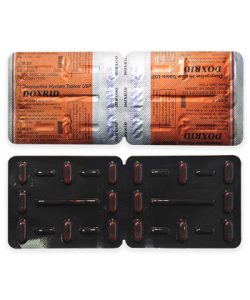
In brief
- In many countries Vibramycin is a prescription‑only antibiotic (Rx); however, it can sometimes be obtained from pharmacies or online suppliers without a receipt—this is not recommended and legality varies by jurisdiction.
- Vibramycin (doxycycline) is a broad‑spectrum tetracycline antibiotic used for acne, respiratory and urogenital infections, tick‑borne diseases (eg. Lyme), malaria prophylaxis, anthrax exposure and skin/soft tissue infections; it works by inhibiting bacterial protein synthesis via binding the 30S ribosomal subunit.
- Usual adult dosing: often 200 mg initially (day 1) then 100 mg daily for many infections; severe infections commonly 100 mg every 12 hours; acne 50–100 mg daily; malaria prophylaxis 100 mg daily starting 1–2 days before exposure and continuing for 4 weeks after leaving the area; paediatric dosing 2.2 mg/kg every 12 hours (up to 200 mg/day) and generally reserved for children over 8 years in severe cases.
- Forms of administration: oral tablets or capsules (50 mg, 100 mg), oral suspension, and IV powder for reconstitution for injection.
- Onset time: doxycycline reaches measurable blood levels within about 1–3 hours after oral dosing; clinical symptom improvement is often seen within 24–72 hours depending on the infection.
- Duration of action: therapeutic effect is generally sustained over 24 hours with typical once‑daily dosing; the elimination half‑life is roughly 18–22 hours in adults.
- Alcohol warning: avoid excessive alcohol—alcohol can aggravate gastrointestinal side effects and may increase liver risk; use caution in patients with liver disease.
- The most common side effec is gastrointestinal upset, especially nausea.
- Would you like to try vibramycin without a prescription?
Basic Vibramycin Information
- INN (International Nonproprietary Name): Doxycycline
- Brand Names Available In Australia: Doryx (Mayne Pharma), Vibramycin (Pfizer internationally), plus multiple generics from suppliers such as Sandoz/Hexal, Mylan and other local distributors.
- ATC Code: J01AA02 — Classification: Tetracyclines, systemic broad‑spectrum antibacterials.
- Forms & Dosages: Tablets 100 mg and 50 mg; capsules 100 mg; powder for injection 100 mg/vial; oral suspension (rare) 25 mg/5 ml; common pack sizes include 10, 20, 30 and 100 tablets.
- Manufacturers In Australia: Mayne Pharma (Doryx), local distributors carrying generics (Sandoz/Hexal, Mylan) and international originator Pfizer via global channels.
- Registration Status In Australia: TGA registration applies to doxycycline products; specific product entries should be checked in the ARTG for up‑to‑date packaging and leaflet information.
- OTC / Rx Classification: Prescription only (Rx Only) according to regulatory listings and usual product labelling.
Availability & Price Landscape
National Pharmacy Chains (Chemist Warehouse, Priceline, TerryWhite)
Worried about finding the right doxycycline product locally?
Major Australian pharmacy chains such as Chemist Warehouse, Priceline and TerryWhite Chemmart commonly stock doxycycline 100 mg products and generics, and they frequently display both branded and generic options on shelves or online listings.
Supply in those chains typically includes 50 mg and 100 mg tablets or capsules, and hospital supplies (100 mg injectable vials) are reserved for clinical settings.
Patients often compare branded Doryx or Vibramycin listings with generics when price sensitivity is high.
Online Pharmacy Trends In Australia
Concerned about convenience, delivery times or price differences online?
Online pharmacies and telehealth-linked services have grown, with many customers requesting e‑prescriptions and home delivery for doxycycline tablets and capsules.
Rural access varies, and regional pharmacies may supply generics or equivalent doxycycline 100 mg formulations when a branded product is not available.
| Pack Size | Typical Retail Price | Discount Chain Price |
|---|---|---|
| 10 Tablets (100 mg) | Not specified | Not specified |
| 30 Tablets (100 mg) | Not specified | Not specified |
| 100 Tablets (100 mg) | Not specified | Not specified |
- Common suppliers seen in Australian supply chains: Pfizer (originator), Mayne Pharma (Doryx), Sandoz/Hexal, Mylan and various generic manufacturers.
- Community pharmacies will substitute therapeutically equivalent doxycycline generics for branded Vibramycin or Doryx when clinically appropriate.
Patient Insights & Satisfaction Levels
Forum Reviews (ProductReview, Aussie Health Forums)
Are Australians happy with doxycycline when they use it?
Forum threads on ProductReview and local health forums commonly report satisfaction with rapid symptom improvement when doxycycline is started early for tick‑borne or respiratory infections.
Many users mention doxycycline 100 mg prescriptions and price‑shopping between Chemist Warehouse and online pharmacies.
Rural patients frequently praise telehealth scripts but sometimes report slower delivery for branded Vibramycin versus generics.
Reported Benefits And Issues From Australian Patients
What do patients notice most after starting treatment?
Pros mentioned on forums include reliable oral bioavailability, convenient once‑ or twice‑daily dosing and clear effectiveness for acne and chlamydia in many cases.
Commonly reported issues are nausea, photosensitivity (leading to sunburn) and occasional oesophageal irritation if tablets are not taken with water.
“Started doxycycline 100 mg for acne and saw improvement within weeks, but had to be careful with sun exposure.” — anonymised patient note
- Pros: Effective for tick‑borne infections and atypical respiratory pathogens; easy dosing; generics readily substituted.
- Cons: GI side effects, photosensitivity, pill‑induced oesophageal irritation, concerns about use in pregnancy and young children.
Product Overview & Brand Variants
INN And Brand Names In Australia
Which brand should a patient expect at the pharmacy?
The International Nonproprietary Name is doxycycline, ATC code J01AA02.
In Australia, Doryx (Mayne Pharma) is a recognised brand and multiple generics from suppliers such as Sandoz, Mylan and other distributors are commonly stocked.
Pfizer’s Vibramycin is the global originator brand and appears in international markets; local availability may vary by distributor.
Legal Classification (TGA‑Approved)
Is doxycycline regulated in Australia?
Doxycycline products are TGA‑registered and are classified as prescription‑only medicines in Australia.
Pharmacists dispense on a valid prescription or an e‑prescription from telehealth services, and generic substitution is routine where therapeutically equivalent options exist.
- INN
- Doxycycline
- ATC
- J01AA02
- Common Brand Variants
- Vibramycin (originator globally), Doryx (Mayne Pharma), generics from Sandoz/Hexal, Mylan and others.
Form Strengths Notes Tablets/Capsules 100 mg, 50 mg Blisters or bottles (10, 20, 30, 100) Injectable Powder 100 mg/vial Hospital use; single‑use vials Oral Suspension 25 mg/5 ml (rare) Occasional paediatric use in specific scenarios Indications In Local Medical Practice
Approved Uses By TGA
What do Australian prescribers commonly treat with doxycycline?
TGA‑aligned practice uses doxycycline for acne vulgaris, community respiratory infections, urogenital infections such as chlamydia, periodontitis and skin/soft tissue infections.
It is also a mainstay for tick‑borne diseases and empirical coverage of atypical respiratory pathogens.
Off‑Label Patterns In Australian Clinics
Are there common off‑label uses clinicians prescribe?
Low‑dose, long‑course regimens for dermatologic inflammatory conditions and some periodontal protocols are used off‑label with clinician judgement and stewardship considerations.
Indication Typical Adult Dose Typical Duration Most infections 200 mg day 1 (often 100 mg twice) then 100 mg daily 7–10 days Severe infections 100 mg every 12 hours As directed by clinician Acne vulgaris 50–100 mg once daily Up to 12 weeks Malaria prophylaxis 100 mg daily, start 1–2 days before travel Through exposure and 4 weeks after return Check PBS subsidy status before dispensing for cost‑sensitive patients, as PBS endorsement varies by indication and criteria.
How It Works In The Body
Layman’s Explanation
How does doxycycline stop infections?
Doxycycline is an antibiotic that prevents bacteria from making proteins they need to multiply, which lets the immune system clear the infection more effectively.
Its good oral absorption and tissue penetration mean it reaches lungs, skin and intracellular pathogens well.
Clinical Detail
What does the pharmacology show?
Doxycycline is a tetracycline antibiotic that binds the bacterial 30S ribosomal subunit and inhibits protein synthesis, acting mainly as a bacteriostatic agent at clinical doses.
It has high oral bioavailability and a relatively long half‑life allowing once‑ or twice‑daily regimens, and it distributes extensively to skin, lungs and intracellular compartments.
Elimination is largely non‑renal and routine dose adjustments for renal impairment are usually unnecessary, though caution is advised in severe hepatic dysfunction.
Dosage & Administration
Standard Regimens
What dose will my doctor usually prescribe?
Typical adult regimens start with 200 mg on day one (often 100 mg twice) followed by 100 mg daily maintenance, or 100 mg every 12 hours for more severe infections.
Acne regimens commonly use 50–100 mg once daily for up to 12 weeks, and malaria prophylaxis is 100 mg daily starting 1–2 days before exposure and continuing 4 weeks after return.
Adjustments By Patient Type (Elderly, Chronic Conditions)
Do elderly patients or those with chronic disease need dose changes?
Children under eight are generally excluded because of risk to teeth and bone; pediatric dosing when necessary is 2.2 mg/kg every 12 hours up to 200 mg/day in severe cases.
Elderly patients typically do not require routine dose adjustments but should be monitored for gastrointestinal or hepatic adverse effects.
Severe hepatic dysfunction prompts cautious use and monitoring rather than automatic dose reduction.
Indication Typical Adult Dosing Duration Uncomplicated infections 200 mg day 1 then 100 mg daily 7–10 days Severe infection 100 mg every 12 hours Varies Malaria prophylaxis 100 mg daily Start 1–2 days before, continue 4 weeks after
- Administration tips: take with a full glass of water and remain upright for 30 minutes to reduce oesophageal irritation.
- Avoid concurrent calcium, iron supplements or antacids; separate dosing by 2–3 hours.
Contraindications & Side Effects
Common
Who should not take doxycycline?
Absolute contraindications include known hypersensitivity to doxycycline or other tetracyclines, pregnancy and breastfeeding, and use in children under eight except in life‑threatening situations.
Common side effects are gastrointestinal upset such as nausea, vomiting and diarrhoea, photosensitivity that can cause severe sunburn, headache and occasional mild liver enzyme elevations.
Rare But Serious (Australian Safety Data)
What rare reactions require urgent care?
Rare but serious adverse events reported include severe hepatic injury in predisposed patients, hypersensitivity reactions and Clostridioides difficile‑associated diarrhoea.
Pharmacovigilance reporting to the TGA is important for suspected severe reactions, and immediate medical review is required for jaundice, severe diarrhoea or allergic signs.
- Absolute Contraindications: Hypersensitivity to tetracyclines; pregnancy and breastfeeding; children under eight (except in emergencies).
- Common Side Effects: Nausea, vomiting, diarrhoea, photosensitivity, headache, rare oesophageal irritation.
Comparable Medicines
Alternatives Table (PBS And Non‑PBS)
Which antibiotics can be used instead of doxycycline?
Drug Typical Dose PBS Status Pros / Cons Minocycline 50–100 mg once or twice daily Varies by indication Good for acne in some patients; different ADR profile, cost higher in some cases. Azithromycin 500 mg day 1 then 250 mg daily Depends on indication Useful for atypical pathogens; less photosensitivity but macrolide interactions exist. Tetracycline 250–500 mg every 6 hours Less commonly PBS listed Older agent; more frequent dosing and tolerability issues. Pros And Cons List
How does doxycycline compare in practice?
- Pros: Broad spectrum, excellent oral bioavailability, good tissue penetration, many cheap generics available.
- Cons: Photosensitivity, contraindicated in pregnancy and young children, interactions with divalent cations.
Current Research & Trends
Major Studies 2022–2025 (Australia + International)
What does recent research say about doxycycline?
Recent trials from 2022–2025 continue to support doxycycline for tick‑borne infections and outpatient management of atypical community‑acquired pneumonia, often showing non‑inferiority to alternative agents in selected settings.
Dermatology research exploring low‑dose doxycycline emphasises anti‑inflammatory benefits for acne and rosacea with stewardship concerns over duration of use.
Practice Trends (Antimicrobial Stewardship)
How are prescribers responding to resistance and cost pressures?
Telehealth prescriptions for uncomplicated infections have increased, and clinicians and pharmacists emphasise verifying indication before repeat courses to uphold stewardship.
Substitution of branded Vibramycin with generics like Sandoz or Mylan is common in Australia to contain costs, while surveillance efforts focus on reducing inappropriate tetracycline use in agriculture and human medicine.
Common Patient Questions
FAQs From Australian Pharmacy Consultations
What do patients ask most often?
- Q: Can I take doxycycline while pregnant or breastfeeding?
- A: No; doxycycline is contraindicated in pregnancy and breastfeeding — discuss alternatives with your prescriber.
- Q: What if I miss a dose?
- A: Take as soon as remembered unless close to the next dose; do not double up.
- Q: Can children take doxycycline?
- A: Generally not under age eight unless life‑threatening; pediatric dosing is 2.2 mg/kg every 12 hours up to 200 mg/day when necessary.
Quick Pharmacist Responses
What concise advice should a pharmacist give?
Separate antacids, calcium or iron supplements by 2–3 hours, avoid prolonged sun exposure and use SPF, store at 15–30°C away from moisture, and seek urgent care for severe diarrhoea or allergic reactions.
Regulatory Status
TGA Approval
Is doxycycline approved and regulated in Australia?
Doxycycline is a prescription‑only medicine and products such as Doryx and generics are TGA‑registered; check the ARTG for product‑specific entries, indications and labelling.
PBS Subsidy Details
Will patients get a subsidy for doxycycline?
PBS subsidy depends on the indication and approved prescribing criteria; some indications attract PBS listing while others may be private pay.
Regulator Status Note TGA Prescription only Products require ARTG entries and approved product information. PBS Varies by indication Check item numbers and authority requirements before dispensing. Visual Recommendations
Infographics: PBS Pricing, Pharmacy Networks
What visuals help customers quickly understand options?
Design a pricing infographic contrasting retail and discount chain pricing with typical pack sizes (10, 20, 30, 100 tablets) and an accessibility map showing national chains and rural pharmacy links to telehealth.
Product Packaging & Dosing Charts
What product visuals are useful at point of sale?
Create a compact brand/INN card listing INN doxycycline, ATC J01AA02, common brands (Vibramycin, Doryx, generics) and forms (tablets, capsules, IV vials) with accessible alt text for each image.
Buying & Storage Advice
In‑Store Vs Online Purchase Tips In Australia
How should Australians buy doxycycline safely?
Always check the INN (doxycycline) rather than brand alone and ask staff about generics such as those from Sandoz or Mylan if cost is a concern.
Use reputable online pharmacies with TGA‑compliant supply chains and confirm delivery times for telehealth e‑prescriptions, especially if you live rurally.
In our online pharmacy, vibramycin is available without a prescription, with discreet delivery to Australia in 9‑21 days.
Storage In Australian Household Conditions (Heat/Humidity)
How should tablets be stored in a hot, humid Australian home?
- Store between 15–30°C and protect from moisture and light.
- Avoid bathroom storage and keep medication in original packaging to reduce degradation from humidity or heat.
- Do not use expired product; return unused antibiotics to a pharmacy for safe disposal.
Guidelines For Proper Use
Pharmacist Guidance In Australia
What should a pharmacist check before dispensing?
Confirm the indication, patient age and pregnancy status, check for interacting medicines and counsel on administration and sun protection.
For high‑risk patients such as those with hepatic disease or myasthenia gravis, liaise with the prescriber and document the dispensing decision, especially if substituting branded for generic products.
Patient Safety Recommendations
What simple safety points should patients follow?
Take tablets with a full glass of water and remain upright for at least 30 minutes, keep calcium/iron supplements and antacids separate by 2–3 hours, and stop treatment and seek urgent care for signs of severe allergic reaction or jaundice.
Encourage patients to report adverse reactions to the TGA and return unused antibiotics to the pharmacy for disposal.
Delivery Across Australia
City Region Delivery Time Sydney New South Wales 9–14 days Melbourne Victoria 9–14 days Brisbane Queensland 9–14 days Perth Western Australia 9–14 days Adelaide South Australia 9–14 days Canberra Australian Capital Territory 9–14 days Hobart Tasmania 9–14 days Darwin Northern Territory 9–14 days Gold Coast Queensland 9–14 days Newcastle New South Wales 9–14 days Wollongong New South Wales 9–14 days Geelong Victoria 9–14 days Townsville Queensland 14–21 days