
Skin Care
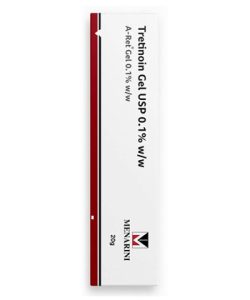
A-ret
from
Aczone
from
Betamethasone
from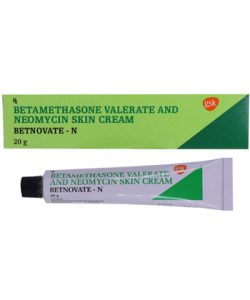
Betnovate
from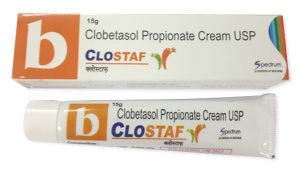
Clobetasol
from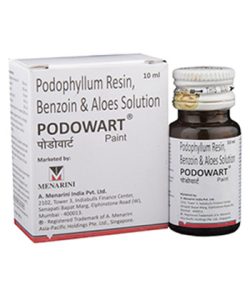
Condyline
from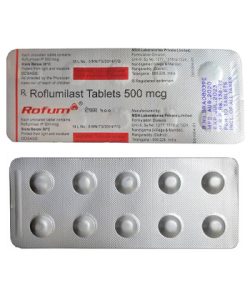
Daliresp
from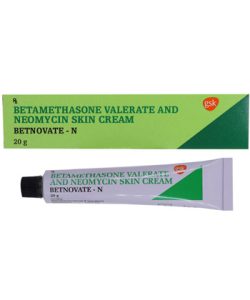
Diprolene
from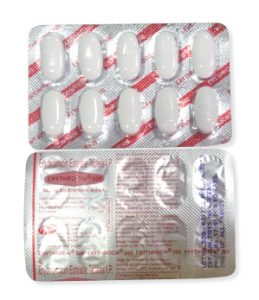
Ees
from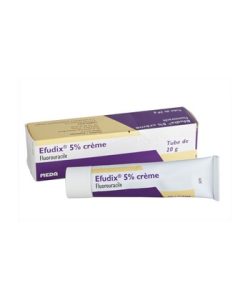
Efudix
from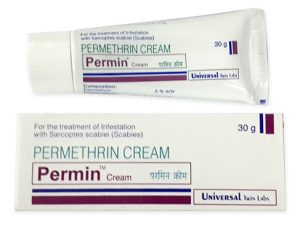
Elimite
from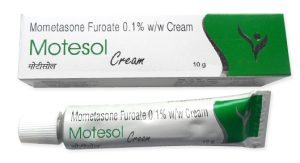
Elocon
from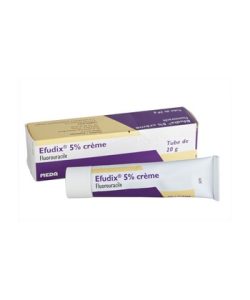
Fluorouracil
from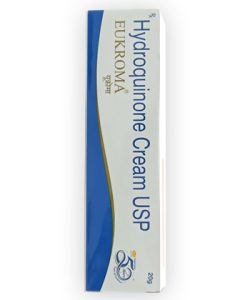
Hydroquinone
from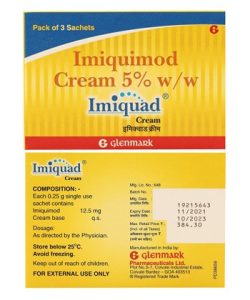
Imiquimod
from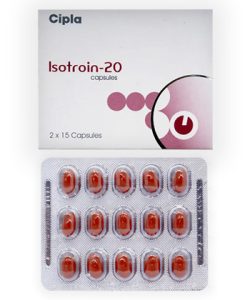
Isotretinoin
fromAcne Treatment
Acne is one of the most common skin conditions affecting Australians of all ages. It occurs when hair follicles become clogged with dead skin cells and sebum, leading to the formation of pimples, blackheads, and whiteheads. Acne can appear on the face, chest, back, and shoulders, causing both physical discomfort and emotional distress.
What it’s used for
Acne treatments work by reducing sebum production, preventing bacterial growth, unclogging pores, and reducing inflammation. These products help clear existing breakouts and prevent future ones from forming.
Available products in Australia
Popular over-the-counter options include benzoyl peroxide cleansers and spot treatments, salicylic acid products, and niacinamide serums. For more severe cases, dermatologists prescribe isotretinoin (Accutane), oral antibiotics like doxycycline, and retinoid creams such as tretinoin and adapalene, which are available under brand names like Retin-A and Differin.
Additional information
Combination therapy often works best for acne management. Cleansing twice daily with a gentle cleanser, using non-comedogenic moisturisers, and applying targeted treatments can significantly improve skin appearance. Sunscreen with SPF 30 or higher is essential, especially when using prescription treatments that increase sun sensitivity. Consistency is key, as most acne treatments require 6–8 weeks to show noticeable results.
Moisturising and Hydration
Maintaining proper skin hydration is fundamental to healthy skin. Dehydrated skin appears dull, flaky, and is more prone to irritation and premature ageing. Moisturisers work by either trapping water in the skin or adding hydrating ingredients to improve the skin’s moisture barrier.
What it’s used for
Moisturisers are essential for all skin types, from oily to dry. They protect the skin barrier, reduce transepidermal water loss, and create a smoother appearance. Regular moisturising helps prevent sensitivity, reduces the appearance of fine lines, and creates a healthy complexion.
Available products in Australia
The Australian market offers various moisturising options including lightweight hydrating serums with hyaluronic acid, rich creams for dry skin, gel moisturisers for oily skin, and specialist products like CeraVe and La Roche-Posay available in most pharmacies. Products containing ceramides, glycerin, and peptides are highly recommended for their barrier-repairing properties.
Additional information
Choosing the right moisturiser depends on your skin type and climate. During Australia’s hot summers, lighter formulations may be preferred, while heavier creams suit cooler months and mature skin. Apply moisturiser to damp skin within three minutes of cleansing for maximum absorption. Night-time moisturising is particularly important as skin repairs itself during sleep.
Sun Protection and SPF
Australia has one of the highest rates of skin cancer in the world due to intense UV radiation. Sun protection is not optional but essential for preventing skin damage, premature ageing, and serious health conditions.
What it’s used for
Sunscreens protect skin from harmful UVA and UVB rays that cause sunburn, pigmentation, photoaging, and skin cancer. Daily sun protection helps maintain an even skin tone, prevents age spots, and keeps skin looking younger longer.
Available products in Australia
Australian pharmacies stock a wide range of sunscreens including mineral sunscreens with zinc oxide and titanium dioxide, chemical sunscreens with ingredients like avobenzone, and hybrid formulations. Popular brands available include Cancer Council, Blue Lizard, Neutrogena, and Cetaphil. SPF ratings range from SPF 30 to SPF 50+, with SPF 50+ recommended for Australian conditions.
Additional information
Apply sunscreen generously—most people apply too little to be effective. Use approximately one teaspoon for the face and one tablespoon for the body. Reapply every two hours or immediately after swimming. Seek shade between 10 am and 3 pm when UV rays are strongest. Combine sunscreen with protective clothing, hats, and sunglasses for comprehensive protection.
Anti-Ageing and Wrinkle Reduction
As skin ages, it loses collagen and elastin, leading to fine lines, wrinkles, and loss of elasticity. Anti-ageing products work by stimulating collagen production, improving skin firmness, and reducing the visible signs of ageing.
What it’s used for
Anti-ageing treatments address fine lines, deep wrinkles, loss of volume, age spots, and overall skin texture. These products help maintain skin elasticity, improve radiance, and create a more youthful appearance.
Available products in Australia
Retinoids are considered the gold standard for anti-ageing and include retinol, retinyl palmitate, and prescription-strength tretinoin available as Retin-A. Vitamin C serums boost collagen production, peptide creams improve firmness, and niacinamide reduces fine lines. Hyaluronic acid plumps skin, whilst alpha-hydroxy acids and beta-hydroxy acids provide chemical exfoliation.
Additional information
Start anti-ageing treatments gradually, particularly with retinoids, as they can initially cause sensitivity. Begin with lower concentrations and use 2–3 times weekly, gradually increasing frequency as skin adapts. Results typically appear after 8–12 weeks of consistent use. Combine treatments with sun protection, as UV damage accelerates ageing. A comprehensive routine including cleansing, treating, moisturising, and sun protection yields the best results.
Sensitive Skin and Irritation Relief
Sensitive skin is characterised by a compromised skin barrier, leading to reactions to products, environmental factors, and irritants. This condition causes redness, itching, burning, and flaking.
What it’s used for
Products for sensitive skin aim to calm inflammation, repair the skin barrier, and reduce reactivity. They soothe irritated skin and provide protection against environmental stressors.
Available products in Australia
Gentle cleansers free from sulphates and fragrance are recommended, along with barrier-repairing moisturisers containing ceramides like CeraVe. Calming ingredients include aloe vera, chamomile, centella asiatica, and colloidal oatmeal. Azelaic acid is excellent for sensitive, reactive skin, whilst hydrocortisone creams provide short-term relief for severe irritation. Probiotics and prebiotics in skincare are increasingly popular for maintaining healthy skin microbiota.
Additional information
Those with sensitive skin should minimise their skincare routine to essential steps: gentle cleanse, moisturise, and protect. Avoid products with fragrance, essential oils, alcohol, and multiple active ingredients simultaneously. Patch test new products before full application. Speak with a dermatologist if sensitivity persists, as it may indicate conditions like rosacea or dermatitis requiring specific treatment.
Spot Treatments and Blemish Care
Targeted spot treatments address specific skin concerns including pimples, blackheads, dark spots, and hyperpigmentation. These concentrated formulations deliver active ingredients directly to problem areas.
What it’s used for
Spot treatments quickly reduce inflammation and redness from pimples, fade dark spots and post-inflammatory hyperpigmentation, and help prevent bacterial spread. They’re ideal for treating isolated blemishes without affecting the surrounding skin.
Available products in Australia
Our range of spot treatments includes:
- Benzoyl peroxide spot treatments for quick acne relief
- Salicylic acid products targeting blackheads and congestion
- Vitamin C brightening treatments for dark spots
- Hydroquinone and kojic acid products for hyperpigmentation
- Clay masks that draw out impurities
- Concealing spot treatments combining active ingredients with coverage
Additional information
Apply spot treatments to clean, dry skin before moisturiser. Use conservatively to avoid over-drying the area. Consistency matters—use products as directed, typically twice daily, for best results. Avoid picking or squeezing blemishes, as this worsens inflammation and causes scarring. If spots persist beyond 8 weeks or cover large areas, consult a healthcare professional or dermatologist for stronger treatments.