Isotretinoin
In brief
- In some online pharmacies, isotretinoin may be available without a prescription, but legally it is prescription-only in Australia and most countries because of its high risk of serious side effects and severe birth defects. Delivery times and availability can vary by supplier.
- Isotretinoin is used to treat severe, stubborn acne such as nodular or cystic acne that has not responded to other treatments. It works by reducing the size and activity of the skin’s oil glands, lowering sebum production, helping unclog pores, and reducing inflammation.
- The usual dose of isotretinoin is weight-based, commonly starting at 0.5 mg/kg/day and may be increased up to 1 mg/kg/day depending on response and tolerability. A standard treatment course is often 16–24 weeks, or until a cumulative dose target is reached.
- The form of administration is usually oral capsules or tablets; less commonly, an oral suspension is available in some markets. It is taken by mouth, typically with food to improve absorption.
- Isotretinoin does not work immediately. Some improvement may be noticed after several weeks, but meaningful acne reduction is usually seen after 4–8 weeks of treatment, with continued improvement over the full course.
- The duration of action is long, and it is taken daily over many weeks. A treatment cycle commonly lasts 16–24 weeks, and the benefits may persist after the course is finished, although some people require another course later.
- Avoid or strictly limit alcohol while taking isotretinoin, as alcohol can increase the risk of liver irritation and raise triglyceride levels, which isotretinoin can also affect.
- The most common side effects are dry lips, dry skin, dry eyes, peeling skin, and nosebleeds. Headache, muscle or joint pain, mild nausea, photosensitivity, and increased blood fats can also occur.
- Would you like to try isotretinoin without a prescription?
Basic Isotretinoin Information
- INN (International Nonproprietary Name): Isotretinoin
- Brand names available in Australia: Roaccutane, Oratane, APO-Isotretinoin
- ATC Code: D10BA01
- Forms & dosages: Hard capsules/tablets in 5 mg, 10 mg, 20 mg, 40 mg; soft capsules in 10 mg, 20 mg, 30 mg, 40 mg; oral suspension 10 mg/mL is rare; topical gel/cream is not typically systemic isotretinoin
- Manufacturers in Australia: Pfizer (Australia), and local supply may vary by distributor
- Registration status in Australia: Prescription Only (Rx)
- OTC / Rx classification: Prescription Only (Rx)
Why Australians Still Chase Isotretinoin After Everything Else Has Failed
What do people actually mean when they ask for isotretinoin acne treatment at an Australian pharmacy?
Usually, it is not about a mild breakout before a wedding.
It is about severe acne medication that has already been through the usual round of washes, creams, and antibiotics, with too little to show for it.
In real life, the demand is driven by scarring prevention, repeated treatment failure, and the hope that acne medication isotretinoin will finally do the job.
That is why shoppers compare notes on Chemist Warehouse, Priceline, and TerryWhite Chemmart, and why telehealth-linked e-prescriptions have become part of the buying journey.
Many patients expect fast results, but isotretinoin is often slower than they want, especially in the first few weeks.
Why Patients Ask For It After Other Acne Therapies Fail
- They have tried topical retinoids, benzoyl peroxide, or antibiotics without enough improvement.
- They are worried about permanent scarring from nodular or cystic acne.
- They want something that feels like a “proper reset” rather than another short-term fix.
- They have seen friends or forums describe it as the treatment that finally worked.
- They are already dealing with the mental load of ongoing flare-ups and treatment fatigue.
That mix of frustration and hope is why isotretinoin remains one of the most sought-after acne treatments in Australia.
What Australian Buyers Expect From A Pharmacy Supply Experience
- Clear script checking and stock availability before they travel in.
- Fast dispensing through e-scripts and repeat authorisations where allowed.
- Price comparison across discount pharmacies and larger chains.
- Simple advice on capsule strengths such as isotretinoin 10mg or isotretinoin 20mg.
- Discreet, reliable delivery, especially for people outside major cities.
For many Australians, the key question is not just whether Roaccutane or Oratane is available, but how quickly the pharmacy can supply it and whether the prescription details are correct.
In our online pharmacy, isotretinoin is available without a prescription, with discreet delivery to Australia in 9-21 days.
What Day-To-Day Use Feels Like For Australian Patients
What do people say once they are actually taking Roaccutane or isotretinoin capsules?
The most common feedback is practical, not dramatic.
Breakouts usually reduce, confidence improves, and there is less need to pile on concealer, spot treatments, and multiple cleansers.
Many describe the treatment as “dry but worth it”, which is a fair summary of how acne medication isotretinoin is often experienced at home, at work, and in summer.
At the same time, there are genuine hassles: lip dryness, skin peeling, blood tests, prescription renewals, and the mental effort of keeping up with appointments.
Positive Feedback Themes From Acne Sufferers
- Benefit
- Fewer breakouts, less oiliness, and a face that feels easier to manage day to day.
- Trade-off
- Dry lips, dry skin, and the need to carry moisturiser, lip balm, and eye drops.
- Deal-breaker
- For some, regular monitoring and prescription follow-up feel too demanding to maintain.
That balance is why isotretinoin capsules are often described as worth it by people who have already lived through years of acne.
Common Complaints And Reasons People Discontinue
- Benefit
- Less layering of products and fewer social worries about visible breakouts.
- Trade-off
- Dry lips, peeling, nosebleeds, and discomfort with contact lenses or screens if the eyes feel dry.
- Deal-breaker
- Needing blood tests, repeat scripts, and ongoing monitoring can feel like a lot, especially for busy patients.
That is why Roaccutane is usually judged less by marketing and more by whether day-to-day life becomes easier over a few months.
What Isotretinoin Is And Why The Name Changes By Country
Isotretinoin is the INN, or International Nonproprietary Name, used for the medicine many Australians know through brand names such as Roaccutane and Oratane.
It is also known as 13-cis-retinoic acid, and in other languages as Isotretinoína, Isotretinoïne, and Isotretinoinum.
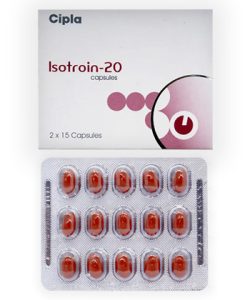
The packaging can vary by manufacturer and market, so the same acne medication isotretinoin may appear in different capsule colours, blister formats, or bottle styles.
In Australia, local supply may be branded or generic depending on the prescription, distributor, and what the pharmacy has in stock.
Inn, Classification, And Atc Code D10BA01
Isotretinoin sits in the systemic retinoid class and is used for acne treatment.
Its ATC code is D10BA01.
That matters because it separates this medicine from topical retinoids such as tretinoin or adapalene, which are used differently.
Brand Name Variations, Pack Sizes, And Capsule Strengths
| Brand Or Product Name | Typical Pack Style | Common Strengths |
|---|---|---|
| Roaccutane | Blister packs | 10 mg, 20 mg, 40 mg |
| Oratane | Capsules in packs | 10 mg, 20 mg, 30 mg, 40 mg |
| APO-Isotretinoin | Capsules in packs | 10 mg, 20 mg |
| Isotretinoin-Mepha | Pack-based supply | 10 mg, 20 mg, 40 mg |
Hard capsules and tablets are the most common forms, while soft capsules appear in some markets.
Strengths such as isotretinoin 10mg and isotretinoin 20mg are the ones Australian patients are most likely to ask about.
How Australians Access Isotretinoin, What It Costs, And Why Supply Varies
Can you just walk into a pharmacy and buy isotretinoin?
No, not in normal Australian practice, because it is a prescription medicine.
Supply depends on the script, the brand prescribed, stock levels, and whether the patient is using a PBS-subsidised supply or a private one.
That is why pricing can differ between Chemist Warehouse, Priceline, and TerryWhite Chemmart, especially when discount pharmacies are competing for the same script.
Urban patients often have more choice, while rural and regional patients may rely more on delivery or click-and-collect, which can add waiting time.
Chemist Warehouse, Priceline, And TerryWhite Chemmart Pricing Dynamics
| Access Factor | What It Usually Means | Patient Impact |
|---|---|---|
| Discount chain pricing | Pharmacies may compete on dispensing price | Lower out-of-pocket cost for some private scripts |
| Brand availability | Different pharmacies may stock different brands | Substitution may be discussed with the pharmacist |
| Stock levels | Some strengths sell out faster than others | Patients may need to wait or order ahead |
Online Pharmacy And E-Script Purchasing In Australia
Telehealth-linked e-prescriptions have made isotretinoin easier to source for many patients, especially when local stock is patchy.
That is also why online ordering matters in the acne medication isotretinoin market, because people do not always want to wait for a Friday afternoon reorder.
For some, click-and-collect is the easiest middle ground between speed and convenience.
Pbs Versus Private Supply: What Changes For The Patient
| Cost Driver | PBS Supply | Private Supply |
|---|---|---|
| Prescription type | May reduce patient cost when eligible | Full private price usually applies |
| Brand choice | Depends on listed and dispensed item | Depends on prescribed product and stock |
| Access timing | Still depends on stock and dispensing | May be quicker or slower depending on pharmacy |
Whether the script is for Roaccutane 10mg, Oratane 40mg, or isotretinoin 10mg, the practical issue is often the same: can the pharmacy source it on time.
Where Isotretinoin Fits In Australian Acne Care
Isotretinoin is reserved for severe recalcitrant nodular or cystic acne that has not responded to conventional therapy.
That is the core indication in Australian practice.
GPs and dermatologists usually trial other treatments first, especially when the acne is less severe or there is still room to improve with topical or antibiotic therapy.
It is not a casual acne option, and it is generally used when scarring risk or treatment failure makes stronger treatment worth the extra monitoring.
Tga-Aligned Use In Severe Acne
- Severe nodular or cystic acne that keeps coming back.
- Acne that has not improved with conventional therapy.
- Acne where scarring risk is a real concern.
- Cases where a dermatologist or GP decides the benefits outweigh the monitoring burden.
Where Australian Dermatologists Place It In The Pathway
In practice, isotretinoin comes later in the treatment pathway, after topical agents and often after antibiotics have had a fair trial.
That is why severe acne medication is so closely tied to medical review rather than simple retail supply.
How It Works In Plain English Before The Science
What does isotretinoin actually do to acne?
In simple terms, it turns down oil production, changes how skin cells shed, and helps break the cycle that leads to blocked pores and inflammation.
That is why people often notice less shine first, then fewer clogged pores, and later fewer angry breakouts.
It is the retinoid action that drives the result, but the patient usually just feels that the skin slowly becomes calmer and easier to live with.
What Changes First On The Skin
Oil glands → produce less oil.
Clogged pores → become less likely to form.
Inflammation → settles over time.
Improvement → shows up after weeks, not days.
Why Results Take Weeks, Not Days
That delay is normal.
Isotretinoin acne treatment is a course-based medicine, not a quick spot fix.
Patients who expect overnight clearing can become disappointed early, even though the treatment is still working underneath the surface.
How The Treatment Course Usually Runs
Clinicians usually start with a weight-based dose and then adjust according to response and tolerability.
The common starting point is 0.5 mg/kg/day, with increases up to 1 mg/kg/day if needed.
Most courses run for 16 to 24 weeks, and many clinicians aim for a cumulative dose of 120 to 150 mg/kg.
Relapse can happen, which is why a repeat course may be considered after a gap if the acne returns.
Standard Dosing And How Clinicians Titrate
| Clinical Point | Usual Detail | Practical Meaning |
|---|---|---|
| Starting dose | 0.5 mg/kg/day | Often chosen to balance effect and tolerability |
| Higher dose | Up to 1 mg/kg/day | Used if response and tolerance allow |
| Course length | 16 to 24 weeks | Typical treatment window |
| Cumulative target | 120 to 150 mg/kg | Often used to guide the full course |
Course Length And Relapse Patterns
In some patients, isotretinoin capsules clear the acne well and the benefit lasts.
In others, relapse is part of the story, and another course may be needed later.
That is why follow-up matters even when the skin is looking better.
How To Handle Real-Life Dosing Mistakes
What if a dose is missed on a busy day?
The usual advice is simple: take it when remembered unless the next dose is close, and never double-dose.
That rule matters because over-correcting is not safer.
For adolescents over 12 years and adults, dosing is usually weight-based, while older adults do not have a specific dose adjustment but still need tolerability monitoring.
Weight-Based Dosing In Teens And Adults
- Dose adjustment
- Used to match the person’s weight, response, and side effects.
- Missed dose
- Take it when remembered unless the next dose is near; do not double up.
- Overdose
- Rare, but can cause vitamin A toxicity and needs urgent medical attention.
Missed Dose And Overdose Handling
Acute overdose is uncommon, but the warning signs are serious enough that people should seek medical help promptly if too much is taken.
That is especially important with isotretinoin 20mg or isotretinoin 10mg capsules, where a small number of extra capsules can still matter.
Who Must Not Take It, And Who Needs Extra Care
Why do pharmacists ask so many questions before dispensing Roaccutane or Oratane?
Because the safety issues are real.
Pregnancy and planning pregnancy are absolute no-go situations, along with breastfeeding, severe hepatic or renal impairment, hypervitaminosis A, very high blood lipids, and known hypersensitivity to isotretinoin or excipients.
Caution is also needed in people with depression history, diabetes, lipid disorders, chronic alcoholism, and children under 12 years.
Absolute Contraindications
| Do Not Use If | Why It Matters |
|---|---|
| Pregnant or planning pregnancy | Severe teratogenicity risk |
| Breastfeeding | Safety is not acceptable |
| Severe hepatic or renal impairment | Higher risk of harm |
| Hypervitaminosis A | Vitamin A excess can worsen toxicity |
| Very high blood lipid values | Needs specialist review first |
Relative Contraindications And Monitoring Needs
| Caution Group | Why A Pharmacist May Ask More Questions |
|---|---|
| History of depression or psychiatric illness | Needs careful follow-up |
| Diabetes | Monitoring may be more complex |
| Lipid metabolism disorders | Blood fats may need closer checking |
| Chronic alcoholism | Liver and lipid concerns may be higher |
| Children under 12 years | Not the usual treatment group |
Side Effects Australians Notice First
What do most people feel first on isotretinoin?
Dry lips, dry skin, dry eyes, peeling, nosebleeds, and photosensitivity are the usual early complaints.
These are the practical issues that affect work shifts, school days, sport, and being outside in summer.
Less commonly, people notice joint or muscle pain, nausea, mild liver enzyme changes, headache, reduced night vision, or higher triglycerides.
Common Mild To Moderate Effects
- Dry lips and skin, often needing lip balm and moisturiser straight away.
- Dry eyes, which can make screen time or contact lenses uncomfortable.
- Peeling or rash, especially if the skin is already irritated.
- Nosebleeds from dryness inside the nose.
- Photosensitivity, so sun protection becomes more important.
- Joint or muscle pain in some people.
- Nausea, mild liver enzyme changes, headache, reduced night vision, and raised triglycerides in some cases.
Managing Dry Skin, Lips, And Eyes
Gentle cleansers, plain moisturiser, lip balm, and sensible sun care are usually the basics.
Most patients who stay comfortable on acne medication isotretinoin get into a routine quickly, rather than waiting until the dryness becomes a problem.
The Serious Risks Pharmacists And Prescribers Watch Closely
Why is isotretinoin prescription-only?
Because the serious risks are not theoretical.
The biggest concern is severe teratogenicity, which is why strict contraception is standard before, during, and for at least one month after therapy in women of childbearing age.
Blood tests and follow-up reviews are there to watch for lipid changes, liver issues, mood changes, and visual symptoms.
Pregnancy Prevention And Teratogenic Risk
Stop: pregnancy, planned pregnancy, or breastfeeding makes treatment unsafe.
Seek advice: if contraception is uncertain or a period is late.
Urgent review: if there are signs of possible pregnancy or severe side effects.
Liver, Lipid, Psychiatric, And Vision Red Flags
Severe mood change, major visual disturbance, marked headache, or major blood test abnormalities deserve prompt medical review.
That is why pharmacy supply checks matter even when the pack is already familiar.
How Isotretinoin Compares With Other Acne Treatments In Australia
What are the other options when isotretinoin is not the right fit?
Australia has several real alternatives, including doxycycline, minocycline, oral contraceptives, adapalene, tretinoin, benzoyl peroxide, azelaic acid, clindamycin gels, and dapsone.
These can work well, but they are usually used before isotretinoin or alongside a broader acne plan.
That is because severe acne medication isotretinoin is generally reserved for the most severe or scarring-prone cases.
Systemic Alternatives
| Option | Typical Use | Common Drawback |
|---|---|---|
| Doxycycline or minocycline | Inflammatory acne needing oral treatment | Not always enough for severe nodular disease |
| Oral contraceptives | Hormonal acne in suitable patients | Not suitable for everyone |
Topical And Hormonal Alternatives
| Option | Typical Use | Common Drawback |
|---|---|---|
| Adapalene or tretinoin | Topical retinoid maintenance | Can irritate at first |
| Benzoyl peroxide or azelaic acid | Spot control and combination therapy | May be slower or not strong enough alone |
| Clindamycin or dapsone gels | Selected inflammatory acne cases | Usually not the final answer for severe acne |
How Supply Works In Australia, And What The Pharmacy Checks
Isotretinoin is regulated as a prescription-only medicine in Australia.
The pharmacy must have a valid script, and the pharmacist reviews the details before supply.
TGA oversight, local brand variability, and telehealth e-prescriptions all shape how patients access it in real life.
In rural settings, repeats and delivery timing matter even more, because a missed supply can interrupt a course.
Tga Status And Prescription-Only Supply
| What The Patient Needs | What The Pharmacist Checks |
|---|---|
| Valid prescription | Correct medicine and strength |
| Brand or generic request | Whether the requested pack is in stock |
| Repeat or e-script details | Legibility and authorisation status |
| Monitoring plan | Safety context, including pregnancy precautions where relevant |
How E-Scripts And Repeats Work In Practice
Telehealth has made it easier for many Australians to keep a stable supply without unnecessary clinic trips.
That is especially useful when the pack is a specific product such as APO-Isotretinoin, Oratane, or Roaccutane.
Buying, Storing, And Using Isotretinoin Properly In Australian Conditions
What is the safest way to buy and keep isotretinoin at home?
Only use a licensed pharmacy.
Check the strength carefully, because a 10 mg capsule is not the same as a 40 mg capsule, and mix-ups are avoidable if the pack is read properly before leaving the counter or signing for delivery.
Australian heat, summer deliveries, cars, bathrooms, and steamy kitchens are not ideal places for this medicine.
In-Store Versus Online Buying Tips
- Confirm the brand and strength on the label before you leave or accept delivery.
- Ask about stock if you need a repeat soon, especially for isotretinoin 20mg or 40mg packs.
- Use a licensed pharmacy only.
- Keep scripts and repeat details handy if using telehealth or e-scripts.
Storage In Heat, Humidity, And Travel Conditions
Store at 15 to 25°C, protected from light and moisture.
Keep capsules in the original packaging and do not leave them in a hot car or a bathroom cabinet.
That simple habit matters more in Australian summer than many people realise.
Safe Use Habits During Treatment
- Take the medicine exactly as prescribed.
- Use contraception as directed if pregnancy is possible.
- Keep follow-up appointments and blood tests.
- Use sun protection because photosensitivity is common.
- Use moisturiser, lip balm, and gentle cleansers early, not after dryness becomes severe.
- Report mood changes, vision changes, or severe headaches promptly.
Delivery Across Australia
| City | Region | Delivery time |
|---|---|---|
| Sydney | New South Wales | 9-14 days |
| Melbourne | Victoria | 9-14 days |
| Brisbane | Queensland | 9-14 days |
| Perth | Western Australia | 9-14 days |
| Adelaide | South Australia | 9-14 days |
| Canberra | Australian Capital Territory | 9-14 days |
| Hobart | Tasmania | 9-14 days |
| Darwin | Northern Territory | 9-14 days |
| Gold Coast | Queensland | 14-21 days |
| Newcastle | New South Wales | 14-21 days |
| Wollongong | New South Wales | 14-21 days |
| Geelong | Victoria | 14-21 days |
| Townsville | Queensland | 14-21 days |
| Cairns | Queensland | 14-21 days |
Final Practical Takeaway For Australian Patients
Isotretinoin remains the treatment many people ask for when acne has become severe, scarring-prone, and exhausting to live with.
It works best when the patient understands the trade-offs, the monitoring, and the time it takes to see the full benefit.
If the goal is fewer breakouts, less oil, and a more manageable routine, isotretinoin capsules can be a very effective option when prescribed and monitored properly.
For anyone comparing Roaccutane, Oratane, or APO-Isotretinoin, the key is not just the brand name, but safe supply, correct dosing, and steady follow-up.