Fluorouracil
In brief
- In Australia fluorouracil is classified as a prescription-only medicine (S4) and is supplied via hospital and community pharmacies, oncology clinics and authorised suppliers; topical and injectable forms legally require a prescription. Some online or informal sources may offer products without a prescription, but this is not legal or safe and is not recommended.
- Fluorouracil is an antineoplastic agent used systemically for cancers such as colorectal, gastric and breast cancer (IV) and topically for actinic keratosis and superficial basal cell carcinoma. It is a pyrimidine analogue antimetabolite that inhibits thymidylate synthase and disrupts DNA and RNA synthesis in rapidly dividing cells.
- Usual dosages vary by indication: systemic regimens differ by protocol (example: 12 mg/kg/day, max 800 mg/day IV bolus for 4 days, then 6 mg/kg every other day for 6 doses, max 400 mg/day); topical doses commonly use 0.5%–5% creams applied once or twice daily for 2–6 weeks depending on lesion and formulation.
- Forms of administration include intravenous injection (vials, e.g. 250 mg/5 mL, 500 mg/10 mL, 1 g/20 mL) and topical preparations (cream, lotion or solution in 0.5%–5% strengths).
- Onset time: topical therapy often causes local irritation within a few days and clinical lesion response over weeks (commonly 2–6 weeks); systemic cytotoxic effects and early toxicities (nausea, mucositis, marrow suppression) can appear within days, while measurable tumour response may take weeks to months.
- Duration of action: plasma half-life is short (approximately 10–20 minutes) though intracellular metabolites persist; topical treatment courses typically last 2–6 weeks and systemic effects (including bone marrow suppression) can persist for days to weeks depending on regimen and cumulative dosing.
- Alcohol warning: avoid heavy alcohol consumption during treatment—alcohol may worsen gastrointestinal side effects and stress the liver. For topical use, avoid alcohol-containing skin products on treated areas as they can increase irritation.
- Most common side effec: topical—local erythema, burning, pain, desquamation and pruritus; systemic/injection—nausea, vomiting, diarrhoea, stomatitis, myelosuppression, alopecia, dermatitis and photosensitivity.
- Would you like to try fluorouracil without a prescription?
Availability & Price Landscape
Basic Fluorouracil Information
- INN (International Nonproprietary Name): Fluorouracil (also known as 5‑Fluorouracil, 5‑FU, Fluorouracilum, Fluorouracilo, Flouoracil).
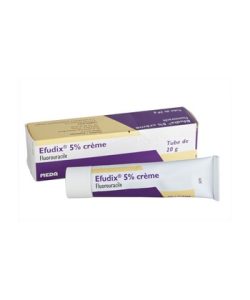
- Brand Names Available In Australia: Efudex is marketed in Australia; other topical and injectable brands are marketed internationally but local brand listings vary (not specified).
- ATC Code: L01BC02 (Antineoplastic agents; Antimetabolites; Pyrimidine analogues).
- Forms & Dosages: Injection vials commonly in 250 mg/5 mL, 500 mg/10 mL and 1 g/20 mL; topical creams in 0.5%, 1%, 2%, 4% and 5% in tubes typically 20–40 g.
- Manufacturers In Australia: not specified.
- Registration Status In Australia: Registered under prescription-only (S4) status in Australia for topical and injectable forms.
- OTC / Rx Classification: Prescription only (Rx); not available over-the-counter in any formulation.
Where Can You Buy It In Australia?
Topical fluorouracil creams such as Efudex (2% and 5%) are stocked by major community pharmacy chains and specialist dermatology suppliers.
Injectable 5‑FU vials for oncology are typically held by hospital pharmacies and specialist oncology suppliers.
Urban community pharmacies and national chains usually list topical brands online and can fulfil private scripts via telehealth prescriptions.
Rural towns commonly rely on hospital formulary orders, mail‑order pharmacy supply or chain redistribution to meet demand.
Topical formulations are generally not PBS listed for community topical use, so private-script pricing applies for many outpatient patients.
Price comparators show meaningful variance by tube size (20–40 g) and strength, and compounding options are priced differently to manufactured tubes (not specified).
| Seller Type | Typical Price Range | PBS Availability |
|---|---|---|
| National Chain (Chemist Warehouse, Priceline, TerryWhite) | Not specified | Topical creams: typically not PBS listed for community use |
| Independent Community Pharmacy | Not specified | Not specified |
| Compounding Pharmacy (custom lower strengths) | Not specified | Not specified |
| Hospital / Oncology Supply | Not specified | IV vials usually hospital‑funded or on hospital formulary |
Stock And Lead Times Snapshot.
Major metro pharmacies commonly show same‑day or next‑day availability for topical tubes where listed online.
Rural pharmacies may need to order topical tubes or receive them by courier, which increases lead time.
Hospital procurement usually maintains injectable vials for oncology regimens, but community access to IV vials is limited.
Telehealth e‑prescriptions have increased private‑script topical purchases and mail order, reducing metropolitan access barriers.
In our online pharmacy, fluorouracil is available without a prescription, with discreet delivery to Australia in 9-21 days.
Patient Insights & Satisfaction Levels
Forum Reviews (ProductReview, Aussie Health Forums)
What Do Patients Actually Say Online?
Australian forum threads and product reviews commonly report lesion clearance after topical 5‑FU treatment.
Many users praise topical effectiveness for actinic keratoses and superficial basal cell carcinoma.
Reviews regularly warn about intense local reactions and prolonged healing times during and after treatment.
Oncology patient groups report systemic 5‑FU effectiveness when used in combination regimens, with careful monitoring.
Telehealth follow‑ups are often mentioned favourably where local dermatology follow up is difficult to access.
Reported Benefits And Issues From Australian Patients
Patients value clear pharmacist counselling on what to expect from topical therapy.
Common positives are non‑surgical lesion clearance and avoidance of excision for multiple field lesions.
Common negatives are pronounced erythema, crusting, oozing and the social impact of visible inflammation during therapy.
Oncology patients stress systemic side effects such as nausea, diarrhoea and myelosuppression with IV 5‑FU.
Patients report appreciating written timelines, wound‑care tips and sunscreen advice from pharmacists.
- Pros: Effective lesion clearance, non‑invasive field therapy, outpatient use.
- Cons: Intense local inflammation, prolonged healing, systemic toxicity risk with IV use.
Short Anonymised Patient Quotes For A Product Page.
“The cream cleared my spots after six weeks but I looked sore for a while.”
“Hospital chemo worked as planned but needed blood tests every week.”
Suggested Product Page Visuals.
Feature a short timeline infographic showing onset of local inflammation (1–3 weeks), peak reaction (weeks 2–4) and healing (2–6 weeks after end of treatment).
Note postal delays for rural patients and recommend telehealth follow‑ups after starting topical therapy where local dermatology access is limited.
Product Overview & Brand Variants
INN And Brand Names In Australia
INN: Fluorouracil, commonly written as 5‑Fluorouracil or 5‑FU.
Topical brands marketed internationally and present in Australia include Efudex (2% and 5% cream in 20 g and 40 g tubes).
Other topical brands and generics exist internationally, while injectable brands include Adrucil and multiple generics.
International vial strengths commonly include 250 mg/5 mL, 500 mg/10 mL and 1 g/20 mL for IV use.
Legal Classification (TGA‑Approved)
All formulations are prescription‑only (S4) in Australia and must comply with TGA approvals and scheduling.
Topical creams are dispensed from community pharmacies on prescription.
IV vials are procured by hospitals or specialist pharmacies for oncology use.
| Brand | Form | Typical Pack Sizes |
|---|---|---|
| Efudex | Topical cream | 2% and 5% in 20 g and 40 g tubes |
| Adrucil | Injection vial | 500 mg, 1 g, 2.5 g (typical vial strengths internationally) |
| Generics (Teva, Sandoz, Mylan) | Topical and injectable | Various vial strengths and cream strengths |
Note On Generics And Manufacturers.
Manufacturers commonly supplying fluorouracil internationally include Teva, Mylan, Sandoz, Pfizer and Medac.
Pharmacists should cross‑reference sponsor and ARTG entries to confirm local supply and sponsor details.
Indications In Local Medical Practice
Approved Uses By TGA
Topical fluorouracil is routinely used in dermatology for actinic keratosis and superficial basal cell carcinoma.
Systemic IV 5‑FU remains a core cytotoxic agent for colorectal, gastric and breast cancer regimens.
Topical formulations are supplied under prescription through community pharmacies.
Off‑Label Patterns In Australian Clinics
Common off‑label use includes field therapy for multiple actinic keratoses and compounded lower strengths for sensitive sites.
Oncology often uses IV 5‑FU with modulators such as leucovorin, or substitutes capecitabine as an oral prodrug where appropriate.
DPYD testing for dihydropyrimidine dehydrogenase deficiency is increasingly referenced in high‑dose protocols to reduce severe toxicity risk.
| Indication | Route | Typical Duration / Setting |
|---|---|---|
| Actinic Keratosis | Topical | Apply 1–2 times daily for 2–6 weeks |
| Superficial Basal Cell Carcinoma | Topical | Topical course, duration dependent on lesion and formulation |
| Colorectal / Gastric / Breast Cancer | IV | Per chemotherapy protocol; example regimens vary by tumour type |
Prescriber Notes For The Product Page.
Advise prescribers and pharmacists to consider DPYD testing before high‑dose systemic 5‑FU and to provide referral pathways for genetic testing when indicated.
How It Works In The Body
Layman’s Explanation
Fluorouracil is a medicine that attacks rapidly dividing cells, so it targets abnormal skin cells and cancer cells.
Applied as a cream it causes local inflammation while abnormal cells are cleared.
Given intravenously it interrupts cancer cell DNA production and triggers cell death.
Clinical Detail
Fluorouracil is a pyrimidine analogue that is metabolised intracellularly to active metabolites such as FdUMP.
FdUMP inhibits thymidylate synthase, impairing DNA synthesis and leading to cell death in rapidly dividing cells.
Systemic administration causes measurable plasma exposure and risks to bone marrow, gastrointestinal mucosa and other tissues.
Topical application produces low systemic absorption but a strong local inflammatory response as dysplastic keratinocytes are removed.
ATC classification is L01BC02, under antimetabolites — pyrimidine analogues.
Clinical implication: DPYD deficiency impairs 5‑FU metabolism and increases systemic toxicity risk, so testing is relevant for high‑dose systemic regimens.
Dosage & Administration
Standard Regimens
Topical regimens generally involve once or twice daily application to lesion(s) for 2–6 weeks depending on strength and site.
Examples include Efudex 2% or 5% applied for a course of 2–6 weeks as directed by the prescriber.
IV oncology regimens vary by protocol; one example regimen includes 12 mg/kg/day (max 800 mg/day) IV bolus for 4 days then 6 mg/kg every other day for 6 doses per certain protocols.
Specific dosing is protocol dependent and managed by oncology teams.
Adjustments By Patient Type (Elderly, Chronic Conditions)
Elderly patients require closer monitoring but do not have an automatic standard dose reduction.
Severe renal or hepatic impairment warrants specialist review and possible dose reduction.
Children: safety and efficacy outside specialist paediatric oncology are not established.
| Formulation | Usual Regimen | Monitoring Needs |
|---|---|---|
| Topical Cream (2%–5%) | Apply 1–2x daily for 2–6 weeks | Local skin checks; advise on wound care and sunscreen |
| IV 5‑FU | Per chemotherapy protocol (example regimens vary) | Blood counts, liver function, renal function and clinical toxicity monitoring |
Counselling Checklist For Pharmacy Staff.
- Explain skin preparation and application area, and advise avoidance of eyes and mucous membranes.
- Advise handwashing after application and safe handling of contaminated dressings.
- Arrange monitoring for systemic regimens and schedule follow‑up contact for topical therapy.
Contraindications & Side Effects
Common
Absolute contraindications include known hypersensitivity to fluorouracil and pregnancy due to teratogenic risk.
Severe bone marrow suppression or active systemic infection are absolute contraindications.
Common topical adverse effects are local erythema, burning, pain, desquamation and pruritus at the application site.
Common systemic adverse effects include nausea, vomiting, diarrhoea, stomatitis, myelosuppression and alopecia.
Rare But Serious (Australian Safety Data)
Rare but serious systemic risks include severe myelosuppression, life‑threatening gastrointestinal toxicity and neurotoxicity.
DPYD deficiency can cause severe or fatal 5‑FU toxicity; mention DPYD testing where relevant for systemic regimens.
| Topical Risks | Systemic Risks |
|---|---|
| Local erythema, crusting, burning, desquamation | Nausea, vomiting, diarrhoea, stomatitis, myelosuppression |
| Possible temporary pigment changes or scarring (rare) | Photosensitivity, alopecia, neurotoxicity in severe cases |
Urgent Signs To Act On.
Advise patients to seek urgent care for fever, signs of infection, severe diarrhoea, uncontrolled pain or bleeding.
Comparable Medicines
Alternatives Table (PBS And Non‑PBS)
| Medicine | Route | PBS Status | Typical Indication | Access Complexity |
|---|---|---|---|---|
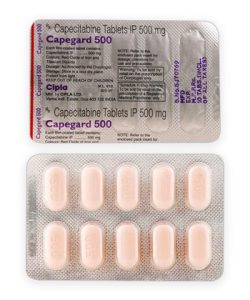
| Capecitabine (Xeloda) | Oral prodrug | PBS listed for some oncology indications (check current PBS) | Colorectal, breast cancer as oral alternative | Prescription; oncology monitoring required |
| Imiquimod | Topical | Variable PBS status; often private script | Actinic keratosis, superficial BCC | Community supply via prescription |
| Diclofenac Gel | Topical | Often private script | Actinic keratosis | Community supply |
| Cryotherapy / Photodynamic Therapy | Procedural | Not PBS‑listed as a medicine | Local lesion destruction | Clinic or specialist access |
Pros And Cons List
Capecitabine Pros: oral dosing, avoids IV access.
Capecitabine Cons: systemic toxicity risk and monitoring similar to 5‑FU.
Imiquimod Pros: non‑inflammatory early response in some patients.
Imiquimod Cons: slower onset for lesion clearance in some studies.
Diclofenac Pros: well tolerated by many patients.
Diclofenac Cons: may be less effective for multiple or thicker lesions.
Current Research & Trends
Major Studies 2022–2025 (Australia + International)
Recent research has focused on optimising topical 5‑FU schedules to balance efficacy and tolerability in field therapy for actinic keratoses.
Head‑to‑head comparisons with imiquimod and diclofenac continue to clarify patient‑reported outcomes and social impact during inflammatory phases.
Oncology research has emphasised DPYD genotype‑guided dosing to reduce severe systemic toxicity from 5‑FU and this approach is variably adopted in Australia.
Trials have investigated lower concentration topical formulations for sensitive sites and compounded alternatives to improve tolerability.
Patient‑reported outcomes now factor into regimen choice more often in dermato‑oncology practice.
Implication For Pharmacy Practice.
Pharmacists should watch for PBAC or TGA updates that might affect subsidy or supply and be prepared to adapt counselling to new schedule evidence.
Annotated Bibliography Box (Suggested Product Page Visual).
List landmark trials comparing topical 5‑FU regimens and DPYD genotype studies with brief summaries and implications for prescribing and counselling.
Common Patient Questions
How Long Until I See A Result With 5‑FU Cream?
Expect visible inflammation within 1–3 weeks and lesion clearance by 2–6 weeks depending on regimen and lesion type.
Will 5‑FU Cream Cause Scarring?
Most lesions heal without scarring, but monitor healing closely and advise on wound care to reduce risk.
Can I Use Sunscreen And Moisturiser?
Yes; use gentle moisturisers and daily sunscreen while on treatment, and avoid occlusive dressings unless specifically advised.
What If I Miss A Topical Dose?
Apply when remembered and do not double apply to catch up.
Are There Pregnancy Risks?
Systemic use is contraindicated in pregnancy and topical use should be discussed with the prescriber; avoid pregnancy during treatment where possible.
How Do I Dispose Of Used Dressings?
Treat as household medical waste unless bloodied, in which case seek pharmacist advice about safe disposal.
FAQ Presentation Recommendation.
Use a collapsible accordion FAQ widget and short bulleted pharmacist‑talk responses for quick reference on the product page.
Regulatory Status
TGA Approval
Fluorouracil is a prescription‑only medicine (S4) in Australia for both topical and injectable forms.
Pharmacists should verify ARTG entries and sponsor details for the specific brand being dispensed.
PBS Subsidy Details
Topical fluorouracil formulations are typically not listed on the PBS for community topical use; confirm current PBS schedules for updates.
IV oncology uses are commonly hospital‑funded or included in public hospital formularies rather than PBS community listings.
| Product | ARTG / Sponsor | PBS Listing Status |
|---|---|---|
| Efudex (topical cream) | Not specified | Typically not PBS listed for community topical use |
| Injectable 5‑FU vials | Not specified | Hospital funded or on hospital formularies |
Pharmacist Checklist For Legality.
Confirm valid prescription and prescriber authority, ensure S4 labelling and verify any special authority or restrictions before supply.
Visual Recommendations
Key Design Assets To Include On A Product Page.
Infographic: A topical 5‑FU treatment timeline showing application start, peak reaction and healing with week ranges.
Map Visual: Pharmacy network availability for Chemist Warehouse, Priceline and TerryWhite Chemmart with metro vs rural lead times.
Table Visual: Quick comparison of cream strengths and typical pack sizes (20 g, 40 g) and expected pharmacy stock categories.
Warning Badges: DPYD testing alert, pregnancy contraindication and prescription required (S4) badges.
Icon Set: Storage temperature icons (store below 25°C for topical, 20–25°C for injections), handling precautions and disposal instructions.
Accessibility Note.
Provide alt text for all images and a plain‑text version of each visual for screen readers.
Buying & Storage Advice
In‑Store Vs Online Purchase Tips In Australia
Purchase topical fluorouracil from a community pharmacy with a valid prescription.
Confirm brand, strength and pack size before ordering, noting Efudex is available in 2% and 5% and commonly in 20–40 g tubes.
For online orders, choose reputable Australian pharmacies or chain sites that verify prescriptions and use secure couriers.
Rural customers should confirm lead times and consider expedited courier options if treatment timing is critical.
Storage In Australian Household Conditions (Heat/Humidity)
Store topical creams below 25°C, protect from moisture and heat, and keep the tube tightly closed.
Store injectable vials at 20–25°C, protect from light and do not freeze.
During hot Australian summers advise patients to keep creams in a cool location at home and avoid leaving them in cars.
Packing Checklist For Mail Orders.
- Verify prescription and patient details.
- Include cooling pack if ambient temperatures may exceed recommended storage during transit.
- Provide clear storage and handling instructions in the parcel.
Guidelines For Proper Use
Pharmacist Guidance In Australia
Review indication, strength, regimen, pregnancy status and concomitant medications before supply.
Ask specifically about warfarin, allopurinol and metronidazole as these may increase toxicity risks.
Document counselling in the patient record and schedule follow‑up contact or telehealth check‑ins for topical courses.
Patient Safety Recommendations
Counsel on expected local reactions and wound care including gentle cleansing and emollient use outside the treatment area.
Advise sun avoidance and daily sunscreen while on therapy and during healing.
Emphasise DPYD risk screening conversations for patients prescribed systemic 5‑FU and encourage prescriber referral where indicated.
Provide A Printable Patient Safety Card.
Include red flags such as fever, severe diarrhoea, mucositis, bleeding and contact details for the prescriber or emergency services.
- Topical application tips: apply a thin layer, avoid eyes and mucous membranes, wash hands after application.
- Follow‑up timing: arrange a check‑in mid‑treatment and at treatment end, or sooner if severe reaction occurs.
Pharmacist Sign‑Off Checklist.
Confirm counselling topics, note DPYD discussion if systemic therapy, and record agreed follow‑up method (telehealth or in‑person).
Delivery Across Australia
| City | Region | Delivery Time |
|---|---|---|
| Sydney | New South Wales | 9-14 days |
| Melbourne | Victoria | 9-14 days |
| Brisbane | Queensland | 9-14 days |
| Perth | Western Australia | 9-14 days |
| Adelaide | South Australia | 9-14 days |
| Canberra | Australian Capital Territory | 9-14 days |
| Hobart | Tasmania | 9-14 days |
| Darwin | Northern Territory | 9-14 days |
| Gold Coast | Queensland | 9-14 days |
| Newcastle | New South Wales | 9-14 days |
| Wollongong | New South Wales | 9-14 days |
| Geelong | Victoria | 9-14 days |
| Cairns | Queensland | 14-21 days |
| Townsville | Queensland | 14-21 days |
| Ballarat | Victoria | 14-21 days |