Condyline
In brief
- In our pharmacy, you can buy condyline without a prescription (particularly the 0.5% podophyllotoxin cream/gel); higher‑concentration podophyllum resin solutions generally require prescription or professional administration — delivery across Australia in 9–21 days with discreet packaging.
- Condyline is used to treat external genital, anal and some cutaneous warts; the active ingredient (podophyllotoxin or podophyllum resin) is an antimitotic that binds tubulin, inhibiting microtubule assembly and causing local wart cell death.
- Usual dosage: for resin solutions (eg 20–25%) a clinician applies once weekly and washes off after 1–4 hours for up to 6 weeks; for podophyllotoxin 0.5% cream/gel self‑apply twice daily for 3 days then 4 days off, repeat up to 4 cycles (do not exceed 6 weeks total).
- Form of administration is topical only — solutions (10–25% resin) in dropper bottles for professional application, and 0.5% podophyllotoxin creams/gels for patient self‑application to external warts.
- Onset time: local effects such as burning and necrosis of wart tissue are often seen within days; visible reduction or clearance of warts may take 1–6 weeks depending on lesion size and regimen.
- Duration of action: treatment is given in short cycles (3 days on/4 days off for 0.5% gel; weekly professional applications for resin) with a maximum continuous course of about 6 weeks; the drug does not provide immunity and warts can recur.
- Alcohol warning: there is no specific alcohol interaction, but avoid excessive alcohol if you develop systemic symptoms from misuse or over‑application; seek medical advice if you suspect systemic absorption or toxicity.
- The most common side effect is local burning and irritation at the application site (redness, itching, pain and occasional mild erosion are also common).
- Would you like to try “condyline” without a prescription?
Basic Condyline Information
- INN (International Nonproprietary Name): Podophyllotoxin; Podophyllum Resin (Podophyllin).
- Brand Names Available In Australia: Not specified.
- ATC Code: D06BB04 (Podophyllotoxin / Podophyllum resin topical).
- Forms & Dosages: 0.5% podophyllotoxin cream/gel (3–5 g tubes); podophyllum resin topical solutions commonly 10%, 20% or 25% in 3–10 mL vials.
- Manufacturers In Australia: Not specified. Worldwide manufacturers listed in source data include Meda, Glenmark, Himalaya, Taro, Mylan and Dr. Reddy’s.
- Registration Status In Australia: Not specified. Internationally, Condyline/Warticon/Wartec and podofilox formulations are registered in some jurisdictions; check TGA ARTG for local listings.
- OTC / Rx Classification: Prescription only in most jurisdictions due to toxicity and teratogenic risk.
Availability & Price Landscape
National Pharmacy Chains (Chemist Warehouse, Priceline, TerryWhite)
Where can Australians usually find condyline and related podophyllotoxin products?
Podophyllotoxin 0.5% gel or cream is typically stocked through major chains such as Chemist Warehouse, Priceline and TerryWhite Chemmart, and by independent pharmacies.
Resin solutions and specialist podophyllum products are uncommon on open shelves because they are professional formulations and generally Rx-only.
If a product is not on the shelf, pharmacists commonly order via their wholesaler for next-day or next-few-day delivery.
- Tip: Call the chain store or local pharmacist to confirm stock before visiting.
- Tip: Ask the pharmacy to order in via their wholesaler if the 0.5% gel is out of stock; lead times are often 1–3 business days.
- Tip: For resin solutions, expect nurse or clinic-only supply and longer procurement times if ordering a specific brand.
Online Pharmacy Trends In Australia
Has online access changed how Australians get condyline?
Telehealth-linked e-prescriptions and online pharmacy fulfilment have increased access to topical wart medicines.
Podophyllotoxin and podophyllum resin formulations remain prescription-restricted in most jurisdictions, so a valid script is required for lawful supply.
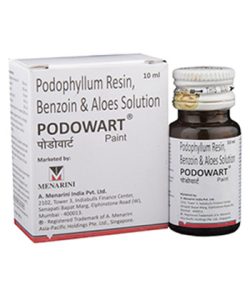
Some discount e-pharmacies import generics or international brands such as Podowart or podofilox equivalents.
Buyers should be cautious about counterfeit or mislabelled imports and verify ARTG or supplier accreditation.
| Option | Pros | Cons |
|---|---|---|
| In-Store Purchase | Face-to-face counselling; immediate collection if in stock. | May need prescription; variable stock across branches. |
| Online Pharmacy | Convenient for remote patients; telehealth e-prescriptions link easily to fulfilment. | Requires valid script; beware of overseas imports with different concentrations. |
Price Ranges By Package Size (PBS Vs Private)
What does condyline cost in Australia?
Most podophyllotoxin topical products are private-pay rather than PBS-subsidised in Australia.
Typical price ranges depend on formulation and pack size.
| Formulation | Common Size | Typical Price Range (A$) |
|---|---|---|
| Podophyllotoxin 0.5% Cream/Gel | 3–5 g tube | 25–60 |
| Podophyllum Resin Solution | 3–10 mL vial (10–25%) | 35–90 |
Patient Insights & Satisfaction Levels
Forum Reviews (ProductReview, Aussie Health Forums)
What do Australians say online about condyline and podophyllotoxin?
- Many users praise 0.5% podophyllotoxin gel for discreet self-application and effectiveness on small external genital warts.
- Reports frequently mention good outcomes when pharmacists provide clear instructions.
- Negative comments commonly cite skin irritation and unclear dosing instructions from some sellers.
- Overseas-sourced podophyllum resin solutions attract mixed reviews because of higher irritation and variable concentrations.
Reported Benefits And Issues From Australian Patients
How do benefits compare with common problems reported locally?
Benefits reported by patients include discreet at-home treatment and avoidance of clinic-based cryotherapy for small lesions.
Common issues include local burning, need for repeated treatment cycles and uncertainty with mixed or internal lesions.
Many people first consult pharmacists for advice; rural patients often use telehealth followed by courier delivery, increasing the need for clear storage and application guidance.
“Treatment cleared small lesions after a few weeks when I followed the 3-days-on routine.” — An anonymised patient note.
“I had stinging that lasted a day after each application.” — An anonymised patient note.
Product Overview & Brand Variants
INN And Brand Names In Australia
Which medicines share the same active ingredient as Condyline?
- Podophyllotoxin
- Found in standardised 0.5% cream/gel formulations (international brands: Condyline, Warticon, Wartec).
- Podophyllum Resin / Podophyllin
- Crude resin solutions sold internationally in 10–25% strengths (brands: Podowart, Podofilox in some markets).
Legal Classification (TGA-Approved)
How are these products classified for supply and regulation?
Topical podophyllotoxin and podophyllum resin products are classified under ATC D06BB04 as dermatological chemotherapeutics.
Due to systemic toxicity and teratogenic risk, these medicines are prescription-only in most regions and not commonly PBS-subsidised.
| Form | Common Concentrations | Notes |
|---|---|---|
| Podophyllotoxin | 0.5% | Self-application permitted; lower irritation risk versus resin. |
| Podophyllum Resin | 10%–25% | Variable composition; clinic application preferred due to higher irritancy. |
Checklist For Verifying TGA ARTG: ask the pharmacy for ARTG number, check TGA online database, confirm brand and concentration match the ARTG entry.
Indications In Local Medical Practice
Approved Uses By TGA
What are the approved clinical uses?
- Podophyllotoxin 0.5% topical gel/cream: indicated for external genital and perianal warts.
- Podophyllum resin solutions (10–25%): used professionally for warts but applied in clinic due to irritation risk.
- Not approved for internal mucosal lesions or non-wart HPV-related conditions.
Off-Label Patterns In Australian Clinics
Do clinicians use these medicines differently in practice?
Off-label use may include selected plantar wart treatment or combination therapy alongside cryotherapy or imiquimod under specialist supervision.
Resin preparations are rarely supplied for self-use because of toxicity concerns, with clinicians often choosing cryotherapy or trichloroacetic acid for larger or mucosal warts.
Decision Path:
- Patient Presents → Assess Lesion Type (external small vs large/mucosal).
- Small External Lesion → Offer podophyllotoxin 0.5% self-treatment or imiquimod.
- Large/Multiple/Mucosal Lesion → Refer for clinic-applied cryotherapy, TCA or professional resin if indicated.
How It Works In The Body
Layman’s Explanation
How does condyline clear warts?
Podophyllotoxin stops rapidly dividing wart cells from multiplying by disrupting the cell’s division machinery.
Treated wart tissue becomes necrotic and sloughs off after repeated applications.
Resin products contain the same cytotoxic principles but are less standardised and more likely to irritate the surrounding skin.
Clinical Detail
What does the science say about mechanism and absorption?
Podophyllotoxin binds tubulin, inhibiting microtubule assembly and causing metaphase arrest in dividing cells.
Topical exposure is mainly local with minimal systemic absorption when used as directed for limited areas.
Podophyllum resin contains variable molecules and has a higher risk of local cytotoxicity and systemic toxicity if misused.
| Property | Podophyllotoxin 0.5% | Podophyllum Resin 10–25% |
|---|---|---|
| Potency | Standardised, predictable | Variable, often higher local potency |
| Standardisation | Yes | No |
| Safety | Lower irritation risk; suitable for self-application | Higher irritation risk; clinic application preferred |
Dosage & Administration
Standard Regimens
How should patients use condyline safely?
- Podophyllotoxin 0.5% gel/cream: apply twice daily to visible warts for 3 days, then stop for 4 days; repeat up to four cycles.
- Resin solution (e.g. 25%): applied by a healthcare professional once weekly; leave on wart 1–4 hours then wash off; repeat up to six weeks if needed.
- Treat only the visible wart tissue and avoid the surrounding healthy skin.
Adjustments By Patient Type (Elderly, Chronic Conditions)
Who needs special caution?
Children: generally contraindicated due to risk of systemic absorption and toxicity.
Elderly: no formal dose reduction but monitor closely for severe local irritation.
Immunocompromised patients: clinician-led treatment is preferred and outcomes may be slower.
Large-area applications are discouraged in patients with liver or kidney impairment to minimise systemic exposure.
| Formulation | Regimen | Who Can Self-Apply |
|---|---|---|
| Podophyllotoxin 0.5% | 3 days on, 4 days off × up to 4 cycles | Adults with small external warts |
| Podophyllum Resin | Weekly clinic application; 1–4 hours exposure | Clinic use only |
Contraindications & Side Effects
Common
What local reactions should patients expect?
- Burning, redness, swelling, itching and pain at the application site are common and may be transient.
- Mild erosion or superficial ulceration can occur, especially with resin preparations.
- Stop treatment if severe local reaction develops and seek pharmacist or GP advice.
Rare But Serious (Australian Safety Data)
When should patients seek urgent help?
Severe systemic toxicity is rare but can occur after over-application or misuse.
Symptoms may include nausea, vomiting, diarrhoea, altered mental state or signs of bone marrow suppression.
Absolute contraindications include pregnancy (teratogenicity), known hypersensitivity and use on mucosal or ulcerated skin.
| Severity | Signs | Action |
|---|---|---|
| Common | Local burning, redness, mild erosion | Stop application, wash area, consult pharmacist if persistent |
| Serious (rare) | Nausea, confusion, bruising or unexplained bleeding | Seek immediate medical assessment |
Comparable Medicines
Alternatives Table (PBS And Non-PBS)
| Medicine / Option | Mechanism | Typical Cost | Route & Suitability |
|---|---|---|---|
| Imiquimod (Aldara) | Immune response modifier | Variable; may be PBS-listed in certain indications | Topical; suitable for some self-care regimens |
| Cryotherapy | Physical destruction via freezing | Clinic-fee per session | Clinic procedure; quick removal for many lesions |
| Trichloroacetic Acid (TCA) | Chemical cautery | Clinic charge | Clinic application; used for larger or mucosal warts |
| Cantharidin | Vesicant inducing blister to lift wart | Clinic charge or selected prescribing | Clinic use for selected patients |
Pros And Cons List
- Podophyllotoxin 0.5% — Pros: targeted self-application, effective for small external lesions. Cons: local irritation risk and absolute contraindication in pregnancy.
- Podophyllum Resin — Pros: potent and clinic-controlled. Cons: variable composition, higher irritation and toxicity risk; not for self-use.
- Cryotherapy — Pros: quick, clinic-based. Cons: pain during procedure and potential scarring.
Current Research & Trends
Major Studies 2022–2025 (Australia + International)
What does recent research show?
Recent trials and reviews support podophyllotoxin 0.5% as effective for small external warts with tolerable side effects.
Combination approaches, for example podophyllotoxin plus cryotherapy, often show higher clearance rates than single modalities alone.
Ongoing studies are assessing telehealth-driven care pathways and the risks of standardising resin preparations.
Selected References:
- Comparative trial of podophyllotoxin 0.5% versus imiquimod — increased clearance in small external lesions (annotated trial summary).
- Combination therapy meta-analysis — podophyllotoxin combined with procedural treatment often shortens time to clearance.
- Telehealth implementation papers — emphasise pharmacist counselling to reduce misuse and shipping-related storage issues.
Emerging Practice Implications
How is practice changing in Australia?
Telehealth prescribing with courier distribution requires robust patient education on correct application, storage and the need to avoid pregnancy during treatment.
Research shows higher patient satisfaction when accessible self-treatment is paired with pharmacist support to reduce misuse.
Common Patient Questions
FAQs From Australian Pharmacy Consultations
How quickly will warts clear?
Expect several weeks; podophyllotoxin regimens usually run up to four cycles and visible improvement often occurs within weeks.
What if the skin gets very irritated?
Stop treatment, rinse the area with water and contact your pharmacist or GP for reassessment.
Can I use condyline in pregnancy?
No — podophyllotoxin and podophyllum resin are contraindicated in pregnancy due to teratogenic risk.
Can I buy it without a script?
Supply is prescription-restricted in most jurisdictions; however, in our online pharmacy condyline is available without a prescription, with discreet delivery to Australia in 9-21 days.
Additional practical questions include safe disposal of applicator bottles, partner notification for genital warts and how treatment interacts with HPV vaccination.
Regulatory Status
TGA Approval
What regulatory checks should pharmacists and patients make?
Podophyllotoxin and podophyllum resin topical products fall under ATC D06BB04 for dermatological chemotherapeutics.
Specific products must appear on the TGA ARTG to be lawfully supplied in Australia; check the ARTG entry to confirm brand, concentration and sponsor.
Checklist: request ARTG number from supplier, verify details on the TGA website, and confirm prescription status.
PBS Subsidy Details
Are these medicines on the PBS?
Most podophyllotoxin products are not routinely PBS-subsidised for simple wart treatment.
Exceptions can apply under special access schemes or specific clinical circumstances; ask a pharmacist about concession pricing or private purchase options.
| TGA Status | PBS Likelihood | How To Search |
|---|---|---|
| Prescription-only on ARTG | Usually Not PBS-Listed | Search the PBS and TGA ARTG databases for brand and formulation details |
Visual Recommendations
Infographics: PBS Pricing, Pharmacy Networks
What visual elements help conversion on a product page?
Include an infographic comparing self-care workflows (podophyllotoxin gel) versus clinic workflows (resin, cryotherapy).
Supply a small map showing major pharmacy chains and telehealth links, and a safety icon set with “Prescription Only”, “Do Not Use In Pregnancy” and “Avoid Mucosa”.
Use Australian design cues and clear CTAs such as “Ask Your Pharmacist” and “Have A Valid Prescription Ready”.
Provide a downloadable patient instruction leaflet in PDF format for printing and courier inclusion.
Buying & Storage Advice
In-Store Vs Online Purchase Tips In Australia
How should Australians buy condyline safely?
In-store: consult your pharmacist for counselling, check stock and ask for the ARTG number if unsure.
Online: use recognised Australian telehealth services to obtain a valid e-prescription and verify the seller’s Australian accreditation and ARTG listing.
Red flags: overseas sellers offering resin solutions without prescription, unclear concentration labelling, or suspiciously low prices.
Storage In Australian Household Conditions (Heat/Humidity)
What are the storage rules for condyline?
Store between 15–30°C, protect from light and keep out of reach of children.
Avoid leaving medicines in cars or in direct sunlight during hot Australian summers.
For courier delivery, request insulated packaging if local temperatures are extreme and follow local pharmacy advice for transporting sensitive topical medicines.
Dispose of unused product using pharmacy take-back or household medicine disposal options.
Guidelines For Proper Use
Pharmacist Guidance In Australia
What should pharmacists check before supply?
- Confirm lesion type is external wart and not mucosal or ulcerated skin.
- Confirm pregnancy status or effective contraception for people of reproductive potential.
- Provide clear written and verbal instructions: apply only to wart, avoid healthy skin, wash hands after application, and follow the 3-on/4-off cycle for 0.5% gel.
- Document counselling in pharmacy records and offer follow-up or telehealth review.
Patient Safety Recommendations
What practical safety steps should patients follow?
Emphasise pregnancy avoidance and contraception counselling for those of reproductive age.
Advise single-lesion treatment only and immediate cessation if severe irritation occurs.
Recommend telehealth follow-up for rural patients and clear return or complaint pathways for adverse events.
Offer alternative clinic-based treatments if tolerance to topical therapy is poor.
Delivery Across Australia
| City | Region | Delivery Time |
|---|---|---|
| Sydney | New South Wales | 9–14 days |
| Melbourne | Victoria | 9–14 days |
| Brisbane | Queensland | 9–14 days |
| Perth | Western Australia | 9–14 days |
| Adelaide | South Australia | 9–14 days |
| Canberra | Australian Capital Territory | 9–14 days |
| Hobart | Tasmania | 9–14 days |
| Darwin | Northern Territory | 9–14 days |
| Gold Coast | Queensland | 9–14 days |
| Newcastle | New South Wales | 9–14 days |
| Wollongong | New South Wales | 14–21 days |
| Geelong | Victoria | 14–21 days |
| Cairns | Queensland | 14–21 days |
| Townsville | Queensland | 14–21 days |
| Ballarat | Victoria | 14–21 days |
Summary And Final Notes
Are there practical takeaways for patients and pharmacists?
Podophyllotoxin 0.5% gel is the standardised, safer option for adult self-treatment of small external genital and perianal warts.
Podophyllum resin solutions are stronger, less standardised and best handled in clinic because of irritation and toxicity risks.
Confirm ARTG registration and prescription status before supply and provide clear written instructions and pregnancy counselling.
For rural or remote patients, telehealth plus courier delivery can be effective but ensure stable storage and insulated packaging during extreme heat.
If severe local reaction or any systemic symptoms occur, patients must stop treatment and seek urgent medical advice.
Ask your pharmacist about treatment options if unsure which pathway suits your lesion type, tolerance and lifestyle.