Cefuroxime
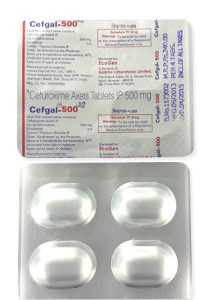
In brief
- In our pharmacy, you can buy cefuroxime without a prescription, with delivery available across Australia and discreet packaging.
- Cefuroxime is used to treat bacterial infections such as tonsillitis, sinusitis, otitis media, lower respiratory tract infections, skin/soft tissue infections, early Lyme disease, uncomplicated gonorrhoea and severe infections including meningitis; it is a second‑generation cephalosporin that is bactericidal by inhibiting bacterial cell‑wall synthesis via binding to penicillin‑binding proteins and has activity against a range of Gram‑positive and Gram‑negative organisms.
- Usual adult doses vary by indication: most common 250–500 mg orally twice daily; Lyme disease 500 mg twice daily; uncomplicated gonorrhoea 1.5 g IM single dose; severe infections IV 750 mg–1.5 g every 8 hours. Paediatric dosing typically 10–15 mg/kg twice daily; adjust for renal impairment.
- Forms of administration include oral film‑coated tablets (125, 250, 500 mg), oral suspension (125/5 ml, 250/5 ml), powder for injection for IV/IM use (750 mg, 1.5 g) and intracameral eye injection formulations.
- Onset: bactericidal activity begins shortly after therapeutic blood levels are reached — within minutes after IV administration and typically within 1–3 hours after oral dosing; clinical symptom improvement is often seen within 24–72 hours.
- Duration of action: plasma half‑life is about 1–1.5 hours; effective dosing coverage is generally 8–12 hours, which is why oral dosing is commonly twice daily and IV dosing may be given every 8 hours for severe infections.
- Do not consume alcohol while taking cefuroxime; although interactions are uncommon, avoiding alcohol is advised during antibiotic therapy.
- Most common side effec: diarrhoea (other common effects include nausea, abdominal pain and rash).
- Would you like to try cefuroxime without a prescription?
Availability & Price Landscape
Basic Cefuroxime Information
- INN (International Nonproprietary Name): Cefuroxime; Latin: Cefuroximum.
- Brand Names Available In Australia: not specified.
- ATC Code: J01DC02 (second‑generation cephalosporin); S01AA27 for ophthalmic use.
- Forms & Dosages: Tablets (125 mg, 250 mg, 500 mg); oral suspension (125 mg/5 ml, 250 mg/5 ml reconstituted); powder for injection vials (750 mg, 1.5 g); eye injection (1 mg/0.1 ml intracameral).
- Manufacturers In Australia: not specified.
- Registration Status In Australia: not specified.
- OTC / Rx Classification: Prescription‑only (Rx) in nearly all markets; not available as OTC.
Where can Australians buy cefuroxime and how much should they expect to pay?
Cefuroxime is a prescription antibiotic most commonly dispensed through national chains such as Chemist Warehouse, Priceline and TerryWhite Chemmart, and by independent community pharmacies.
Many patients shop discount chains and online specials to find better value on cefuroxime axetil tablets and suspensions.
Telehealth e‑prescriptions often route directly to a chosen pharmacy for click‑and‑collect or home delivery, speeding access for patients after a GP consult.
Stock levels vary by formulation, with oral cefuroxime axetil tablets (125 mg, 250 mg, 500 mg) and reconstitutable suspensions more commonly available than specialised injectables such as cefuroxime sodium vials or intracameral eye preparations.
Pricing depends on PBS listing and brand; when unsubsidised patients compare local generics like Pharmacor cefuroxime 250 mg or 500 mg and imported brands such as Zinnat for cost.
Rural patients should expect possible delays or higher freight costs compared with metropolitan purchasers, although discount pharmacies aim to reduce out‑of‑pocket expense.
Pharmacists routinely substitute bioequivalent generics where permitted to lower cost without compromising therapy.
Patient Insights & Satisfaction Levels
Forum Reviews (ProductReview, Aussie Health Forums)
Reported Benefits And Issues From Australian Patients
Are people in Australia happy with cefuroxime for common infections?
Forum reports and product reviews focus on efficacy, tolerability and dosing convenience for adults and children.
Many users report quick symptom relief for sinusitis and otitis when therapy starts within 48–72 hours of symptoms appearing.
Parents commonly prefer cefuroxime axetil oral suspension because children accept the liquid more readily than some alternatives.
Common tolerability complaints include gastrointestinal upset such as diarrhoea and nausea, and occasional rash consistent with known side effects.
Supply frustrations appear when pharmacies don’t stock a preferred brand or when a suspension needs compounding at the counter.
Rural posters frequently praise telehealth scripts for speed but say price sensitivity drives them to generics like Pharmacor Cefuroxime or chain discounts.
Serious adverse events are rare in consumer reports, and many emphasise immediate medical review for any signs of anaphylaxis.
- Top 5 Reported Benefits: rapid symptom relief, child‑friendly suspension, straightforward twice‑daily dosing, availability of generic tablets, and clear pharmacist counselling.
- Top 5 Reported Concerns: diarrhoea, nausea, brand unavailability, need for refrigeration of suspension, and price when not PBS‑subsidised.
Product Overview & Brand Variants
INN And Brand Names In Australia
Legal Classification (TGA‑Approved)
Wondering which brand names you might see at the pharmacy counter?
The International Nonproprietary Name is cefuroxime and it is commonly supplied as cefuroxime axetil for oral use and cefuroxime sodium for injectables.
Globally recognised brands include Zinnat (tablets and oral suspension) and Zinacef (injection vials), with numerous generics available from several manufacturers.
Australian brand availability varies by supplier and can change, so local pharmacies typically stock TGA‑approved generics alongside any registered brand names.
Cefuroxime products are regulated by the Therapeutic Goods Administration and are prescription‑only in Australia.
Typical Australian presentations aligned with international practice include 125 mg, 250 mg and 500 mg film‑coated tablets, reconstitutable suspensions (125 mg/5 ml and 250 mg/5 ml), and powder for injection vials (750 mg and 1.5 g).
Ophthalmic intracameral formulations (1 mg/0.1 ml) are used in surgical settings for endophthalmitis prophylaxis.
Pharmacists can advise on registered brands and any therapeutic substitutions permitted under local rules.
Indications In Local Medical Practice
Approved Uses By TGA
Off‑Label Patterns In Australian Clinics
What infections is cefuroxime used for in everyday GP and hospital practice?
Cefuroxime is used for common community infections such as tonsillitis, pharyngitis, sinusitis, otitis media, uncomplicated lower respiratory infections and skin and soft tissue infections.
Typical oral dosing aligns with international practice: 250 mg twice daily for many ENT infections and 250–500 mg twice daily for otitis and lower respiratory tract infections.
TGA product specifics mirror these accepted uses but prescribers should check product‑level approvals when selecting a brand.
Routine off‑label uses in Australia include oral step‑down therapy after intravenous cefuroxime sodium in hospitalised patients and select Lyme disease regimens at 500 mg twice daily.
Some clinicians administer a single 1.5 g IM dose for uncomplicated gonorrhoea where local guidance supports it.
Prescribers must account for renal function and allergy history when selecting cefuroxime or alternatives.
How It Works In The Body
Layman’s Explanation
Clinical Detail
How does cefuroxime actually stop an infection?
Cefuroxime is a second‑generation cephalosporin antibiotic that weakens bacterial cell walls so bacteria cannot survive.
It is active against many Gram‑positive and Gram‑negative organisms and has some resistance to beta‑lactamase enzymes compared with earlier penicillins.
Clinically, cefuroxime binds to penicillin‑binding proteins and inhibits peptidoglycan cross‑linking, compromising cell wall integrity.
Oral cefuroxime axetil is a prodrug that is absorbed in the gut and converted to active cefuroxime after absorption.
Antacids and aluminium‑containing preparations can reduce absorption, so separate dosing by at least two hours when possible.
Pharmacokinetics show good tissue penetration in respiratory tract and skin, with predominant renal excretion requiring dose adjustment in impaired kidney function.
Drug interactions of note include increased plasma levels with probenecid due to reduced renal tubular secretion.
Dosage & Administration
Standard Regimens
Adjustments By Patient Type (Elderly, Chronic Conditions)
What dose should a patient take, and how should it be given?
Common adult oral regimens include 250 mg twice daily for tonsillitis, pharyngitis and uncomplicated infections for 5–10 days.
Otitis media and lower respiratory infections are typically treated with 250–500 mg twice daily for 7–10 days.
Early Lyme disease dosing is commonly 500 mg twice daily for 14–21 days.
Severe infections or meningitis require intravenous cefuroxime sodium at 750 mg to 1.5 g every eight hours per clinical indication.
Paediatric dosing generally runs 10–15 mg/kg twice daily with formulations in 125 mg/5 ml or 250 mg/5 ml suspension strengths for ease of dosing.
Renal impairment requires dose reduction; for example, consider a half‑dose when creatinine clearance is below 30 mL/min and use eGFR calculators to individualise therapy.
Elderly patients do not need age‑based reductions unless renal function is impaired.
Administration tips: take oral cefuroxime axetil after food to maximise absorption and avoid simultaneous antacid use.
Contraindications & Side Effects
Common
Rare But Serious (Australian Safety Data)
Who should avoid cefuroxime and what side effects should patients expect?
Absolute contraindication is known allergy to cefuroxime or other cephalosporins and history of immediate‑type beta‑lactam hypersensitivity such as anaphylaxis.
Common side effects include gastrointestinal symptoms like diarrhoea, nausea and abdominal pain, plus skin rashes and urticaria.
Other frequent effects are headache and dizziness, and transient liver enzyme elevations or asymptomatic positive Coombs tests in rare cases.
Serious but rare events include anaphylaxis, Clostridioides difficile–associated diarrhoea, aseptic meningitis and haemolytic anaemia.
In renal impairment drug accumulation increases the risk of central nervous system effects including seizures, so dosing must be adjusted.
Pharmacists and prescribers should report serious adverse reactions to the TGA Adverse Event Monitoring System and advise patients to seek emergency care for breathing difficulty, facial swelling or severe rash.
- Red‑Flag Symptoms: sudden breathing difficulty, facial or throat swelling, severe widespread rash, persistent high‑volume diarrhoea.
Comparable Medicines
Alternatives Table (PBS And Non‑PBS)
Pros And Cons List
Is cefuroxime the best choice for a specific infection or are there alternatives?
Key alternatives in community practice include amoxicillin–clavulanate, cefixime and cefaclor, each with different spectra and tolerability profiles.
Amoxicillin–clavulanate offers broader beta‑lactamase coverage but is associated with more gastrointestinal side effects.
Cefixime is a third‑generation cephalosporin useful in certain indications like gonorrhoea but has relatively less streptococcal activity compared with cefuroxime.
Cefaclor is another second‑generation option but is less commonly used in contemporary practice.
On the PBS some penicillins and cephalosporins are subsidised, but cefuroxime subsidy varies by specific formulation and brand; pharmacists should check the PBS schedule at dispensing.
Pros of cefuroxime are reliable activity against common respiratory pathogens, availability in oral and parenteral forms and generally good tolerability.
Cons include not always being first‑line for every indication, potential cross‑reactivity in severe penicillin allergy and variable PBS subsidy causing out‑of‑pocket costs.
Current Research & Trends
Major Studies 2022–2025 (Australia + International)
What recent evidence is affecting how cefuroxime is used?
Recent literature from 2022 to 2025 centres on optimising outpatient antibiotic choice, IV‑to‑oral step‑down strategies and antimicrobial stewardship to preserve cephalosporin efficacy.
Comparative trials have evaluated oral step‑down where IV cefuroxime sodium is followed by oral cefuroxime axetil, supporting safe de‑escalation in selected patients.
Stewardship programmes in primary care and ED settings aim to reduce unnecessary broad‑spectrum use while maintaining clinical outcomes.
Surveillance reports continue to track resistance trends in respiratory pathogens and emphasise the need to consult local susceptibility data when prescribing.
Australian research highlights telehealth prescribing safeguards, rural access to injectable formulations and stewardship integration across care settings.
Ophthalmic intracameral cefuroxime remains standard practice for endophthalmitis prophylaxis in cataract surgery.
Common Patient Questions
What do Australians ask most often at the pharmacy about cefuroxime?
Q: Is cefuroxime on the PBS?
A: PBS coverage depends on formulation and current listings; check the PBS Schedule or ask your pharmacist, as many patients pay privately for specific generics or branded packs.
Q: Can I drink alcohol while taking cefuroxime?
A: There is no specific major disulfiram‑like reaction typical for cefuroxime, but avoid alcohol while unwell and until treatment finishes.
Q: What if I missed a dose?
A: Take as soon as remembered unless close to the next dose; do not double up to make up a missed dose.
Q: How long until I feel better?
A: Symptoms often improve within 48–72 hours; if there’s no improvement contact your prescriber for review.
Q: Can I take cefuroxime with antacids?
A: Antacids can reduce absorption of cefuroxime axetil so separate dosing by at least two hours where possible.
Q: Is cefuroxime safe in pregnancy and breastfeeding?
A: Cefuroxime is generally considered when clearly indicated, but discuss risks and benefits with your prescriber for individualised advice.
Regulatory Status
TGA Approval
PBS Subsidy Details
Is cefuroxime regulated for use in Australia and does Medicare subsidise it?
Cefuroxime products must be registered with the Therapeutic Goods Administration for supply in Australia, specifying approved indications, formulations and labelling.
While many global brands exist, Australian pharmacists commonly dispense TGA‑approved generics under registered names.
Whether a cefuroxime formulation is subsidised on the PBS depends on the specific strength, formulation and clinical indication and can change with PBS updates.
Hospital injectable cefuroxime is often procured separately through hospital supply contracts rather than community PBS channels.
Pharmacists should check the PBS Schedule at the time of dispensing and advise patients about possible private price charges if a product is not listed or brand substitution rules apply.
Adverse events are reportable to the TGA and include providing batch and product details when lodging a report.
Visual Recommendations
What visuals help patients and staff understand cefuroxime quickly?
Infographics that show PBS versus private pricing pathways make cost expectations transparent for patients.
A simple flowchart indicating when to call the pharmacist versus see a GP helps triage respiratory and ear infection concerns.
Include a shelf‑life visual: tablets at room temperature, reconstituted suspension refrigerated and discarded after ten days, and injection vials stored below 25°C.
A comparison table for formulations is useful for quick dispensing decisions: tablets (125/250/500 mg), suspensions (125/250 mg per 5 ml), vials (750 mg/1.5 g) and intracameral 1 mg/0.1 ml.
Callout boxes for red flags such as anaphylaxis and possible C. difficile symptoms improve safety messaging.
Buying & Storage Advice
In‑Store Vs Online Purchase Tips In Australia
Storage In Australian Household Conditions (Heat/Humidity)
Where should Australians buy cefuroxime and how should they store it at home?
Always obtain cefuroxime on a prescription unless local arrangements say otherwise; choose between in‑store pick‑up for immediate counselling or reputable online pharmacies for convenience and potential savings.
In our online pharmacy, cefuroxime is available without a prescription, with discreet delivery to Australia in 9‑21 days.
For telehealth scripts, pick a pharmacy that offers secure e‑prescription fulfilment and confirm the product is TGA‑registered.
Tablets should be stored at 15–25°C in a dry place away from humid bathrooms and direct sunlight, especially during hot Australian summers.
Keep reconstituted oral suspension refrigerated and discard after ten days.
Injection vials should be stored below 25°C and protected from light with reconstituted solutions used promptly per clinical protocol.
Advise patients in humid climates to keep tablets in original blister packs and avoid storing medicines in cars or near heaters.
Guidelines For Proper Use
Pharmacist Guidance In Australia
Patient Safety Recommendations
What should pharmacists tell patients to get the best outcome from cefuroxime?
Verify the indication, allergy history and renal function before dispensing and counsel on taking oral cefuroxime axetil after food for better absorption.
Advise on interactions such as separating antacid dosing and noting that probenecid increases cefuroxime levels.
Provide a written twice‑daily dosing schedule, clear missed‑dose instructions and a reminder to complete the prescribed course unless told otherwise by the prescriber.
For parents, demonstrate accurate measurement of reconstituted suspension with an oral syringe and explain refrigeration and the ten‑day discard rule.
Warn patients about severe allergic reactions and instruct them to stop therapy and seek emergency care if they develop breathing difficulty or facial swelling.
Document counselling in the pharmacy record and liaise with prescribers on renal adjustments or alternative therapy for patients with severe penicillin allergies.
Delivery Across Australia
| City | Region | Delivery Time |
|---|---|---|
| Sydney | New South Wales | 9-14 days |
| Melbourne | Victoria | 9-14 days |
| Brisbane | Queensland | 9-14 days |
| Perth | Western Australia | 9-14 days |
| Adelaide | South Australia | 9-14 days |
| Canberra | Australian Capital Territory | 9-14 days |
| Hobart | Tasmania | 9-14 days |
| Darwin | Northern Territory | 9-14 days |
| Gold Coast | Queensland | 9-14 days |
| Newcastle | New South Wales | 9-14 days |
| Wollongong | New South Wales | 9-14 days |
| Geelong | Victoria | 9-14 days |
| Townsville | Queensland | 14-21 days |
| Cairns | Queensland | 14-21 days |
Use this table to set realistic delivery expectations when ordering online or arranging pharmacy home delivery.
Major urban centres will usually receive stock faster than more remote regional towns.
Final Notes
Is there anything else a patient needs to know before starting cefuroxime?
Cefuroxime is useful for many common bacterial infections but has no effect on viruses, so confirm the indication with a prescriber.
Keep all antibiotics out of reach of children and dispose of unused medicine responsibly at a pharmacy return point.
Contact your pharmacist if you are unsure about dosing, interactions with current medications, or if symptoms worsen or fail to improve within 72 hours.
For reference at the pharmacy counter, typical formulations you will see include cefuroxime axetil tablets and cefuroxime sodium vials, and pharmacists can advise on prices, substitutions and PBS status at the time of dispensing.