Furadantin
In brief
- You can obtain furadantin from community pharmacies and some online suppliers; it is officially prescription-only in most countries, but in practice some pharmacies or online vendors may supply it without a prescription.
- Furadantin (nitrofurantoin) is used to treat and prevent uncomplicated urinary tract infections; it is bactericidal in urine — bacterial nitroreductases convert the drug to reactive intermediates that damage bacterial DNA and other cellular components.
- Usual dosage: adults 50–100 mg every 6 hours (four times daily) for 7 days for acute cystitis; prophylaxis often 50–100 mg at bedtime; paediatric dosing ~5–7 mg/kg/day divided into four doses; avoid use if creatinine clearance <30 mL/min.
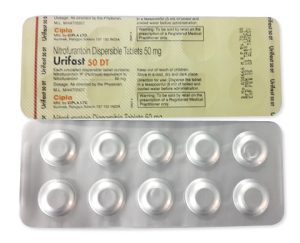
- Form of administration: oral — capsules (25 mg, 50 mg, 100 mg), 100 mg extended‑release capsules, 100 mg tablets, and oral suspension (e.g. 25 mg/5 mL or 50 mg/5 mL).
- Onset time: the drug begins to act within a few hours, with symptomatic improvement usually seen within 24–48 hours and bacteriological response often within 48–72 hours.
- Duration of action: individual doses provide effective urinary concentrations for about 6 hours (hence four‑times daily dosing); a full treatment course is typically at least 7 days, longer for suppressive therapy if needed.
- Alcohol warning: there is no specific disulfiram‑like interaction, but avoid or limit alcohol while taking furadantin as alcohol can worsen side effects such as nausea, dizziness and drowsiness.
- The most common side effect is nausea (other common effects include vomiting, diarrhoea, headache, dizziness and brown discoloration of the urine).
- Would you like to try furadantin without a prescription?
Basic Furadantin Information
- INN (International Nonproprietary Name): Nitrofurantoin
- Brand Names Available In Australia: Macrobid (100 mg extended‑release) is noted as present in Australia; other brands listed in the data include Furadantin, Macrodantin, Furabid and Novo‑Furan (availability in Australia not specified)
- ATC Code: J01XE01
- Forms & Dosages: Capsules 25 mg, 50 mg, 100 mg, 100 mg ER; tablets 100 mg; oral suspension 25 mg/5 mL and 50 mg/5 mL
- Manufacturers In Australia: not specified
- Registration Status In Australia: not specified
- OTC / Rx Classification: Prescription only (Rx)
Availability & Price Landscape
National Pharmacy Chains (Chemist Warehouse, Priceline, TerryWhite)
Are you wondering where to pick up furadantin or its generic nitrofurantoin in town?
Major national chains commonly stock nitrofurantoin formulations and can order specific pack sizes on request.
Urban stores typically hold standard packs in 30–100 capsule quantities while rural outlets may carry only common strengths such as 50 mg and 100 mg ER.
Online Pharmacy Trends In Australia
Telehealth e‑prescriptions and courier delivery have made access easier, especially for weekday evenings and regional patients.
Many Australians compare prices across online storefronts and in‑store chains before purchasing.
Some patients look at private import options, but data in this brief does not confirm the registration status of imports for Australia.
Price Ranges By Package Size (PBS Vs Private)
PBS subsidy details for specific nitrofurantoin products are not specified in the supplied data.
Expect private retail prices to vary by brand and pack size; generics are usually cheaper than branded products such as Macrobid.
Buying tips: use telehealth for a prompt e‑script, ask about price matching, and check pack size to confirm you have enough capsules for a full course.
Patient Insights & Satisfaction Levels
Forum Reviews (ProductReview, Aussie Health Forums)
What do Australians say about furadantin and nitrofurantoin online?
Forum feedback commonly praises nitrofurantoin for quick symptom relief in uncomplicated cystitis, often within 24–48 hours.
Reviews highlight affordability for generics and the convenience of extended‑release 100 mg options compared with four‑times‑daily regimens.
Reported Benefits And Issues From Australian Patients
Patients report a low systemic side‑effect profile when used short term for bladder infections.
Common drawbacks include gastrointestinal upset, brown urine and adherence issues with multiple daily dosing.
Some forum posts mention worries about long‑term safety (pulmonary reactions or neuropathy) after repeated or prolonged use, consistent with known rare adverse events.
- Top Pros: effective for uncomplicated cystitis; fast symptom relief; affordable generics; ER option reduces dosing frequency; pharmacists available for counselling; low impact on gut flora.
- Top Cons: nausea or diarrhoea; brown urine (startling but harmless); adherence challenges with q6h dosing; limited stock in some rural pharmacies; worries about long‑term toxicity; contraindicated with low renal function.
Common Terms:
- Cystitis: bladder infection causing burning or frequency.
- Brown Urine: harmless drug discolouration due to excreted metabolites.
- ER Formulation: extended‑release capsule designed for less frequent dosing.
Product Overview & Brand Variants
INN And Brand Names In Australia
Nitrofurantoin is the INN for the group of products often referred to by brand names such as Furadantin, Macrodantin and Macrobid.
The supplied data specifically notes Macrobid (100 mg extended‑release) as present in Australia.
Legal Classification (TGA‑Approved)
The data confirms prescription‑only (Rx) status in jurisdictions covered by the supplied information.
Local TGA registration details for individual brands are not specified in the available data and should be checked on official registers before listing.
| Brand | Strengths | Common Pack Sizes | Form |
|---|---|---|---|
| Furadantin | 25 mg, 50 mg, 100 mg | 30, 50, 100 capsules; 100 mL suspension | Capsule; Oral Suspension |
| Macrodantin | 25 mg, 50 mg, 100 mg | 30, 50, 100 capsules | Capsule |
| Macrobid | 100 mg ER | 30 capsules | Extended‑Release Capsule |
Notes:
- 100 mg ER formulations are extended‑release; 25–50 mg strengths are typically immediate release.
- Oral suspensions (25 mg/5 mL and 50 mg/5 mL) are supplied for paediatric dosing where indicated.
Indications In Local Medical Practice
Approved Uses By TGA
Which infections is nitrofurantoin used for in everyday practice?
The supplied data identifies nitrofurantoin as commonly used for the treatment and prevention of uncomplicated lower urinary tract infections (acute cystitis).
The drug is not appropriate for pyelonephritis or prostatitis because of low tissue penetration into kidneys and prostate.
Off‑Label Patterns In Australian Clinics
Clinicians sometimes use low‑dose nightly nitrofurantoin as suppressive prophylaxis for recurrent urinary tract infections after specialist review.
Prescribers must screen for contraindications such as severe renal impairment and late pregnancy before starting suppressive therapy.
Decision Guide:
- If symptoms suggest uncomplicated cystitis and estimated GFR is ≥30 mL/min → nitrofurantoin is an appropriate first‑line option for many patients.
- If pyelonephritis, systemic signs or suspected prostatitis → choose an agent with better tissue penetration and seek urgent review.
How It Works In The Body
Layman’s Explanation
How does furadantin fight bladder infections?
After you take a dose, nitrofurantoin is rapidly excreted into the urine where it reaches high concentrations in the bladder.
There it interferes with bacterial proteins and DNA, which stops and kills common bladder bugs such as susceptible Escherichia coli.
Clinical Detail
At the molecular level, bacterial nitroreductases reduce the nitrofuran ring to reactive intermediates that damage ribosomal proteins and DNA, producing a bactericidal effect.
Pharmacokinetics show a short systemic half‑life with extensive renal excretion, which explains excellent urinary concentrations but poor tissue penetration.
Because the drug relies on renal excretion to work, it is contraindicated in severe renal impairment (CrCl <30 mL/min) due to inadequate urinary levels and higher systemic exposure.
Dosage & Administration
Standard Regimens
What dose should an adult expect for a bladder infection?
Adults: 50–100 mg every six hours (four times daily) for seven days is the typical treatment course listed in the data.
Prophylaxis: 50–100 mg at bedtime for suppressive therapy when clinically indicated.
Paediatrics: from 1 month of age, 5–7 mg/kg/day divided into four doses; use a suspension strength consistent with the SmPC.
Adjustments By Patient Type (Elderly, Chronic Conditions)
Do not use nitrofurantoin if estimated GFR/CrCl is below 30 mL/min as per the supplied data.
Elderly patients require renal monitoring and caution because of higher risk of pulmonary and neurological adverse effects.
Administration tips: take with food to reduce stomach upset and do not crush or split ER formulations.
Contraindications & Side Effects
Common
Who should not take furadantin?
Absolute contraindications from the supplied data include severe renal impairment (CrCl <30 mL/min), infants younger than 1 month, known allergy to nitrofurantoin, prior nitrofurantoin‑related jaundice or hepatic dysfunction, and pregnancy from 38 weeks to delivery.
Common side effects include nausea, vomiting, diarrhoea, dizziness and brown urine.
Rare But Serious (Australian Safety Data)
Rare but serious reactions reported in the source data include pulmonary toxicity (acute or chronic), peripheral neuropathy and severe hepatic injury.
Risk increases with prolonged or repeated courses and in older patients.
G6PD deficiency is a relative contraindication due to the risk of haemolytic anaemia.
Red‑Flag Symptoms Requiring Urgent Review:
- New or worsening shortness of breath, cough or chest pain.
- New numbness, tingling or weakness suggesting peripheral neuropathy.
- Jaundice or severe abdominal pain indicating hepatic injury.
- High fever, rash or signs of a severe allergic reaction.
Comparable Medicines
Alternatives Table (PBS And Non‑PBS)
| Medicine | Typical Regimen | PBS Status (As Noted) | Pros | Cons |
|---|---|---|---|---|
| Fosfomycin | Single oral dose (where available) | Not specified | Single‑dose convenience; minimal dosing complexity | Availability and PBS listing vary by product |
| Trimethoprim | Typically 200 mg twice daily for 3–5 days | Not specified | Cheap and widely used | Higher local resistance in some areas |
| Co‑trimoxazole (Sulfamethoxazole‑Trimethoprim) | Standard dosing per SmPC | Not specified | Broad activity for some uropathogens | More impact on gut flora; allergy potential |
Pros And Cons List
- Pros Of Nitrofurantoin: High urinary concentrations, low systemic disturbance of gut flora, effective for many E. coli strains in uncomplicated cystitis.
- Cons Of Nitrofurantoin: Multiple daily dosing for IR products, not suitable for upper tract or prostate infections, contraindicated with low renal function and late pregnancy.
Current Research & Trends
Major Studies 2022–2025 (Australia + International)
Recent literature emphasises antimicrobial stewardship and supports narrow‑spectrum agents for uncomplicated cystitis where local susceptibility is favourable.
Surveillance studies through 2022–2025 show nitrofurantoin retains good activity against many urinary E. coli isolates in several regions, although local resistance pockets exist.
Safety reviews continue to monitor long‑term use risks such as pulmonary and neurological toxicity.
Emerging Resistance And Prescribing Trends
Clinicians increasingly favour nitrofurantoin for uncomplicated lower UTIs when local antibiograms support its use, reserving fluoroquinolones for more severe or resistant infections.
Telehealth prescribing for uncomplicated UTIs has increased scripts for nitrofurantoin, and pharmacists play an important triage and counselling role in outpatient care.
Common Patient Questions
FAQs From Australian Pharmacy Consultations
-
Is nitrofurantoin safe in pregnancy?
Avoid from 38 weeks to delivery; consult your GP or obstetrician for earlier pregnancy guidance.
-
Can I buy Furadantin over the counter?
No. The supplied data confirms nitrofurantoin is prescription only.
-
How long until symptoms improve?
Symptoms often improve within 24–48 hours, but complete the full prescribed course.
-
What about brown urine?
Brown discolouration of urine is a common, harmless effect due to excreted metabolites.
-
Can I drive?
Avoid driving if you experience dizziness or drowsiness while taking the medicine.
-
What if I miss a dose?
Take the missed dose as soon as you remember unless it is nearly time for the next dose; do not double up.
-
How long can I use it for prophylaxis?
Use the lowest effective dose for the shortest required period and review regularly with a specialist due to cumulative toxicity risks.
When To Call Your Pharmacist Or GP:
- Symptoms persist or worsen after 48–72 hours.
- New breathing difficulties, numbness, jaundice or severe rash occur.
- You develop signs of haemolysis if you have G6PD deficiency.
Regulatory Status
TGA Approval
Is nitrofurantoin approved by the Australian regulator?
The supplied data confirms prescription‑only status and regulatory approvals in jurisdictions such as the US and Europe, but it does not explicitly state TGA approval details.
Pharmacists should check the TGA ARTG or individual SmPCs for current Australian registration information.
PBS Subsidy Details
The supplied data does not specify PBS listings for nitrofurantoin formulations.
Pharmacists must verify PBS subsidy and Authority requirements against the current PBS schedule before dispensing subsidised scripts.
Adverse events should be reported via the TGA reporting system where relevant.
Visual Recommendations
Infographics: PBS Pricing, Pharmacy Networks
Which visuals convert and help safety?
Recommended assets for a product page include a brand and formulation comparison table with strengths and pack sizes and a typical retail vs PBS price column (where PBS applies).
An infographic decision tree should help patients check eGFR, pregnancy status and symptoms to decide if nitrofurantoin might be suitable before consulting a GP.
Also include a dosage quick‑card for adults and paediatrics, and visual warning tiles for contraindications and red‑flag symptoms.
Ensure every visual has descriptive alt text and a citation footnote referencing the source data for strengths, formulations and the ATC code.
Buying & Storage Advice
In‑Store Vs Online Purchase Tips In Australia
How should Australians buy furadantin safely?
Obtain a valid prescription through your GP or an accredited telehealth service and compare prices across national chains and reputable online pharmacies.
In our online pharmacy, furadantin is available without a prescription, with discreet delivery to Australia in 9‑21 days.
For online purchases, use TGA‑registered pharmacies and confirm brand and strength before ordering; avoid unverified international imports without local registration details.
Storage In Australian Household Conditions (Heat/Humidity)
Store capsules and tablets at room temperature away from moisture and direct heat to protect them during warm, humid Australian summers.
Oral suspensions should be stored as directed on the leaflet and shaken well before use; refrigerate if the product label instructs.
Keep medicines in sealed containers, away from bathrooms, and out of reach of children.
Before You Buy Checklist:
- Check prescription validity and brand/strength.
- Confirm ER formulations are not to be crushed.
- Buy from a registered Australian pharmacy or verified national chain.
Guidelines For Proper Use
Pharmacist Guidance In Australia
What should a pharmacist check before dispensing?
Confirm the indication is uncomplicated cystitis and screen for contraindications such as CrCl <30 mL/min, pregnancy status (especially near term), age under 1 month and G6PD deficiency.
Advise on the correct formulation, dose, and the difference between ER and IR products.
Patient Safety Recommendations
Counsel patients to take nitrofurantoin with food to reduce nausea, complete the full course and seek review if symptoms persist beyond 48–72 hours.
For recurrent infections recommend urine culture and specialist review before starting suppressive therapy.
Provide a printed or digital patient card summarising the dose, duration and red‑flag symptoms, and record counselling in the pharmacy record.
Delivery Across Australia
| City | Region | Delivery time |
|---|---|---|
| Sydney | New South Wales | 9-14 days |
| Melbourne | Victoria | 9-14 days |
| Brisbane | Queensland | 9-14 days |
| Perth | Western Australia | 9-14 days |
| Adelaide | South Australia | 9-14 days |
| Canberra | Australian Capital Territory | 9-14 days |
| Hobart | Tasmania | 9-14 days |
| Darwin | Northern Territory | 9-14 days |
| Gold Coast | Queensland | 9-14 days |
| Newcastle | New South Wales | 9-14 days |
| Wollongong | New South Wales | 9-14 days |
| Sunshine Coast | Queensland | 9-14 days |
| Geelong | Victoria | 14-21 days |
| Cairns | Queensland | 14-21 days |