Tamsil
In brief
- In our pharmacy you can buy tamsil without a prescription for topical preparations (cream/spray); however, oral tamsil (terbinafine 250 mg tablets) is prescription‑only — topical forms are commonly sold OTC in many pharmacies across Australia.
- Tamsil (terbinafine) is used to treat fungal skin infections and onychomycosis (nail fungus). It is fungicidal: it inhibits squalene epoxidase, disrupting ergosterol synthesis and damaging fungal cell membranes.
- Usual dosages: oral — 250 mg once daily for adults (commonly 6 weeks for fingernail, 12 weeks for toenail infections); topical — apply a 1% cream or spray thinly 1–2 times daily for 1–4 weeks depending on the infection.
- Forms of administration: oral tablet (250 mg) for systemic therapy, and topical cream or spray (1%) for local treatment.
- Onset time: topical preparations can start to relieve itching and redness within days; systemic (oral) terbinafine begins antifungal activity within days but clinical improvement in skin may take weeks and visible nail improvement can take months.
- Duration of action: terbinafine has a long terminal half‑life in tissue (around 16 days after repeated dosing); treatment duration varies — typically 1–4 weeks for topical therapy and 6–12 weeks for oral therapy for nail infections.
- Alcohol warning: avoid excessive alcohol while taking oral tamsil and seek monitoring of liver function — alcohol may increase risk of liver injury; consider minimising alcohol intake while on treatment.
- The most common side effect is gastrointestinal upset (nausea, diarrhoea, abdominal discomfort); other frequent effects include headache, rash and taste disturbances.
- Would you like to try tamsil without a prescription?
Basic Tamsil Information
- INN (International Nonproprietary Name): Terbinafine
- Brand Names Available In Australia: Lamisil and generics; common international brands include Lamisil®, generics sold under Terbinafine and other local trade names (packaging may show Novartis or generic supplier names)
- ATC Code: D01BA02
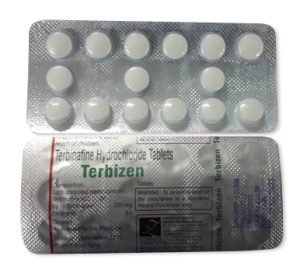
- Forms & Dosages: Oral Tablet 250 mg (packs 7, 14, 28, 30); Cream 1% (7 g, 15 g, 30 g tubes); Topical Spray 1% (15 ml, 30 ml)
- Manufacturers In Australia: Not specified as exclusive local manufacturers; suppliers and manufacturers listed in public registries include Novartis (original), Sandoz and generic suppliers such as Zentiva, Krka, Teva, Glenmark, Stada, Medochemie and Egis
- Registration Status In Australia: Terbinafine is registered and listed by national regulators; oral tablet classified as prescription-only while topical forms may be OTC in some markets
- OTC / Rx Classification: Oral Tablet: Prescription-only. Topical Forms: Available OTC in some jurisdictions.
Availability & Price Landscape
National Pharmacy Chains (Chemist Warehouse, Priceline, TerryWhite)
Many Australians check major chains first when looking for terbinafine products.
Chemist Warehouse, Priceline and TerryWhite Chemmart typically stock topical terbinafine 1% creams and sprays on their shelves.
Oral terbinafine 250 mg tablets are prescription-only and are dispensed on presentation of a valid prescription or telehealth e-prescription.
Pack sizes commonly seen on shelves and shelves-online are 7, 14, 28 or 30 tablets and cream tubes of 7–30 g.
Price sensitivity is high and discount pharmacies often run specials on topical antifungals and generics.
A price-comparison table showing pack size versus typical retail range is preferable on a product page to help customers choose.
Pharmacy staff often highlight generics as lower-cost alternatives to Lamisil while matching the same INN terbinafine.
Customers looking for terbinafine tablets often compare telehealth-plus-courier options to in-store pickup for speed and convenience.
Online Pharmacy Trends In Australia
Online pharmacies have grown for repeat prescriptions, courier delivery and access in rural areas.
Telehealth e-prescriptions reduce wait times for oral terbinafine 250 mg tablets where a prescription is required.
Topical terbinafine cream 1% is commonly sold online as an OTC product in some stores, subject to local classification and stock.
Discounted generics and bundle deals are common on e-commerce product pages to attract price-conscious buyers.
A clear price comparison table and links to major chains and trusted online sellers help customers convert.
Customers should check the PBS for possible subsidy and verify current listings before relying on an advertised price.
Visual recommendation: include a price comparison table and quick links to Chemist Warehouse, Priceline and TerryWhite on the product page.
Patient Insights & Satisfaction Levels
Forum Reviews (ProductReview, Aussie Health Forums)
Patients often post real-world experiences on ProductReview and local health forums when seeking antifungal advice.
Topical terbinafine 1% cream reviews are commonly positive for athlete’s foot and ringworm, with fast symptomatic relief mentioned.
Oral terbinafine 250 mg tablet reviews are mixed for nail fungus because treatment is long and success may vary.
Many forum members praise once-daily oral dosing for convenience compared with multiple daily topical applications.
Threads routinely highlight the value of pharmacist counselling for side-effect checks and monitoring advice.
Rural users frequently report using telehealth and courier pharmacies to get tablets faster than waiting for an in-person GP visit.
Reported Benefits And Issues From Australian Patients
Typical patient-reported pros: effective itch and redness reduction with topical cream and simple once-daily oral dosing for nails.
Typical patient-reported cons: long nail-treatment times, taste disturbance, gastrointestinal upset and concerns about liver safety for oral use.
Patients commonly advise others to check with a pharmacist or GP about liver history before starting oral terbinafine.
Below is a concise list of commonly reported pros and cons from Australian patients.
- Pros: convenient once-daily tablet dosing; fast symptom relief with cream; generics reduce cost.
- Cons: long oral courses for nails; possible taste changes and GI effects; liver monitoring concerns.
| Adherence Barrier | How It Shows Up |
|---|---|
| Side Effects | Taste disturbance, nausea, fatigue leading to missed doses |
| Duration | 6–12 week oral courses for nails lead to drop-off in adherence |
| Cost | Higher cost of branded topical or long courses without subsidy |
Product Overview & Brand Variants
INN And Brand Names In Australia
Terbinafine is the International Nonproprietary Name (INN) for products such as Lamisil and multiple generics.
Global and local packaging commonly use the brand name prominently, with blister packs for tablets and tubes for creams.
Typical tablet packs are 7, 14, 28 or 30 tablets of 250 mg strength, while creams are 7–30 g tubes and sprays are 15–30 ml.
Known manufacturers and suppliers that appear in public registries and product literature include Novartis, Sandoz, Zentiva, Krka, Teva and others.
Legal Classification (TGA-Approved)
The oral tablet formulation is prescription-only under national regulators and aligns with standard Rx classification internationally.
Topical terbinafine 1% cream and sprays are available OTC in some jurisdictions, but local availability should be checked.
Short definition list below summarises key identifiers and forms available in the market.
- INN: Terbinafine
- ATC Code: D01BA02
- Common Forms: Oral Tablet 250 mg; Cream 1%; Topical Spray 1%
| Brand/Variant | Form | Typical Pack |
|---|---|---|
| Lamisil | Oral Tablet 250 mg | 7–30 tablets |
| Generic Terbinafine | Cream 1% | 7–30 g tube |
| Generic Terbinafine | Topical Spray 1% | 15–30 ml |
Indications In Local Medical Practice
Approved Uses By TGA
Patients usually seek terbinafine for skin fungal infections and nail fungus.
TGA approvals mirror international indications for dermatophyte infections including onychomycosis and tinea of the skin.
Standard dosing for adults follows established regimens: oral 250 mg once daily for onychomycosis, 6 weeks for fingernails and 12 weeks for toenails.
Skin infections treated orally commonly use 250 mg once daily for 2–6 weeks depending on site and severity.
Off-Label Patterns In Australian Clinics
Dermatologists may use extended or modified regimens in recurrent onychomycosis or weight-based dosing for younger patients.
Topical therapy is often preferred for mild infections, or when systemic therapy is contraindicated such as pregnancy or hepatic disease.
Quick-reference table below maps common indications to typical Australian regimens.
| Indication | Typical Dose | Typical Duration |
|---|---|---|
| Onychomycosis (Fingernail) | Terbinafine 250 mg orally once daily | 6 weeks |
| Onychomycosis (Toenail) | Terbinafine 250 mg orally once daily | 12 weeks |
| Tinea Corporis/Cruris | Terbinafine 250 mg orally once daily or topical 1% | 2–4 weeks (oral) or 1–4 weeks (topical) |
| Tinea Pedis | Terbinafine 250 mg orally once daily or topical 1% | 2–6 weeks (oral) or 1–4 weeks (topical) |
How It Works In The Body
Layman’s Explanation
People ask how Tamsil actually gets rid of fungus.
Terbinafine works by blocking an enzyme the fungus needs to make its cell membrane, so the fungus cannot survive.
That action is fungicidal, which means it kills the fungal cells rather than just stopping their growth.
Clinical Detail
Terbinafine inhibits squalene epoxidase, disrupting ergosterol synthesis and causing accumulation of squalene that is toxic to fungi.
This mechanism is particularly effective against dermatophytes, the usual cause of athlete’s foot, ringworm and many nail infections.
Pharmacokinetics include oral absorption around 40–50% with first-pass metabolism and a long terminal half-life after repeated dosing of about 16 days.
Terbinafine accumulates in skin, nails and adipose tissue, which supports once-daily dosing and prolonged tissue exposure.
Because it is metabolised by the liver, monitoring for hepatic effects and checking concomitant medications is important prior to dispensing oral tablets.
Dosage & Administration
Standard Regimens
Adult oral dosing for onychomycosis is terbinafine 250 mg once daily for 6 weeks (fingers) or 12 weeks (toes).
For tinea corporis/cruris/pedis the oral regimen is commonly 250 mg once daily for 2–6 weeks depending on site and severity.
Topical terbinafine 1% cream or spray is applied as a thin layer 1–2 times daily for 1–4 weeks depending on condition.
If a dose is missed, patients should take it as soon as remembered unless it is nearly time for the next dose; do not double up.
Adjustments By Patient Type (Elderly, Chronic Conditions)
Oral terbinafine is not routinely recommended for children under 18 except in specialist-guided, weight-based dosing.
Elderly patients do not usually require dose reductions, but hepatic and renal function monitoring is advised.
In moderate to severe renal impairment (CrCl <50 mL/min) consider a 50% dose reduction or avoid oral use.
Patients with hepatic impairment should avoid oral terbinafine due to risk of accumulation and toxicity.
Pharmacy counselling tips include checking for CYP2D6 interactions, advising on duration and recommending adherence reminders for long nail treatments.
Contraindications & Side Effects
Common
Screen for previous liver disease and drug interactions before supplying oral terbinafine.
Absolute contraindications include known hypersensitivity to terbinafine or any excipient and chronic or active liver disease.
Common mild side effects are gastrointestinal symptoms such as nausea, abdominal pain and diarrhoea, plus headache, rash and pruritus.
Taste disturbances are a recognised moderate adverse effect and can be persistent in some patients.
Rare But Serious (Australian Safety Data)
Serious but rare events include severe hepatic failure and anaphylaxis, which require immediate cessation and medical review.
Advise patients to watch for dark urine, yellowing of the skin or eyes, persistent nausea, or unexplained fatigue and to stop therapy and seek medical attention.
Terbinafine interacts with CYP2D6 substrates including some antidepressants and beta-blockers, so check concomitant medicines carefully.
Below is a brief pharmacist counselling checklist for safe dispensing.
- Ask about liver disease, alcohol use and current medications that affect CYP2D6.
- Advise to report dark urine, jaundice, severe GI symptoms, rash or breathing difficulty immediately.
- Recommend baseline liver history and GP follow-up if risks are present.
Comparable Medicines
Alternatives Table (PBS And Non-PBS)
| Drug | Route | Typical Use | Pros | Cons |
|---|---|---|---|---|
| Itraconazole | Oral | Onychomycosis, skin mycoses | Useful for some species; alternative to terbinafine | More drug interactions; hepatic monitoring required |
| Fluconazole | Oral | Candidiasis and off-label for dermatophytes | Useful for Candida; single-dose options for some infections | Not first-line for dermatophyte nails; off-label use |
| Ciclopirox | Topical | Onychomycosis (topical) | Avoids systemic risks | Lower cure rates for nails; longer treatment |
| Efinaconazole | Topical | Onychomycosis | Avoids systemic exposure | Higher cost; topical application regimen |
Check the current PBS schedule before assuming subsidy or price differences for any of the alternatives.
Pros And Cons List
- Terbinafine (oral): High nail cure rates compared with topical monotherapy, once-daily dosing, hepatic monitoring required.
- Itraconazole: Specialist alternative with different spectrum but more interactions.
- Topical Options: Safer for liver but often less effective for onychomycosis and may be costly for prolonged use.
Current Research & Trends
Major Studies 2022–2025 (Australia + International)
Recent trials continue to show oral terbinafine as an effective first-line systemic therapy for dermatophyte onychomycosis with better cure rates than topical monotherapy for nails.
Newer topical azoles and solutions remain under evaluation for nail penetration and cost-effectiveness compared with oral therapy.
Australian practice research highlights telehealth-facilitated prescribing and pharmacy-led adherence programmes that reduce time-to-treatment and improve completion of long courses.
Ongoing pharmacovigilance studies continue to monitor hepatic adverse events to refine safety guidance for at-risk patients.
Practical Implications For Pharmacy Practice
Pharmacists should focus on counselling for duration, adherence tools and safety monitoring, especially for oral terbinafine 250 mg tablets.
Offering topical alternatives and liaising with prescribers for high-risk patients is increasingly common in community practice.
Pharmacies that support telehealth e-prescriptions and courier delivery can improve access for rural patients seeking terbinafine treatments.
Common Patient Questions (FAQ)
FAQs From Australian Pharmacy Consultations
Can I buy Tamsil without a script?
Topical terbinafine 1% may be available OTC in some stores, but oral terbinafine 250 mg requires a prescription.
How long until I see results?
Topical creams often relieve itching and redness within days to weeks; nail improvements take months and oral regimens are typically 6–12 weeks for nails.
Is monitoring required?
Baseline hepatic history is recommended and patients should report jaundice, dark urine or persistent nausea promptly.
Can I drink alcohol while taking terbinafine?
Advise caution; alcohol can increase hepatic risk and patients should discuss alcohol use with their GP before starting oral therapy.
What about pregnancy and breastfeeding?
Oral terbinafine is generally avoided in pregnancy; topical use may be preferred but patients should seek medical advice.
Pharmacist referral script: if non-response after recommended duration, suspected mixed infection, significant side effects or abnormal liver tests, refer to GP or dermatologist.
Regulatory Status
TGA Approval
Terbinafine formulations are approved by national regulators for dermatophyte infections and onychomycosis.
Oral tablet formulations are prescription-only under TGA classification, in line with international regulatory practice.
Topical forms may be available OTC depending on scheduling and local supply.
PBS Subsidy Details
PBS coverage varies by formulation, indication and current listings, so pharmacists should verify the PBS schedule before advising on subsidised pricing.
Always confirm prescription requirements, pack sizes and concession entitlements when processing claims.
Visual Recommendations
Infographics: PBS Pricing, Pharmacy Networks
Use a pricing infographic that compares pack sizes (7, 14, 28, 30 tablets; 7–30 g creams) against typical retail ranges.
Include a visual map of national chains and delivery options, emphasising telehealth e-prescriptions and courier service to rural areas.
A contraindication badge noting “Check Liver History” is helpful near the buy button on product pages selling oral terbinafine.
Suggested Imagery For Product Page
Include clear pack shots showing dose (250 mg) for tablets and a close-up of the cream tube with 1% label.
Add a simple usage diagram showing skin application versus nail treatment duration to set realistic expectations for customers.
A patient flow visual from symptom → GP/telehealth → prescription → pharmacy dispense → follow-up improves conversion and trust.
Buying & Storage Advice
In-Store Vs Online Purchase Tips In Australia
Oral Tamsil tablets require a prescription; topical terbinafine 1% creams or sprays may be OTC depending on the pharmacy’s supply and local scheduling.
Use telehealth e-prescriptions and courier pharmacies for faster access in rural areas; many customers choose major chains for price comparison.
In our online pharmacy, tamsil is available without a prescription, with discreet delivery to Australia in 9-21 days.
Check pack sizes—tablets come in 7–30 counts and creams in 7–30 g tubes—so match the pack to the prescribed duration when ordering.
Storage In Australian Household Conditions (Heat/Humidity)
Store terbinafine tablets and topical forms at 15–30°C and protect from moisture and light.
Avoid leaving medicines in hot cars or exposed to high humidity, especially during Australian summers.
Keep cream tubes tightly closed when not in use and return expired or unused medicines to the pharmacy for safe disposal.
Guidelines For Proper Use
Pharmacist Guidance In Australia
Verify the indication and intended duration before dispensing oral terbinafine 250 mg tablets.
Screen patients for a history of liver disease, alcohol use and interacting medications such as CYP2D6 substrates.
Advise baseline symptom monitoring and clear instructions to stop therapy and seek urgent care for jaundice, dark urine or severe allergic reactions.
Patient Safety Recommendations
Use adherence strategies for long nail treatments: calendar reminders, pill boxes and scheduled repeat prescriptions.
Counsel topical patients to apply a thin layer to dry skin, allow to fully absorb and continue the full course even when symptoms improve.
Document OTC sales where required and provide a one-page handout covering do’s and don’ts, storage and when to seek medical help.
- Do confirm prescription validity and PBS entitlements where relevant.
- Do advise GP follow-up if risk factors for liver disease exist.
- Don’t double up missed doses; take as soon as remembered unless close to the next dose.
Delivery Across Australia
| City | Region | Delivery Time |
|---|---|---|
| Sydney | New South Wales | 9-14 days |
| Melbourne | Victoria | 9-14 days |
| Brisbane | Queensland | 9-14 days |
| Perth | Western Australia | 9-14 days |
| Adelaide | South Australia | 9-14 days |
| Canberra | Australian Capital Territory | 9-14 days |
| Hobart | Tasmania | 9-14 days |
| Darwin | Northern Territory | 9-14 days |
| Gold Coast | Queensland | 9-14 days |
| Newcastle | New South Wales | 9-14 days |
| Wollongong | New South Wales | 9-14 days |
| Geelong | Victoria | 9-14 days |
| Cairns | Queensland | 14-21 days |
| Townsville | Queensland | 14-21 days |
| Bendigo | Victoria | 14-21 days |