Bactrim
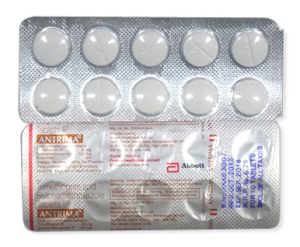
In brief
- In our pharmacy, you can buy bactrim without a prescription, with delivery across Australia in discreet packaging; please note that co‑trimoxazole is prescription‑only in most major markets and buying or using it without medical advice may be unsafe.
- Bactrim (sulfamethoxazole + trimethoprim) is used to treat urinary tract infections, bronchitis, traveller’s diarrhoea, shigellosis and for Pneumocystis jirovecii (PCP) prophylaxis and treatment; the two drugs act synergistically by inhibiting sequential steps in bacterial folate synthesis (sulfamethoxazole inhibits dihydropteroate synthase and trimethoprim inhibits dihydrofolate reductase).
- Typical adult dosing is one double‑strength tablet (800 mg SMX / 160 mg TMP) every 12 hours for many infections; paediatric dosing is weight‑based (approximately 8 mg/kg TMP + 40 mg/kg SMX per day divided q12h); PCP treatment uses higher weight‑based dosing (≈15–20 mg/kg TMP per day divided q6–8h).
- Available oral forms are tablets (400/80 mg and 800/160 mg DS) and paediatric suspension (200 mg SMX/40 mg TMP per 5 mL); intravenous formulation is used in hospital settings.
- Systemic absorption is relatively rapid — blood levels rise within 1–2 hours after an oral dose and antibacterial activity begins soon after; symptomatic improvement is often noticed within 24–72 hours depending on the infection.
- The usual dosing interval provides roughly 12 hours of clinical effect per dose (half‑lives of components are around 8–12 hours); overall treatment duration depends on indication (UTI 3–14 days, PCP up to 14–21 days, etc.).
- Avoid excessive alcohol while taking bactrim — alcohol does not cause a classic disulfiram reaction with co‑trimoxazole, but drinking can worsen side effects such as nausea, dizziness and dehydration and may impair recovery.
- The most common side effect is nausea (other frequent reactions include rash, diarrhoea and, in some patients, raised potassium or mild liver enzyme changes).
- Would you like to try bactrim without a prescription?
Availability & Price Landscape
Basic Bactrim Information
- INN (International Nonproprietary Name): Sulfamethoxazole and Trimethoprim
- Brand Names Available In Australia: Alprim, Triprim, Trimpex
- ATC Code: J01EE01
- Forms & Dosages: Tablet 400 mg SMX/80 mg TMP; Tablet 800 mg SMX/160 mg TMP (DS); Suspension 200 mg SMX/40 mg TMP per 5 mL; IV injection 80 mg TMP/400 mg SMX per 5 mL vial
- Manufacturers In Australia: Eumedica Pharmaceuticals (Belgium) and numerous generic manufacturers (Sun Pharma, Teva, Sandoz, Cipla); specific Australian sponsors not specified
- Registration Status In Australia: Not specified
- OTC / Rx Classification: Rx Only
National Pharmacy Chains (Chemist Warehouse, Priceline, TerryWhite)
Worried about finding tablets or suspension locally when you need them?
Major Australia‑wide pharmacy chains commonly stock co‑trimoxazole under brand names such as Alprim, Triprim and various generics.
Chemist Warehouse, Priceline and TerryWhite Chemmart typically offer click & collect and home delivery services, and often support same‑day dispatch for prescriptions processed through their stores or partner telehealth services.
Price‑matching and volume discounts are commonly used by large chains, so private retail prices at discount chains tend to be lower than independent stores.
Rural and remote community pharmacies may need to order IV presentations or less common pack sizes, which can add a day or two to fulfilment.
- Chemist Warehouse — Click & Collect, Home Delivery, Online Prescription Fulfilment.
- Priceline — Click & Collect, Same‑Day Local Delivery (where available), Loyalty Pricing.
- TerryWhite Chemmart — In‑store Pharmacist Counselling, Home Delivery, Community Pharmacy Support.
Online Pharmacy Trends In Australia
Not sure whether to buy from an online store or the local chemist?
Online pharmacies in Australia increasingly sell co‑trimoxazole in tablet and suspension forms and provide pharmacist counselling at point of sale.
Buy only from TGA‑registered Australian pharmacies and verify product listings and sponsorship before purchase to reduce regulatory risk from overseas imports.
Watch for telehealth scripts that route to national chains for fast dispatch, and check the product artwork and ARTG or sponsor details when in doubt.
- Checklist For Safe Online Purchase:
- Confirm the pharmacy is registered in Australia and a pharmacist is available for consultation.
- Verify the product is a recognised brand or generic and matches the strengths listed for co‑trimoxazole.
- Ensure prescriptions are issued by an Australian prescriber or recognised telehealth provider.
- Avoid unknown overseas import sites that do not show sponsor or batch information.
In our online pharmacy, bactrim is available without a prescription, with discreet delivery to Australia in 9-21 days.
Price Ranges By Package Size (PBS Vs Private)
Want to compare PBS subsidy versus private purchase prices?
| Formulation | Pack Size Examples | Likely Private Price Band (AUD) | PBS Note |
|---|---|---|---|
| Tablet 400 mg SMX / 80 mg TMP | 30, 50 tablets | $10–$35 | PBS subsidy depends on indication and listing; check PBS |
| Tablet 800 mg SMX / 160 mg TMP (DS) | 10, 20 tablets | $12–$40 | May be private unless specific PBS criteria met |
| Oral Suspension 200 mg SMX / 40 mg TMP per 5 mL | 50 mL, 100 mL bottles | $15–$45 | Often private; paediatric use may have different subsidy rules |
| IV Vial 80 mg TMP / 400 mg SMX per 5 mL | Single vials for hospital use | Hospital supply only | Not typically a community PBS item |
Patient Insights & Satisfaction Levels
Are people in Australia finding Bactrim effective and tolerable?
Forum Reviews (ProductReview, Aussie Health Forums)
Feedback from Australian users shows a mix of positive outcomes and tolerability concerns.
- “Worked quickly for my UTI, pain settled in 48 hours” — anonymised summary from an online review.
- “Gave me nausea and a mild rash, pharmacist advised to stop” — anonymised summary from a forum thread.
- “Used the suspension for my child and it was easy to give” — anonymised summary from a parent review.
Reported Benefits And Issues From Australian Patients
What do patients praise and what do they worry about?
Benefits reported include affordability when choosing generics, clear dosing with DS tablets for adults, and availability of paediatric suspension for children.
Common issues raised are gastrointestinal upset, skin reactions, concerns about antibiotic overuse, and difficulty accessing prescriptions in remote areas.
Pharmacist counselling is frequently cited as a key factor in safe, satisfactory use.
Practical Tips Patients Share
Want simple, practical advice other patients use?
- Take tablets with a full glass of water to reduce irritation and help absorption.
- Complete the full prescribed course even if symptoms improve early.
- Check for known allergies to sulfonamides before starting and stop immediately for rash.
- Store paediatric suspension in line with label instructions and shake well before use.
- Contact a pharmacist for advice on managing mild GI upset or reporting side effects.
Product Overview & Brand Variants
Which names and presentations should you expect at the pharmacy?
INN And Brand Names In Australia
Sulfamethoxazole and trimethoprim is the INN commonly referred to as co‑trimoxazole.
Australian market brand names include Alprim, Triprim and Trimpex alongside various generics.
Internationally the combination is often sold as Bactrim, Septra or under generic co‑trimoxazole labels.
Legal Classification (TGA‑Approved)
Is this an over‑the‑counter medicine?
Products containing co‑trimoxazole are prescription‑only and must be registered on the ARTG to be marketed in Australia, with sponsor details and a product information leaflet provided.
ATC classification is J01EE01, describing combinations of sulfonamides and trimethoprim.
| Formulation | Common Strengths |
|---|---|
| Tablet | 400 mg SMX / 80 mg TMP; 800 mg SMX / 160 mg TMP (DS) |
| Oral Suspension | 200 mg SMX / 40 mg TMP per 5 mL |
| IV Formulation | 80 mg TMP / 400 mg SMX per 5 mL vial |
Indications In Local Medical Practice
What conditions is co‑trimoxazole commonly used for in Australia?
Approved Uses By TGA
Prescribers use co‑trimoxazole for urinary tract infections, certain respiratory infections, shigellosis and Pneumocystis jirovecii prophylaxis or treatment, following product information and local guidelines.
| Indication | Typical Adult Dose | Typical Duration |
|---|---|---|
| Uncomplicated UTI | 1 DS tablet (800/160 mg) every 12 hours | 3–14 days |
| Bronchitis / Certain Chest Infections | 1 DS tablet every 12 hours | 5–14 days |
| Shigellosis | 1 DS tablet every 12 hours | 5 days |
| PCP Prophylaxis | 1 DS tablet daily or three times weekly as indicated | As long as risk persists |
| PCP Treatment | 15–20 mg/kg TMP daily divided q6–8h | 14–21 days |
Off‑Label Patterns In Australian Clinics
When might prescribers consider co‑trimoxazole outside standard indications?
- Treatment of community MRSA strains that show susceptibility on culture.
- Specific Gram‑negative infections when susceptibility testing favours co‑trimoxazole over alternatives.
- Patients intolerant to first‑line agents where culture guidance supports use.
Off‑label prescribing should be backed by culture results and documented informed consent.
How It Works In The Body
How does co‑trimoxazole stop bacterial infections?
Layman’s Explanation
The combination contains two antibiotics that block sequential steps in bacterial folate synthesis.
This dual blockade makes it harder for bacteria to survive and reduces the chance of resistance developing compared with either drug alone.
Clinical Detail
Sulfamethoxazole inhibits dihydropteroate synthase while trimethoprim inhibits dihydrofolate reductase, producing a synergistic bactericidal effect.
The fixed 5:1 ratio of SMX to TMP is designed to achieve therapeutic synergy in plasma and tissues.
Tissue penetration is generally good for urinary infections and some pulmonary infections, and an IV formulation exists for severe disease.
- Mechanism: Sequential inhibition of folate synthesis enzymes leading to bactericidal activity.
- Key Drug Interactions: Enhanced anticoagulant effect with warfarin; risk of hyperkalaemia with ACE inhibitors or potassium‑sparing drugs.
- Pharmacokinetics Notes: Combination achieves effective urinary concentrations and is available orally and intravenously.
Dosage & Administration
Not sure which dose is right for you or your child?
Standard Regimens
| Indication | Adult Dose | Paediatric Dose | Typical Duration |
|---|---|---|---|
| Uncomplicated UTI | 1 DS tablet (800/160 mg) every 12 hours | 8 mg/kg TMP + 40 mg/kg SMX divided q12h (use suspension) | 3–14 days |
| Bronchitis / Chest Infection | 1 DS tablet every 12 hours | Weight‑based suspension dosing | 5–14 days |
| PCP Treatment | 15–20 mg/kg TMP daily divided q6–8h | Weight‑based; specialist dosing | 14–21 days |
Adjustments By Patient Type (Elderly, Chronic Conditions)
Which patients need dose changes or closer monitoring?
- Renal Impairment — Reduce dose and avoid if creatinine clearance is below 15 mL/min.
- Elderly — Monitor renal function and potassium regularly due to higher risk of hyperkalaemia.
- Hepatic Impairment — Use with caution and monitor liver tests.
- Children — Use only weight‑based suspension dosing; calculate carefully and follow prescriber instructions.
- Missed Dose — Take when remembered unless it is near the next dose; do not double doses.
- Overdose — Seek immediate medical attention; supportive care and dialysis may be required in severe cases.
Contraindications & Side Effects
Worried about allergic reactions or serious side effects?
Common
Common adverse effects include nausea, vomiting, diarrhoea, rash and headache.
Hyperkalaemia is a known risk, particularly in elderly patients or those with renal impairment.
Mild increases in liver enzymes have also been reported.
Rare But Serious (Australian Safety Data)
Who should not take co‑trimoxazole?
Absolute contraindications include known allergy to sulfonamides or trimethoprim, severe renal or hepatic impairment, megaloblastic anaemia due to folate deficiency, infants under two months, and pregnancy near term or breastfeeding.
Rare serious reactions can include Stevens–Johnson syndrome, toxic epidermal necrolysis, bone marrow suppression and severe hyperkalaemia.
Report suspected serious adverse drug reactions to the TGA via the national reporting system.
- Emergency Signs: Widespread rash, blistering, facial swelling, jaundice, severe diarrhoea, sudden breathlessness.
- Pharmacist Action Steps: Stop the medicine immediately for severe rash, arrange urgent medical review, document ADR and advise on TGA reporting.
Comparable Medicines
Trying to decide between Bactrim and other antibiotics?
Alternatives Table (PBS And Non‑PBS)
| Drug | PBS Status* | Typical Uses | Pros | Cons |
|---|---|---|---|---|
| Trimethoprim | Subject to PBS listing | UTI | Single‑agent option for susceptible organisms | Narrower spectrum than co‑trimoxazole; resistance issues |
| Nitrofurantoin | Subject to PBS listing | Lower UTI, cystitis | Good for uncomplicated lower UTI; low systemic exposure | Not suitable for pyelonephritis; contraindicated in severe renal impairment |
| Ciprofloxacin | Subject to PBS listing | Complicated UTI, some respiratory infections | Broad‑spectrum activity | Higher risk of collateral damage and resistance; safety cautions |
| Amoxicillin/Clavulanate | Subject to PBS listing | Respiratory infections, mixed‑flora infections | Broad coverage for beta‑lactam susceptible organisms | May be less effective against some resistant Gram‑negatives |
*PBS status is subject to change; verify current listings before advising on patient copayment.
Pros And Cons List
- Pros: Broad activity against certain organisms, low cost in generic form, both oral and IV options allow outpatient and inpatient use.
- Cons: Risk of sulfonamide allergy, interactions such as increased warfarin effect, contraindicated in pregnancy near term and in very young infants, and variable resistance in some pathogens.
Current Research & Trends
What are clinicians and researchers watching about co‑trimoxazole recently?
Major Studies 2022–2025 (Australia + International)
- Surveillance Studies — Recent surveillance highlights variable E. coli resistance in urinary isolates, reinforcing culture‑guided empiric therapy (citation placeholder).
- PCP Outcomes — Trials and cohort studies on Pneumocystis jirovecii outcomes continue to support high‑dose TMP‑SMX as first‑line therapy for treatment, with ongoing work on toxicity mitigation (citation placeholder).
- Older Adults Safety — Observational studies have focused on hyperkalaemia and renal adverse events in elderly populations, prompting more frequent monitoring recommendations (citation placeholder).
- Antimicrobial Stewardship — Australian stewardship programmes emphasise targeted prescribing and shorter durations where appropriate to reduce resistance pressure (citation placeholder).
Emerging Trends Relevant To Australian Practice
Which service and prescribing trends are likely to affect availability and use?
Telehealth prescribing and the growth of online pharmacies are increasing access but make verification of Australian supply and sponsor details more important.
Antimicrobial stewardship, rural access challenges, and supply‑chain variability for specific pack sizes are shaping how clinicians choose and dispense co‑trimoxazole.
Common Patient Questions
Which questions do people ask most at the pharmacy counter?
- Can I get Bactrim without a prescription? No — it is prescription only in Australia, though some online services may supply after a telehealth consultation.
- Is it safe in pregnancy or breastfeeding? Contraindicated near term and caution advised; consult your prescriber.
- Can I drink alcohol? There is no formal interaction, but avoid alcohol if unwell and monitor for increased GI side effects.
- What if I miss a dose? Take as soon as you remember unless it is almost time for the next dose; do not double doses.
Pharmacist Scripts For Counselling:
- Ask about allergies to sulfonamides or trimethoprim and any past severe skin reactions.
- Confirm pregnancy status in women of childbearing potential as appropriate.
- Request recent renal function in elderly patients or those with chronic kidney disease.
- Advise on completing the course, monitoring for rash, and how to report adverse events to the TGA.
Regulatory Status
How is co‑trimoxazole regulated in Australia and what about PBS subsidy?
TGA Approval
Co‑trimoxazole presentations are prescription‑only and must be registered on the Australian Register of Therapeutic Goods (ARTG) to be marketed in Australia.
Sponsors provide product‑specific information and the TGA monitors safety signals; suspected adverse reactions can be reported to the TGA.
Always verify the ARTG number on supplier documentation where available.
PBS Subsidy Details
Is there automatic PBS coverage for Bactrim?
PBS listing and subsidy depend on indication and pack size; some indications such as PCP prophylaxis in specified patient groups may be eligible for PBS subsidy under particular listings.
| Step | Action |
|---|---|
| 1 | Search the PBS Schedule or PBS website for the active ingredient and pack size. |
| 2 | Check the indication criteria and authority requirements for subsidy. |
| 3 | Confirm patient eligibility and prescriber authority codes where needed. |
*PBS status is subject to change; confirm current entries before advising on patient copayment.
Visual Recommendations
Which visuals help users choose and use the medicine safely?
Recommended product‑page visuals include a comparison table of formulations and strengths, an infographic on dosing by indication, a safety visual showing red flags such as rash and jaundice, and a pharmacy network map for national chains and rural access points.
Alt Text Suggestions And Mobile Notes:
- Alt text for tablet images: “Bactrim DS tablet 800/160 mg blister pack”.
- Alt text for suspension: “Co‑trimoxazole oral suspension bottle 200 mg/40 mg per 5 mL”.
- Design mobile‑first with a clear “Ask a Pharmacist” call to action and collapsible dosage charts for small screens.
Buying & Storage Advice
How should Australians buy and store co‑trimoxazole safely?
In‑Store Vs Online Purchase Tips In Australia
Purchase from TGA‑registered Australian pharmacies such as Chemist Warehouse, Priceline and TerryWhite Chemmart to ensure supply integrity.
For online purchases, verify pharmacy registration, pharmacist availability and that prescriptions are issued by an Australian telehealth or local clinician.
Avoid unknown import sites without sponsor or batch details and check expiry dates and batch numbers on delivery.
Storage In Australian Household Conditions (Heat/Humidity)
How should the medicine be stored during hot, humid seasons?
- Store at room temperature, ideally 20–25°C, away from direct heat and moisture.
- Protect oral suspension from light and do not freeze reconstituted suspension.
- Avoid leaving medicines in cars or in direct sunlight during hot Australian summers.
- Keep medicines out of reach and sight of children and return unused antibiotics to the pharmacy for safe disposal.
Guidelines For Proper Use
What checks and counselling should a pharmacist provide before supply?
Pharmacist Guidance In Australia
Verify the indication, ask about allergies to sulfonamides and trimethoprim, check pregnancy and breastfeeding status, and review renal function in elderly or at‑risk patients.
Check for interacting medicines such as warfarin or ACE inhibitors and counsel on dosing, missed doses and signs of serious reactions.
Encourage culture and sensitivity testing for recurrent infections and document counselling in the patient record where appropriate.
Patient Safety Recommendations
How can patients stay safe while taking co‑trimoxazole?
- Complete the full course unless adverse effects occur and seek review for persistent symptoms.
- Stop and seek immediate medical attention for any rash, blistering, severe diarrhoea or jaundice.
- Monitor potassium and renal function in elderly patients or those on interacting drugs.
- Provide a printable aftercare card and remind patients to return unused antibiotics for disposal.
Delivery Across Australia
| City | Region | Delivery Time |
|---|---|---|
| Sydney | New South Wales | 9-14 days |
| Melbourne | Victoria | 9-14 days |
| Brisbane | Queensland | 9-14 days |
| Perth | Western Australia | 9-14 days |
| Adelaide | South Australia | 9-14 days |
| Canberra | Australian Capital Territory | 9-14 days |
| Hobart | Tasmania | 9-14 days |
| Darwin | Northern Territory | 9-14 days |
| Gold Coast | Queensland | 14-21 days |
| Newcastle | New South Wales | 14-21 days |
| Wollongong | New South Wales | 14-21 days |
| Geelong | Victoria | 14-21 days |
| Townsville | Queensland | 14-21 days |
| Cairns | Queensland | 14-21 days |
Conclusion And Practical Next Steps
Unsure whether bactrim is right for you?
Discuss symptoms and medical history with a prescriber and request culture testing where appropriate to guide targeted therapy.
Ask the dispensing pharmacist to review allergies, kidney function and concurrent medicines before starting treatment.
Report any serious adverse effects to the TGA and return unused medicine to a pharmacy for safe disposal.