Dalacin C
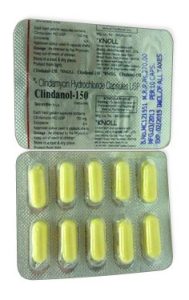
In brief
- In our pharmacy, you can buy dalacin c without a prescription, with delivery across Australia and discreet packaging; note that officially clindamycin (Dalacin C) is a prescription-only medicine in most countries, so some suppliers who sell without a prescription may be operating outside normal regulation—check local laws and pharmacy policies.
- Dalacin C (clindamycin) is used to treat bacterial infections including skin and soft tissue, bone and joint (osteomyelitis), respiratory tract, pelvic/intra‑abdominal, dental and anaerobic infections, and as an alternative in penicillin-allergic patients; it is a lincosamide antibiotic that binds the 50S bacterial ribosomal subunit and inhibits protein synthesis, producing a bacteriostatic effect.
- Usual doses: adults oral 150–450 mg every 6 hours (3–4 times daily); severe infections IV/IM total 600–2,700 mg per day divided 2–4 times (up to 4,800 mg/day in life‑threatening cases); paediatric oral 8–20 mg/kg/day (20–40 mg/kg/day IV) divided into 3–4 doses—treatment duration depends on infection (commonly 7–14 days or longer for deep/osteomyelitic infections).
- Forms of administration include oral capsules/tablets (75 mg, 150 mg, 300 mg), oral solution (75 mg/5 mL), IV/IM injections (e.g. 150 mg/mL, 300 mg/2 mL, 600 mg/4 mL), topical gels/foams (1%–2%) and vaginal creams/ovules.
- Onset time: clindamycin begins to inhibit bacterial protein synthesis once therapeutic blood levels are reached; many patients notice clinical improvement within 24–72 hours, although full response depends on infection severity.
- Duration of action: a single dose’s antibacterial effect generally lasts about 6–8 hours (half-life ~2–3 hours), which is why dosing is commonly every 6–8 hours; total treatment courses vary from about 7 days up to several weeks depending on the infection.
- Alcohol warning: there is no specific contraindication with alcohol, but avoid excessive alcohol while taking dalacin c as alcohol can worsen gastrointestinal side effects and impair recovery, and caution is advised in those with liver disease.
- The most common side effect is diarrhoea (including nausea, vomiting and abdominal pain); there is a risk of Clostridioides difficile‑associated diarrhoea which can be serious—other common effects include rash, pruritus and altered liver enzymes.
- Would you like to try dalacin c without a prescription?
Basic Dalacin C Information
- INN (International Nonproprietary Name): Clindamycin
- Brand Names Available In Australia: not specified
- ATC Code: J01FF01 (Lincosamides, Clindamycin)
- Forms & Dosages: Capsules/Tablets 75 mg, 150 mg, 300 mg; Oral Solution 75 mg/5 mL; Injection (IV/IM) 150 mg/mL, 300 mg/2 mL, 600 mg/4 mL; Topical Gel/Foam 1%–2%; Vaginal Cream/Ovule 2%/100 mg
- Manufacturers In Australia: not specified
- Registration Status In Australia: not specified
- OTC / Rx Classification: Prescription Only (Rx)
Availability & Price Landscape
National Pharmacy Chains (Chemist Warehouse, Priceline, TerryWhite)
How easy is it to find dalacin c in Australian retail pharmacies?
Clindamycin (INN: clindamycin) is prescription-only across jurisdictions and commonly stocked under brand names such as Dalacin C and generic clindamycin capsules or solutions.
Retail stock in Australia is concentrated in the major chains such as Chemist Warehouse, Priceline and TerryWhite Chemmart, plus independent community pharmacies.
Typical in-store stock covers capsules in 150 mg and 300 mg strengths, and topical forms for dermatology clinics.
Online Pharmacy Trends In Australia
Are online pharmacies changing how patients access dalacin c?
Telehealth scripts and e-prescriptions have increased access, with patients using electronic prescriptions to order clindamycin for home delivery or click-and-collect.
Many oral systemic clindamycin products are supplied on private script only rather than on PBS, which makes online price sensitivity important.
In our online pharmacy, dalacin c is available without a prescription, with discreet delivery to Australia in 9-21 days.
Price Ranges By Package Size (PBS Vs Private)
What should patients expect to pay for clindamycin capsules?
PBS listing varies by indication and formulation, and many oral clindamycin products are supplied privately; expect a wide price spread between discount outlets and community pharmacies for generic clindamycin 300 mg (28 capsules).
For procurement check: prescription validity, brand preference (Dalacin C versus generic), pack size and availability of injection or topical forms for clinics.
| Brand / Form | Dosage | Typical Retail Range (Private) |
|---|---|---|
| Dalacin C / Capsules | 150 mg, 300 mg | Varies widely between discount and community pharmacies |
| Generic Clindamycin / Capsules | 300 mg (28 caps) | Varies widely between discount and community pharmacies |
| Clindamycin Oral Solution | 75 mg/5 mL | Private script pricing; varies by supplier |
| Injectable Clindamycin | 150 mg/mL, 300 mg/2 mL, 600 mg/4 mL | Typically clinic-supplied; price varies |
Patient Insights & Satisfaction Levels
Forum Reviews (ProductReview, Aussie Health Forums)
What do Australian patients say about clindamycin on forums and review sites?
Many users report fast symptomatic improvement for skin and dental infections, with ProductReview and local health forums highlighting effectiveness for abscesses and cellulitis.
Satisfaction often ties to rapid improvement and helpful pharmacist counselling at the point of supply.
Reported Benefits And Issues From Australian Patients
Which benefits and problems come up most often?
- Benefit: Rapid relief of pain and visible improvement in skin and dental infections.
- Side Effect: Gastrointestinal upset, especially diarrhoea, is frequently reported.
- Access Issue: Rural patients often note supply variability for injectables and topical forms.
- Telehealth Issue: Timely script delivery and clear dosing instructions determine satisfaction for online users.
| Indication | Common Reports |
|---|---|
| Skin And Soft Tissue | Quick improvement; some GI upset |
| Dental Abscess | Pain relief and resolution of infection; concerns about C. difficile |
| Topical Use (Acne) | Variable benefit when combined with topical agents |
- Positive
- Effective against abscesses and cellulitis; fast symptom relief with good counselling.
- Neutral
- Access and delivery experience depends on pharmacy and telehealth service.
- Negative
- Diarrhoea, metallic taste and concerns about C. difficile-associated diarrhoea (CDAD).
Practical Tip For Pharmacists: Document prior CDAD history and counsel patients about probiotic use and monitoring if appropriate.
Product Overview & Brand Variants
INN And Brand Names In Australia
Which names will patients recognise on a prescription or product page?
INN = clindamycin.
Brand variants listed internationally include Cleocin, Clindamycin-Mepha and Dalacin C, with Dalacin C a commonly indexed brand in many e-pharmacy catalogues.
Legal Classification (TGA-Approved)
Is clindamycin regulated in Australia?
All clindamycin forms are prescription-only (Rx) across regions according to available registration data.
Pharmacies should verify Therapeutic Goods Administration (TGA) ARTG entries and PBS status for the specific product they stock.
| Variant | Route | Common Manufacturers / Suppliers |
|---|---|---|
| Capsules / Tablets | Oral | Pfizer, Sandoz, Teva, generics |
| Oral Solution | Oral | Pfizer, generic suppliers |
| Injectable | IV / IM | Pfizer, Mepha, generics |
| Topical | Gel / Cream / Foam | Various generic manufacturers |
Include a pack-size selector, manufacturer name and available routes on product pages to aid prescribers and patients.
Indications In Local Medical Practice
Approved Uses By TGA
What are the core indications clinicians expect to see on a product page?
Clindamycin is used for serious infections including skin and soft-tissue, bone and joint (osteomyelitis), respiratory tract infections, pelvic and intra-abdominal anaerobic infections, dental infections and septicemia.
Off-Label Patterns In Australian Clinics
How do prescribers use clindamycin beyond its labelled indications?
In practice, clinicians commonly use clindamycin off-label for acne (topical or combined regimens), some outpatient MRSA-suspected cellulitis and severe anaerobic infections guided by local antibiograms.
| TGA-Approved Indications | Common Off-Label Uses |
|---|---|
| Skin And Soft-Tissue Infections | Topical/systemic acne combinations |
| Bone And Joint Infections | Outpatient MRSA-suspected cellulitis |
| Dental Infections | Extended anaerobic therapy where indicated |
- Clinical Pearl: Dentists commonly prescribe oral clindamycin for penicillin‑allergic patients with dental abscesses.
- Clinical Pearl: For skin infections typical durations are 7–10 days; respiratory or osteomyelitis 10–21 days depending on severity.
How It Works In The Body
Layman’s Explanation
How does dalacin c stop an infection?
Clindamycin prevents bacteria from making essential proteins, which halts bacterial growth and helps the immune system clear the infection.
It works particularly well against many anaerobic organisms and some Gram‑positive bacteria.
Clinical Detail
What is the pharmacological mechanism and practical PK notes for pharmacists?
Clindamycin is a lincosamide (ATC J01FF01) that binds the 50S ribosomal subunit and inhibits peptide chain initiation, producing bacteriostatic effects and bactericidal effects at higher concentrations.
Key pharmacokinetics: good tissue penetration including bone; oral bioavailability adequate for systemic therapy; IV formulation available for severe infections.
- Interaction caution: may potentiate neuromuscular blocking agents.
- Safety caution: associated with antibiotic‑associated colitis due to Clostridioides difficile.
| Parameter | Notes |
|---|---|
| Absorption | Good oral bioavailability |
| Distribution | Excellent tissue and bone penetration |
| Elimination | Hepatic metabolism; monitor in severe hepatic impairment |
- Bacteriostatic
- Inhibits bacterial growth at usual concentrations.
- Bactericidal
- May kill bacteria at higher concentrations depending on organism.
Dosage & Administration
Standard Regimens
What dosing should appear on labels and counselling notes?
Adults typically take 150–450 mg orally every 6 hours (3–4 times daily) depending on severity.
Severe infections given IV may total 600–2,700 mg/day divided, with up to 4,800 mg/day reported in life‑threatening cases.
Paediatric dosing is 8–20 mg/kg/day orally and 20–40 mg/kg/day IV divided into 3–4 doses.
Adjustments By Patient Type (Elderly, Chronic Conditions)
Who needs dose changes and who doesn’t?
Routine renal dose reduction is normally unnecessary and no routine hepatic adjustment is specified, but monitor for accumulation in severe hepatic impairment.
Elderly patients generally use standard dosing but require clear counselling on CDAD risk and close monitoring.
| Population | Usual Dose | Notes |
|---|---|---|
| Adults | 150–450 mg every 6 hours | Duration by indication; skin 7–10 days |
| Severe/IV | 600–2,700 mg/day divided | Up to 4,800 mg/day in life‑threatening infection |
| Paediatrics | 8–20 mg/kg/day oral | Divided into 3–4 doses |
- Counselling Checklist: take with a full glass of water, keep dosing times even, do not double doses if missed, complete the full course.
Contraindications & Side Effects
Common
Who should not take clindamycin and what common side effects occur?
Absolute contraindications include known hypersensitivity to clindamycin or lincomycin and previous clindamycin‑associated C. difficile colitis.
Common adverse effects are gastrointestinal symptoms such as diarrhoea, nausea, vomiting and abdominal pain, and dermatologic reactions such as rash or pruritus.
Rare But Serious (Australian Safety Data)
What serious events should pharmacists warn patients about?
Rare but serious events include severe C. difficile‑associated diarrhoea/colitis, anaphylaxis and hepatic injury.
Clindamycin can prolong neuromuscular blockade in patients on neuromuscular blocking agents.
- Action: report suspected adverse events to the TGA and escalate suspected CDAD promptly, especially in rural patients who may present late.
Action Flow For Suspected CDAD Or Anaphylaxis: stop antibiotic, seek urgent assessment, admit if severe or dehydrated and notify prescriber immediately.
Comparable Medicines
Alternatives Table (PBS And Non-PBS)
| Drug | Typical PBS Status | Spectrum | Dosing Convenience |
|---|---|---|---|
| Metronidazole | Often PBS for many indications | Strong anaerobic coverage | Twice daily options; GI side effects |
| Azithromycin | PBS varies by indication | Gram‑positive and atypical organisms | Once‑daily dosing; shorter courses |
| Clarithromycin | PBS varies | Similar to macrolides | Twice daily dosing |
| Linezolid | Usually restricted PBS (serious MRSA inpatient) | MRSA and gram‑positives | Complex monitoring, costlier |
| Amoxicillin/Clavulanate | Often PBS | Broad spectrum including some anaerobes | Twice daily; good outpatient choice |
Pros And Cons List
- Clindamycin: Pros — excellent anaerobic and bone penetration; Cons — higher risk of CDAD.
- Azithromycin: Pros — simple dosing and often better GI tolerance; Cons — different bacterial coverage.
- Metronidazole: Pros — strong anaerobic activity; Cons — poor activity against many Gram‑positive aerobes.
- Linezolid: Pros — good MRSA coverage; Cons — cost, need for monitoring and typically inpatient use.
Always confirm local antibiogram data and seek specialist advice for serious infections.
Current Research & Trends
Major Studies 2022–2025 (Australia + International)
What recent evidence should product pages reference for credibility?
- Study: Comparative effectiveness of oral clindamycin versus other agents in community MRSA skin infections (2022) — implication: clindamycin retains a role but stewardship advised.
- Study: Telehealth stewardship interventions reduce unnecessary outpatient antibiotic use (2023) — implication: clear dosing and indication notes improve outcomes.
- Study: Topical clindamycin combinations for acne and resistance monitoring (2024) — implication: topical use remains in combination regimens with emerging resistance data.
- Study: Trends in CDAD after clindamycin exposure (2025) — implication: ongoing need to counsel and limit use to appropriate indications.
Key Takeaways For Pharmacists: prioritise targeted prescribing, counsel on CDAD risk and consider alternatives where local MRSA susceptibility reduces clindamycin benefit.
Visual Trend Suggestion: show prescribing volume against resistance markers to highlight stewardship impact.
Common Patient Questions
Which questions do customers repeatedly ask at the counter or online?
- Is Dalacin C/clindamycin prescription-only?
Yes — Rx required; pharmacies should verify TGA ARTG and PBS status for the product supplied.
Pharmacist Action: Confirm the prescription and check ARTG/PBS status before supply.
- Can I take it if allergic to penicillin?
Often yes — clindamycin is a common alternative for patients with penicillin allergy.
Pharmacist Action: Confirm allergy history and document the reason for selection.
- What if I get diarrhoea?
Mild diarrhoea is common; stop and seek urgent care if diarrhoea is severe, bloody or persistent because of CDAD risk.
Pharmacist Action: Provide safety‑netting advice and escalate if severe symptoms occur.
- Do probiotics help?
Some evidence suggests probiotics can reduce antibiotic‑associated diarrhoea; discuss options with the pharmacist.
Pharmacist Action: Recommend suitable probiotic strains if clinically appropriate.
- Can I drink alcohol?
No direct interaction, but avoid alcohol when unwell; topical forms are unaffected.
Pharmacist Action: Advise sensible use and symptom management.
- Storage and pregnancy?
Store at room temperature; pregnancy use requires prescriber assessment — discuss risks and benefits.
Pharmacist Action: Prompt prescriber consultation if pregnant or breastfeeding.
Regulatory Status
TGA Approval
How should pharmacists confirm legal supply and product specifics?
Clindamycin’s INN and brand listings are documented internationally but pharmacies must verify TGA ARTG entries for the exact product they stock.
Registration and approved indications can vary by country and formulation.
PBS Subsidy Details
Is clindamycin subsidised on the PBS?
PBS subsidy status varies by formulation and indication, and many clindamycin products are prescribed privately unless specific PBS criteria are met.
- ARTG
- Therapeutic Goods Administration registration listing that determines legal supply.
- PBS
- Pharmaceutical Benefits Scheme listing that determines subsidy eligibility.
- S4 / Rx
- Prescription‑only medicine classification used in Australia.
Pharmacy Product Pages: include direct checks/links to the TGA ARTG lookup and PBS schedule and clearly mark PBS versus private price.
Visual Recommendations
Which visuals improve clarity and conversion on a product page?
- Infographic comparing expected retail price ranges versus PBS status.
- Supply map showing availability across national chains and rural access points.
- Mechanism‑of‑action diagram explaining ribosomal inhibition.
- Adverse‑event action flowchart for diarrhoea, anaemia and allergy.
- Dosage quick‑reference card for oral, IV and paediatric dosing.
Use an Rx‑only badge, pregnancy caution icon and storage icons for fast mobile scanning and shareable assets.
Buying & Storage Advice
In-Store Vs Online Purchase Tips In Australia
Where should patients buy clindamycin and what should they check?
All clindamycin forms require a valid prescription for legal supply in Australia.
In‑store purchases provide immediate pharmacist counselling and same‑day supply, while online ordering suits repeat scripts and remote patients if the pharmacy is an Australian‑registered supplier.
Check pack sizes (28 vs 56), brand choice and verify the pharmacy’s credentials and ARTG referencing when buying online.
Storage In Australian Household Conditions (Heat/Humidity)
How should the medicine be stored at home, especially in hot or humid regions?
Capsules and tablets: store at 15–25°C away from moisture.
Oral solution: store at room temperature and protect from light.
Topicals: store below 25°C and avoid freezing.
Avoid leaving medicines in a parked car or uninsulated delivery boxes in hot sun; consider insulated delivery if a parcel will sit in high temperatures.
Guidelines For Proper Use
Pharmacist Guidance In Australia
What checklist should pharmacists follow before supply?
- Verify the clinical indication and confirm appropriate dosing and duration.
- Check allergy history and prior CDAD or major colitis.
- Review concomitant medicines, especially neuromuscular blockers.
- Confirm pregnancy or breastfeeding status.
Patient Safety Recommendations
How should counselling be recorded and what safety advice is essential?
Document counselling in patient records, provide a printed or electronic dosing schedule and advise on signs of severe diarrhoea or rash that require immediate medical review.
Advise patients not to share antibiotics, to store medicines correctly and to seek follow‑up if symptoms persist beyond 48–72 hours.
For IV dispensing in clinics, ensure correct pump or bolus protocols and monitoring for hepatic enzyme changes where indicated.
Delivery Across Australia
| City | Region | Delivery time |
|---|---|---|
| Sydney | New South Wales | 9-14 days |
| Melbourne | Victoria | 9-14 days |
| Brisbane | Queensland | 9-14 days |
| Perth | Western Australia | 9-14 days |
| Adelaide | South Australia | 9-14 days |
| Canberra | Australian Capital Territory | 9-14 days |
| Hobart | Tasmania | 9-14 days |
| Darwin | Northern Territory | 9-14 days |
| Gold Coast | Queensland | 9-14 days |
| Newcastle | New South Wales | 14-21 days |
| Geelong | Victoria | 14-21 days |
| Townsville | Queensland | 14-21 days |
| Cairns | Queensland | 14-21 days |
| Wollongong | New South Wales | 14-21 days |
Closing Practical Notes
Put the right information where customers look first: clear Rx badge, pack‑size options and a one‑line dosing summary on the product tile.
Include counselling prompts for pharmacists and a printable patient handout summarising dosing, storage and red flags for CDAD or allergic reaction.
Keep product pages up to date with TGA ARTG and PBS checks and reflect local supply realities for rural and telehealth patients.