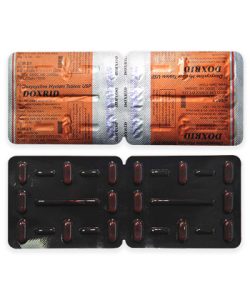
Azithromycin

In brief
- Azithromycin is available from pharmacies, but in Australia it is a prescription-only medicine and should be supplied on a valid prescription from a doctor or other authorised prescriber.
- Azithromycin is used to treat susceptible bacterial infections, including respiratory tract infections, skin and soft tissue infections, some ear infections, and certain sexually transmitted infections. It is a macrolide (azalide) antibiotic that works by binding to the bacterial 50S ribosomal subunit and inhibiting protein synthesis, which stops bacteria from growing and multiplying.
- The usual dose depends on the infection, but common adult regimens include 500 mg on day 1 followed by 250 mg daily on days 2–5, or 500 mg once daily for 3 days. Some infections use a single 1 g dose, and children are dosed by body weight.
- Azithromycin comes as film-coated tablets, capsules, oral suspension powder, and sometimes intravenous preparation.
- It starts working quickly after absorption, with peak levels reached within a few hours, though symptom improvement is usually noticed within 1–3 days.
- Azithromycin has a long duration of action, with an apparent terminal half-life of about 68 hours, so it continues to act in the body for several days after the last dose.
- There is no direct alcohol interaction, but alcohol can worsen side effects such as nausea, diarrhoea, stomach pain, and headache, so it is best to avoid or limit alcohol while unwell.
- The most common side effects are diarrhoea, nausea, abdominal pain, vomiting, headache, dizziness, and sometimes rash.
- Would you like to try azithromycin without a prescription?
Basic Azithromycin Information
- INN (International Nonproprietary Name): Azithromycin
- Brand names available in Australia: Zithromax, APO-Azithromycin, Azithromycin Sandoz, Azithromycin Viatris, Azithromycin-WGR, Zithro
- ATC Code: J01FA10 for systemic use; S01AA26 for ophthalmic preparations
- Forms & dosages: 250 mg tablets, 500 mg tablets, oral suspension
- Manufacturers in Australia: Sandoz, Viatris, WGR and other generic suppliers
- Registration status in Australia: Prescription only in normal Australian pharmacy practice
- OTC / Rx classification: Prescription only
Australian Azithromycin Market Reality: Access, Price Pressure, And Patient Expectations
Patients usually come to azithromycin with very practical questions, not pharmacy jargon.
Can it be filled quickly, is stock on hand, and will the price be reasonable for a short course?
In Australia, azithromycin is generally supplied as a prescription antibiotic, with common tablet strengths of 250 mg and 500 mg, plus oral suspension for children.
People often check Chemist Warehouse, Priceline, TerryWhite Chemmart, and local community pharmacies first, then compare stock and delivery options online.
That price sensitivity is real, especially when a GP or telehealth consult has already cost money.
Urban shoppers often want same-day pickup or click-and-collect, while rural patients may need to wait for ordering and freight.
In our online pharmacy, azithromycin is available without a prescription, with discreet delivery to Australia in 9-21 days, which suits customers who want a simple online checkout and home delivery.
The trade-off is obvious: faster local collection versus a lower-hassle delivery option that depends on shipping time.
Chain Pharmacy Availability And Online Ordering In Australia
Big chains are popular because they feel familiar, and they often have strong stock visibility online.
Community pharmacies in smaller towns can be just as helpful, but they may need to order in azithromycin if the pack size is not already on the shelf.
That matters when someone starts antibiotics on a Friday evening and wants to begin treatment straight away.
| Buying Path | What Australians Usually Care About | Practical Reality |
|---|---|---|
| Chemist Warehouse, Priceline, TerryWhite Chemmart | Price, stock, convenience | Good for quick comparison and easy pickup |
| Local community pharmacy | Personal advice, local supply | Best for follow-up questions and urgent counselling |
| Online ordering | Discreet service, home delivery | Useful when time is tight or the nearest store is far away |
Typical Purchase Journey: GP/Telehealth Script To Pharmacy Pickup
Most people start with a GP, urgent care clinician, or telehealth consult.
The script is then sent electronically, and the pharmacy dispenses the product that matches the prescription and stock available.
For rural buyers, the key question is often not “what brand?” but “how soon can it arrive?”
That is why short-course antibiotics like azithromycin are so often searched for online by name.
What Patients Expect: Fast Relief, Short Course, Low Hassle
Busy families want a medicine that is easy to fit into the day.
A once-daily regimen and short treatment window are big selling points.
People also expect straightforward pharmacist advice, because they want the course taken correctly the first time.
What Azithromycin Is, And Why Australians Recognise The Brand Names
- Azithromycin
- A broad-spectrum macrolide antibiotic used for bacterial infections, not viral colds or flu.
- INN
- The World Health Organization approved International Nonproprietary Name is Azithromycin, and some product listings refer to it as Azithromycin (Rec.INN).
- ATC code
- J01FA10 for systemic use, and S01AA26 for ophthalmic preparations.
- Common brand searches
- Zithromax, APO-Azithromycin, Azithromycin Sandoz, Azithromycin Viatris, Azithromycin-WGR, and Zithro.
Most Australians are not searching the INN first; they are searching the brand they remember from a previous prescription or from a pharmacy label.
That is why brand familiarity matters in search and in-store conversations.
Depending on supplier and pack style, the same active ingredient may appear in different branded boxes, but the core medicine remains azithromycin.
INN, ATC Code, And Generic Naming
Drug names can look different on the shelf, but the ingredient is what matters clinically.
Azithromycin may appear under a brand name, a generic name, or a manufacturer suffix.
For patients, the safest habit is to match the active ingredient and the dose on the label rather than relying on the brand alone.
Common Australian Brand Search Terms
Shoppers often look for azithromycin tablets rather than the formal name.
They may ask for Zithromax, APO-Azithromycin, or a generic pack that fits the prescription and budget.
That is normal, and it is one reason pharmacies spend time explaining that the ingredient is the same even when the box looks different.
Tablet Strengths And Suspension Formats
Adults usually ask about 250 mg or 500 mg tablets.
Children more commonly need oral suspension, measured carefully with the correct dosing device.
In hospital settings, IV formulations also exist, but that is not the usual consumer purchase path.
How Azithromycin Works In The Body
Think of azithromycin as a medicine that stops bacteria from making the proteins they need to grow and multiply.
Without those proteins, the bacteria cannot keep spreading as effectively, and the immune system can clear the infection more easily.
That is the simple patient answer.
Clinically, azithromycin is a macrolide azalide that reversibly binds to the 23S rRNA of the 50S bacterial ribosomal subunit.
That binding blocks peptide chain growth and inhibits bacterial protein synthesis.
It is mainly bacteriostatic, although bactericidal activity can occur at higher concentrations in susceptible organisms.
Visual snapshot:
Bacteria make proteins → azithromycin blocks the ribosome → protein production drops → bacterial growth slows → infection becomes easier to clear.
Layman Explanation For Patients
People often notice azithromycin feels “easier” because the course is short and the dosing is simple.
That convenience is partly pharmacology and partly patient experience.
Clinical Mechanism: 50S Ribosome Binding
The long tissue penetration and slow elimination are part of why the medicine stays active after the last dose.
That is also why a short course can still work for many susceptible infections.
Why The Dosing Feels Easier Than Some Antibiotics
Once-daily dosing is a big reason people stick with the treatment.
Short courses reduce the “this is never ending” feeling that can happen with longer antibiotic regimens.
When Doctors In Australia Use Azithromycin
Australians usually ask about azithromycin when they have a chest infection, a sore throat, or a sexual health result.
It is used for bacterial infections, not for viruses like colds or flu.
Typical contexts include strep throat, sinusitis, community-acquired pneumonia, bronchitis or COPD flare-ups, skin and soft tissue infections, chlamydia, and some specialist indications.
- Acute bacterial sinusitis.
- Streptococcal tonsillitis and pharyngitis.
- Community-acquired pneumonia.
- Acute exacerbations of chronic bronchitis or COPD.
- Skin and soft tissue infections.
- Uncomplicated chlamydial infection.
Common GP And Urgent Care Uses
Azithromycin is often chosen when a short course makes sense and the suspected bacteria are likely to respond.
It is also seen in people who struggle with adherence to longer treatment plans.
Azithromycin For Chlamydia And Sexual Health Clinics
Single-dose therapy has made azithromycin familiar in sexual health settings, especially for selected uncomplicated genital infections.
That said, clinicians still need to follow the local protocol for the specific diagnosis.
When It Is Chosen Over Narrower Antibiotics
Doctors may choose azithromycin when atypical respiratory pathogens are suspected or when the short-course format is a practical advantage.
When a narrower-spectrum medicine will do the job, that is often preferred for stewardship reasons.
Australian Dosing Patterns: 250 Mg, 500 Mg And Short-Course Regimens
Patients often ask whether azithromycin is always the same dose.
The answer is no, because the regimen depends on the infection, the formulation, and the patient’s age or weight.
Common adult oral regimens include 500 mg on day 1 then 250 mg on days 2 to 5, 500 mg daily for 3 days, and 1 g single dose for some STI indications.
| Use | Typical Adult Oral Dose | Usual Course |
|---|---|---|
| Bronchitis exacerbation | 500 mg day 1, then 250 mg daily days 2 to 5, or 500 mg daily for 3 days | 3 to 5 days |
| Sinusitis | 500 mg daily | 3 days |
| Community-acquired pneumonia | 500 mg day 1, then 250 mg daily days 2 to 5 | 5 days |
| Chlamydia / selected STI uses | 1 g single dose | Once only |
Adult Tablet Dosing Examples
Adults most often see azithromycin as a Z-Pak-style short course or as a 500 mg pack for a specific indication.
Exact instructions should always follow the label and the prescriber’s directions.
Oral Suspension For Children
Children’s dosing is weight-based and formulation-specific.
That is one reason pharmacists are careful about the measuring syringe and the exact millilitre dose.
Why Pharmacists Stress “Follow The Label Exactly”
A short course can still go wrong if the timing or dose is off.
Taking the wrong amount may reduce effectiveness and increase the chance of side effects.
How To Take Azithromycin Correctly
- Take it exactly as prescribed.
- It can generally be taken with or without food.
- If it upsets your stomach, food may help.
- If a dose is missed, take it when remembered unless the next dose is close.
- Do not double up.
- Finish the full course unless your doctor tells you otherwise.
Those are the basics that prevent most avoidable mistakes.
People often feel better by day 2 or 3, but that does not mean the bacteria are fully dealt with.
With Food Or On An Empty Stomach
Either approach is usually acceptable.
If nausea or stomach discomfort becomes a problem, taking the medicine with food may make the course easier to finish.
Missed Dose Instructions
If a dose is forgotten, take it as soon as it is remembered unless the next dose is nearly due.
Doubling up is not a fix and can increase side effects.
Why Stopping Early Is A Problem
Stopping before the prescribed course can let the infection return.
It can also make future treatment more difficult.
What Patients In Australia Say They Like About Azithromycin
Real-world feedback often focuses on two things: convenience and speed.
- Once-daily dosing makes it easier to remember.
- Short courses feel less disruptive.
- Some people report improvement in 1 to 3 days.
- It is often seen as useful when other antibiotics are not well tolerated.
- Families like the simpler routine during a busy week.
That said, one person’s “fast-acting” can be another person’s “didn’t suit me”, which is why side effects matter as much as convenience.
Fast Symptom Relief And Simple Dosing
Short, simple regimens are a big part of why azithromycin gets positive reviews.
For people juggling work, school runs, and a sick household, the difference is practical as much as clinical.
Why It’s Popular With Busy Families
A medicine taken once a day for only a few days is easier to fit around meals, school, and work.
That can make a real difference to completion rates.
Reports From People With Antibiotic Allergies Or Intolerance
Some patients who struggle with other antibiotics report that azithromycin is one of the few they can tolerate.
That is a useful reason it stays popular in everyday pharmacy conversations.
Side Effects Australians Should Know Before Buying
Most side effects are mild, but it is still worth knowing the difference between a nuisance and a warning sign.
Common effects include diarrhoea, nausea, abdominal pain, vomiting, headache, dizziness, fatigue, and rash.
| Common Side Effects | What They Can Feel Like | What To Do |
|---|---|---|
| Diarrhoea or loose stools | More frequent bowel motions | Usually monitor, drink fluids |
| Nausea or vomiting | Stomach upset, queasiness | Food may help, ask a pharmacist if severe |
| Headache or dizziness | Feeling off balance or tired | Rest, avoid driving if affected |
| Rash | New skin irritation | Seek advice if it spreads or worsens |
Warning: Seek urgent medical help if you develop severe allergy, fainting, palpitations, yellowing of the skin or eyes, or severe persistent diarrhoea.
Important: QT prolongation and torsades de pointes are rare but serious risks, especially in people with heart rhythm problems or medicines that also affect the QT interval.
Common Mild Side Effects
The usual complaints are gastrointestinal.
That is frustrating, but often manageable if caught early and discussed with a pharmacist or GP.
Serious Warning Signs Needing Medical Help
A rash with swelling, breathing problems, palpitations, severe weakness, or jaundice is not something to brush off.
Those symptoms need medical review quickly.
When To Call A Pharmacist Or GP
If side effects are making it hard to complete the course, get advice before stopping on your own.
That is especially important for children, older adults, and people with multiple medicines.
Who Should Not Take Azithromycin, Or Needs Extra Caution
- Absolute contraindications
- Known hypersensitivity to azithromycin, erythromycin, other macrolides or ketolides, or a history of azithromycin-associated cholestatic jaundice or hepatic dysfunction.
- Heart rhythm risk groups
- People with QT prolongation, a history of torsades de pointes, significant bradycardia, heart failure, ischemic heart disease, or other QT-prolonging medicines.
- Liver risk groups
- People with active liver disease or a history of drug-related liver injury need extra caution.
- Other caution groups
- People with severe renal impairment, severe gastrointestinal disease, or myasthenia gravis may need closer monitoring.
That list sounds serious, but it is exactly why the pharmacy check matters before the medicine is dispensed or taken.
Absolute Contraindications
A true allergy to azithromycin or related macrolides means the medicine should not be used.
Previous azithromycin-related liver injury is another clear red flag.
Heart Rhythm And Liver Risk Groups
Heart rhythm concerns are the main safety issue that gets pharmacists’ attention.
Liver disease is another reason to slow down and check the full history before treatment.
Medicine Interactions To Flag Before Dispensing
Any medicine that affects heart rhythm, or any complex medication list, should be reviewed carefully.
That is especially true for older adults and people with chronic disease.
Azithromycin Versus Common Alternatives Australians Ask About
Most buyers compare azithromycin with amoxicillin, doxycycline, and amoxicillin-clavulanate.
The right choice depends on the likely infection, the allergy history, and whether a narrow-spectrum option will do the job.
| Medicine | Typical Use | Main Practical Difference |
|---|---|---|
| Azithromycin | Respiratory infections, some STIs, selected skin infections | Short, once-daily regimens and good atypical coverage |
| Amoxicillin | Many common bacterial infections | Narrower-spectrum and often preferred when suitable |
| Doxycycline | Atypical respiratory infections, skin indications, tick-borne disease | Useful alternative when macrolides are not ideal |
| Amoxicillin-clavulanate | Broader coverage needs | More GI side effects, broader than plain amoxicillin |
When Azithromycin Is The Convenient Choice
It shines when the clinician wants a short, simple regimen and adherence matters.
That is why it remains so familiar to Australian shoppers.
When Amoxicillin Is Usually Preferred
If a narrower antibiotic is appropriate, amoxicillin is often the first-choice option.
That approach supports antimicrobial stewardship.
When Doxycycline Is A Common Alternative
Doxycycline is often used when azithromycin is not suitable, especially for some respiratory and skin indications.
It is a common “plan B” in outpatient practice.
Packaging, Strength And Storage: What To Expect On An Australian Shelf
- Common consumer packs are 250 mg and 500 mg tablets.
- Oral suspension is used when tablets are not suitable, especially for children.
- Australian packs are typically blistered tablets in carton packaging.
- Pharmacy labels and Consumer Medicine Information are usually supplied with the pack.
- Hospital IV formulations exist, but they are not the usual retail format.
At home, keep the medicine in a cool, dry place and away from heat and humidity.
A bathroom cabinet is usually not the best spot in a hot Australian summer.
Tablet Packs And Suspension Bottles
Tablets are the most familiar shelf format for adults.
Suspension bottles are more common in paediatric use and need careful measuring.
How To Store At Home In Aussie Heat And Humidity
Store the medicine exactly as the label says.
If the home gets very hot, ask the pharmacist whether a safer storage spot is needed.
What To Check Before Leaving The Pharmacy
Check the name, dose, directions, and quantity before you leave the counter or click-and-collect desk.
That quick check can prevent costly mistakes later.
Buying Azithromycin Online In Australia: Telehealth, E-Scripts And Safety
The modern purchase path is simple when everything lines up.
A telehealth clinician issues the script, the eScript arrives, the patient completes checkout with a legitimate Australian pharmacy, and the medicine is delivered or collected.
That workflow works well for busy people, but only if the pharmacy is legitimate and the advice is sound.
Australians compare prices because they should, but trusted pharmacist advice still matters for the dose, the duration, and the safety checks.
Simple online flow:
Telehealth consult → eScript → pharmacy checkout → delivery or click-and-collect → pharmacist counselling.
Telehealth To Pharmacy Workflow
Electronic prescribing has made antibiotics easier to access where clinically appropriate.
It also reduces delays for people who cannot get to a clinic in person.
How To Spot A Legitimate Online Pharmacy
Look for clear Australian contact details, pharmacist access, and proper prescription handling.
If the site makes unrealistic promises or ignores safety checks, that is a problem.
Why Australians Compare Prices But Still Value Advice
People want value, but they also want to know they are taking the right medicine the right way.
That balance is exactly where pharmacy support earns trust.
Research And Current Medical Thinking In 2023-2026
Recent research has focused on three themes: postpartum infection prevention, respiratory disease and chronic use, and the continued lack of support for routine COVID-19 treatment.
- Postpartum prevention studies show a real signal for reducing maternal infection.
- Long-term respiratory use remains specialist-led and evidence is mixed.
- Azithromycin is not a routine COVID-19 treatment.
That matters to everyday buyers because it explains why the medicine still has a role, but not a free pass for every cough or viral illness.
What Recent Studies Suggest
The strongest new signal is in maternal infection prevention during delivery-related care.
That does not change ordinary community use, but it shows the medicine still has active clinical interest.
Where Evidence Is Still Mixed
Long-term respiratory use is not a simple yes or no.
Some outcomes improve, while others do not, so specialist judgement remains important.
Why This Matters For Everyday Buying Decisions
It reminds people that azithromycin is a real antibiotic with a specific role, not a general “fix everything” tablet.
That perspective helps prevent unnecessary use.
Practical Pharmacist-Style Frequently Asked Questions For Australian Buyers
Can I drink alcohol on azithromycin?
There is no direct alcohol interaction, but alcohol can worsen nausea, diarrhoea, stomach pain, and headache, so it is often wiser to avoid it if you already feel rough.
Can I take it with food?
Yes, generally with or without food, and food may help if your stomach is sensitive.
What if I miss a dose?
Take it when remembered unless the next dose is close, and do not double up.
Can I stop early if I feel better?
No, finish the full course unless your prescriber tells you otherwise.
Is it safe in pregnancy or breastfeeding?
It can be used when clearly needed, but pregnancy and breastfeeding should always be discussed with the prescriber.
Can children and older adults take it safely?
Yes, but dosing and safety checks matter more in those groups.
Can I Drink Alcohol On Azithromycin?
Small amounts do not have a direct interaction, but they can make the common side effects worse.
That is usually the practical reason pharmacists suggest caution.
Is It Safe In Pregnancy Or Breastfeeding?
It may be used when needed, but the decision should be individualised.
That is especially true if the course is not a straightforward short one.
Can Children And Older Adults Take It Safely?
They often can, but the dose, the formulation, and the safety review need to be right.
Older adults with heart disease or complex medicines need extra attention.
Delivery Across Australia
| City | Region | Delivery time |
|---|---|---|
| Sydney | New South Wales | 9-14 days |
| Melbourne | Victoria | 9-14 days |
| Brisbane | Queensland | 9-14 days |
| Perth | Western Australia | 9-14 days |
| Adelaide | South Australia | 9-14 days |
| Canberra | Australian Capital Territory | 9-14 days |
| Hobart | Tasmania | 9-14 days |
| Gold Coast | Queensland | 9-14 days |
| Newcastle | New South Wales | 14-21 days |
| Wollongong | New South Wales | 14-21 days |
| Geelong | Victoria | 14-21 days |
| Townsville | Queensland | 14-21 days |
| Darwin | Northern Territory | 14-21 days |
| Ballarat | Victoria | 14-21 days |
Final Takeaway For Australian Buyers
Azithromycin stays popular because it is simple, short-course, and familiar to both patients and prescribers.
That convenience is useful, but only when the infection is the right one and the dosing is followed properly.
If you are weighing up azithromycin tablets, the main things to check are the prescribed dose, the expected side effects, your other medicines, and how soon you can get the pack in hand.
That is the practical pharmacy view, and it is usually the one that helps people make the safest decision.