Biaxin
In brief
- In our pharmacy, you can buy biaxin (clarithromycin) without a prescription, with delivery across Australia in 9–21 days and discreet packaging; note that clarithromycin is prescription-only in most countries and should normally be used under medical supervision.
- Biaxin (clarithromycin) is an antibiotic used for respiratory tract infections (pneumonia, bronchitis, sinusitis, pharyngitis/tonsillitis), skin infections, H. pylori eradication (as part of triple therapy) and treatment of MAC in HIV; it is a macrolide that inhibits bacterial protein synthesis by binding to the 50S ribosomal subunit (generally bacteriostatic, bactericidal at higher concentrations).
- Usual adult dose: 250–500 mg every 12 hours for immediate‑release tablets (7–14 days); extended‑release 500 mg once daily is available. Paediatric dosing is weight‑based (about 7.5 mg/kg every 12 hours, up to 500 mg per dose). Dose adjustments needed in severe renal impairment (CrCl <30 mL/min) and in hepatic dysfunction.
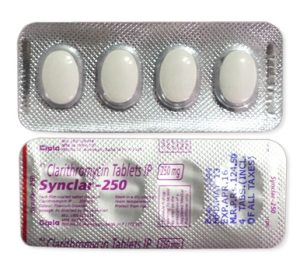
- Administered orally as immediate‑release tablets (250 mg, 500 mg), extended‑release tablets (500 mg) or as granules for oral suspension (125 mg/5 mL, 250 mg/5 mL); an IV formulation exists in some markets but is not widely available.
- Clarithromycin is absorbed and begins to act within a few hours (plasma levels typically peak around 2–3 hours); clinical symptom improvement is often seen within 48–72 hours for many infections.
- Duration of action: immediate‑release formulations are dosed every 12 hours; extended‑release provides once‑daily coverage. The elimination half‑life is roughly 3–7 hours in adults (varies with formulation and hepatic/renal function).
- Avoid heavy alcohol use while taking biaxin — alcohol can worsen gastrointestinal side effects and may increase liver stress, particularly if you have pre‑existing liver disease or are taking other hepatotoxic drugs.
- The most common side effect is gastrointestinal upset (nausea, diarrhoea, abdominal pain); other frequent effects include metallic taste, headache and elevated liver enzymes.
- Would you like to try biaxin without a prescription?
Availability & Price Landscape
Basic Biaxin Information
- INN (International Nonproprietary Name): Clarithromycin
- Brand Names Available In Australia: Biaxin; Klacid; generics (local brands may vary; some products may be imported)
- ATC Code: J01FA09
- Forms & Dosages: Immediate‑release tablets 250 mg and 500 mg (typical packs 14–42 tabs); extended‑release tablets 500 mg (7–14 tabs); granules for oral suspension 125 mg/5 mL and 250 mg/5 mL in bottles for reconstitution (50–100 mL)
- Manufacturers In Australia: Not specified
- Registration Status In Australia: Not specified
- OTC / Rx Classification: Prescription (Rx Only)
National Pharmacy Chains (Chemist Warehouse, Priceline, TerryWhite)
Want to find biaxin quickly at a familiar shop?
Major national chains such as Chemist Warehouse, Priceline and TerryWhite Chemmart commonly stock clarithromycin as generics or recognised brands where available.
These chains use bulk purchasing and discounting to offer lower private prices compared with independent pharmacies in many cases.
Stock availability can still vary by store and by pack size—immediate‑release tablets and paediatric suspension are the forms most frequently requested.
Pharmacist counselling is available in‑store for interaction checks and dose adjustments when needed.
Online Pharmacy Trends In Australia
Are you short on time or living rurally?
Online pharmacies plus telehealth prescriptions have increased access to clarithromycin for Australians, with home delivery and pharmacist advice by phone or chat.
Many patients order tablets or reconstituted suspension for children and choose generics to reduce out‑of‑pocket cost.
Ensure any online supplier verifies prescriptions and is TGA‑registered before purchasing.
Price Ranges By Package Size (PBS Vs Private)
How much will it cost?
PBS subsidy applies only to listed item numbers and indications, so pack sizes and brands may be PBS‑subsidised in some cases and private in others.
Private prices vary widely depending on brand, pack size and retailer discounting; generics are typically cheaper than branded Biaxin or Klacid.
Pharmacies frequently display a pack/price comparison on product pages to help customers choose between PBS‑eligible options and private scripts.
Patient Insights & Satisfaction Levels
Forum Reviews (ProductReview, Aussie Health Forums)
People often ask: does it actually work?
Australian forum reviews on sites like ProductReview and local health groups commonly cite clarithromycin clearing chest or sinus infections within 48–72 hours for many users.
Parents praise the suspension for ease of dosing in children and telehealth delivery for rural access.
Price and stock variability—especially between large chains and rural independents—is a frequent topic in feedback threads.
Reported Benefits And Issues From Australian Patients
Real patients report clear benefits but also common complaints.
Top reported advantages: rapid symptom relief for respiratory infections; paediatric suspension easier for children; once or twice daily dosing is convenient.
Top reported issues: gastrointestinal upset (nausea, diarrhoea), metallic or sour taste, and occasional transient hearing changes at higher doses.
- Pros: Fast relief for many; good tissue penetration; paediatric formulation available.
- Cons: GI side effects, taste disturbance, stock and price variability, and rare serious adverse events prompting urgent review.
Product Overview & Brand Variants
INN And Brand Names In Australia
What is biaxin exactly?
The International Nonproprietary Name (INN) is clarithromycin, ATC code J01FA09.
International brand names include Biaxin (originator), Klacid and Mavid, and many generics are sold under the INN.
In Australia, pharmacies typically list clarithromycin generics and may stock Klacid‑type products or imported Biaxin where available.
Legal Classification (TGA‑Approved)
Is it regulated here?
Clarithromycin is a prescription‑only medicine in nearly all markets, and products containing it are regulated by the relevant national authority.
For Australian product pages, list strengths (250 mg, 500 mg), pack sizes (14–42 tabs; 50–100 mL reconstituted suspension) and the manufacturer as either originator or generic.
Indications In Local Medical Practice
Approved Uses By TGA
Patients often want to know what infections clarithromycin treats.
Common indications in practice include community‑acquired pneumonia, bronchitis, pharyngitis, tonsillitis, skin and soft tissue infections, and as part of Helicobacter pylori triple therapy.
Off‑Label Patterns In Australian Clinics
Clinicians sometimes use clarithromycin outside core indications under specialist guidance.
Off‑label uses include treatment of atypical mycobacterial infections (MAC in HIV) and selected chronic respiratory regimens directed by specialists.
| Indication | Typical Adult Dose | Typical Duration |
|---|---|---|
| Community‑Acquired Pneumonia / Bronchitis / Pharyngitis / Skin Infection | 250–500 mg every 12 hours | 7–14 days |
| Acute Maxillary Sinusitis | 500 mg every 12 hours | 14 days |
| H. pylori Triple Therapy (with Amoxicillin + PPI) | 500 mg every 12 hours | 7–14 days |
| MAC (HIV) — Specialist Regimen | 500 mg every 12 hours (with ethambutol ± others) | Extended, per protocol |
How It Works In The Body
Layman’s Explanation
Curious how biaxin helps you recover?
Clarithromycin is a macrolide antibiotic that stops bacteria multiplying by blocking the machinery they use to make proteins.
That gives the immune system a chance to clear the infection more quickly.
Clinical Detail
At the molecular level, clarithromycin binds to the 50S ribosomal subunit and inhibits translocation during protein synthesis.
Its ATC classification is J01FA09 and it shows good tissue penetration in lungs and sinuses, which supports effective concentrations at infection sites.
Clarithromycin is metabolised in the liver via CYP3A4 and produces an active 14‑hydroxy metabolite that contributes to activity.
These pharmacokinetic features explain interaction risks with CYP3A4 substrates and the need for dose caution in renal impairment.
Dosage & Administration
Standard Regimens
What dosing should patients expect?
Most adult respiratory or skin infections are treated with immediate‑release tablets 250–500 mg every 12 hours for 7–14 days.
Acute maxillary sinusitis commonly uses 500 mg twice daily for 14 days.
For H. pylori triple therapy, 500 mg twice daily with amoxicillin and a PPI for 7–14 days is typical.
Adjustments By Patient Type (Elderly, Chronic Conditions)
Paediatric dosing is weight‑based at approximately 7.5 mg/kg every 12 hours up to 500 mg per dose, using oral suspension.
For renal impairment with CrCl <30 mL/min, halve the normal dose or double the dosing interval.
Use with caution in significant hepatic dysfunction and seek specialist advice for severe liver disease.
- Missed Dose: Take as soon as possible, but do not double the next dose.
- Elderly: Standard dosing unless hepatic or renal impairment is present.
Contraindications & Side Effects
Common
Which patients should avoid biaxin entirely?
Absolute contraindications include hypersensitivity to clarithromycin or other macrolides and prior clarithromycin‑related cholestatic jaundice or hepatic dysfunction.
Common side effects are gastrointestinal—nausea, diarrhoea, vomiting, dyspepsia—plus metallic or sour taste, headache and rash.
Rare But Serious (Australian Safety Data)
Serious but rare adverse events reported in pharmacovigilance data include severe hepatotoxicity, QT‑prolongation‑related arrhythmias and C. difficile infection.
Use caution when co‑prescribing with colchicine in patients with hepatic or renal impairment, and review any CYP3A4 substrates such as some statins or benzodiazepines.
| Contraindication / Risk | Notes |
|---|---|
| Hypersensitivity To Macrolides | Absolute contraindication |
| Cholestatic Jaundice From Clarithromycin | Absolute contraindication |
| QT Prolongation / Bradycardia | Relative—monitor ECG and medicines that prolong QT |
| Severe Hepatic Or Renal Impairment | Use caution; specialist advice recommended |
Comparable Medicines
Alternatives Table (PBS And Non‑PBS)
| Medicine | ATC | Typical Availability | Pros / Cons |
|---|---|---|---|
| Azithromycin (Zithromax) | J01FA10 | PBS and private (depends on indication) | Once‑daily dosing and shorter courses; different resistance profile. |
| Erythromycin | J01FA01 | Private | Older macrolide with more GI upset; useful in certain situations. |
| Roxithromycin (Rulid) | J01FA06 | Private | Similar macrolide class; local availability varies. |
| Amoxicillin‑Clavulanate (Augmentin) | J01CR02 | Commonly PBS | Broader spectrum for some sinus and skin infections; different side‑effect profile. |
| Levofloxacin | J01MA12 | Restricted / private | Reserved for specific cases due to safety concerns. |
Pros And Cons List
- Pros Of Clarithromycin: Good tissue penetration, effective versus atypical pathogens, paediatric suspension available.
- Cons Of Clarithromycin: CYP3A4 drug interactions, metallic taste, potential hepatic and QT risks.
Current Research & Trends
Major Studies 2022–2025 (Australia + International)
What are researchers focusing on?
Recent studies from 2022–2025 have concentrated on antimicrobial stewardship, macrolide resistance trends and clarithromycin’s role in combination therapies such as H. pylori regimens.
Trials comparing macrolides with doxycycline or β‑lactams for community‑acquired pneumonia continue to inform empirical prescribing choices.
Resistance & Stewardship
Rising macrolide resistance in community Streptococcus pneumoniae and Haemophilus spp. affects empirical use of clarithromycin.
Pharmacies should promote narrow‑spectrum prescribing where appropriate and include stewardship messaging on product pages—use only for prescribed indications and return unused antibiotics to the pharmacy.
Common Patient Questions
These are the questions heard at the pharmacy counter most often.
- Can I buy clarithromycin without a script? Clarithromycin is prescription‑only, but pharmacists can advise and help arrange a GP or telehealth script; in our online pharmacy, biaxin is available without a prescription, with discreet delivery to Australia in 9-21 days.
- Can I take it with other medicines? Check before taking with statins, some benzodiazepines, colchicine or other CYP3A4 substrates and with QT‑prolonging drugs.
- What if I miss a dose? Take as soon as possible unless it is near the next dose; do not double up.
- Pregnancy or breastfeeding? Discuss with the prescriber; use only if benefits outweigh risks.
- Children? Use reconstituted suspension and dose by weight (≈7.5 mg/kg q12h).
- Storage? Tablets below 25°C; reconstituted suspension refrigerated 2–8°C and discard after 14 days.
When to call the pharmacist or emergency department:
- Severe diarrhoea, especially with blood or fever.
- Jaundice, dark urine or severe abdominal pain.
- Chest pain, palpitations, fainting or severe shortness of breath.
- Severe rash, facial swelling or breathing difficulty.
Regulatory Status
TGA Approval
Is biaxin registered here?
Clarithromycin is widely registered internationally and is regulated as a prescription‑only medicine in most countries.
For Australian registration details and specific product information, pharmacists and clinicians should consult the TGA and individual product information where required.
PBS Subsidy Details
PBS listing depends on formulation, indication and negotiated subsidy status.
Some clarithromycin products or indications may be PBS‑subsidised while others are private—check the PBS Schedule and item numbers for current subsidy details and pricing.
Visual Recommendations
Good visuals help customers understand dosing, safety and price differences.
Recommended assets for a product page: dose‑chart infographic (adult/pediatric and renal adjustments), pack/price comparison table (brand, generic, pack size, PBS/private price ranges), interaction flowchart highlighting high‑risk medicines, and storage visuals showing tablet vs suspension handling and discard timelines.
Product photos should show blister packs and the suspension bottle with clear labelling and strength information.
Include a clear “Check with your pharmacist/GP” prompt and a TGA link on every visual.
Buying & Storage Advice
In‑Store Vs Online Purchase Tips In Australia
Should you buy at a shop or online?
In‑store purchase gives immediate pharmacist counselling for interaction checks, allergy history and dosing questions.
Online pharmacies and telehealth scripts are convenient for rural patients and those short on time—ensure the site verifies prescriptions and is TGA‑registered.
Storage In Australian Household Conditions (Heat/Humidity)
How to keep biaxin effective at home.
Tablets: store below 25°C, away from light and moisture; avoid leaving packs in hot cars or bathrooms during humid summers.
Oral suspension: reconstitute per manufacturer instructions, refrigerate at 2–8°C and discard after 14 days.
| Form | Storage Temperature | Discard Timeline |
|---|---|---|
| Tablets | Below 25°C | Until expiry date on pack |
| Reconstituted Oral Suspension | 2–8°C (Refrigerate) | Discard after 14 days |
Guidelines For Proper Use
Pharmacist Guidance In Australia
What to cover at the point of dispensing.
Confirm indication, allergy history and current medicines, especially CYP3A4 substrates, colchicine and statins.
Ask about cardiac history for QT risk and check renal and hepatic function where applicable.
Patient Safety Recommendations
Advise patients to take doses evenly spaced and to follow product recommendations about food.
Stress completion of the prescribed course even if symptoms improve and provide clear missed‑dose instructions.
For children, demonstrate correct reconstitution and dose by weight and provide a written dosing card or label.
Include stewardship advice: use only for prescribed indication and return unused antibiotics to the pharmacy.
Delivery Across Australia
| City | Region | Delivery Time |
|---|---|---|
| Sydney | New South Wales | 9-14 days |
| Melbourne | Victoria | 9-14 days |
| Brisbane | Queensland | 9-14 days |
| Perth | Western Australia | 9-14 days |
| Adelaide | South Australia | 9-14 days |
| Canberra | Australian Capital Territory | 9-14 days |
| Hobart | Tasmania | 14-21 days |
| Darwin | Northern Territory | 14-21 days |
| Gold Coast | Queensland | 9-14 days |
| Newcastle | New South Wales | 9-14 days |
| Wollongong | New South Wales | 9-14 days |
| Sunshine Coast | Queensland | 9-14 days |
| Cairns | Queensland | 14-21 days |
| Townsville | Queensland | 14-21 days |
| Geelong | Victoria | 9-14 days |