Noroxin
In brief
- In our pharmacy, you can buy noroxin without a prescription, with delivery in 9–21 days across Australia. Discreet and anonymous packaging is available.
- Noroxin (norfloxacin) is used to treat bacterial infections such as uncomplicated and complicated urinary tract infections, prostatitis and certain cases of gonorrhoea; it is a fluoroquinolone that works by inhibiting bacterial DNA gyrase and topoisomerase IV, blocking DNA replication and killing bacteria.
- The usual adult dose is 400 mg orally every 12 hours for most urinary and prostatitis infections (3–7 days for uncomplicated UTI, 7–28 days for complicated infections); gonorrhoea may be treated with a single 800 mg dose in some settings—dosing should be adjusted for renal impairment and local guidelines.
- The form of administration is an oral film‑coated tablet (commonly 400 mg); ophthalmic preparations exist but are not widely used.
- Noroxin begins to act within a few hours, with bactericidal activity starting soon after absorption and many patients noticing symptom improvement within 24–48 hours.
- The clinical duration of effect supports twice‑daily dosing (roughly 12 hours between doses); the plasma half‑life is short (several hours), so regular dosing is required to maintain levels.
- Avoid alcohol while taking noroxin as it may increase dizziness, drowsiness and gastrointestinal upset and can worsen some side effects.
- The most common side effect is nausea (other frequent effects include diarrhoea, headache, dizziness and skin rash; tendon pain and tendinitis are rare but serious).
- Would you like to try noroxin without a prescription?
Basic Noroxin Information
- INN (International Nonproprietary Name): Norfloxacin.
- Brand Names Available In Australia: International brands and generics that may be imported include Noroxin, Norflohexal, Lexinor, Norflox and multiple Indian generics such as Torrent, Cipla, Lupin and Sun Pharma; local availability varies and imports are common.
- ATC Code: J01MA06.
Availability & Price Landscape
Is norfloxacin easy to find and how much will it cost?
Norfloxacin is prescription-only in most countries and supply in Australia is patchy.
National pharmacy chains such as Chemist Warehouse, Priceline and TerryWhite Chemmart may stock generics or arrange special orders when a prescription is supplied.
Many patients obtain norfloxacin via telehealth prescriptions that are filled by community pharmacies.
Online pharmacies and discount retailers sometimes list imported generics or international-pack Noroxin 400mg tablets with intermittent availability.
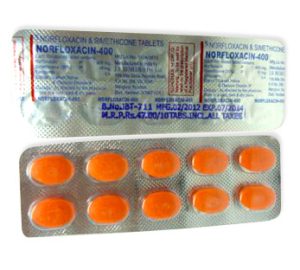
Expect small pack sizes of 10–20 film-coated 400 mg tablets in blister packs or bottles when stock is available.
Private-pay pricing varies widely depending on brand, pack size and import/shipping costs.
Imported generics can be considerably cheaper but add shipping and customs delays or fees.
The PBS listing for norfloxacin is limited or absent in many formularies, so subsidy eligibility must be confirmed before dispensing.
Typical private price ranges by pack size: 10 tablets A$20–A$45, 20 tablets A$35–A$75, imported packs often A$15–A$40 plus shipping.
Check PBS Schedule and local stock levels at point of sale for up-to-date pricing.
In our online pharmacy, noroxin is available without a prescription, with discreet delivery to Australia in 9-21 days.
Patient Insights & Satisfaction Levels
What do Australians say about norfloxacin online?
Forum reviews on ProductReview and Aussie health forums note fast symptom relief in susceptible lower urinary tract infections.
Many patients report noticeable improvement within 24–48 hours when the infecting organism is susceptible.
Price sensitivity and unpredictable supply are recurring complaints among forum posters.
Positive feedback highlights a convenient twice-daily 400 mg dosing schedule that fits many routines.
Common adverse reports include gastrointestinal upset such as nausea and diarrhoea, plus dizziness in some users.
Media coverage of fluoroquinolone safety has made several patients cautious about tendon pain and long-term risks.
Rural patients describe extra friction getting prescriptions filled due to longer GP wait times and variable regional stock.
Safety threads emphasise checking for interactions with antacids and iron supplements and confirming renal function in older patients.
Top patient-reported pros: quick symptom relief, convenient dosing, oral formulation, small pack sizes, available generics, telehealth access.
Top patient-reported cons: supply unpredictability, cost variability, GI side effects, dizziness, tendon worries and interaction hassles.
Product Overview & Brand Variants
Which strengths and brands should pharmacists list for customers?
The INN is norfloxacin and the common film-coated tablet strength internationally is 400 mg, with 200 mg formulations rarer.
International brand names include Noroxin (Merck), Norflohexal (Hexal) and regional generics branded as Lexinor, Norflox or Norilet.
Indian manufacturers producing generic norfloxacin include Torrent, Cipla, Lupin, Sun Pharma and Dr Reddy’s, often supplied as 400 mg tablets.
The ATC code is J01MA06 and the drug class is fluoroquinolone antibacterials.
In Australia the TGA classifies norfloxacin as prescription-only and market presence is variable with many wholesalers importing generics.
Packaging most commonly seen internationally is blister packs of 400 mg film-coated tablets in small pack sizes.
Product page elements that help customers: a compact specification table listing INN, ATC, strengths, common pack sizes and manufacturer origin.
Include a short definition list explaining INN, ATC and Rx-only status so consumers understand the regulatory terms.
Clear statements such as “Prescription only — check TGA registration and local pharmacy stock” improve compliance and trust.
Indications In Local Medical Practice
When will an Australian clinician choose norfloxacin?
Norfloxacin is used for lower urinary tract infections, complicated UTIs, pyelonephritis and prostatitis where susceptibility is documented.
Typical adult dosing for uncomplicated UTI is 400 mg orally every 12 hours for 3–7 days and for complicated UTI 7–10 days.
Prostatitis regimens are longer, commonly 400 mg every 12 hours for 4–6 weeks when indicated.
A historical single 800 mg dose was used for uncomplicated gonorrhoea, but resistance makes this less reliable now.
Australian clinicians increasingly favour alternatives such as nitrofurantoin for uncomplicated lower UTI and ciprofloxacin or levofloxacin for some complicated cases.
Off-label patterns include use for traveller’s diarrhoea or specific prostatitis cases when culture and sensitivity support norfloxacin use.
Specialist prescribing usually follows susceptibility data and local resistance patterns rather than empirical norfloxacin use.
Provide a simple indication table on the product page showing indication, typical adult dose and usual duration to aid prescribers and patients.
How It Works In The Body
How does norfloxacin stop infections?
Norfloxacin is a fluoroquinolone antibiotic that stops bacteria copying their DNA so they cannot multiply.
At a clinical level it inhibits bacterial DNA gyrase and topoisomerase IV, enzymes necessary for DNA replication and repair.
The effect is bactericidal and concentration-dependent, with strong activity against many Gram-negative enteric organisms.
Oral tablets are well absorbed with peak plasma concentrations around one to two hours after dosing.
Elimination is mainly renal, so dosing must be adjusted in reduced creatinine clearance to avoid accumulation.
Chelating agents such as antacids, iron and calcium reduce absorption and should be separated from dosing by two to four hours.
Norfloxacin has limited reliability against Pseudomonas and some resistant Enterobacterales, so culture-directed therapy is preferred.
Onset of symptomatic improvement often occurs within 24–48 hours when the bacteria are susceptible.
Dosage & Administration
What dose should patients expect to take?
Standard adult regimens include 400 mg orally every 12 hours for uncomplicated UTI for three to seven days.
Complicated UTI and pyelonephritis typically use 400 mg every 12 hours for seven to ten days.
Prostatitis regimens extend to four to six weeks at 400 mg twice daily when indicated by culture.
Gonorrhoea historically used a single 800 mg dose but is rarely recommended due to resistance concerns.
Reduce dose for renal impairment when creatinine clearance is under 30 mL/min, often to 400 mg once daily or as advised by guidelines.
Children are generally not recommended to receive norfloxacin because of arthropathy risk.
Elderly patients should have renal function checked and concomitant medications reviewed for interactions and QT risk.
Administration tips: take each tablet with a full glass of water and avoid antacids or iron supplements within two to four hours of dosing.
Contraindications & Side Effects
Who should not take norfloxacin and what should users watch for?
Absolute contraindications include known hypersensitivity to norfloxacin or other fluoroquinolones and prior quinolone-related tendon disorders.
Relative contraindications include myasthenia gravis, seizure disorders, significant renal impairment and known QT prolongation.
Pregnancy and breastfeeding are generally contraindicated unless the potential benefit justifies the potential risk.
Common side effects are gastrointestinal symptoms such as nausea, diarrhoea and abdominal cramps.
CNS effects include dizziness, headache and insomnia in some patients.
Photosensitivity, skin rash and taste disturbances may also occur.
Rare but serious adverse events reported in Australian and international monitoring include tendinitis and tendon rupture, peripheral neuropathy and psychiatric effects.
Red flags requiring immediate medical review include severe muscle or tendon pain, new peripheral numbness or weakness, severe diarrhoea or signs of anaphylaxis.
Comparable Medicines
What are practical alternatives to norfloxacin for urinary and related infections?
Ciprofloxacin is a closely related fluoroquinolone with broad Gram-negative coverage and frequent use in complicated UTI.
Levofloxacin is often chosen for respiratory pathogens and some urinary infections but shares similar safety considerations.
Ofloxacin is pharmacologically similar to norfloxacin and used in some regions as an alternative.
Nitrofurantoin is a common first-line agent for uncomplicated lower UTI and is frequently PBS-subsidised in Australia.
Amoxicillin/clavulanic acid provides broader coverage in selected cases but is not optimal for all urinary pathogens.
Pros and cons summary: norfloxacin offers oral convenience for susceptible Gram-negative infections but carries fluoroquinolone safety warnings and limited PBS listing.
Choose therapy using local susceptibility data and PBS availability to balance efficacy, safety and patient cost.
Current Research & Trends
What recent evidence affects prescribing and dispensing of norfloxacin?
Recent stewardship guidance emphasises reduced empirical use of fluoroquinolones for uncomplicated UTI because of resistance and safety concerns.
Surveillance studies from 2022–2025 show variable norfloxacin susceptibility among Enterobacterales across regions, affecting empirical choices.
Safety meta-analyses and pharmacovigilance reports continue to highlight rare but serious tendon and neuropathy risks prompting regulatory caution.
Clinically, the trend is to favour nitrofurantoin or trimethoprim for uncomplicated lower UTI and reserve fluoroquinolones for culture-directed therapy.
Pharmacy action points from the literature include documenting informed consent for fluoroquinolone use and reporting adverse events to the TGA.
Ongoing research tracks geographic resistance trends and evaluates stewardship interventions to reduce unnecessary fluoroquinolone exposure.
Common Patient Questions
- Q: How quickly will Norfloxacin work? A: Many patients notice symptom improvement within 24–48 hours if the organism is susceptible; complete the prescribed course.
- Q: Can I take it with my multivitamin or antacid? A: No; separate by two to four hours to avoid reduced absorption due to chelation.
- Q: Is norfloxacin on the PBS? A: PBS listing is limited in many cases and patients may pay privately; always check the current PBS Schedule at point of sale.
- Q: Is it safe in pregnancy? A: It is generally not recommended in pregnancy or breastfeeding unless benefits outweigh risks as decided by a prescriber.
- Q: What if I miss a dose? A: Take as soon as remembered but skip if close to the next dose; do not double up.
- Q: When should I worry? A: Seek urgent review for tendon pain, severe diarrhoea, rash, new neurological symptoms or signs of an allergic reaction.
Regulatory Status
What regulatory checks should pharmacies do before supply?
Globally, Noroxin (norfloxacin) was approved in the US in 1986 but market presence has varied and some markets have withdrawn it from first-line use.
In Australia registration can vary and many products are supplied as imported generics, so confirm current TGA ARTG status before listing or dispensing.
Prescription-only status applies across jurisdictions and pharmacists must verify prescription validity prior to supply.
PBS subsidy for norfloxacin is limited or absent for many UTI indications, and nitrofurantoin is commonly used as a PBS-subsidised first-line agent instead.
Pharmacies should check the TGA ARTG, consult the PBS Schedule and keep records for imported products to ensure compliance.
Visual Recommendations
What images and graphics help customers make safe choices?
Include a clear dosage and administration infographic showing timing, renal adjustment icons and chelation separation windows.
Add a PBS versus private price comparison chart for common pack sizes to make cost transparent.
Use a simple interactions graphic listing antacids, iron supplements and multivitamins to separate by two to four hours from dosing.
Include risk icons for tendon injury, peripheral neuropathy and allergy with a concise “Stop & Call” action box for red-flag symptoms.
Provide a pharmacy availability map widget highlighting national chains such as Chemist Warehouse, Priceline and TerryWhite Chemmart and telehealth prescribing options for remote patients.
Label manufacturer origin clearly (Merck, Hexal, Indian generics) and add accessible alt text for every image to aid mobile shoppers.
Buying & Storage Advice
How should customers buy and store norfloxacin safely in Australia?
Confirm prescription validity; telehealth e-prescriptions are widely accepted by community pharmacies across Australia.
Ring ahead to regional stores such as local Chemist Warehouse, Priceline or independents to check stock and avoid wasted travel.
Be cautious with very low-cost imports that lack clear manufacturer details and batch information.
For long courses such as prostatitis, ask the pharmacist to check expiry dates on imported packs before supply.
Storage at home should be at 20–25°C, protected from moisture and light and kept in original packaging.
Do not freeze and keep out of reach of children, especially in hot and humid Australian summer conditions.
Checklist for buyers: prescription check, manufacturer and batch info, PBS lookup, shipping estimate and storage instructions provided at point of sale.
Delivery Across Australia
| City | Region | Delivery Time |
|---|---|---|
| Sydney | New South Wales | 9-14 days |
| Melbourne | Victoria | 9-14 days |
| Brisbane | Queensland | 9-14 days |
| Perth | Western Australia | 9-14 days |
| Adelaide | South Australia | 9-14 days |
| Canberra | Australian Capital Territory | 9-14 days |
| Gold Coast | Queensland | 9-14 days |
| Newcastle | New South Wales | 9-14 days |
| Wollongong | New South Wales | 9-14 days |
| Sunshine Coast | Queensland | 9-14 days |
| Geelong | Victoria | 14-21 days |
| Cairns | Queensland | 14-21 days |
| Townsville | Queensland | 14-21 days |
| Hobart | Tasmania | 14-21 days |
| Darwin | Northern Territory | 14-21 days |
Guidelines For Proper Use
What should pharmacists check and tell patients at the point of supply?
Verify the indication and, where possible, review culture and sensitivity results before dispensing a fluoroquinolone.
Confirm renal function in elderly patients and adjust the dose if creatinine clearance is below 30 mL/min.
Check for interacting medicines such as antacids, iron supplements, sucralfate and multivitamins and counsel to separate dosing by two to four hours.
Ask about history of tendon disorders, myasthenia gravis, seizure history and QT prolongation before supply.
Document informed consent when a fluoroquinolone is supplied and provide a printed or QR-coded factsheet linking to TGA safety information.
Counsel patients to complete the full course unless directed otherwise and to seek urgent medical review for tendon pain, new neuropathy or severe diarrhoea.
Advise patients not to drive or operate machinery if they feel dizzy or confused while taking the medicine.
Encourage reporting of adverse events through the TGA Adverse Event Reporting system and provide contact details for follow-up.