Zyvox
In brief
- In Australia zyvox is a prescription-only antibiotic and should legally be supplied from a pharmacy with a prescription; however some pharmacies or online sellers may dispense it without a receipt—this is not recommended and may be unsafe or unlawful.
- Zyvox (linezolid) is used for serious Gram‑positive infections including MRSA and VRE (complicated skin/soft tissue infections, pneumonia). It is an oxazolidinone that inhibits bacterial protein synthesis by binding the 50S ribosomal subunit and preventing formation of the initiation complex.
- The usual adult dose is 600 mg every 12 hours (oral or IV); in children the usual dose is 10 mg/kg every 8–12 hours (not to exceed 600 mg per dose). Typical treatment courses are 10–14 days, up to 28 days for severe infections.
- Available as 600 mg film‑coated tablets, 100 mg/5 mL oral suspension (150 mL bottle) and powder for IV infusion vials (200 mg, 400 mg, 600 mg) — administered orally or by intravenous infusion.
- Symptomatic improvement is often seen within 48–72 hours of starting treatment, though microbial effects begin earlier; full clinical response depends on infection severity.
- Linezolid has a plasma half‑life of around 4–6 hours and is dosed every 12 hours — the clinical effect of each dose is generally maintained over the 12‑hour dosing interval.
- Avoid excessive alcohol while on zyvox; alcohol can worsen side effects and complicate underlying conditions — also avoid high‑tyramine foods and be cautious with serotonergic medications due to interaction risks.
- The most common side effect is nausea; other frequent effects include diarrhoea, headache, taste changes, oral/vaginal thrush and insomnia. Serious risks with prolonged use include myelosuppression, peripheral/optic neuropathy, lactic acidosis and serotonin syndrome with interacting drugs.
- Would you like to try zyvox without a prescription?
Basic Zyvox Information
- INN (International Nonproprietary Name): Linezolid.
- Brand Names Available In Australia: not specified.
- ATC Code: J01XX08.
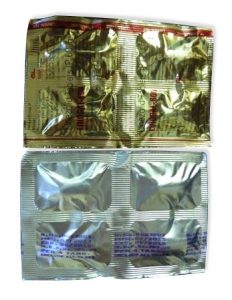
- Forms & Dosages: Film-coated tablets 600 mg (10 or 20 per blister/box); oral suspension 100 mg/5 mL in 150 mL bottle; powder for injection vials 200 mg, 400 mg or 600 mg.
- Manufacturers In Australia: not specified.
- Registration Status In Australia: not specified.
- OTC / Rx Classification: Prescription (Rx) only.
Availability & Price Landscape
National Pharmacy Chains (Chemist Warehouse, Priceline, TerryWhite)
Is linezolid easy to pick up from the local chain pharmacy?
Most national chains such as Chemist Warehouse, Priceline and TerryWhite routinely fulfil valid prescriptions for specialist antibiotics like linezolid when supplied by a prescriber.
Community pharmacists will often refer clinically complex scripts to an on-site clinical pharmacist for counselling and monitoring arrangements.
Tablets labelled as Zyvox or generic linezolid are commonly dispensed from the community setting on script only.
IV vials and inpatient formulations are typically supplied via hospitals rather than retail shelves.
Online Pharmacy Trends In Australia
How are patients arranging continuity of care for reserve antibiotics?
Telehealth prescriptions and online pharmacy fulfilment have become common for outpatient step-down to oral linezolid, with pharmacies confirming baseline tests before supply.
Rural patients often use online ordering with pathology collection points or OPAT coordination to reduce travel.
Price and availability can vary between bricks-and-mortar chains and online dispensaries, especially between branded Zyvox and generics.
Price Ranges By Package Size (PBS Vs Private)
What will it cost if the script isn’t on the PBS?
Linezolid is generally not a routine PBS item for broad community use and many outpatient scripts attract private out-of-pocket costs.
Expect clear price differences between branded Zyvox and generic linezolid preparations, with 10‑ and 20‑tablet boxes of 600 mg driving most retail prices.
Oral suspension (100 mg/5 mL) is less common in community stock and can be notably more expensive per treatment day than tablets.
A simple comparison table on store pages helps patients see PBS versus private bands and typical pack sizes.
Patient Insights & Satisfaction Levels
Forum Reviews (ProductReview, Aussie Health Forums)
Do real patients say linezolid works?
Australian forum threads and ProductReview pages show patients reporting fast clinical responses to linezolid in resistant infections when prescribed appropriately.
Many posts praise the oral tablet convenience of Zyvox 600 mg for enabling earlier hospital discharge and easier home therapy.
Telehealth and online pharmacy stories are common among regional users seeking follow-up monitoring without long travel.
Reported Benefits And Issues From Australian Patients
What do people commonly report about experience and safety?
- Top 5 Benefits: Rapid symptom improvement for MRSA/VRE, oral therapy convenience, earlier discharge from hospital, effective after other antibiotics failed, suitable for OPAT step-down.
- Top 5 Issues: Monitoring burden (frequent CBCs), taste alteration and GI upset, insomnia, concerns about neuropathy with prolonged use, cost and access to IV forms in rural areas.
Practical tip for dispensing staff: highlight monitoring requirements and likely side effects at handover, and set up referral pathways for urgent lab checks.
Product Overview & Brand Variants
INN And Brand Names In Australia
What names might a patient see on a prescription?
The international nonproprietary name is linezolid and the originator brand is Zyvox from Pfizer.
Multiple generics are available internationally and generics may be supplied locally depending on sponsor listings and stock.
Legal Classification (TGA‑Approved)
Is linezolid regulated in Australia?
Linezolid is prescription-only in the jurisdictions reviewed and TGA approval and sponsor details should be checked before retail supply.
Packaging commonly seen internationally is 600 mg film-coated tablets in 10 or 20 packs, 100 mg/5 mL oral suspension in 150 mL bottles, and IV vials in 200/400/600 mg for inpatient use.
Pharmacies must verify sponsor and batch details when stocking and should list brand vs generic attributes on product pages, including price and supplier notes.
Indications In Local Medical Practice
Approved Uses By TGA
When will a prescriber choose linezolid?
Linezolid is a reserve antibiotic used for complicated skin and soft tissue infections and pneumonia caused by resistant Gram‑positive organisms such as MRSA and VRE where alternatives are unsuitable.
Standard adult dosing is 600 mg every 12 hours, oral or IV, typically for 10–14 days for most indications.
Off‑Label Patterns In Australian Clinics
Are there situations where specialists use it off‑label?
Specialists may use linezolid for prosthetic joint infections, complicated bacteraemia or as an oral step‑down from IV therapy under infectious diseases oversight.
These off‑label uses are chosen carefully because prolonged courses increase risks of myelosuppression and neuropathy.
Simple inpatient‑to‑outpatient step‑down flow: patient stabilised on IV → specialist clearance → baseline CBC and plan for weekly CBC → switch to oral linezolid 600 mg q12h with pharmacy monitoring reminders.
How It Works In The Body
Layman’s Explanation
How does linezolid stop an infection?
Linezolid works by stopping bacteria from making proteins they need to grow, effectively halting further multiplication.
This action makes it valuable against Gram‑positive bacteria that are resistant to other antibiotics.
Clinical Detail
What’s the pharmacology behind it?
Linezolid belongs to the oxazolidinone class and binds to the 50S ribosomal subunit to prevent formation of the initiation complex for protein synthesis.
The drug is predominantly bacteriostatic against many Gram‑positive pathogens including MRSA and VRE.
It has excellent oral bioavailability, meaning oral exposure approximates IV exposure and facilitates safe IV‑to‑oral switch in suitable patients.
Metabolism is not CYP dependent and excretion is via renal and non‑renal routes; routine dose adjustment is not required in mild to moderate renal impairment.
Key safety considerations include reversible monoamine oxidase inhibition and blood count suppression with prolonged therapy.
Dosage & Administration
Standard Regimens
What dose should an adult take?
Standard adult dosing is 600 mg every 12 hours, by mouth or IV, usually for 10–14 days for common indications.
Severe infections may require up to 28 days under specialist supervision, with close monitoring for haematological and neurological adverse effects.
Children ≤11 years: 10 mg/kg every 8–12 hours, not to exceed 600 mg per dose.
Adjustments By Patient Type (Elderly, Chronic Conditions)
Do elderly or renal patients need dose changes?
No routine dose reduction is required for mild to moderate renal or hepatic impairment, but monitor for metabolite accumulation in severe renal failure or ESRD.
Elderly patients do not usually need dose adjustment but require increased vigilance for myelosuppression and neuropathy.
For courses beyond two weeks arrange weekly complete blood counts and baseline ophthalmology if therapy may be prolonged.
Contraindications & Side Effects
Common
Which side effects should patients expect?
Common reactions include nausea, diarrhoea, headache, taste alteration, oral or vaginal thrush and insomnia.
Pharmacists should warn patients about these and provide symptomatic advice and oral care tips.
Rare But Serious (Australian Safety Data)
Which adverse events need urgent action?
Serious but less common effects include myelosuppression (anaemia, thrombocytopenia, leukopenia) typically after more than two weeks of therapy, and peripheral or optic neuropathy with prolonged use.
There is also a risk of serotonin syndrome when combined with serotonergic agents and rare lactic acidosis reports.
Pharmacy action checklist: new bruising or bleeding → arrange urgent CBC; new visual changes or numbness → stop and refer for specialist review; signs of serotonin syndrome → urgent medical review.
Comparable Medicines
Alternatives Table (PBS And Non‑PBS)
| Drug | Formulation | Typical Indication | PBS Availability | Key Pros/Cons |
|---|---|---|---|---|
| Vancomycin | IV | Serious MRSA infections | Often PBS for inpatient/authority | Pros: Established efficacy. Cons: IV only, therapeutic drug monitoring. |
| Daptomycin | IV | Skin/soft tissue, bacteraemia (not pneumonia) | Often private or authority‑listed | Pros: Bactericidal. Cons: Expensive, IV only. |
| Tigecycline | IV | Complicated intra‑abdominal and skin infections | Limited PBS | Pros: Broad activity. Cons: IV, nausea common. |
| Tedizolid | Oral/IV | Resistant Gram‑positive infections | Limited PBS | Pros: Shorter course, possibly fewer haematological effects. Cons: Limited availability/PBS. |
Pros And Cons List
Linezolid advantage is a convenient oral option (Zyvox tablets) allowing outpatient management of resistant Gram‑positive infections.
Downsides are regular blood count monitoring and neuropathy risk with prolonged treatment.
Vancomycin and daptomycin remain key IV alternatives that may be PBS‑listed for inpatient use but lack oral convenience.
Current Research & Trends
Major Studies 2022–2025 (Australia + International)
What are researchers looking at with linezolid?
Recent international trials focus on optimising duration, comparing linezolid with daptomycin or vancomycin and evaluating stewardship to limit resistance.
Studies show similar efficacy across some agents but differing safety profiles, with linezolid offering oral convenience in suitable patients.
Research is ongoing into therapeutic drug monitoring and lower‑dose strategies to reduce cytopenias, though standard dosing remains 600 mg q12h until robust RCTs change practice.
Practice Implications For Pharmacists
Pharmacists should expect strengthened antimicrobial stewardship, frequent requests for outpatient monitoring plans and coordination with OPAT programmes for rural patients.
Surveillance of MRSA/VRE susceptibility and vigilance for neuropathy reports remains a local priority.
Common Patient Questions
Here are the FAQs patients ask at the pharmacy counter.
- Can I get Zyvox from a community pharmacy without hospital involvement? Only with a valid prescription, and many prescribers coordinate monitoring with hospitals or OPAT services.
- How soon does it work? Clinical improvement is often seen within 48–72 hours for susceptible infections.
- What monitoring is needed? Baseline CBC, weekly CBC after day 7 if continuing, and vision checks if therapy exceeds two weeks.
- Can I switch from IV to oral? Yes — oral linezolid has excellent bioavailability and is the standard switch when clinically appropriate.
- Can I buy online? Only through Australian‑registered pharmacies with a valid prescription; telehealth scripts are commonly used and pharmacies will confirm monitoring arrangements.
Quick pharmacist counselling checklist: confirm indication and monitoring, check drug interactions (antidepressants, MAOIs), explain side effects and missed‑dose guidance, and provide written monitoring reminders.
Regulatory Status
TGA Approval
Is linezolid listed with Australian regulators?
Linezolid is an approved antibacterial internationally, and pharmacists should verify current Australian Register of Therapeutic Goods entries and sponsor details prior to supply.
Legal classification is prescription‑only.
PBS Subsidy Details
Is linezolid on the PBS?
Linezolid’s PBS listing is limited and indication‑specific, meaning many outpatient uses will not be subsidised and will result in private charges.
Store pages should clearly state whether a product is PBS‑listed for the patient’s indication and note any authority requirements or need for specialist scripts.
Visual Recommendations
What visuals help patients decide quickly online?
- Infographic: Tablet vs suspension vs IV showing who supplies each (community pharmacy for tablets/suspension, hospital for IV).
- Flowchart: Prescription → Baseline tests → Dispense → Weekly monitoring → Duration/stop criteria.
- Pricing visual: Bar chart comparing typical private cost ranges for 10 vs 20 tablet packs and suspension, with PBS exceptions noted.
- Storage icons: tablet (<30°C), suspension (20–25°C after reconstitution, use within 21 days), IV vials (room temp, protect from light).
- Safety badges: When to ring your pharmacist for signs of thrombocytopenia, neuropathy or serotonin syndrome.
Buying & Storage Advice
In‑Store Vs Online Purchase Tips In Australia
How should patients buy linezolid safely?
Only supply with a valid prescription and confirm the monitoring plan before dispensing.
In our online pharmacy, zyvox is available without a prescription, with discreet delivery to Australia in 9‑21 days.
When advising on brand choice, note the likely higher cost of branded Zyvox compared with generics and emphasise checking TGA‑listed sponsors for authenticity.
Storage In Australian Household Conditions (Heat/Humidity)
How should patients keep their medicine at home?
Tablets: store below 30°C and protect from humidity; avoid bathroom storage.
Suspension: after reconstitution store at 20–25°C, do not refrigerate and use within 21 days.
IV vials: store at room temperature and protect from light.
Advise cool, shaded storage during hot Australian summers and suggest insulated travel bags for short trips if needed.
Guidelines For Proper Use
Pharmacist Guidance In Australia
What should the dispensing pharmacist do every time?
Verify the indication and that a specialist or GP has arranged baseline CBC and follow‑up monitoring.
Check the medication list for serotonergic or adrenergic drugs and recent MAOI use and document counselling per pharmacy standards.
Provide clear written advice on side effects, missed doses and when to seek urgent care.
Patient Safety Recommendations
What safety points must patients know before leaving the pharmacy?
Complete the full prescribed course unless directed otherwise and report new bruising, bleeding, persistent sore throat or fever immediately.
Stop and seek review for new vision changes or numbness and get urgent care for agitation, very fast heart rate or sudden fever that could indicate serotonin syndrome.
For therapy beyond 14 days arrange ophthalmology review and weekly CBC monitoring.
Include a short pharmacist counselling script and a patient safety checklist card inside the medicine pack.
Delivery Across Australia
| City | Region | Delivery Time |
|---|---|---|
| Sydney | New South Wales | 9-14 days |
| Melbourne | Victoria | 9-14 days |
| Brisbane | Queensland | 9-14 days |
| Perth | Western Australia | 9-14 days |
| Adelaide | South Australia | 9-14 days |
| Canberra | Australian Capital Territory | 9-14 days |
| Gold Coast | Queensland | 9-14 days |
| Newcastle | New South Wales | 9-14 days |
| Wollongong | New South Wales | 9-14 days |
| Geelong | Victoria | 9-14 days |
| Hobart | Tasmania | 14-21 days |
| Darwin | Northern Territory | 14-21 days |
| Cairns | Queensland | 14-21 days |
| Townsville | Queensland | 14-21 days |