Cipro
In brief
- In our pharmacy, you can buy cipro without a prescription, with delivery in Australia. It is a prescription-only medicine in official regulatory settings, but our pharmacy offers discreet and anonymous packaging.
- Cipro is used to treat bacterial infections such as urinary tract infections, respiratory tract infections, typhoid fever, gonorrhoea, and some eye or ear infections. Its active ingredient, ciprofloxacin, is a fluoroquinolone antibiotic that works by inhibiting bacterial DNA gyrase and topoisomerase IV, stopping bacteria from multiplying.
- The usual dose of cipro varies by infection: for uncomplicated UTI, 250–500 mg every 12 hours; for complicated UTI or pyelonephritis, 500–750 mg every 12 hours; for respiratory infections, 500–750 mg every 12 hours; for typhoid fever, 500 mg twice daily; and for gonorrhoea, 250 mg as a single dose.
- The form of administration includes oral tablets, film-coated tablets, oral suspension, intravenous infusion, and eye or ear drops.
- The effect of cipro usually begins within about 1–2 hours after an oral dose, although symptom improvement may take longer depending on the infection.
- The duration of action is typically around 12 hours, which is why it is commonly taken twice daily, though treatment courses may last from 3 days to 14 days, or up to 60 days for anthrax exposure.
- Do not drink alcohol excessively while taking cipro, as it may increase dizziness, stomach upset, and other side effects; it is best to avoid alcohol if you are feeling unwell.
- The most common side effects are nausea, diarrhoea, dizziness, headache, rash, and abdominal discomfort.
- Would you like to try cipro without a prescription?
Basic Cipro Information
- INN (International Nonproprietary Name): Ciprofloxacin
- Brand names available in Australia: Ciproxin
- ATC Code: J01MA02
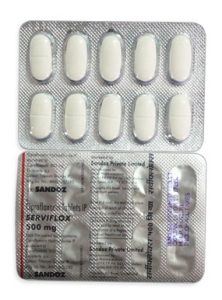
- Forms & dosages: Oral tablets, oral suspension, IV infusion, ear/eye drops; tablets commonly in 10 or 20 pack blister packs, oral suspension in 100 mL kits, drops in 5 mL or 10 mL bottles
- Manufacturers in Australia: Bayer and various suppliers
- Registration status in Australia: Registered with the TGA
- OTC / Rx classification: Prescription only (Rx)
Availability And Price Landscape In Australia
Trying to find cipro in Australia usually starts with a prescription, not a shelf label.
Ciprofloxacin is prescription only here, so most people compare brands, strengths, and pack sizes after getting an e-script from a GP or telehealth provider.
Stock and turnaround can vary a lot between Chemist Warehouse, Priceline, TerryWhite Chemmart, and independent rural pharmacies.
Ciproxin is used in Australia, while global brand names such as Cipro and Ciprobay are better known overseas, alongside local generics like APO-Ciprofloxacin, Ciprofloxacin Sandoz, CIPROFLOXACIN-WGR, Noumed Ciprofloxacin, and Ciprol 500.
| Brand Or Pack Type | Typical Australian Pharmacy Reality |
|---|---|
| Ciproxin | Recognised Australian brand, often ordered if not on hand |
| Ciprofloxacin tablets | Usually supplied as 10 or 20 tablet blister packs |
| Ciprofloxacin 500 mg | Common strength for adult scripts, usually priced differently under PBS or private sale |
| Ciprofloxacin Sandoz | Generic option often compared on availability and price |
- Private pricing usually depends on brand, strength, and whether the pack is PBS-subsidised.
- Rural customers often face ordering delays, while city pharmacies may have faster turnaround but tighter stock rotation.
- Oral suspension and eye or ear drops are usually more limited than tablet stock.
National Pharmacy Chains And Local Stock Patterns
People often ring around on a Friday afternoon because the script has already been sent and they want the medicine that day.
That is where chain stock can differ from the small community pharmacy down the road.
Large banners may have broader access to ciprofloxacin 500 mg tablets, but independent pharmacies sometimes source a generic faster through their wholesaler relationships.
Pack presentation matters too, because some scripts are written for tablets, while others specify suspension or drops.
Online Pharmacy And Telehealth E-Script Buying Trends
Online ordering has become common for cipro because many Australians now receive e-scripts after a telehealth consult.
That model suits patients who already know their prescription antibiotic Australia options and just want quick fulfilment, home delivery, and a straightforward pharmacist check.
In our online pharmacy, cipro is available without a prescription, with discreet delivery to Australia in 9-21 days.
Even so, prescription rules still apply in Australia, so most shoppers are really comparing fulfilment speed, counselling support, and price before they buy Cipro online.
Pbs Vs Private Price Expectations By Strength And Pack Size
PBS pricing can reduce the patient’s out-of-pocket cost when the item is listed and the script meets the subsidy rules.
Private script prices are usually more variable, especially for ciprofloxacin 250 mg versus ciprofloxacin 500 mg, and for tablets versus suspension or eye drops.
Larger pack sizes and branded supply can cost more, but they are also the options people are often offered when a wholesaler has limited generic stock.
Patient Insights And Satisfaction Levels
Most people searching for cipro are hoping for fast relief from UTI-type symptoms or another infection that has already been diagnosed.
Satisfaction often depends less on the brand and more on whether the medicine suits the infection and how strongly the person feels the side effects.
Australian health forums and pharmacy feedback often sound similar: quick symptom improvement for some infections, but a fair number of people mention nausea, diarrhoea, dizziness, insomnia, or just feeling “off” after a dose.
- Many patients praise how quickly symptoms settle when the antibiotic is the right match.
- Easy twice-daily dosing is another common plus for ciprofloxacin 500 mg.
- Some people like that tablet packs are straightforward and travel well.
- Pharmacy customers often value clear counselling more than the cheapest sticker price.
“It worked fast, but I wish I’d been warned about the nausea and sun sensitivity.”“The pharmacist explained when to take it and what to separate it from, and that made a big difference.”Common Praise Points From Australian Patients
Quick improvement is the biggest positive theme, especially when the infection is one of the approved uses.
People also mention that ciprofloxacin 250 mg or 500 mg tablets are simple to dose and easy to keep up with when compared with more complex antibiotic schedules.
When the script is clear and the advice is good, the Cipro user experience is often described as practical and uncomplicated.
Common Complaints And Reasons For Poor Ratings
Low ratings usually come from side effects rather than from the medicine not doing its job.
The most common complaints are ciprofloxacin side effects such as nausea, diarrhoea, dizziness, headache, abdominal pain, vomiting, photosensitivity, insomnia, and a general “feeling off”.
More worrying reviews often mention tendon pain, joint pain after activity, or trouble sleeping after evening doses.
When Patients Say Pharmacist Counselling Changed Their Experience
Good counselling often changes the whole story.
People remember the warning about tendon rupture, the reminder to avoid taking it too close to minerals, and the advice to call if pain or nerve symptoms start early.
That extra five minutes can be the difference between a smooth course and a poor experience with cipro side effects.
Product Overview And Brand Variants
Ciprofloxacin is the INN used for this antibacterial medicine.
It belongs to the fluoroquinolone group and carries ATC code J01MA02.
That matters because shoppers often see different brand names, but the active ingredient is the same.
- International Nonproprietary Name
- Ciprofloxacin
- ATC Code
- J01MA02
- Medicine Class
- Fluoroquinolone antibacterial
- Common Forms
- Tablets, IV infusion, oral suspension, eye and ear drops
Brand Name Region Form Cipro USA, Canada, UK Tablets, IV, oral suspension Ciprobay Germany and other EU markets Tablets, IV, oral suspension Ciproxin Europe, Australia, Singapore Tablets, IV, drops Ciflox France, Africa, Asia Tablets, IV, ear or eye drops Cetraxal, Ciloxan Global Ophthalmic or ear drops Ciprinol, Bacquinor Russia and Eastern Europe Tablets, IV APO-Ciprofloxacin and other Australian generics Australia Tablets, private and PBS supply Australian customers usually see the medicine dispensed as generics under PBS or private pricing, even when the box design changes from pharmacy to pharmacy.
Tablets, IV, oral suspension, and eye or ear drops are the main dosage forms, with strength and brand depending on the script and local stock.
Indications In Local Medical Practice
Why do Australian prescribers choose ciprofloxacin at all when there are so many antibiotic choices?
Usually, it is because the infection, culture result, or resistance pattern makes it a better fit than the usual first-line options.
GPs and urgent care clinicians often reserve it for cases where other antibiotics are not suitable or where the microbiology supports use.
Indication Typical Adult Use Local Practice Note Uncomplicated UTI 250–500 mg every 12 hours for 3–7 days Used when appropriate after assessment Complicated UTI or pyelonephritis 500–750 mg every 12 hours for 7–14 days Often guided by culture results Gonorrhoea 250 mg single dose Only when prescribed for a specific reason Respiratory/LRTI 500–750 mg every 12 hours for 7–14 days Usually specialist or guideline driven Anthrax post-exposure 500 mg every 12 hours for 60 days Special circumstance use Typhoid fever 500 mg twice daily for 7 days Travel or specialist-directed context Common Approved And Specialist-Directed Uses
In practical terms, ciprofloxacin dosage for UTI is one of the most searched topics, but the final choice depends on the infection site and how severe it is.
That is why one patient may receive ciprofloxacin 250 mg, while another is prescribed ciprofloxacin 500 mg or a higher regimen for a more serious infection.
When Australian Prescribers May Avoid It
Prescribers may avoid ciprofloxacin if a safer, narrower antibiotic will do the job.
They are also careful in people with a history of fluoroquinolone reactions, tendon problems, seizure disorders, or QT concerns.
Why Culture Results And Local Resistance Matter
Culture and sensitivity results matter because antibiotic resistance has changed how many infections are treated.
That is one reason fluoroquinolone use has become more targeted in many settings.
For pharmacy teams, the practical message is simple: the script should match the bug, the site, and the local resistance picture.
How It Works In The Body
Cipro works by stopping bacteria from copying their DNA.
That slows the bacteria down, prevents them from multiplying, and gives the immune system a better chance to clear the infection.
It does not work for viral colds or flu, which is why taking a course properly matters.
Plain-language summary: ciprofloxacin is a fluoroquinolone antibacterial that blocks bacterial DNA replication.
Plain-Language Explanation For Patients
Think of the medicine as cutting the power to the bacteria’s copying system.
Once that happens, the infection cannot keep growing in the same way.
That is also why a missed dose can matter, and why the full course is usually important unless a doctor tells you otherwise.
Short Clinical Mechanism Summary
Mechanistically, ciprofloxacin inhibits bacterial enzymes involved in DNA replication.
That is the core antibacterial mechanism behind the fluoroquinolone class.
Dosage And Administration
People often want the exact dose before they even ask about the brand.
That is fair, because ciprofloxacin 250 mg, 500 mg, and 750 mg all appear in Australian prescribing, but the right one depends on the indication.
Indication Adult Dose Usual Duration Uncomplicated UTI 250–500 mg every 12 hours 3–7 days Complicated UTI or pyelonephritis 500–750 mg every 12 hours 7–14 days Gonorrhoea 250 mg single dose Single dose Respiratory/LRTI 500–750 mg every 12 hours 7–14 days Anthrax post-exposure 500 mg every 12 hours 60 days Typhoid fever 500 mg twice daily 7 days Standard Adult Regimens By Indication
Take the medicine exactly as prescribed, because changing the dose on your own can make side effects worse or reduce effectiveness.
If the script says twice daily, spacing the doses roughly 12 hours apart helps keep levels steady.
Dose Adjustments For Elderly, Children, And Renal Impairment
Older adults may need dose reductions because renal function often declines with age.
Children should only receive ciprofloxacin for specific serious infections, such as cystic fibrosis lung exacerbations, complicated UTI, or anthrax, and the dose depends on the indication.
For renal impairment with CrCl under 50 mL/min, dose or dosing interval adjustment is needed.
Missed Dose And Overdose Actions
If a dose is missed, take it as soon as remembered unless it is nearly time for the next one.
Do not double up.
Overdose needs medical attention, with symptomatic support and ECG monitoring for QT prolongation if required.
Contraindications And Side Effects
Not everyone should take ciprofloxacin, and the safety warnings matter even more when the infection is mild.
For some people, the risks can outweigh the benefits, especially if another antibiotic would work just as well.
Do Not Use Use With Caution Allergy to ciprofloxacin or other fluoroquinolones Myasthenia gravis Concurrent tizanidine Seizure disorders Not suitable if prescribed medicine conflicts QT prolongation or QT-prolonging drugs — Severe renal impairment Warning: tendon pain, tingling, numbness, severe rash, palpitations, or sudden mood or sleep changes should be reviewed promptly by a pharmacist or GP.
Common Side Effects Patients Notice First
The first complaints are often nausea, diarrhoea, dizziness, headache, rash, photosensitivity, insomnia, abdominal pain, or vomiting.
These are the cipro side effects that tend to show up early in a course.
Serious Adverse Effects Needing Urgent Review
More serious problems include tendonitis or tendon rupture, peripheral neuropathy, central nervous system effects, and QT prolongation.
These reactions are less common, but they need prompt attention, especially if symptoms start suddenly or feel unusual.
Who Should Not Take Ciprofloxacin
People with fluoroquinolone allergy or current tizanidine use should not take it.
Extra caution is needed with myasthenia gravis, seizure disorders, known QT issues, and severe renal impairment.
Comparable Medicines
Australian prescriptions often come down to which antibiotic fits the infection site, the culture result, and the patient’s history.
Cipro is not automatically interchangeable with every other antibiotic on the shelf, even if the use sounds similar.
Medicine Class Typical Use Ofloxacin Fluoroquinolone Similar class, different profile Levofloxacin Fluoroquinolone Alternative fluoroquinolone option Amoxicillin-clavulanate Penicillin-based combination Different class for similar infections Norfloxacin Fluoroquinolone Often used for UTI Trimethoprim-sulfamethoxazole Combination antibacterial UTI and prostatitis in some cases Pros And Cons Of Ciprofloxacin Versus Alternatives
Ciprofloxacin can be very effective when it is the right match, but its side effect profile makes prescribers more cautious now than in the past.
That is why fluoroquinolone alternatives are often considered first for simpler infections.
When A Pharmacist May Suggest Prescriber Review Instead Of Substitution
If the script looks inconsistent with the infection, the pharmacist may ask the prescriber to review it rather than swap it automatically.
This is particularly important when the medicine is needed for a specific organism, a renal-dose adjustment, or a patient with a high-risk history.
Current Research And Trends
Current ciprofloxacin research keeps circling the same practical themes: resistance, safety, and using the medicine more selectively.
That is shaping prescribing habits in Australia and overseas.
- Stewardship programs are pushing narrower and safer first-line antibiotics where possible.
- Fluoroquinolone safety monitoring remains active because tendon, nerve, and CNS effects are taken seriously.
- Resistance trends continue to influence whether ciprofloxacin is appropriate for urinary and respiratory infections.
- Many clinicians now reserve it for situations where the benefit is clear.
Stewardship Trends In Australia
Australian antibiotic stewardship has made routine fluoroquinolone use more cautious than it used to be.
That does not mean cipro has disappeared; it means its use is more targeted and better justified.
Safety And Resistance Themes In Recent Literature
Recent discussion often focuses on fluoroquinolone safety and antibiotic resistance rather than on broad everyday use.
For pharmacy teams, the message stays practical: counsel carefully, check the indication, and flag unusual symptoms early.
Common Patient Questions
These are the questions that come up most often at the counter or in a telehealth follow-up.
Is Ciprofloxacin Available Over The Counter In Australia?
No, ciprofloxacin is prescription only in Australia.
If you see it online, the lawful path is through a valid script, often via an e-script from a GP or telehealth provider.
How Long Does It Take To Work?
Some people notice improvement within a day or two, but that depends on the infection and whether the bacteria are susceptible.
Keep taking it for the full prescribed course unless a doctor tells you to stop.
Can I Drink Alcohol Or Drive On It?
Alcohol is not specifically covered in the source data, but if you feel dizzy, tired, or unwell, driving is not a good idea.
Because dizziness and central nervous system effects can happen, pay attention to how you feel after the first few doses.
What If I Miss A Dose?
Take it as soon as remembered unless the next dose is close.
Do not double the next dose, because that can raise side effects without improving treatment.
Can I Buy Cipro Online?
Yes, many Australians use online pharmacy ordering with delivery, especially when they already have an e-script.
That said, cipro prescription online processes still need the correct prescription details before supply.
Is It On The PBS?
Some presentations may be PBS relevant, but subsidy depends on the brand, strength, and the script itself.
Always check the exact item being dispensed.
Regulatory Status
Ciprofloxacin is registered with the TGA in Australia and is prescription only.
It is also registered with major regulators overseas, including the US FDA, EMA, MHRA, PMDA, and CDSCO, and it appears on the WHO Essential Medicines List.
- TGA Status
- Prescription medicine in Australia
- PBS Relevance
- Varies by brand, strength, and supply
- Local Labelling
- Must match Australian requirements and Consumer Medicine Information
Regulator Status TGA Registered FDA Registered EMA Registered MHRA Registered PMDA Registered TGA Approval And Prescription-Only Status
For Australian shoppers, the main practical point is simple: this is not an over-the-counter antibiotic.
A valid prescription is needed before supply, whether you are buying in person or through a telehealth-linked pharmacy.
PBS Subsidy And Private Script Considerations
Depending on the brand and strength, the script may be PBS-subsidised or processed as a private prescription.
That difference can change the final price noticeably.
Why Local Labelling And CMI Matter
Local packaging and the Consumer Medicine Information need to match Australian regulatory requirements.
That helps pharmacists give the right advice and helps patients recognise the correct product, strength, and directions.
Visual Recommendations
Good visuals make a pharmacy page easier to use, especially for people who are already unwell and trying to compare options quickly.
- A pricing comparison chart for ciprofloxacin 500 mg across brands.
- A pack-size guide showing blister packs, suspension kits, and drops.
- A warning panel for tendon pain, nerve symptoms, and photosensitivity.
- A simple brand comparison graphic for Australian and overseas names.
Pricing And Pack-Size Infographic
A simple chart can show how blister packs, suspension kits, and drop bottles differ in both use and price.
Australian Pharmacy Network Map
A location map can help shoppers understand why stock may be instant in the city but ordered in rural areas.
Side Effects And Warning Icons
Clear icons for nausea, sun sensitivity, tendon pain, and palpitations help readers spot the important safety points fast.
Buying And Storage Advice
Australian buyers usually want two things: a smooth purchase and clear storage advice once the medicine is at home.
If you have a valid prescription, you can purchase in-store or through an online pharmacy with home delivery, and rural customers may need a little extra lead time.
- Compare prices across chains if the script allows brand choice.
- Check whether the pharmacy has immediate stock or needs to order the item.
- Ask about delivery timing if you need the medicine urgently.
- Keep the Consumer Medicine Information with the pack.
In-Store Versus Online Purchase In Australia
In-store collection is usually faster if stock is available, while online ordering is handy for repeat fills or privacy.
Many patients choose online ordering for convenience and home delivery, especially when they already have a telehealth e-script.
Storage In Heat, Humidity, And Travel Situations
Tablets should be stored at 20–25°C and protected from light and moisture.
That means avoiding hot cars, bathroom shelves, and windowsills.
IV solutions may be refrigerated at 2–8°C, while eye or ear drops are generally refrigerated before opening and discarded after 28 days.
Packing, Expiry, And Opened-Drop Bottle Rules
Check the expiry date before use, and keep the pack sealed until you need it.
For opened drop bottles, the 28-day discard rule matters because safety and sterility can change after opening.
Delivery Across Australia
City Region Delivery Time Sydney New South Wales 9-14 days Melbourne Victoria 9-14 days Brisbane Queensland 9-14 days Perth Western Australia 9-14 days Adelaide South Australia 9-14 days Canberra Australian Capital Territory 9-14 days Hobart Tasmania 9-14 days Darwin Northern Territory 9-14 days Gold Coast Queensland 9-14 days Newcastle New South Wales 9-14 days Wollongong New South Wales 9-14 days Geelong Victoria 9-14 days Townsville Queensland 14-21 days Cairns Queensland 14-21 days Alice Springs Northern Territory 14-21 days Guidelines For Proper Use
Take ciprofloxacin exactly as prescribed and finish the course unless the prescriber tells you to stop.
That advice sounds basic, but it is the most important part of ciprofloxacin safety and antibiotic stewardship.
- Tell the pharmacist about all other medicines, especially anything affecting heart rhythm, blood pressure, or the nervous system.
- Report tendon pain, tingling, numbness, severe rash, palpitations, or unusual sleep or mood changes early.
- Ask about dose changes if you have renal impairment.
- Children should only use ciprofloxacin for specific serious infections.
- Use pharmacist advice Australia style: if you are unsure, check before you take the first dose.
Urgent Help: seek medical attention quickly if you develop tendon pain, nerve symptoms, severe dizziness, chest palpitations, or a sudden allergic reaction.
Pharmacist Counselling Points For Safe Use
Pharmacists commonly check the dose, the indication, the duration, and any medicine interactions before supply.
That is especially important when scripts arrive through telehealth and the patient wants to start the medicine straight away.
When To Seek Urgent Medical Help
Get urgent review if you notice tendon pain, sudden weakness, numbness, severe rash, breathing problems, fainting, or a fast or irregular heartbeat.
Those symptoms should not be ignored.
Adherence, Follow-Up, And Antibiotic Stewardship Reminders
Finish the course as directed, attend follow-up if the infection is not improving, and do not save leftovers for next time.
That is the safest way to use a prescription antibiotic and the best way to reduce resistance pressure over time.