
Diabetes

Amaryl
from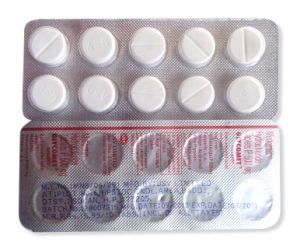
Diaformin
from
Glucotrol
from
Actos
from
Daonil
from
Prandin
from
Metoclopramide
from
Metformin
from
Metformin + Glibenclamide
from
Glucobay
from
Glucovance
from
Minirin
from
Rybelsus
from
Semaglutide
fromUnderstanding Diabetes: Types and Risk Factors
Diabetes is a chronic condition that affects how your body manages blood sugar levels. There are several types of diabetes, with Type 2 being the most common in Australia, affecting approximately 1.7 million Australians. Type 1 diabetes occurs when the pancreas cannot produce insulin, whilst Type 2 develops when the body cannot use insulin effectively. Gestational diabetes occurs during pregnancy and usually resolves after birth. Understanding your diabetes type is essential for proper management and treatment.
Risk factors for developing diabetes include:
- Family history of diabetes
- Obesity and being overweight
- Sedentary lifestyle and lack of physical activity
- Age, particularly over 45 years
- Certain ethnic backgrounds, including Aboriginal and Torres Strait Islander peoples, and those from Asian, Pacific Islander, and Middle Eastern backgrounds
If you suspect you have diabetes, consult your GP for testing and diagnosis. Early detection can prevent serious complications and help you manage your condition effectively.
Type 2 Diabetes Management and Common Medications
Type 2 diabetes is managed through lifestyle changes and medications. Many Australians start with metformin, a first-line medication that helps reduce blood sugar levels and is often the initial choice due to its safety profile and affordability. Your pharmacist can explain how each medication works and help you understand your treatment plan.
Other commonly prescribed medications include:
- Sulfonylureas like gliclazide and glipizide, which stimulate the pancreas to release more insulin
- GLP-1 receptor agonists such as dulaglutide and semaglutide, which are increasingly popular for their effectiveness and additional heart health benefits
- SGLT2 inhibitors like empagliflozin and dapagliflozin, which help the kidneys remove excess glucose through urine
- Dipeptidyl peptidase-4 inhibitors, including sitagliptin, which work by improving the body’s natural insulin release
Combination therapy with multiple medications is often necessary as diabetes progresses. Regular blood sugar monitoring helps determine if your current medications are effective and whether adjustments are needed.
Insulin Therapy and Injectable Medications
Insulin therapy becomes necessary when oral medications are insufficient to control blood sugar levels. Several insulin types are available in Australia, including rapid-acting insulins like insulin aspart and insulin lispro, which work quickly after meals to manage post-meal blood sugar spikes. Long-acting basal insulins such as insulin glargine and insulin detemir provide steady background coverage throughout the day, helping to maintain stable glucose levels between meals.
Modern insulin delivery systems make administration easier and more discreet than ever before. Insulin pens are the standard delivery method for most patients, offering convenience and precision. Some patients use insulin pumps for continuous delivery and better control of their blood sugar levels. Injectable GLP-1 medications like liraglutide and tirzepatide offer alternatives for those who struggle with insulin or oral medications. Your healthcare team will help determine the right insulin regimen for your needs. Proper injection technique and storage are crucial for medication effectiveness and preventing complications.
Lifestyle Changes and Preventative Care
Managing diabetes effectively requires more than medication alone. A balanced diet low in refined carbohydrates and sugar is fundamental to blood sugar control. Including plenty of vegetables, whole grains, lean proteins, and healthy fats supports stable glucose levels and provides essential nutrients your body needs.
Regular physical activity is equally important, with experts recommending at least 150 minutes of moderate-intensity exercise per week. Even moderate exercise like walking, swimming, or cycling can make a substantial difference in your insulin sensitivity and overall health. Weight management is particularly important for Type 2 diabetes, as losing just 5–10% of body weight can improve blood sugar control dramatically.
Regular monitoring of blood glucose levels at home helps you understand how different foods and activities affect your diabetes, empowering you to make informed choices. Stress management and adequate sleep also play important roles in blood sugar regulation, as both stress and poor sleep can elevate glucose levels. Your pharmacist or diabetes educator can provide personalised advice about lifestyle modifications tailored to your circumstances. Smoking cessation is essential as smoking significantly increases the risk of diabetes complications including heart disease and kidney damage.
Complications Prevention and Monitoring
Long-term diabetes can lead to serious complications if not properly managed, including heart disease, kidney damage, vision problems, and nerve damage. Regular check-ups with your GP help monitor your HbA1c levels, which indicate average blood sugar control over three months. Blood pressure monitoring is essential as high blood pressure compounds diabetes risks and increases the likelihood of cardiovascular events.
Annual comprehensive health assessments should include:
- Cholesterol level testing
- Kidney function tests
- Urine protein checks to detect early kidney disease
- Eye screening for diabetic retinopathy
- Foot checks for signs of nerve damage or ulcers
Many people with diabetes also take blood pressure medications like lisinopril or amlodipine and cholesterol-lowering statins to reduce cardiovascular risks. Aspirin therapy may be recommended for cardiovascular protection in certain cases. Diabetic retinopathy screening prevents vision loss through early detection and treatment, whilst regular foot care prevents serious complications. Dental care is equally important as diabetes increases gum disease risk. Your pharmacist can help identify potential medication interactions and side effects, ensuring your treatment plan remains safe and effective.
Support Services and Resources in Australia
Australia offers comprehensive support services for people managing diabetes. The National Diabetes Services Scheme provides subsidised medications and diabetes supplies through pharmacies nationwide, making management more affordable for all Australians. Your local pharmacy is an excellent resource for medication advice, blood glucose monitoring supplies, and general diabetes education.
Additional resources and support include:
- Diabetes Australia, which offers free resources, support groups, and community programmes throughout the country
- Specialist diabetes clinics in many regional areas offering multidisciplinary care from endocrinologists, diabetes educators, and dietitians
- Telehealth services that make specialist consultations more accessible for remote patients
- Workplace support and disability services available if diabetes affects your employment
- Medicare rebates covering many diabetes management services, including dietitian consultations and diabetes education programmes
- Online communities and apps to help you track blood sugar, medications, and lifestyle factors
Your GP can refer you to appropriate services based on your individual needs and circumstances. Regular communication with your pharmacist ensures your medications remain appropriate as your condition evolves, helping you maintain optimal health and wellbeing.