Amaryl
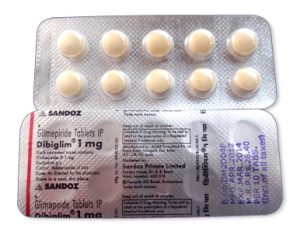
In brief
- Amaryl can be purchased from pharmacies and online suppliers; note that in many countries (including the US, EU and Australia) it is normally prescription‑only, although some online or overseas pharmacies may offer it without a prescription.
- Amaryl (glimepiride) is used to treat type 2 diabetes; it stimulates insulin release from pancreatic beta cells by binding the sulfonylurea receptor and also increases peripheral insulin sensitivity.
- Usual adult dosage: start 1–2 mg once daily with breakfast or the first main meal; maintenance 1–4 mg once daily (some markets allow up to 8 mg/day); titrate every 1–2 weeks according to blood glucose.
- Form of administration: oral tablet (commonly 1 mg, 2 mg, 3 mg and 4 mg strengths; typically supplied in blister packs or bottles).
- Onset time: blood‑glucose lowering effect usually begins within about 1–3 hours after a dose (peak effect a few hours later).
- Duration of action: effect typically lasts into the day, allowing once‑daily dosing; clinically useful glucose lowering may persist up to 24 hours in many patients.
- Alcohol warning: avoid excessive alcohol — it can increase the risk of hypoglycaemia and may mask or worsen symptoms of low blood sugar; drink cautiously and monitor glucose.
- The most common side effec is hypoglycaemia (low blood sugar); other common adverse effects include headache, dizziness, nausea and possible weight gain.
- Would you like to try amaryl without a prescription?
Basic Amaryl Information
- INN (International Nonproprietary Name): Glimepiride
- Brand Names Available In Australia: Amaryl (Sanofi) and generic glimepiride products supplied by international manufacturers such as HEXAL, Intas and regional generic distributors — specific local sponsors not specified
- ATC Code: A10BB12
- Forms & Dosages: Tablets 1 mg, 2 mg, 3 mg (less common) and 4 mg; common pack sizes 30, 60 or 120
- Manufacturers In Australia: Not specified
- Registration Status In Australia: Not specified
- OTC / Rx Classification: Prescription only (Rx)
Availability & Price Landscape
Worried about where to get amaryl and how much it will cost?
Amaryl (glimepiride) is dispensed through TGA‑regulated channels and requires a prescription in major jurisdictions.
National pharmacy chains such as Chemist Warehouse, Priceline and TerryWhite Chemmart routinely dispense glimepiride where supplied by an authorised sponsor or an approved importer.
Tablets are commonly available in strengths 1 mg, 2 mg and 4 mg, with 3 mg seen less often, and typical packaging comes in 30, 60 or 120 counts.
Pharmacy practice in Australia is competitive, and discount chains, loyalty pricing and promotions influence where patients choose to fill prescriptions.
Telehealth and e‑prescriptions now feed national chains and accredited online pharmacies, making it easier to get a repeat supply without an in‑person visit.
National Pharmacy Chains (Chemist Warehouse, Priceline, TerryWhite)
Which outlets carry Amaryl and glimepiride tablets?
Major chains dispense prescription glimepiride when a valid prescription and a registered sponsor or importer is on file.
Packaging you will commonly see includes 1 mg, 2 mg and 4 mg tablets in blister packs or bottles of 30, 60 or 120.
Price competition among chains often leads to notable private price differences for the same strength and pack size.
Pharmacist counselling quality and stock availability are common deciding factors for patients beyond price alone.
Online Pharmacy Trends In Australia
Can I order glimepiride online in Australia?
E‑pharmacies and telehealth have grown, increasing convenience for urban and rural patients alike.
Prescription verification, secure dispensing and tracked delivery remain mandatory for prescription‑only medicines.
Rural and remote patients often rely on mail order to maintain continuity of treatment when local stock runs low.
Price Ranges By Package Size (PBS Vs Private)
How much should you budget for Amaryl if it is not subsidised?
PBS listing and subsidy status vary by formulation and sponsor, so private prices differ across chains and online sellers.
Below is a quick reference showing typical packaging and how PBS vs private purchase can differ in availability and cost band.
| Strength | Pack Size | PBS Status | Typical Private Range |
|---|---|---|---|
| 1 mg | 30 / 60 / 120 | Varies by sponsor | Private pricing varies between suppliers |
| 2 mg | 30 / 60 / 120 | Varies by sponsor | Private pricing varies between suppliers |
| 3 mg | Less common | Varies | Less commonly stocked; price varies |
| 4 mg | 30 / 60 / 120 | Varies by sponsor | Private pricing varies between suppliers |
Tips:
- Compare private prices across national chains and accredited online pharmacies before ordering.
- Ask the pharmacist whether a PBS‑subsidised alternative is available under your prescription.
Patient Insights & Satisfaction Levels
What do Australian patients say about Amaryl on forums and review sites?
Reviews on ProductReview and health forums mix appreciation for once‑daily oral dosing with concerns about hypoglycaemia risk and cost.
Affordability at discount pharmacies and the quality of pharmacist counselling are recurring themes in patient feedback.
Forum Reviews (ProductReview, Aussie Health Forums)
Which topics come up most often in user reviews?
- Ease of once‑daily dosing and improved fasting glucose when combined with lifestyle changes or metformin.
- Reports of hypoglycaemia related to missed meals, extra exercise or alcohol.
- Requests for clearer dose‑titration guidance from prescribers and pharmacists.
Reported Benefits And Issues From Australian Patients
How do benefits balance against side effects in real life?
Benefits commonly reported include simple once‑daily dosing (often with breakfast) and meaningful reductions in fasting glucose levels when used with diet, exercise or metformin.
Common issues reported include hypoglycaemia episodes, occasional nausea, some weight gain and frustration with dose titration.
Typical dosing starts at 1–2 mg once daily, with maintenance commonly 1–4 mg and higher maxima reported in some markets.
Patient Tips:
- Keep a blood glucose log (SMBG) during titration to show your GP or specialist.
- Save your pharmacist’s contact details for fast advice if low sugars occur.
- Arrange a telehealth follow‑up within 1–2 weeks of starting or changing dose.
Symptom Recognition:
- Hypoglycaemia: headache, hunger, sweating, tremor, irritability, difficulty concentrating.
- When To Seek Help: persistent dizziness, loss of consciousness, or recurrent low readings despite carbohydrate intake.
Product Overview & Brand Variants
Which brand options exist for glimepiride and what should patients expect on the pack?
Glimepiride is the INN and Amaryl is the best‑known global brand produced by Sanofi.
INN And Brand Names In Australia
Is Amaryl the only brand available?
Amaryl (Sanofi) is the most recognised global brand, while generics such as Glimepiride HEXAL, Glimy and Glucored are supplied in various markets.
Local availability of branded versus generic glimepiride in Australia depends on sponsor agreements and importer registrations.
Legal Classification (TGA‑Approved)
What is the legal status and how is it packaged?
Glimepiride is classified under ATC A10BB12 and is a sulfonylurea; it is prescription only.
Packaging commonly lists tablet strengths 1 mg, 2 mg and 4 mg in pack sizes of 30, 60 or 120 and is supplied in blister packs or HDPE bottles.
Storage instructions indicate room temperature (20–25°C) and avoidance of moisture and heat.
| Brand | Manufacturer/Origin | Strengths | Common Pack Sizes |
|---|---|---|---|
| Amaryl | Sanofi (global) | 1 mg, 2 mg, 3 mg, 4 mg | 30 / 60 / 120 |
| Glimepiride HEXAL | HEXAL (Germany) | Varied strengths | Varied |
| Glimy | Intas / Indian generics | 1 mg, 2 mg | 30 / 60 |
Indications In Local Medical Practice
Who is glimepiride prescribed for, and how do Australian clinicians use it?
Primary use is as an add‑on oral agent for adults with type 2 diabetes when metformin alone is insufficient or unsuitable.
Approved Uses By TGA
Is glimepiride approved for type 1 diabetes?
No. Glimepiride is not for type 1 diabetes or diabetic ketoacidosis and is intended for type 2 diabetes management in adults requiring additional glycaemic control.
Off‑Label Patterns In Australian Clinics
How do prescribers incorporate glimepiride into regimens?
Clinicians commonly add glimepiride to metformin or occasionally combine it with DPP‑4 inhibitors or insulin under specialist guidance.
Prescribers typically start low and titrate according to blood glucose response, with slower titration in elderly or frail patients.
Prescriber Decision Checklist:
- Confirm type 2 diabetes diagnosis and contraindications.
- Consider starting dose 1 mg for elderly or frail patients.
- Titrate at 1–2 week intervals based on SMBG.
- Review renal and hepatic function before dose increases.
How It Works In The Body
How does glimepiride lower blood sugar, in plain English?
Glimepiride stimulates the pancreas to release insulin by acting on sulfonylurea receptors of beta cells and also modestly improves insulin sensitivity in peripheral tissues.
Layman’s Explanation
What happens after you swallow a tablet?
The medicine helps pancreatic beta cells release more insulin after binding to their receptors, which helps lower both fasting and postprandial blood glucose.
It is best taken once daily with the first main meal to reduce the risk of low blood sugar.
Clinical Detail
What is the molecular action behind that effect?
Glimepiride binds to KATP channels on beta cells, causing depolarisation and calcium‑mediated insulin exocytosis, and it has peripheral effects that improve glucose uptake.
Clinical consequence: effective glycaemic lowering for many adults with type 2 diabetes but carries a risk of hypoglycaemia, particularly during dose escalation or in renal impairment.
Dosage & Administration
What dose should a patient start on, and how should it be taken?
Standard adult initiation is 1–2 mg once daily with breakfast or the first main meal, with maintenance commonly 1–4 mg once daily and higher maxima reported in some markets.
Standard Regimens
How quickly can the dose be increased?
Titrate at 1–2 week intervals based on blood glucose readings.
Typical titration steps are incremental increases to achieve target glycaemic control while monitoring for hypoglycaemia.
Adjustments By Patient Type (Elderly, Chronic Conditions)
Who needs extra caution?
Elderly patients should start at the lowest dose (1 mg) and titrate more slowly because the risk of hypoglycaemia is higher.
Use caution in renal or hepatic impairment and avoid use in severe organ dysfunction.
Children are not generally recommended to use glimepiride due to limited safety and efficacy data.
| Patient | Starting Dose | Titration |
|---|---|---|
| Usual adult | 1–2 mg once daily with breakfast | Increase every 1–2 weeks as needed |
| Elderly | 1 mg once daily | Titrate slowly with close monitoring |
| Renal/Hepatic Impairment | 1 mg once daily | Use caution and monitor; avoid in severe impairment |
- Do: Take with the first main meal, monitor SMBG during titration, report low sugars promptly.
- Don’t: Skip meals after taking a dose or double up if a dose is missed.
Contraindications & Side Effects
What are the main safety concerns pharmacists must highlight?
Hypoglycaemia is the most important risk and the key counselling point for patients on glimepiride.
Common
Which side effects are commonly seen?
- Hypoglycaemia — symptoms include headache, hunger, sweating, tremor, irritability and difficulty concentrating.
- Headache and dizziness.
- Nausea and occasional vomiting.
- Weight gain in some patients.
Rare But Serious (Australian Safety Data)
Who must not take glimepiride?
- Absolute Contraindications
- Hypersensitivity to sulfonylureas or sulfa drugs, type 1 diabetes, diabetic ketoacidosis, severe hepatic or renal impairment.
- Relative Cautions
- G6PD deficiency, history of severe hypoglycaemia, elderly or debilitated patients, adrenal or pituitary insufficiency, malnourishment.
Overdose management centres on prompt glucose administration and monitoring for recurrent hypoglycaemia, with emergency care sought as required.
Side‑Effect Checklist For Dispensing Leaflets:
- Warning about recognising and treating hypoglycaemia.
- Advice on nausea, dizziness and reporting significant weight changes.
- Emergency instructions for severe or prolonged low blood sugar.
Comparable Medicines
What are realistic alternatives to amaryl for type 2 diabetes?
Several classes and individual drugs are considered depending on patient needs, cost and comorbidities.
Alternatives Table (PBS And Non‑PBS)
| Drug | Typical PBS Status | HbA1c Effect | Hypoglycaemia Risk | Cost Band |
|---|---|---|---|---|
| Metformin | Commonly PBS‑subsidised | Moderate | Low | Low |
| Gliclazide | Some formulations PBS‑listed | Moderate | Moderate | Low–Moderate |
| Sitagliptin (DPP‑4) | Varies | Low–Moderate | Low | Higher |
| Insulin | PBS options exist | High | High | Variable |
Pros And Cons List
- Pros: Once‑daily dosing, proven efficacy, availability as low‑cost generics.
- Cons: Hypoglycaemia risk, potential weight gain, need for caution in renal/hepatic impairment.
Practical Decision Checklist For Pharmacists:
- Consider switch to gliclazide if similar efficacy is required but prescriber prefers another sulfonylurea.
- Refer to GP/specialist if recurrent hypoglycaemia, reduced intake or deterioration in renal/hepatic function occurs.
Current Research & Trends
What does recent research say about sulfonylureas and glimepiride specifically?
Recent literature has continued to examine cardiovascular safety, hypoglycaemia profiles and combination strategies with newer agents.
Major Studies 2022–2025 (Australia + International)
Which topics have been most studied recently?
- Comparisons of sulfonylurea cardiovascular outcomes against newer glucose‑lowering agents.
- Combination therapy studies pairing sulfonylureas with metformin, SGLT2 inhibitors or DPP‑4 inhibitors.
- Observational registry data assessing real‑world hypoglycaemia in elderly cohorts.
Emerging Clinical Considerations
How are prescribers adapting practice patterns?
Deprescribing in elderly patients to minimise hypoglycaemia, shared decision‑making and remote monitoring using CGM or regular SMBG are growing trends.
Suggested Landmark Reading:
- Recent meta‑analyses comparing sulfonylureas with newer drug classes for CV safety.
- Registry reports on hypoglycaemia incidence in older adults on sulfonylureas.
Common Patient Questions
What do patients usually ask at the pharmacy counter?
Frequent queries include interactions with metformin, advice after a missed dose and alcohol guidance.
FAQs From Australian Pharmacy Consultations
- Can I take Amaryl with metformin? Yes, combination therapy is common and decided by the prescriber.
- What if I miss a dose? Take the dose when remembered unless it is near the next scheduled dose; do not double up.
- Can I drink alcohol? Alcohol increases hypoglycaemia risk and should be consumed with caution.
Practical Answers And Pharmacist Scripts
What should a pharmacist say during counselling?
Advise taking glimepiride with breakfast, describe hypoglycaemia signs and actions, and explain storage at room temperature (20–25°C).
Pharmacist Counselling Card Template:
- Medicine: Amaryl (glimepiride).
- How to take: once daily with the first main meal.
- Missed dose: take if not near next dose; do not double dose.
- Hypoglycaemia: carry fast‑acting glucose and contact GP or seek help if severe.
Regulatory Status
How is glimepiride regulated and subsidised in Australia?
Glimepiride is supplied through TGA‑regulated channels and is prescription only.
TGA Approval
Is glimepiride approved by the TGA?
Glimepiride is supplied through TGA‑regulated channels as a prescription medicine and product sponsors may change; always check the TGA ARTG for current registrations.
PBS Subsidy Details
Is Amaryl listed on the PBS?
PBS listing varies by formulation and sponsor, so specific Amaryl presentations may not be subsidised while other sulfonylureas are available on the PBS.
| Authority | What To Check |
|---|---|
| TGA ARTG | Verify current product sponsor and registration entry |
| PBS Schedule | Check subsidy criteria and eligible formulations |
Visual Recommendations
What patient and pharmacist visuals are most useful for glimepiride counselling?
Clear, printable visuals help patients understand dosing, hypoglycaemia response and storage.
Infographics: PBS Pricing, Pharmacy Networks
Which infographic panels to include?
Create panels showing pack strengths (1–4 mg), common pack sizes (30/60/120), and estimated private vs PBS cost bands with icons for main chains such as Chemist Warehouse, Priceline and TerryWhite.
Patient‑Facing Visuals & Pharmacist Aids
Which aids work best at the counter?
- MOA diagram showing pancreatic beta‑cell stimulation.
- “What To Do For Hypoglycaemia” flowchart with quick actions.
- Dosing and titration timeline for 1–2 week increments.
- Printable counselling card with storage callouts (20–25°C) and contraindications.
Buying & Storage Advice
How should patients buy and store Amaryl safely in Australian homes?
Purchasing requires a valid prescription, and comparing private prices across stores can save money.
Telehealth e‑prescriptions allow home delivery for rural customers, and in our online pharmacy amaryl is available without a prescription, with discreet delivery to Australia in 9-21 days.
In‑Store Vs Online Purchase Tips In Australia
What to check before ordering?
- Confirm the prescription is valid and matches the medicine strength on the label.
- Compare brand versus generic formulations and check expiry dates.
- Choose expedited shipping in extreme heat or for remote deliveries to avoid heat exposure.
Storage In Australian Household Conditions (Heat/Humidity)
Where to keep your tablets at home?
Store at room temperature 20–25°C, away from bathrooms and direct sunlight.
Recommend using blister packs or HDPE bottles and avoiding prolonged exposure to summer heat.
Pharmacist Checklist For Dispensing:
- Confirm correct medicine and dose.
- Advise on storage and hypoglycaemia risk reduction.
- Check for interactions and offer follow‑up monitoring advice.
Guidelines For Proper Use
What safety steps should pharmacists and patients follow to get the best outcomes?
Clear counselling, early monitoring and regular GP review during titration reduce the chances of avoidable harms.
Pharmacist Guidance In Australia
What should the pharmacist cover in a counselling session?
- Confirm the indication and dosing schedule (start 1–2 mg with breakfast).
- Review all other medicines for interactions and duplications.
- Explain hypoglycaemia signs and immediate management steps.
- Recommend SMBG frequency and GP follow‑up for titration.
Patient Safety Recommendations
How should monitoring be organised?
Provide a monitoring plan that includes SMBG during titration, target ranges to aim for and a clear action plan for low or high readings.
Emphasise special populations such as the elderly, those with renal impairment and patients planning pregnancy who should seek GP advice on contraception and medication review.
Suggested Tools:
- Printable patient monitoring log for fasting and postprandial readings.
- One‑page counselling checklist for quick pharmacy handouts.
Delivery Across Australia
| City | Region | Delivery Time |
|---|---|---|
| Sydney | New South Wales | 9-14 days |
| Melbourne | Victoria | 9-14 days |
| Brisbane | Queensland | 9-14 days |
| Perth | Western Australia | 9-14 days |
| Adelaide | South Australia | 9-14 days |
| Hobart | Tasmania | 9-14 days |
| Darwin | Northern Territory | 14-21 days |
| Canberra | Australian Capital Territory | 9-14 days |
| Gold Coast | Queensland | 9-14 days |
| Newcastle | New South Wales | 9-14 days |
| Wollongong | New South Wales | 9-14 days |
| Geelong | Victoria | 9-14 days |
| Townsville | Queensland | 14-21 days |
| Cairns | Queensland | 14-21 days |