Metformin + Glibenclamide
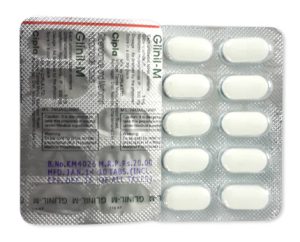
In brief
- In most countries metformin + glibenclamide (glibenclamide is also known as glyburide) is classified as prescription-only, but in practice some pharmacies and online suppliers may sell it without a prescription or receipt; availability varies by country and by supplier.
- Used to treat type 2 diabetes — metformin reduces hepatic glucose production and improves peripheral insulin sensitivity, while glibenclamide (a sulfonylurea) stimulates pancreatic insulin secretion by closing ATP‑sensitive K+ channels.
- Usual starting dose for adults is 1.25mg/250mg once or twice daily with meals, titrated every 2 weeks as needed; typical tablet strengths include 1.25/250, 2.5/500 and 5/500 mg, with a usual maximum of about 20mg/2000mg glyburide/metformin per day.
- Administered orally as combination tablets.
- Onset: glibenclamide begins lowering blood glucose within 1–2 hours (peaks ~2–4 hours); metformin begins to affect glucose production within hours but clinically meaningful improvements develop over days to weeks — combined therapy can show some effect within hours, with full benefit over days.
- Duration of action is typically 12–24 hours for the combination (glibenclamide’s glucose‑lowering effect may last up to 24 hours; metformin requires regular dosing for sustained effect), hence tablets are commonly given once or twice daily depending on formulation and response.
- Alcohol warning: avoid excessive alcohol — alcohol increases the risk of lactic acidosis with metformin and can worsen hypoglycaemia risk with glibenclamide; minimise alcohol intake and seek medical advice if heavy drinking is likely.
- The most common side effects are gastrointestinal upset (nausea, diarrhoea, abdominal discomfort), headache and hypoglycaemia (symptoms include shakiness, sweating and hunger); elderly patients and those with renal or hepatic impairment are at higher risk.
- Would you like to try metformin + glibenclamide without a prescription?
Basic Metformin + Glibenclamide Information
- INN (International Nonproprietary Name): Metformin and Glyburide
- Brand Names Available In Australia: not specified
- ATC Code: A10BD03
- Forms & Dosages: Oral tablets — 1.25mg/250mg; 2.5mg/500mg; 5mg/500mg
- Manufacturers In Australia: not specified
- Registration Status In Australia: not specified
- OTC / Rx Classification: Prescription only (Rx) globally
Availability & Price Landscape
National Pharmacy Chains (Chemist Warehouse, Priceline, TerryWhite)
Patients commonly ask where to pick up a combination diabetes tablet without fuss.
Urban pharmacy counters at national chains such as Chemist Warehouse, Priceline and TerryWhite Chemmart often stock generic metformin + glibenclamide tablets on the shelf.
Rural customers may need to order stock in or rely on online fulfilment from national chains.
Telehealth e‑prescriptions are widely accepted by these chains and by many discount pharmacies.
Because brand availability in Australia is not specified in the supplied data, individual store listings and TGA ARTG checks remain the practical way to confirm stock.
Online Pharmacy Trends In Australia
Online pharmacies have grown for convenience and price comparison, especially for chronic meds such as combination oral antidiabetics.
Some discount chains offer lower private prices than independents, but PBS subsidy status will determine out‑of‑pocket cost where applicable.
In our online pharmacy, metformin + glibenclamide is available without a prescription, with discreet delivery to Australia in 9-21 days.
When ordering online, confirm the product is TGA‑registered or check the ARTG entry before purchase.
Price Ranges By Package Size (PBS Vs Private)
PBS listing for specific fixed‑dose glyburide/metformin products is not specified in the supplied data.
That means PBS vs private price comparisons must be checked per product and per supplier at the time of purchase.
A small comparison table on product pages is useful to show PBS status, pack sizes and private price ranges for each strength.
Quick tips to get the best price:
- Ask the dispensing pharmacist about generic alternatives and pack sizes.
- Compare private prices at national discount chains versus independents.
- Use repeats on an e‑prescription to benefit from repeat dispensing discounts.
Patient Insights & Satisfaction Levels
Forum Reviews (ProductReview, Aussie Health Forums)
People often want to know what others say before trying a new combination tablet.
Australian forum feedback on metformin + glyburide and Glucovance generics shows mixed reviews on ProductReview and health message boards.
Many patients report improved HbA1c when the combo replaces monotherapy.
Some posts highlight a faster drop in blood glucose but also describe episodes of hypoglycaemia when meals are delayed.
Reported Benefits And Issues From Australian Patients
The convenience of a single tablet is a commonly praised benefit for adherence.
Common complaints relate to gastrointestinal upset consistent with metformin and hypoglycaemia linked to glyburide, especially around missed meals or vigorous activity.
Rural patients frequently mention delivery and continuity challenges when pharmacies run out of a specific generic brand.
Practical coping strategies reported by patients:
- Take the tablet with a solid meal to reduce GI upset and hypoglycaemia risk.
- Carry glucose tablets for quick treatment of mild hypoglycaemia.
- Record episodes of low blood sugar and discuss dose adjustment with a GP or accredited pharmacist.
Short definitions for quick reference:
- Glyburide (glibenclamide): insulin secretagogue that increases insulin release.
- Metformin: insulin‑sensitiser that reduces liver glucose output.
Product Overview & Brand Variants
INN And Brand Names In Australia
The international nonproprietary pairing is metformin + glyburide, sometimes encountered under the historic brand Glucovance in markets outside Australia.
Global generic manufacturers now dominate the market, including Teva, Apotex, Aurobindo and Sandoz, although specific Australian brand listings are not specified in the supplied data.
Typical tablet strengths are 1.25mg/250mg, 2.5mg/500mg and 5mg/500mg.
Legal Classification (TGA‑Approved)
Products of this combination are prescription only worldwide according to available data.
Australian regulatory approval should be verified on the TGA ARTG for any specific brand or imported generic.
Packaging, manufacturer and ARTG listing influence availability and interchangeability at the pharmacy level.
Compact reference:
- INN: Metformin + Glyburide.
- Common Brand: Glucovance (originally), generics now prevalent.
- Tablet Strengths: 1.25/250, 2.5/500, 5/500 mg.
Indications In Local Medical Practice
Approved Uses By TGA
The combination is used for adults with Type 2 diabetes who need dual oral therapy to reach glycaemic targets.
It combines an insulin‑sensitiser with an insulin secretagogue to address both insulin resistance and impaired insulin secretion.
This product is not appropriate for Type 1 diabetes, pregnancy, lactation or routine use in children based on available data.
Off‑Label Patterns In Australian Clinics
In practice, GPs may favour separate titration of metformin and a sulfonylurea first, but will use a fixed‑dose combo when adherence or tablet burden is an issue.
Prescribers exercise caution in elderly patients and those with renal or hepatic impairment due to hypoglycaemia and lactic acidosis risks.
Pros and cons for clinicians:
- Pros: improved adherence, fewer tablets, predictable combination dosing.
- Cons: reduced dose flexibility, higher hypoglycaemia risk, contraindications in renal impairment.
How It Works In The Body
Layman’s Explanation
Think of the combination as two complementary actions in one pill.
Metformin reduces the liver’s tendency to pour out glucose and makes muscle and fat respond better to insulin.
Glyburide nudges the pancreas to release more insulin when glucose levels are high.
Together they lower blood glucose more than metformin alone in many patients.
Clinical Detail
Metformin is a biguanide that reduces hepatic gluconeogenesis and increases peripheral glucose uptake.
Glyburide is a second‑generation sulfonylurea that binds to pancreatic beta‑cell KATP channels, promoting insulin exocytosis.
The two have a synergistic HbA1c‑lowering effect but the combination increases the risk of hypoglycaemia compared with metformin monotherapy.
A mechanism infographic on a product page is useful to show dual action and a hypoglycaemia risk marker.
Dosage & Administration
Standard Regimens
Initial treatment commonly starts at 1.25mg glyburide/250mg metformin once or twice daily with meals.
Doses are typically titrated every two weeks to effect, with a maximum combined daily dose of 20mg glyburide/2000mg metformin.
Taking tablets with food reduces gastrointestinal side effects and lowers the chance of low blood sugar.
Regular monitoring of fasting blood glucose and HbA1c helps guide titration.
Adjustments By Patient Type (Elderly, Chronic Conditions)
Start elderly patients at the lowest dose and monitor renal function more often.
Renal impairment with an eGFR below 30 ml/min is an absolute contraindication for this combination.
Hepatic impairment is not recommended because of increased toxicity risk.
Checklist for prescribers and pharmacists:
- Baseline eGFR and periodic renal monitoring.
- Baseline liver function tests where clinically indicated.
- HbA1c checks to assess efficacy.
- Provide hypoglycaemia education.
Contraindications & Side Effects
Common
Absolute contraindications include severe renal impairment (eGFR <30 ml/min), metabolic acidosis and Type 1 diabetes.
Known hypersensitivity to either metformin or glyburide is also absolute.
Common side effects are gastrointestinal symptoms such as nausea and diarrhoea from metformin, and hypoglycaemia symptoms such as shakiness and sweating from glyburide.
Rare But Serious (Australian Safety Data)
A rare but serious adverse event associated with metformin is lactic acidosis, which requires urgent medical attention.
Severe hypoglycaemia requiring assistance is a serious risk with sulfonylureas like glyburide.
Patient actions for side effects:
- Carry quick‑acting carbohydrate and glucose tablets.
- Report recurrent hypoglycaemia to the GP or pharmacist for dose review.
- Seek immediate care for symptoms suggestive of lactic acidosis such as severe lethargy or rapid breathing.
Comparable Medicines
Alternatives Table (PBS And Non‑PBS)
Alternatives include metformin alone (Glucophage), glyburide alone (Daonil/Micronase) and other sulfonylureas such as gliclazide and glimepiride.
Newer options combined with metformin include DPP‑4 inhibitors or SGLT2 inhibitors and GLP‑1 receptor agonists where cardiovascular or renal benefits are desired.
When evaluating options, consider PBS listing where relevant because subsidy status directly affects patient cost.
Pros And Cons List
Fixed‑dose combination pros: better adherence, fewer tablets and convenience for patients who prefer simpler regimens.
Fixed‑dose combination cons: less flexibility for dose titration, higher hypoglycaemia risk compared with metformin alone, and contraindications in renal impairment.
Current Research & Trends
Major Studies 2022–2025 (Australia + International)
Recent work has focused on cardiovascular and renal outcomes with newer classes added to metformin rather than sulfonylurea combinations.
Comparative effectiveness studies continue to show that metformin + glyburide effectively lowers HbA1c, but increases hypoglycaemia risk.
Pharmacoepidemiology studies are ongoing to monitor real‑world safety and comparative adverse events.
Where The Combo Fits Vs Newer Agents
The combination remains a cost‑sensitive option for dual oral therapy where newer agents are unaffordable or not tolerated.
Where cardiovascular or renal protection is a priority, SGLT2 inhibitors or GLP‑1 receptor agonists are often preferred additions to metformin.
Ongoing trials in the field include real‑world registry analyses and head‑to‑head comparative effectiveness studies.
Common Patient Questions
FAQs From Australian Pharmacy Consultations
What if I miss a dose?
Take the dose when you remember unless it is close to the next scheduled dose, and do not double up.
Can I drink alcohol?
Alcohol increases the risk of lactic acidosis with metformin and increases hypoglycaemia risk with glyburide, so advise moderation and discuss with the GP.
Will it make me gain weight?
Sulfonylureas can cause modest weight gain while metformin is typically weight‑neutral or causes slight weight loss.
Short, Practical Answers
Important interactions include beta‑blockers which can mask hypoglycaemia symptoms and several antibiotics that may affect blood sugar control.
When to seek urgent care: severe hypoglycaemia that does not respond to oral sugar or symptoms of lactic acidosis such as severe muscle pain or fast breathing.
Travel and sick‑day rules: withhold if dehydrated and inform healthcare providers about the medication before contrast imaging; seek GP advice.
Regulatory Status
TGA Approval
Specific TGA ARTG entries for metformin + glyburide products are not specified in the supplied data.
Patients and pharmacists should verify registration and ARTG numbers on the TGA website for any brand they intend to dispense or use.
PBS Subsidy Details
PBS listing for fixed‑dose glyburide/metformin combinations is not specified in the data provided.
PBS subsidy status and authority rules govern out‑of‑pocket cost and may differ between brands and strengths.
Pharmacists should check PBS availability and advise patients on potential generic substitution and cost implications.
Visual Recommendations
Infographics: PBS Pricing, Pharmacy Networks
Suggested visuals for product pages include a dosage strength table for the three strengths, a mechanism‑of‑action infographic, and a PBS vs private price comparison chart.
A hypoglycaemia action flowchart is essential to help patients recognise and treat low blood sugar quickly.
Suggested Product Page Visual Blocks
Include a “Who This Is For” block with patient profiles such as newly intensified T2DM, people with adherence concerns, and cost‑sensitive patients.
Image alt text examples: “Metformin + glyburide 5/500 mg tablet photo; prescription only.”
Include a contraindication banner noting the renal eGFR threshold <30 ml/min and a storage icon for 20–25°C, protect from moisture.
Buying & Storage Advice
In‑Store Vs Online Purchase Tips In Australia
Always ensure you have a valid prescription and confirm the product is TGA‑registered where possible.
National discount chains often list lower private prices than independents, but PBS subsidy (if applicable) is the main driver of patient cost.
For rural customers, check that courier transit times avoid extreme heat; tablets should not require cold‑chain but still benefit from prompt delivery.
Storage In Australian Household Conditions (Heat/Humidity)
Store tablets at controlled room temperature between 20–25°C and protect from moisture and heat.
Avoid leaving medication in a hot car or exposed to damp bathrooms during summer months.
Patient checklist:
- Keep in original packaging and out of reach of children.
- Check expiry dates and discard if packaging has been exposed to moisture.
Guidelines For Proper Use
Pharmacist Guidance In Australia
Confirm indication and baseline renal function (eGFR) before dispensing and counsel on taking tablets with meals.
Explain hypoglycaemia recognition and immediate treatment with fast‑acting carbohydrate or glucose tablets.
Advise temporary withholding in cases of dehydration or before certain contrast imaging procedures as guided by the GP.
Patient Safety Recommendations
Provide patients with a printed one‑page checklist covering drug names, common side effects and hypoglycaemia action steps.
Recommend scheduled clinical review every three months with a GP or accredited pharmacist until the dose and glycaemic control are stable.
Emphasise never doubling doses after a missed dose and to record any hypoglycaemia episodes for clinical review.
Delivery Across Australia
| City | Region | Delivery Time |
|---|---|---|
| Sydney | New South Wales | 9-14 days |
| Melbourne | Victoria | 9-14 days |
| Brisbane | Queensland | 9-14 days |
| Perth | Western Australia | 9-14 days |
| Adelaide | South Australia | 9-14 days |
| Hobart | Tasmania | 9-14 days |
| Canberra | Australian Capital Territory | 9-14 days |
| Darwin | Northern Territory | 14-21 days |
| Gold Coast | Queensland | 9-14 days |
| Newcastle | New South Wales | 9-14 days |
| Wollongong | New South Wales | 9-14 days |
| Geelong | Victoria | 9-14 days |
| Townsville | Queensland | 14-21 days |