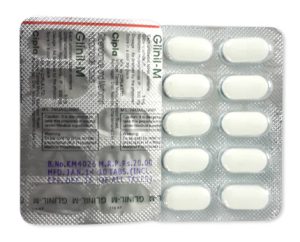
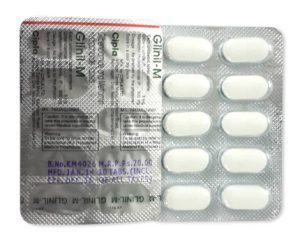
Diaformin
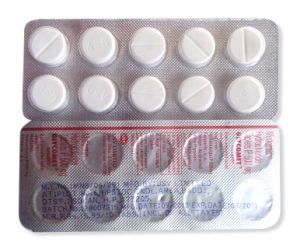
In brief
- In our pharmacy, diaformin can be purchased without a prescription, with delivery available across Australia in discreet packaging.
- Diaformin (metformin) is used for the treatment of type 2 diabetes mellitus, and sometimes off-label for PCOS and metabolic syndrome. It works by reducing liver glucose production, improving insulin sensitivity, and helping the body use glucose more effectively.
- The usual dose starts at 500 mg once or twice daily with meals, then is gradually increased as needed. Typical maintenance doses are 1500–2000 mg per day, with a maximum of up to 2550 mg per day for immediate-release forms, depending on tolerance and medical advice.
- The form of administration is oral tablets, including standard-release and extended-release (XR) tablets.
- It usually begins working within a few hours after the first dose, but the full blood sugar-lowering effect is often seen over several days to a few weeks.
- The duration of action is generally around 12 hours for standard tablets and up to 24 hours for extended-release formulations.
- Alcohol should be avoided or used with great caution, as it can increase the risk of lactic acidosis, especially if you have kidney or liver problems.
- The most common side effects are stomach upset, diarrhoea, nausea, abdominal pain, loss of appetite, and a metallic taste in the mouth.
- Would you like to try diaformin without a prescription?
Basic Diaformin Information
- INN (International Nonproprietary Name): Metformin
- Brand names available in Australia: Diabex, Glucophage
- ATC Code: A10BA02
- Forms & dosages: Standard tablets 500 mg, 850 mg, 1000 mg; extended-release tablets 500 mg, 750 mg, 1000 mg; oral only
- Manufacturers in Australia: Not specified
- Registration status in Australia: Prescription medicines; WHO essential medicine
- OTC / Rx classification: Prescription (Rx) only
Diaformin Product Page Article
Market Realities: Where Diaformin Sits In Australia’s Diabetes Medicine Landscape
Looking for Diaformin usually starts with a simple question: where can it be filled quickly, and how much will it cost this month?
In Australia, metformin tablets are familiar stock for most pharmacies, from Chemist Warehouse and Priceline to TerryWhite Chemmart and smaller independents.
In metro areas, access is usually straightforward, while rural patients often rely more heavily on pharmacist-led advice, ordering ahead, and repeat scripts.
Price pressure is real, especially for people on long-term diabetes treatment who compare brands before they commit to a refill.
PBS expectations shape those conversations, because ongoing therapy means even small differences in out-of-pocket cost can matter.
Online ordering has also become part of routine diabetes care, especially when a GP issues an eScript after telehealth.
- In-store purchase for same-day supply.
- Click-and-collect for quicker pickup.
- Home delivery for repeat medicine orders.
| Access Type | What Shoppers Usually Get | Best For |
|---|---|---|
| In-store | Immediate pharmacist counselling and stock checks | Urgent scripts and first fills |
| Online | eScript upload, delivery, and repeat ordering | Ongoing supply and busy schedules |
Patient Experience: What Australians Actually Notice After Starting Diaformin
Wondering what people really say after the first few days on Diaformin?
Most patient reviews focus on the stomach, because metformin side effects are often noticed early.
Common first-week feedback includes loose stools, nausea, appetite changes, and the feeling that the body is “getting used to it”.
That usually settles as the dose is introduced gradually, particularly with Diaformin XR or another extended release metformin product.
What patients value most is predictable supply, trusted pharmacy advice, and a lower price at the counter.
Some switch brands because of tolerance, while others ask for XR tablets, a different tablet size, or a GP and pharmacist recommendation.
- “My stomach’s off.”
- Often describes early gastrointestinal upset.
- “The XR suits me better.”
- Usually means fewer gut symptoms and simpler once-daily dosing.
- “I needed a smaller tablet.”
- Common when swallowing is an issue.
- Loose stools or diarrhoea at the start.
- Reduced appetite for the first few days.
- Better tolerance after dose changes settle.
What Diaformin Is: Brand, Active Ingredient, And Australian Product Identity
Is Diaformin a different medicine, or just another metformin brand?
Diaformin sits within the metformin family used in Australia, where Glucophage and Diabex are also familiar reference names.
The active ingredient is metformin hydrochloride, and the product is sold only as tablets.
There are standard and extended-release forms, but no injectable, cream, or vial versions.
Shoppers will usually see tablet containers or blisters, with pack sizes depending on the pharmacy and brand availability.
| Product Type | Strengths | Form |
|---|---|---|
| Standard tablets | 500 mg, 850 mg, 1000 mg | Oral tablet |
| Extended-release tablets | 500 mg, 750 mg, 1000 mg | Oral tablet |
For practical shopping, checking the label matters more than the box artwork.
That is the easiest way to confirm the strength, whether it is Diaformin XR, and whether the pack matches the prescription.
Regulatory And Classification Basics In Australia
Are metformin products prescription-only in Australia?
Yes, Diaformin and other metformin products are Rx medicines, which is why a valid prescription or eScript is normally needed through a licensed pharmacy.
The TGA framework matters because it supports product quality, correct labelling, and safe supply.
That is also why patients should buy from licensed pharmacies rather than unverified websites.
PBS subsidy can make a real difference for long-term diabetes treatment, particularly when repeat scripts are ongoing.
Rx Only: Prescription medicine
PBS: Important for lower long-term cost
TGA: Quality and registration oversight
Metformin is also listed by the WHO as an essential medicine, which reflects its long-standing role in diabetes care.
What Diaformin Is Used For In Local Practice
Trying to work out whether Diaformin is the usual starting point for type 2 diabetes?
In Australian practice, metformin is commonly used as first-line oral treatment for type 2 diabetes, together with diet, exercise, and weight management.
Typical starting doses are 500 mg once or twice daily, then the dose is increased gradually if tolerated.
Some clinicians also use metformin off-label in PCOS or metabolic syndrome, but that should always be supervised by a doctor.
It suits people who need a well-established oral medicine with long-term use and a familiar safety profile.
| Condition | Typical Starting Dose | Usual Range |
|---|---|---|
| Type 2 diabetes | 500 mg once or twice daily | 1500 to 2000 mg/day, up to 2550 mg/day for IR |
| PCOS | 500 mg once daily | 1000 to 1500 mg/day |
How Diaformin Works In The Body, In Plain English And Medical Terms
What does metformin actually do once it is swallowed?
In simple terms, it helps the liver release less glucose and improves the body’s response to insulin.
In medical terms, diaformin belongs to the biguanide class, with ATC code A10BA02.
It lowers glucose without directly stimulating insulin release, which is one reason it has such a long clinical history.
That mechanism is familiar to prescribers, and it is part of why metformin diabetes medication remains a first choice in many guidelines.
Biguanide class
Lowers glucose production in the liver.
Improves insulin sensitivity rather than pushing insulin release.
Many patients also like that it is not positioned as a weight-gain medicine, although personal results still vary.
Strengths, Dosage Forms, And Packaging Shoppers Will Actually See
Not sure whether you need standard tablets or XR?
Immediate-release metformin tablets are often used when a clinician wants flexible dose adjustment, while XR is popular when stomach upset is a problem or once-daily dosing is preferred.
Australian shoppers most often see Diaformin, Diabex, and Glucophage packaging in tablet containers or blisters.
Generic supply can vary between pharmacies, so the pack count may differ even when the strength is the same.
| Form | Available Strengths | Common Use |
|---|---|---|
| Immediate-release | 500 mg, 850 mg, 1000 mg | Dose titration and regular dosing |
| XR | 500 mg, 750 mg, 1000 mg | Better GI tolerance and simpler dosing |
No injectable forms are available, so the product is always taken by mouth.
Starting Dose, Titration, And Administration Tips
Want to avoid the classic “metformin tummy” problem?
Starting low is the usual strategy, which is why Diaformin is often introduced at 500 mg once or twice daily.
Most patients are told to take it with meals when advised, because food timing can help with stomach tolerance.
The dose is then increased gradually based on glucose readings and how well the medicine is tolerated.
- Start with a low dose.
- Take it with food if your doctor or pharmacist advises.
- Increase slowly if glucose control needs more support.
- Swallow tablets whole.
- Do not crush XR tablets.
| Stage | Practical Approach | Typical Upper Limit |
|---|---|---|
| Start | 500 mg once or twice daily | Depends on formulation |
| Titration | Gradual increase as tolerated | 2000 to 2550 mg/day |
Sticking to the same routine each day helps, especially when a patient is balancing work, meals, and repeat scripts.
Dose Adjustments For Children, Older Adults, Kidney Issues, And Liver Issues
Who needs extra caution with metformin kidney function monitoring?
Children aged 10 years and older may use metformin under supervision, with starting doses usually around 500 mg once or twice daily.
Older adults need renal checks, especially when there are multiple comorbidities or other medicines on board.
Kidney function is the big one: eGFR below 30 mL/min/1.73m² is a contraindication, while 30 to 45 means reduce and monitor closely.
Hepatic impairment is generally a reason to avoid treatment because of the higher lactic acidosis risk.
| Patient Group | Starting Point | Caution Level |
|---|---|---|
| Children 10 years and older | 500 mg once or twice daily | Supervised use only |
| Older adults | Individualised | Check renal function carefully |
| eGFR 30 to 45 | Reduced dose | Close monitoring |
| eGFR below 30 | Not suitable | Contraindicated |
Side Effects Australians Most Often Report
What side effects should people expect first?
The common Diaformin side effects are mostly gastrointestinal, and they usually show up early or after a dose increase.
Patients often describe diarrhoea, nausea, vomiting, flatulence, abdominal discomfort, or a reduced appetite.
A metallic taste is also a known complaint, although it is less often the main reason for stopping treatment.
- Common: diarrhoea, nausea, vomiting, flatulence, abdominal pain, appetite loss.
- Less common: metallic taste.
- Seek advice: symptoms that persist, worsen, or stop you taking the medicine properly.
These effects often improve after the first treatment period or after a dose adjustment.
Serious Warnings, Contraindications, And When To Pause Treatment
Could metformin ever become urgent?
Yes, although serious events are rare, lactic acidosis is the warning that matters most.
Severe renal impairment, metabolic acidosis, hypersensitivity, and diabetic ketoacidosis are absolute contraindications.
Situations like sepsis, heart failure, recent myocardial infarction, dehydration, or iodinated contrast scans can also mean treatment needs to be paused or reviewed.
Red Flags
Severe weakness, breathing trouble, unusual drowsiness, or severe vomiting need urgent medical attention.
Overdose can be life-threatening, and hemodialysis may be required.
That is why pharmacists ask about kidney function, liver disease, and recent contrast studies before supply.
Alternatives And Comparators Australians May Hear About
Not every patient ends up on the same diabetes medicine, so what gets compared with Diaformin?
Within the same class, people may hear about Diabex, Glucophage XR, Metformin Sandoz, or Metformin APX.
Outside the metformin group, alternatives can include sitagliptin, canagliflozin, gliclazide, empagliflozin, dapagliflozin, and pioglitazone.
Combination products are also common, such as Janumet or Kombiglyze, when a single tablet is preferred.
| Option | Type | Typical Role |
|---|---|---|
| Diabex, Glucophage, Metformin Sandoz | Metformin brands | Same active ingredient |
| Sitagliptin, canagliflozin, empagliflozin, dapagliflozin | Different classes | Used when more than one mechanism is needed |
| Janumet, Kombiglyze | Combination products | Fewer tablets for some patients |
For many shoppers, the practical question is simple: which option is effective, tolerated, and affordable?
Research, Current Trends, And What The Evidence Means For Buyers
Why does metformin stay so entrenched after all these years?
The answer is mostly its long safety record, broad guideline use, and status as a WHO essential medicine.
There is also a clear trend towards XR products, because many patients with gastrointestinal upset do better on extended release metformin.
Interest beyond diabetes continues too, especially around PCOS metformin evidence and broader metabolic discussions.
- Long-term use remains standard in type 2 diabetes care.
- XR products are often preferred when tolerance matters.
- Off-label discussion continues for PCOS and metabolic syndrome.
The key point for buyers is that metformin remains well established, but it still needs individualised prescribing.
Buying, Storage, Missed Doses, And Pharmacist-Led Use Guidance
Want to buy Diaformin Australia safely without hassles?
Licensed pharmacies are the safest route, whether the script is paper-based or sent through an eScript after telehealth.
In our online pharmacy, diaformin is available without a prescription, with discreet delivery to Australia in 9-21 days.
Storage is straightforward: keep tablets at 25°C, protect them from heat and moisture, and leave them in the original container when possible.
If a dose is missed, take it as soon as remembered, unless the next dose is close.
Never double up to catch up.
| Situation | What To Do | Why It Matters |
|---|---|---|
| Missed dose | Skip if close to the next dose | Avoid double dosing |
| Overdose | Seek emergency care | Lactic acidosis risk |
| Storage | 25°C, protect from moisture and heat | Preserves product quality |
Pharmacist counselling should always cover adherence, food timing, renal monitoring, and when to see the GP again.
That is especially important for people on long-term diabetes treatment or those starting a new dose.
Delivery Across Australia
| City | Region | Delivery time |
|---|---|---|
| Sydney | New South Wales | 9-14 days |
| Melbourne | Victoria | 9-14 days |
| Brisbane | Queensland | 9-14 days |
| Perth | Western Australia | 9-14 days |
| Adelaide | South Australia | 9-14 days |
| Canberra | Australian Capital Territory | 9-14 days |
| Hobart | Tasmania | 9-14 days |
| Darwin | Northern Territory | 9-14 days |
| Gold Coast | Queensland | 9-14 days |
| Newcastle | New South Wales | 9-14 days |
| Wollongong | New South Wales | 14-21 days |
| Geelong | Victoria | 14-21 days |
| Townsville | Queensland | 14-21 days |
| Ballarat | Victoria | 14-21 days |
Frequently Asked Questions About Diaformin
Is Diaformin the same as metformin?
Yes, Diaformin is a metformin brand used in Australia.
Can Diaformin be taken long term?
Yes, metformin is used as chronic, long-term treatment for as long as it is needed and tolerated.
Can children take it?
It is approved for children aged 10 years and older under medical supervision.
What should someone do if side effects do not settle?
Speak to a pharmacist or GP, because the dose, timing, or formulation may need review.