Glucovance
In brief
- In our pharmacy you can buy glucovance without a prescription, with delivery available across Australia and discreet packaging on request.
- Glucovance is used in adults with type 2 diabetes as an adjunct to diet and exercise; it combines glyburide (a sulfonylurea that stimulates pancreatic insulin secretion) and metformin (a biguanide that reduces hepatic glucose production and improves insulin sensitivity).
- The usual dose is one tablet of a fixed combination (commonly 500 mg metformin / 5 mg glyburide) once or twice daily with meals, adjusted by the prescriber according to blood glucose response; other strengths (eg 500/2.5 mg, 1000/5 mg) are available.
- Administration is oral — film‑coated tablets taken with food to reduce gastrointestinal side effects.
- Glyburide begins to lower blood glucose within 1–2 hours after dosing, while metformin’s glucose‑lowering benefits develop over days to weeks; together you may see partial effects within hours and fuller control with continued use.
- Glyburide’s blood‑glucose‑lowering effect from a single dose can last up to about 24 hours; metformin provides ongoing control with regular dosing and reaches maximal benefit over weeks.
- Avoid excessive alcohol — alcohol increases the risk of metformin‑associated lactic acidosis and can unpredictably affect blood glucose and worsen hypoglycaemia risk from glyburide.
- The most common side effect is hypoglycaemia (low blood sugar); gastrointestinal symptoms such as nausea, diarrhoea and abdominal discomfort are also common with the combination.
- Would you like to try glucovance without a prescription?
Availability & Price Landscape
Basic Glucovance Information
- INN (International Nonproprietary Name): glibenclamide/metformin (also known as glyburide/metformin in North America).
- Brand Names Available In Australia: GLUCOVANCE 500/5 (metformin HCl 500 mg + glibenclamide 5 mg) tablets in blister packs, registered in the Australian Register of Therapeutic Goods (ARTG).
- ATC Code: A10BD02.
- Forms & Dosages: Film-coated oral tablets; marketed primarily as film-coated oral tablets with fixed combinations of glyburide (glibenclamide) and metformin hydrochloride; GLUCOVANCE 500/5 is specified for Australia.
- Manufacturers In Australia: not specified.
- Registration Status In Australia: GLUCOVANCE 500/5 registered in the ARTG.
- OTC / Rx Classification: Prescription-only medicine.
National Pharmacy Chains (Chemist Warehouse, Priceline, TerryWhite)
Is Glucovance easy to pick up at the shops you already use?
Large discount chains such as Chemist Warehouse commonly hold stock or can order Glucovance 500/5 for in-store prescription fulfilment.
Community chains like Priceline and TerryWhite Chemmart also dispense Glucovance and provide pharmacist counselling at point of sale.
Independent pharmacies frequently stock the product or can source blister packs quickly from wholesalers.
Prescriptions are usually supplied in-store after pharmacist review and counselling about hypoglycaemia risk and renal monitoring.
Telehealth e-prescriptions are widely accepted by national and community chains; pharmacists will still counsel and check eligibility before dispensing.
Rural supply challenges appear more often in very remote areas where delivery windows may be longer and pharmacy stock smaller.
Online Pharmacy Trends In Australia
Are Australians comfortable ordering diabetes medicines online?
Online ordering with local Australian pharmacies is common, supported by e-scripts and pharmacist counselling via phone or video.
Delivery windows vary but reputable local online pharmacies include authenticity checks and will only dispense ARTG‑registered products with a valid prescription.
There is an ongoing risk from overseas suppliers who may not be ARTG-registered; these sellers can supply products that lack Australian regulatory oversight.
Pharmacist-only dispensing remains the norm for prescription diabetes medicines, so online pharmacies route orders through a pharmacist before dispatch.
In our online pharmacy, glucovance is available without a prescription, with discreet delivery to Australia in 9-21 days.
Price Ranges By Package Size (PBS Vs Private)
How much will Glucovance cost you out of pocket?
When a medicine is listed on the PBS it attracts a subsidy; if a specific strength or brand is not PBS-listed then private pricing applies.
GLUCOVANCE 500/5 is registered in the ARTG, but PBS subsidy can vary by strength and listing—check with a prescriber or pharmacist for current PBS status.
Typical private out-of-pocket ranges for 28–90 tablet packs vary between discount chains and full-price community pharmacies, with discount chains generally offering lower list prices.
Pack size affects the per-tablet cost: larger boxes reduce the per-tablet price, but initial spend is higher.
| Retailer | Example Pack | Typical Pricing Band |
|---|---|---|
| Chemist Warehouse | Pack Of 28 (500/5) | Lower private price band (discounted) |
| Priceline | Pack Of 28 (500/5) | Moderate private price band |
| TerryWhite Chemmart | Pack Of 28 (500/5) | Moderate to full private price band |
| Independent Pharmacy | Pack Sizes Vary | Variable—depends on supplier and stock |
- Buying Tips: Compare prices between national chains and local chemists, confirm ARTG registration, ask about dispensing fees and pharmacist counselling, and beware of overseas sellers without Australian registration.
Patient Insights & Satisfaction Levels
Forum Reviews (ProductReview, Aussie Health Forums)
What do Australians say when they talk about Glucovance online?
Forum reviews show recurring themes: many patients appreciate the convenience of a fixed-dose pill compared with taking separate metformin and sulfonylurea tablets.
Reviewers often note fewer tablets per day and a simpler routine as positives.
Common negatives raised in Australian forums include gastrointestinal effects attributable to metformin and hypoglycaemia episodes linked to glibenclamide.
Rural patients mention access and cost frustrations more frequently than city users.
Reported Benefits And Issues From Australian Patients
Which clinical changes do patients commonly report?
- Reported Benefits: Improved fasting glucose for some patients, simpler dosing leading to better adherence, and perceived convenience of a single tablet.
- Reported Issues: Gastrointestinal upset (diarrhoea, nausea) from metformin, hypoglycaemia episodes from glibenclamide, and complaints about dosing inflexibility.
Pros: Single-tablet convenience, established combination efficacy for type 2 diabetes.
Cons: Less flexibility for dose titration, hypoglycaemia risk, metformin gastrointestinal side effects.
“I found one tablet easier to remember, but my GP switched me back to separate doses so we could adjust the sulfonylurea.”
“Pharmacist counsel helped me recognise early hypos — carrying jellybeans made a big difference.”
Product Overview & Brand Variants
INN And Brand Names In Australia
What exactly is inside a Glucovance tablet?
Glucovance is a fixed-dose oral antidiabetic combination of glyburide (glibenclamide) and metformin hydrochloride indicated for adults with type 2 diabetes.
The International Nonproprietary Name (INN) is glibenclamide/metformin and it may be referred to as glyburide/metformin in North America.
In Australia the product appears as GLUCOVANCE 500/5 (metformin HCl 500 mg + glibenclamide 5 mg) and is supplied as film-coated tablets in blister packs.
Legal Classification (TGA-Approved)
Is Glucovance regulated in Australia?
GLUCOVANCE 500/5 is registered in the Australian Register of Therapeutic Goods (ARTG), which confirms TGA oversight for the product.
The medicine is classified as prescription-only and is dispensed only after pharmacist review and a valid prescription under normal practice.
- INN: glibenclamide/metformin.
- Active Ingredients: glyburide (glibenclamide) and metformin hydrochloride.
- ARTG: GLUCOVANCE 500/5 registered in the ARTG.
Indications In Local Medical Practice
Approved Uses By TGA
Who is Glucovance intended for?
Glucovance is indicated for adults with type 2 diabetes as an adjunct to diet and exercise when monotherapy with metformin or a sulfonylurea is insufficient, or where patients are stable on the free combination of metformin plus glibenclamide.
Clinicians commonly consider switching to a fixed-dose when adherence to separate pills is poor or when a patient is already controlled on both agents given separately.
Off-Label Patterns In Australian Clinics
Do GPs sometimes use Glucovance outside the label?
Fixed-dose combinations are less flexible for titration, so off-label use is limited where individual component adjustment is likely to be needed.
Many prescribers prefer separate metformin and sulfonylurea prescriptions during titration or when renal function or hypoglycaemia risk requires individual dose changes.
- Prescriber Checklist: Confirm current glucose control on separate agents; review renal function and risk of hypoglycaemia; discuss adherence and patient preference; consider fixed-dose only if component doses are stable.
How It Works In The Body
Layman’s Explanation
How do the two medicines in Glucovance help lower blood sugar?
Metformin lowers the amount of sugar the liver releases into the bloodstream and improves how the body responds to insulin.
Glibenclamide (a sulfonylurea) stimulates the pancreas to produce more insulin.
Together they target different parts of blood glucose control to lower levels more effectively than either alone for some patients.
Clinical Detail
What’s happening at a molecular level?
Metformin acts in part via activation of AMP-activated protein kinase (AMPK) and reduces hepatic gluconeogenesis, lowering fasting glucose production.
Glibenclamide binds ATP-sensitive KATP channels on pancreatic beta cells, promoting insulin release and thereby lowering blood glucose, but raising the risk of hypoglycaemia.
Using a fixed-dose ensures a combined pharmacodynamic effect while removing the ability to adjust each component independently.
- Mechanism: Metformin (AMPK activation, reduced gluconeogenesis); Glibenclamide (KATP channel closure, increased insulin release).
- Clinical Implication: Complementary glucose lowering but increased hypoglycaemia risk and limited titration flexibility.
Dosage & Administration
Standard Regimens
How should Glucovance be taken?
Typical GLUCOVANCE 500/5 tablets are taken with meals to reduce gastrointestinal upset from metformin and to lower hypoglycaemia risk from glibenclamide.
Initial dosing often starts low, and many Australian prescribers prefer to titrate using separate agents before moving to a fixed-dose combination.
Always follow the prescriber’s directions and attend recommended monitoring appointments after a change in therapy.
Adjustments By Patient Type (Elderly, Chronic Conditions)
Who needs extra caution?
Dose reductions or avoidance are recommended in the elderly and in people with renal impairment, because metformin is contraindicated at low eGFR and glibenclamide increases hypoglycaemia risk.
Caution is advised in hepatic impairment and in patients prone to hypoglycaemia; regular renal function monitoring is recommended according to local guidelines.
- Dosing Flowchart Summary: Start low → monitor glucose and renal function → consider switch to separate agents for titration → continue fixed-dose only when component doses stable.
- Monitoring Checklist: Baseline eGFR, periodic renal function (eGFR), HbA1c every 3–6 months as clinically indicated, blood glucose self-monitoring as advised.
Contraindications & Side Effects
Common
What side effects should patients expect and how serious are they?
Common adverse effects reflect the two components: metformin commonly causes gastrointestinal upset including diarrhoea and a metallic taste for some patients.
Glibenclamide commonly causes hypoglycaemia and may contribute to weight gain in some people.
Patients should be counselled on recognising low blood sugar and carrying fast-acting carbohydrate for rescue.
Rare But Serious (Australian Safety Data)
Which rare events require urgent action?
Serious but rare risks include lactic acidosis associated with metformin in the context of significant renal impairment and severe hypoglycaemia linked to glibenclamide.
Any alarm signs such as severe lethargy, rapid breathing, very low blood glucose, seizures, or loss of consciousness require immediate medical attention.
Adverse events should be reported to the Therapeutic Goods Administration via the Database of Adverse Event Notifications (DAEN).
| Adverse Effect | Frequency | Action |
|---|---|---|
| Gastrointestinal Upset | Common | Take with food; discuss intolerable symptoms with pharmacist or GP. |
| Hypoglycaemia | Common To Uncommon | Carry fast-acting carbohydrate; seek urgent care for severe episodes. |
| Lactic Acidosis | Rare | Seek emergency care; stop metformin if severe renal impairment occurs. |
Comparable Medicines
Alternatives Table (PBS And Non-PBS)
What can a prescriber choose instead of a fixed-dose Glucovance tablet?
| Option | Type | PBS Status (General) |
|---|---|---|
| Metformin + Glibenclamide (Separate Prescriptions) | Free Combination | May Be PBS-Listed Individually Depending On Strengths |
| Other Metformin/Sulfonylurea Fixed Combinations | Combination Pill | Variable—Check PBS Listings |
| DPP‑4 Inhibitors, SGLT2 Inhibitors, GLP‑1 Agonists | Newer Agent Classes | Several Are PBS-Listed For Specific Indications |
Pros And Cons List
- Pros: Single-tablet convenience, proven glucose-lowering effect from combining metformin and a sulfonylurea.
- Cons: Limited titration flexibility, higher hypoglycaemia risk from sulfonylureas compared with some newer agents, and potential for GI side effects from metformin.
In Australian practice, cost and accessibility still make sulfonylurea-containing combinations a practical option for many patients despite research favouring SGLT2 or GLP‑1 agents for cardiorenal outcomes in selected groups.
Current Research & Trends
Major Studies 2022–2025 (Australia + International)
What does recent research say about combination therapy?
Recent literature continues to compare combination therapy versus monotherapy and to weigh older agents against newer classes such as SGLT2 inhibitors and GLP‑1 receptor agonists.
Many contemporary trials emphasise the cardiovascular and renal benefits of newer agents, influencing prescribing away from sulfonylureas in patients with specific comorbidities.
Nevertheless, cost and availability keep metformin plus sulfonylurea combinations in use for patients where those newer agents are not suitable or accessible.
Practical Trend Implications
How does this research affect day-to-day prescribing in Australia?
Clinicians increasingly individualise diabetes therapy, favouring SGLT2 or GLP‑1 when cardiorenal protection is a priority and cost is not a limiting factor.
Fixed-dose combinations like Glucovance remain relevant for patients who tolerate both components, require cost-effective therapy, and prefer simplified regimens.
- Study Types Cited: Randomised controlled trials comparing combination vs monotherapy, observational studies on hypoglycaemia risk, and guideline updates favouring newer agent classes for specific outcomes.
Common Patient Questions
FAQs From Australian Pharmacy Consultations
What do patients ask most often about Glucovance?
- Can I split tablets? — Do not split tablets unless the product is specifically scored and the prescriber or pharmacist advises it.
- What if I miss a dose? — Take it with food when you remember unless it is close to the next dose; do not double up to catch up.
- Can I drink alcohol? — Avoid excessive alcohol due to increased risk of hypoglycaemia and potential effects with metformin.
- Is it on the PBS? — PBS status depends on current listings and strength; check with a prescriber or pharmacist for authority requirements.
Quick Pharmacist Scripts
Use these short counselling lines during dispensing.
“Take this tablet with a main meal to reduce stomach upset and to lower your risk of low blood sugar.”
“Carry something sugary like glucose tablets; if you feel shaky or sweaty, check your blood glucose and treat a hypo immediately.”
“We’ll arrange kidney tests before and during treatment; stop and seek urgent care if you experience unexplained severe tiredness, muscle pain, or breathing difficulty.”
Regulatory Status
TGA Approval
Is Glucovance regulated by Australian authorities?
GLUCOVANCE 500/5 is registered in the Australian Register of Therapeutic Goods (ARTG), confirming TGA oversight for manufacturing quality and supply monitoring.
The product is prescription-only and packaged commonly in blister packs consistent with Australian dispensing standards.
PBS Subsidy Details
How to tell whether you’ll pay private price or receive a PBS subsidy?
Check the current PBS schedule or ask the prescriber whether the specific strength is PBS-listed; concession pricing may apply for eligible patients.
If a strength is not PBS-listed, private pricing applies and the patient will pay the full out-of-pocket cost plus any dispensing fee.
- Checklist: Ask the prescriber to confirm PBS eligibility, verify whether an authority approval is needed, and check concession card entitlements for reduced copayments.
Visual Recommendations
Infographics: PBS Pricing, Pharmacy Networks
What visuals help customers understand Glucovance availability and cost?
Recommended: an infographic comparing PBS subsidy bands versus private price ranges, and a map showing national chains versus independent pharmacies for stock availability.
Icons for prescription status, renal monitoring, and hypoglycaemia risk improve clarity on a product page.
Product Imagery & Dosing Diagrams
Which images reduce dispensing errors?
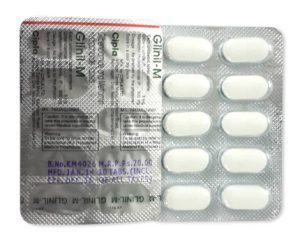
High-quality images of blister packs clearly showing the label GLUCOVANCE 500/5 are useful.
A simple dosing diagram that shows taking the tablet with a meal and reminders for renal checks and hypoglycaemia precautions reduces confusion.
Export images as accessible PNG or SVG and include clear captions for screen readers.
Buying & Storage Advice
In-Store Vs Online Purchase Tips In Australia
Where should Australians buy Glucovance?
Buy from licensed Australian pharmacies with ARTG-listed stock and pharmacist oversight.
Verify e-scripts and insist on pharmacist counselling when purchasing online or in-store.
Avoid overseas sellers that are not ARTG-registered as they may not meet Australian quality and safety standards.
Compare supply and price between Chemist Warehouse, Priceline, TerryWhite and local chemists, and confirm whether pharmacist counselling is included with an online order.
Storage In Australian Household Conditions (Heat/Humidity)
How should Glucovance be stored at home?
Keep tablets in the original blister pack at room temperature away from moisture and heat.
Avoid storing medications in bathrooms or near kitchen sinks where humidity is high.
In very hot Australian summers, store the blister pack in a cool, dry place away from direct sunlight; do not refrigerate unless packaging specifies it.
Dispose of expired tablets via pharmacy returns; do not flush medicines down the toilet.
Guidelines For Proper Use
Pharmacist Guidance In Australia
What should a pharmacist cover when dispensing Glucovance?
Confirm the indication for type 2 diabetes and review current glucose control and comorbidities.
Check baseline renal function and ensure arrangements for periodic eGFR monitoring.
Explain hypoglycaemia signs and immediate management, discuss alcohol, and review interacting medicines.
Recommend self-monitoring of blood glucose as appropriate and set a follow-up schedule with the GP or diabetes clinic.
Patient Safety Recommendations
What simple steps keep patients safe on Glucovance?
- Take with meals and follow the prescriber’s dosing schedule.
- Carry a hypo treatment and know how to use it.
- Maintain a diabetes action plan and a medication list card showing Glucovance (glibenclamide/metformin).
- Report adverse effects to the TGA and attend regular GP/endocrinologist reviews with renal tests.
Pharmacist Checklist: Document counselling in the dispense record, confirm eGFR monitoring plan, and ensure the patient understands hypo management.
Delivery Across Australia
| City | Region | Delivery time |
|---|---|---|
| Sydney | New South Wales | 9-14 days |
| Melbourne | Victoria | 9-14 days |
| Brisbane | Queensland | 9-14 days |
| Perth | Western Australia | 9-14 days |
| Adelaide | South Australia | 9-14 days |
| Hobart | Tasmania | 9-14 days |
| Darwin | Northern Territory | 9-14 days |
| Canberra | Australian Capital Territory | 9-14 days |
| Gold Coast | Queensland | 9-14 days |
| Newcastle | New South Wales | 14-21 days |
| Wollongong | New South Wales | 14-21 days |
| Geelong | Victoria | 14-21 days |
| Cairns | Queensland | 14-21 days |
| Townsville | Queensland | 14-21 days |
| Bendigo | Victoria | 14-21 days |
Final Notes For Patients
If switching from separate metformin and glibenclamide tablets to GLUCOVANCE 500/5, expect similar glucose-lowering effects but discuss any recent hypo history with the prescriber.
Regular kidney checks and adherence to follow-up appointments are essential while on combination therapy.
For any adverse event or unexpected symptom, contact the local GP, present to emergency care for severe hypoglycaemia or suspected lactic acidosis, and report events to the TGA.
Pharmacists and prescribers in Australia can help check PBS listing and authority requirements before dispensing to ensure cost-effective access for eligible patients.