Glucotrol
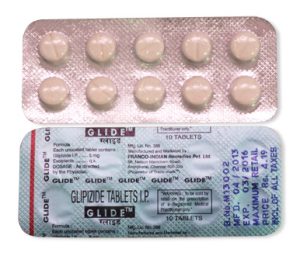
In brief
- Glucotrol (glipizide) is classified as a prescription-only medicine in Australia and most countries; it is supplied by pharmacies with a valid prescription—always consult a doctor or pharmacist before use.
- Glucotrol is used to treat type 2 diabetes mellitus; it is a sulfonylurea that lowers blood glucose by stimulating pancreatic beta cells to release insulin (closing ATP‑sensitive K+ channels).
- Usual dosing for adults: immediate‑release typically starts at 5 mg once daily about 30 minutes before breakfast (titrate by 2.5–5 mg every few days as needed); maintenance commonly 5–20 mg/day (single or divided doses). Maximum: immediate‑release up to 40 mg/day; Glucotrol XL up to 20 mg/day.
- Administer orally as a tablet—available as immediate‑release tablets (2.5, 5, 10 mg) and extended‑release (Glucotrol XL) formulations.
- Onset of action for immediate‑release is usually about 30 minutes; extended‑release formulations begin more slowly due to sustained release.
- Duration of action: immediate‑release effects typically last in the order of 12–24 hours depending on dose and individual response; XL formulations provide prolonged, once‑daily control (around 24 hours).
- Avoid excessive alcohol while taking Glucotrol—alcohol can potentiate hypoglycaemic effects and may cause adverse reactions; maintain regular meals when dosing to reduce hypoglycaemia risk.
- The most common side effect is hypoglycaemia (low blood sugar); other frequent effects include dizziness, headache, nausea, diarrhoea or constipation, mild skin rash and weight gain; rare but serious effects include hepatic or haematologic reactions and allergic responses.
- Would you like to try glucotrol without a prescription?
Basic Glucotrol Information
- INN (International Nonproprietary Name): Glipizide
- Brand Names Available In Australia: Not specified
- ATC Code: A10BB07
- Forms & Dosages: Immediate‑release tablets 2.5 mg, 5 mg, 10 mg; Extended‑release (Glucotrol XL) 5 mg, 10 mg
- Manufacturers In Australia: Not specified (global suppliers noted include Pfizer, Teva, Sandoz, Sun Pharma, Aurobindo)
- Registration Status In Australia: Not specified
- OTC / Rx Classification: Prescription Only (Rx)
Availability And Price Landscape
National Pharmacy Chains
Worried where to actually buy glucotrol or generic glipizide in Australia?
Most Australians pick up glipizide from community pharmacies such as Chemist Warehouse, Priceline and TerryWhite Chemmart when they have a valid prescription.
Discount pharmacy chains are commonly used for private‑pay purchases and comparison shopping.
Regional independent chemists also stock glipizide but availability can vary by supplier and pack size.
Ask the pharmacist for generic glipizide 5 mg tablet equivalents if the branded product is not available.
Online Pharmacy Trends In Australia
Are online options a practical route for repeat scripts and savings?
Australian patients increasingly use online pharmacies with telehealth prescriptions and click‑and‑collect services for convenience and price checking.
Many consumers compare private online prices against PBS co‑payment rates before buying.
In our online pharmacy, glucotrol is available without a prescription, with discreet delivery to Australia in 9-21 days.
When ordering online, confirm whether the listing is for immediate‑release tablets or an extended‑release (XL) product and request pharmacist counselling on dosing.
Price Ranges By Package Size (PBS Vs Private)
Want a clear way to compare pack sizes and cost bands before you click buy?
Prices and PBS subsidy status vary over time and by specific formulation, so check current listings at the time of purchase.
| Pack Size | Common Packaging | PBS/Co‑Payment | Typical Private Price Range |
|---|---|---|---|
| 30 Tablets | Blister or Bottle | Check current PBS listing | Not specified |
| 50–100 Tablets | Bottle (common for Glucotrol) / Blister | Check current PBS listing | Not specified |
| XL 30–100 Tablets | Bottle (Glucotrol XL commonly bottled) | Check current PBS listing | Not specified |
Suggested live visual: a price comparison widget showing current private prices from Chemist Warehouse, Priceline and TerryWhite alongside PBS co‑payment bands.
Patient Insights And Satisfaction Levels
Forum Reviews (ProductReview, Aussie Health Forums)
What do Australians say about taking glucotrol or glipizide on community boards?
Online reviews on ProductReview and pharmacy Q&A threads show many long‑term users reporting lower fasting glucose when the dose is right and meals are regular.
Affordability with generic glipizide is frequently praised in reviews, especially when compared with newer, more expensive drugs.
Rural posters often note occasional stock shortages and longer waits for specialist prescriptions, while urban users mention telehealth repeat scripts and click‑and‑collect as conveniences.
Reported Benefits And Issues From Australian Patients
Which benefits come up most, and what problems should a patient expect?
Commonly reported benefits include effective fasting glucose reduction and simple once‑daily dosing for many patients.
Frequent concerns are fear of hypoglycaemia, episodes of dizziness and weight gain over time.
Confusion about immediate‑release versus extended‑release timing is a typical theme in patient threads.
- Top Reported Benefits: Improved fasting glucose, affordability with generics, straightforward dosing.
- Top Reported Issues: Hypoglycaemia worry, daytime dizziness, missed‑meal hypoglycaemia, uncertainty about XL vs IR timing.
Practical patient tip: list typical symptoms, keep fast‑acting carbohydrate available, and record any hypoglycaemia episodes for dose review with the prescriber.
Product Overview And Brand Variants
INN And Brand Names In Australia
Which names might you see on a script or bottle?
International Nonproprietary Name (INN): Glipizide.
Glucotrol and Glucotrol XL are original Pfizer brand names noted primarily in the US market, while Minodiab and other brands appear in Europe.
In Australia the market is mainly generic glipizide supplied by various manufacturers rather than a dominant local brand name being specified.
Legal Classification (TGA‑Approved / Prescription Only)
Can you pick this up without a prescription?
Glipizide is a prescription‑only medication and is regulated under medicines authorities such as the TGA where products are registered for supply.
Always obtain a prescription before starting glipizide and ensure the form (immediate‑release or XL) is specified on the script.
Product Forms, Strengths And Packaging
Which forms and strengths should you expect to see at the pharmacy?
| Product | Form | Strengths | Typical Packaging |
|---|---|---|---|
| Glucotrol | Immediate‑Release Tablet | 5 mg, 10 mg | Bottles (100 tablets common in some markets) |
| Glucotrol XL | Extended‑Release Tablet | 5 mg, 10 mg | Bottles |
| Generic Glipizide | Immediate‑Release Tablet | 2.5 mg, 5 mg, 10 mg | Blister Packs or Bottles |
Indications In Local Medical Practice
Approved Uses By TGA
Who is glipizide intended for in Australia?
Glipizide is indicated for type 2 diabetes mellitus to lower blood glucose when diet and exercise, and frequently metformin, are insufficient.
It is not indicated for type 1 diabetes or for diabetic ketoacidosis.
Off‑Label Patterns In Australian Clinics
Are there situations where clinicians still choose glipizide off the standard pathway?
General practitioners may initiate or continue sulfonylureas such as glipizide when cost, contraindications to other agents, or patient preference make them appropriate.
Occasional short‑term bridging use is seen where insulin is unsuitable or while awaiting specialist review, always with safety monitoring.
Shared decision making is important, prioritising hypoglycaemia risk, renal and hepatic function, and patient age when choosing therapy.
- Prescriber Checklist: Indication confirmed for type 2 diabetes; contraindications reviewed; baseline renal and liver tests available; plan for hypoglycaemia monitoring.
How It Works In The Body
Layman’s Explanation
How exactly does glipizide lower blood sugar?
Glipizide stimulates the pancreas to release more insulin, which helps lower blood glucose when taken with a consistent meal routine.
Taking tablets at a consistent time relative to meals helps match insulin release with food intake and reduces hypoglycaemia risk.
Clinical Detail
What is the precise mechanism at the cellular level?
Glipizide is a sulfonylurea that closes ATP‑sensitive potassium channels in pancreatic beta cells, which increases insulin secretion.
Immediate‑release glipizide is usually taken about 30 minutes before breakfast for prompt onset, while extended‑release Glucotrol XL is taken with breakfast for sustained action.
Compared with glyburide (glibenclamide), glipizide is generally considered to carry a lower risk of severe hypoglycaemia.
- Beta‑cell: The insulin‑producing cell in the pancreas.
- K+ Channel: Potassium channel that sulfonylureas close to trigger insulin release.
- XL Vs IR: XL provides prolonged release with once‑daily dosing; IR requires timing before meals.
Dosage And Administration
Standard Regimens
What dose will a GP usually start you on?
Adults with type 2 diabetes usually start at 5 mg once daily of immediate‑release glipizide, taken 30 minutes before breakfast, or start an XL formulation with breakfast.
Titration is typically by 2.5–5 mg every few days to reach target glycaemic control.
Maintenance doses commonly fall between 5 mg and 20 mg daily, with maximum doses of 40 mg/day for immediate‑release and 20 mg/day for extended‑release.
Adjustments By Patient Type (Elderly, Chronic Conditions)
How should dosing change for frail or medically complex patients?
Start at the lower end of the dosing range in elderly patients and those with renal or hepatic impairment because hypoglycaemia risk is increased.
Monitor renal and liver function, review concomitant medications that increase hypoglycaemia risk, and titrate slowly.
| Population | Starting Dose | Maintenance/Max |
|---|---|---|
| Adults (Type 2) | 5 mg once daily (IR) 30 minutes before breakfast | 5–20 mg daily; max 40 mg/day (IR) |
| Elderly / Renal‑Impaired | Lowest effective dose | Titrate slowly; monitor closely |
| XL Formulation | With breakfast | Max 20 mg/day |
Missed dose advice: take as soon as remembered unless next dose is due soon; do not double doses.
Overdose management: severe hypoglycaemia requires immediate medical assistance and may need emergency glucose or IV dextrose.
Contraindications And Side Effects
Common
What common side effects should patients watch for?
Hypoglycaemia is the most common and clinically relevant adverse effect of glipizide.
Other common effects include dizziness, headache, nausea, diarrhoea or constipation, mild skin rash and weight gain.
Advise patients to carry a source of fast‑acting carbohydrate and to recognise early hypoglycaemia signs.
Rare But Serious (Australian Safety Data)
Which red flags require urgent action?
Absolute contraindications include hypersensitivity to glipizide or other sulfonylureas, type 1 diabetes and diabetic ketoacidosis.
Rare but serious reactions include hepatic dysfunction, haematologic reactions and severe allergic reactions.
Advise patients to report severe or unexpected reactions and to report serious adverse events to the TGA.
| Symptom | Action |
|---|---|
| Sweating, Tremor, Confusion | Give fast‑acting carbohydrate (glucose gel/juice), recheck BGL |
| Unconsciousness | Call emergency services and do not give oral carbohydrate |
| Jaundice, Severe Rash, Bleeding | Seek urgent medical review and stop medication until assessed |
Alcohol can potentiate hypoglycaemia when combined with sulfonylureas and should be avoided or used cautiously.
Comparable Medicines
Alternatives Table (PBS And Non‑PBS)
Interested in how glipizide compares with other options on the PBS and off‑PBS?
| Medicine | Typical Dose | Hypoglycaemia Risk | PBS Status |
|---|---|---|---|
| Gliclazide (Diamicron) | 40–120 mg daily (varies) | Moderate | Check current PBS listing |
| Glimepiride (Amaryl) | 1–4 mg daily | Moderate | Check current PBS listing |
| Glibenclamide (Glyburide) | 2.5–10 mg daily | Higher (vs glipizide) | Check current PBS listing |
| Metformin | First‑line; varies | Low | Common on PBS |
| SGLT2 / GLP‑1 / DPP‑4 | Varies by drug | Low (less hypoglycaemia) | Often off‑PBS or subsidised selectively |
Pros And Cons List
How should a pharmacist explain the trade‑offs at the counter?
- Glipizide Pros: Oral once‑daily options available, effective glucose lowering, low cost in generic form.
- Glipizide Cons: Risk of hypoglycaemia, potential weight gain, cautious use in renal/hepatic impairment and elderly patients.
Provide patients a comparison handout and discuss PBS eligibility and combination therapy with metformin where indicated.
Current Research And Trends (2022–2025)
Major Studies 2022–2025 (Australia + International)
What has recent research focused on regarding sulfonylureas?
Recent literature emphasises comparative hypoglycaemia risk across sulfonylureas, cardiovascular outcomes and the place of older agents in cost‑sensitive settings.
Cohort analyses continue to suggest glipizide may have lower severe hypoglycaemia risk than glyburide, while the class effect of hypoglycaemia and weight gain remains consistent.
Australia‑specific randomised data are limited, and practice is influenced by subsidy listings and evolving guidance on newer agents.
Implications For Aussie Prescribing
How should pharmacists use this information when counselling patients?
Clinicians balancing efficacy, safety and cost may still select glipizide for suitable patients, particularly where cost is the major determinant.
Pharmacists should monitor updates to TGA advisories and changes in PBS subsidies for SGLT2 inhibitors and GLP‑1 agonists that affect first‑line choices.
Provide patients with current evidence summaries and emphasise monitoring during dose changes or when combining therapies.
Common Patient Questions
Dosing And Missed Doses
Patients often ask: When exactly should I take this tablet?
Immediate‑release glipizide is taken about 30 minutes before breakfast, and extended‑release Glucotrol XL is taken with breakfast.
If a dose is missed, take it as soon as remembered unless it is near the time of the next dose; do not double up.
Interaction And Lifestyle Questions
Can I drink alcohol or take other medicines with glipizide?
Alcohol can increase the risk of hypoglycaemia when taken with glipizide and should be used cautiously.
Other glucose‑lowering drugs increase hypoglycaemia risk when used together, so review all medications before starting.
- Pregnancy/Breastfeeding: Generally not recommended without specialist advice.
- Hypoglycaemia Treatment: Fast‑acting carbohydrate such as glucose gel or juice; seek emergency help if severe.
Regulatory Status
TGA Approval
Is glipizide approved for use in Australia?
Glipizide is a prescription sulfonylurea (ATC A10BB07) and products are typically registered with national medicines regulators such as the TGA; check the ARTG for specific product registrations and sponsor details.
PBS Subsidy Details
Will the patient automatically get subsidised price at the pharmacy?
PBS subsidy status varies by formulation and can change, so pharmacies must verify current PBS listings and patient entitlements when dispensing.
Request that prescribers specify IR versus XL on the script, confirm concession card status and document any authority requirements.
- TGA Vs PBS: TGA oversees registration; PBS determines subsidy eligibility.
- Dispensing Checklist: Confirm formulation, confirm patient PBS eligibility, check for required authorities.
Visual Recommendations
Infographics: PBS Pricing, Pharmacy Networks
What visuals help conversion while keeping patients safe?
Use a pricing infographic that compares private price bands with possible PBS co‑payments and highlights major retailers such as Chemist Warehouse, Priceline and TerryWhite Chemmart.
Include a pharmacy network map with click‑to‑call options for telehealth and click‑and‑collect.
Product Photography & Dosing Diagrams
Which images reduce confusion at purchase?
Provide clear product shots showing bottle versus blister packaging, XL badges for extended‑release, and a dosing diagram that shows IR timing (30 minutes before breakfast) versus XL timing (with breakfast).
Include a downloadable hypoglycaemia quick‑action strip and a contraindications caution badge on the product page.
Buying And Storage Advice
In‑Store Vs Online Purchase Tips In Australia
Should I buy in‑store or online?
Verify generic equivalence (glipizide) when buying, and ask the pharmacist for dose conversion advice if switching brands or pack formats.
Use telehealth for repeat scripts and ask about local stock levels, especially for rural patients who may prefer larger pack sizes or earlier refills.
Compare private pricing across chains and ask the pharmacist about generic manufacturers if cost is an issue.
Storage In Australian Household Conditions (Heat/Humidity)
How should glipizide be stored in an Australian home?
Store between 20–25°C and protect from moisture and heat.
Keep tablets in their original packaging away from direct sunlight and do not leave them in cars where temperatures can exceed safe ranges.
| Do | Don’t |
|---|---|
| Store in a cool, dry cupboard at home | Leave in a parked car or in direct sunlight |
| Keep in original packaging with expiry visible | Transfer loose tablets into other containers without labels |
Guidelines For Proper Use
Pharmacist Guidance In Australia
What should pharmacy counselling include at the time of dispensing?
Confirm the indication for type 2 diabetes, check baseline renal and hepatic function if available, and review current medications for interactions.
Counsel on meal timing, hypoglycaemia recognition, and the difference between IR and XL products.
Document counselling in dispensing notes and consider a follow‑up call after initiation or dose change.
Patient Safety Recommendations
How can patients stay safe on glipizide?
Provide a stepwise counselling script covering when to take the tablet, what to do for missed doses, how to treat hypoglycaemia and when to seek emergency care.
Encourage regular self‑monitoring of blood glucose during titration and after dose changes, and advise dose reductions for elderly patients with irregular food intake.
Provide a printable safety card summarising hypoglycaemia actions and emergency contact details.
Delivery Across Australia
| City | Region | Delivery time |
|---|---|---|
| Sydney | New South Wales | 9-14 days |
| Melbourne | Victoria | 9-14 days |
| Brisbane | Queensland | 9-14 days |
| Perth | Western Australia | 9-14 days |
| Adelaide | South Australia | 9-14 days |
| Hobart | Tasmania | 9-14 days |
| Darwin | Northern Territory | 9-14 days |
| Canberra | Australian Capital Territory | 9-14 days |
| Gold Coast | Queensland | 9-14 days |
| Newcastle | New South Wales | 9-14 days |
| Wollongong | New South Wales | 14-21 days |
| Geelong | Victoria | 14-21 days |
| Townsville | Queensland | 14-21 days |
| Cairns | Queensland | 14-21 days |
Final Practical Notes
When a patient asks whether glipizide suits them, start by confirming the diagnosis is type 2 diabetes and reviewing renal and hepatic status.
Ensure the prescription specifies immediate‑release or extended‑release so the correct formulation is dispensed.
Advise patients to carry a hypoglycaemia action plan and fast‑acting carb at all times, and to report severe reactions to the TGA.
If switching manufacturers, confirm equivalent strengths (for example glipizide 5 mg tablet) and counsel on any differences in tablet appearance or packaging.
Provide written counselling notes and a safety card at dispensing, and offer a follow‑up phone review within one to two weeks after starting or changing dose.