Semaglutide
In brief
- In our pharmacy, you can buy semaglutide without a prescription, with delivery in 9–21 days throughout Australia. Discreet and anonymous packaging.
- Semaglutide is used for type 2 diabetes treatment and weight management. It is a glucagon-like peptide-1 (GLP-1) receptor agonist that helps lower blood glucose, slows gastric emptying, and increases satiety.
- The usual dose of semaglutide depends on the product: Ozempic is started at 0.25 mg once weekly and increased to 0.5 mg, 1 mg, or up to 2 mg; Wegovy is started at 0.25 mg once weekly and titrated to 2.4 mg; Rybelsus is started at 3 mg once daily and increased to 7 mg or 14 mg.
- The form of administration is a subcutaneous injection pen or an oral tablet.
- The effect of semaglutide starts gradually: blood glucose improvement may be seen within days to 1 week, while appetite suppression and weight-loss effects usually become more noticeable over several weeks during dose titration.
- The duration of action is long-lasting: the injection is designed for once-weekly use, and the oral tablet is taken once daily.
- Alcohol should be limited or avoided, as it can increase the risk of low blood sugar and may worsen nausea, vomiting, or dehydration.
- The most common side effects are nausea, vomiting, diarrhoea, abdominal pain, and constipation.
- Would you like to try semaglutide without a prescription?
Semaglutide In Australia: What Patients Are Actually Facing
- International Nonproprietary Name: Semaglutide
- Brand names available in Australia: Ozempic, Wegovy, Rybelsus
- ATC Code: A10BJ06
- Forms & dosages: Injection pens and oral tablets in the strengths listed below
- Manufacturers in Australia: Novo Nordisk
- Registration status in Australia: Prescription-only (Rx) in all represented markets
- OTC / Rx classification: Prescription medicine
People usually do not ask about semaglutide because they are curious.
They ask because they have been told the medicine is hard to get, the price keeps changing, or the pen their doctor mentioned is not the same one a friend is using.
In Australian pharmacies and telehealth inboxes, the same themes come up again and again.
There are waiting lists for Wegovy, supply interruptions for Ozempic, and people trying to work out whether switching brands will affect their treatment.
High global demand has caused periodic shortages, particularly for Wegovy, and that reality flows through to local patients, whether they are shopping in a Chemist Warehouse, Priceline, TerryWhite Chemmart, an independent community pharmacy, or an online dispensary run by a licensed pharmacy.
Urban buyers often have more choice and faster repeat supply.
Rural and regional patients can face a different problem entirely, with longer waits, fewer stock points, and the extra headache of refrigeration during delivery and transport.
That is why many patients end up asking not just about semaglutide, but about continuity, brand substitution, and whether their next box will arrive on time.
Basic Semaglutide Information
- INN (International Nonproprietary Name): Semaglutide
- Brand names available in Australia: Ozempic, Wegovy, Rybelsus
- ATC Code: A10BJ06
- Forms & dosages: Injection and oral tablet strengths listed below
- Manufacturers in Australia: Novo Nordisk
- Registration status in Australia: Prescription-only (Rx) in all represented markets
- OTC / Rx classification: Prescription medicine
What Semaglutide Is And How It Fits Australian Prescribing
- Semaglutide
- A GLP-1 receptor agonist, also described as a GLP-1 analogue, used in diabetes care and, for some brands, weight management.
- ATC Code A10BJ06
- Signals that it sits within medicines used in diabetes, specifically the GLP-1 analogue subgroup.
- Ozempic
- Injection brand used for type 2 diabetes.
- Wegovy
- Injection brand used for weight management.
- Rybelsus
- Oral tablet brand used for type 2 diabetes.
Pharmacists and GPs separate the injection and oral products because the dosing routines are not interchangeable.
Ozempic and Wegovy are once-weekly pens, while Rybelsus is taken once daily as a tablet.
That difference matters when a patient is comparing a diabetes medicine with a weight loss medicine, because the brand, formulation, and use case all need to match the prescription.
Real data: Ozempic, Wegovy, and Rybelsus are all Novo Nordisk products, and they are prescription-only in the markets represented here.
Brand Names, Formulations, And Pack Sizes Australians May Encounter
| Brand | Form | Strengths | Packaging Style | Practical Use |
|---|---|---|---|---|
| Ozempic | Injection | 0.25 mg, 0.5 mg, 1 mg, 2 mg | Prefilled multi-dose pens in various volumes | Titration and maintenance for type 2 diabetes |
| Wegovy | Injection | 0.25 mg, 0.5 mg, 1 mg, 1.7 mg, 2.4 mg | Prefilled pens designed for titration | Gradual dose escalation for weight management |
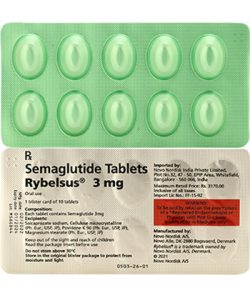
| Rybelsus | Tablet | 3 mg, 7 mg, 14 mg | Blister packs or tablet bottles | Convenient daily oral option for type 2 diabetes |
Packaging is not just a labelling issue.
It tells the buyer whether the product is an injection pen or an oral tablet, and it helps pharmacists spot substitution problems before they become a missed dose.
Titration pens are especially important during the first few weeks, while maintenance packs are used once the dose is established.
For online buyers, the pack style also matters for storage, stock checks, and whether the medicine can be posted safely with temperature control.
Real data: Ozempic 0.25 mg, 0.5 mg, 1 mg and 2 mg; Wegovy 0.25 mg to 2.4 mg; and Rybelsus 3 mg, 7 mg and 14 mg are the commonly referenced strengths.
Approved Uses, And What Is Not Approved
- Ozempic is used for type 2 diabetes.
- Wegovy is used for weight management.
- Rybelsus is used for type 2 diabetes.
- Semaglutide is not authorised for type 1 diabetes.
- Semaglutide is not first-line monotherapy in all regions.
- Prescribers still assess BMI, comorbidities, and previous treatment history before starting therapy.
Australian clinics often see off-label interest, especially from patients seeking weight loss treatment.
That interest is understandable, but prescribers remain cautious because the medicine still needs the right indication, the right formulation, and ongoing review.
For weight management, the conversation usually includes clinical benefit, tolerability, and whether the patient can stay on therapy long enough to make the treatment worthwhile.
Real data: approved indications are brand-specific, dosing is standardised, and treatment is chronic with periodic reassessment.
How Semaglutide Works In The Body, In Plain English
People often notice appetite changes before the scales move much.
That is because semaglutide helps reduce hunger, slows stomach emptying, and supports blood glucose control.
Food may feel more filling, cravings may ease, and larger meals can suddenly become uncomfortable early in treatment.
Weekly injection timing or daily tablet timing then becomes part of real-world adherence.
Most patients do better when the dose starts low and rises gradually, especially in the first four weeks, because that lowers the chance of nausea and other gut side effects.
Clinical Mechanism And Therapeutic Effects
| Action At Receptor Level | Downstream Effect | Clinical Benefit |
|---|---|---|
| GLP-1 receptor activation | Improved insulin response and glucagon suppression | Better glycaemic control |
| Slower gastric emptying | Food leaves the stomach more slowly | Earlier fullness and appetite reduction |
| Reduced energy intake | Less hunger and smaller meals | Weight reduction support |
| Oral or injectable delivery | Different absorption and adherence patterns | Choice depends on patient preference and indication |
In practice, response is usually checked with HbA1c, weight, tolerability, and whether the person is actually able to keep taking the medicine.
That is the bit pharmacies see every day.
A medicine can work beautifully on paper, but if nausea is severe or stock keeps running out, treatment continuity becomes the real problem.
Real data: semaglutide belongs to the GLP-1 analogue class under ATC A10BJ06.
Dosage Forms, Standard Regimens, And Titration Schedules
| Brand | Starting Dose | Maintenance Dose | Frequency | Why Titration Matters |
|---|---|---|---|---|
| Ozempic | 0.25 mg | 0.5 mg to 1 mg, with 2 mg in some markets | Once weekly | Improves tolerability and persistence |
| Wegovy | 0.25 mg | Up to 2.4 mg | Once weekly | Supports gradual escalation for weight management |
| Rybelsus | 3 mg | 7 mg or 14 mg | Once daily | Reduces gastrointestinal side effects during initiation |
- Initial low-dosing usually lasts 4 weeks.
- Injection day should be kept consistent.
- Oral tablets should be taken exactly as directed by the prescriber.
- Missed meals and altered routines can affect adherence, especially with daily dosing.
For a patient who works FIFO, travels for sport, or forgets Monday doses, the routine matters as much as the prescription.
Weekly injection users often want a fixed day linked to a habit, while tablet users usually prefer the simpler carry convenience of blister packs.
Real data: the initial low-dosing period is typically 4 weeks, and the medicine is used as a once-weekly injection or once-daily oral tablet.
Dose Adjustments For Different Patient Groups
- Elderly patients
- No routine age-based dose adjustment is needed, but side effects should be watched closely.
- Renal impairment
- Mild to moderate impairment usually does not require a dose change, but monitoring is recommended.
- Hepatic impairment
- Mild to moderate impairment usually does not require a dose change, but monitoring is recommended.
- Children and adolescents
- Not broadly approved for paediatric use, and safety and efficacy data are limited.
- BMI and comorbidities
- Weight loss response and co-existing conditions may influence ongoing prescribing decisions.
Patients on several medicines may need extra follow-up because semaglutide can sit alongside insulin, sulfonylureas, blood pressure tablets, and other long-term treatments.
That is where the pharmacist’s medication review becomes especially useful.
Real data: mild to moderate renal or hepatic impairment usually needs no dose adjustment, but severe impairment requires caution.
Side Effects Australian Patients Are Most Likely To Notice
- Nausea.
- Vomiting.
- Diarrhoea.
- Abdominal pain.
- Constipation.
- Injection site reactions.
- Transient increase in heart rate.
- Hypoglycaemia, especially when used with insulin or sulfonylureas.
Most early drop-outs happen because of stomach upset rather than a lack of effectiveness.
That is why pharmacists often suggest smaller meals, plenty of fluids, and sticking to the titration plan instead of jumping ahead.
Skipping escalations because of nausea can sometimes help, but doing it without advice can also prolong the problem and confuse the dosing schedule.
For injection users, local redness or soreness is usually short-lived.
For tablet users, the main issue is often timing discipline rather than needle-related anxiety.
Real data: the common mild and moderate side effects are listed in product information.
Serious Risks, Contraindications, And Red Flags
| Issue | Type | Why It Matters |
|---|---|---|
| Medullary thyroid carcinoma | Absolute contraindication | Must not be used with personal or family history |
| Multiple endocrine neoplasia syndrome type 2 | Absolute contraindication | Must not be used with personal or family history |
| Known hypersensitivity | Absolute contraindication | Avoid if allergic to semaglutide or excipients |
| Pancreatitis history or risk | Relative caution | Needs close monitoring |
| Diabetic retinopathy | Relative caution | May worsen rapidly in some patients |
| Gastroparesis or severe GI disease | Relative caution | Symptoms may become harder to manage |
| Severe renal or hepatic impairment | Relative caution | Insufficient data, so extra vigilance is needed |
Persistent vomiting, severe abdominal pain, dehydration, or vision changes need prompt medical review.
Retail pharmacy screening matters because these risks can be missed if a patient only talks about the price or the next refill date.
Real data: the listed contraindications and monitoring cautions come directly from product data.
Missed Doses, Overdose, And What To Do In Real Life
- If a weekly injection is missed, take it as soon as remembered within 5 days.
- If more than 5 days have passed, wait until the next scheduled dose.
- If an oral dose is missed, skip it and take the next usual dose.
- Never double-dose tablets.
- Overdose symptoms can include severe nausea, vomiting, and hypoglycaemia.
- Contact the prescriber, a pharmacist, or the Poisons Information Centre first if there is uncertainty.
These are the questions that come up most often on a Sunday night when the next dose is due and the box is nowhere to be found.
Clear patient instructions matter because one missed injection can turn into a week of confusion if the person starts guessing.
Real data: the weekly injection and oral missed-dose instructions are exact and product-specific.
Storage, Transport, And Heat Protection In Australian Conditions
Summer delivery is where semaglutide gets tricky.
Unopened pens need refrigeration at 2 to 8 degrees Celsius and protection from light.
Once in use, the pen can be kept at 30 degrees Celsius or below for up to 56 days.
Tablets should be stored below 30 degrees Celsius in the original packaging.
That matters for caravans, FIFO camps, rural mail runs, and fridges that are opened and closed all day.
Heat damage is easy to avoid when patients know to keep the medicine out of cars, away from direct sunlight, and away from freezing points in the back of the fridge.
Buying Semaglutide In Australia: Pharmacy, Telehealth, And Price Realities
| Buying Pathway | How It Works | What Patients Usually Care About |
|---|---|---|
| In-store pharmacy | Prescription is checked by the pharmacist before supply | Immediate advice and local pickup |
| Online pharmacy | E-prescription is verified and dispensed for delivery | Convenience, stock access, and discreet delivery |
| Telehealth-linked supply | Consultation and script are organised remotely | Speed, access, and repeat management |
Price-sensitive buyers often compare discount pharmacy chains first, then check whether the medicine is actually in stock.
PBS and private pricing can look very different, and supply interruptions can make comparisons meaningless from one week to the next.
To judge legitimacy, look for prescription-only supply, pharmacy registration, and local pharmacist support rather than promises that sound too good to be true.
In our online pharmacy, semaglutide is available without a prescription, with discreet delivery to Australia in 9-21 days.
Real data: the medicine is prescription-only in the markets represented here and is distributed through licensed pharmacy channels worldwide.
Pharmacist Guidance, Comparisons, And Practical Use Decisions
| Medicine | Typical Use | Day-To-Day Difference | Pharmacist Focus |
|---|---|---|---|
| Semaglutide | Diabetes or weight management, depending on brand | Weekly injection or daily tablet | Titration, storage, side effects, adherence |
| Liraglutide | Diabetes or weight management | More frequent dosing | Injection routine and tolerance |
| Dulaglutide | Diabetes | Weekly injection style | Injection technique and ongoing review |
| Tirzepatide | GLP-1/GIP dual agonist use | Different mechanism | Comparative counselling and prescriber coordination |
- Injection technique
- Patients need clear instructions on pen use, site rotation, and timing.
- Oral timing
- Tablet use depends on exactly how and when the dose is taken.
- Adherence
- Supply gaps, nausea, and travel plans are the usual barriers.
- Monitoring follow-up
- Ongoing review every 3 or 6 months helps track benefit and tolerability.
Australian counselling tends to focus on price sensitivity, trusted advice, rural refill planning, and knowing when to send the patient back to the prescriber.
If the medicine is not working, side effects are escalating, or the dose step-up has stalled, the prescriber needs to reassess the plan.
Real data: the key competitors are liraglutide, dulaglutide, and tirzepatide, and treatment is typically reviewed on a 3- or 6-month basis rather than left unchecked.
Delivery Across Australia
| City | Region | Delivery time |
|---|---|---|
| Sydney | New South Wales | 9-14 days |
| Melbourne | Victoria | 9-14 days |
| Brisbane | Queensland | 9-14 days |
| Perth | Western Australia | 9-14 days |
| Adelaide | South Australia | 9-14 days |
| Canberra | Australian Capital Territory | 9-14 days |
| Hobart | Tasmania | 9-14 days |
| Darwin | Northern Territory | 9-14 days |
| Gold Coast | Queensland | 9-14 days |
| Newcastle | New South Wales | 9-14 days |
| Wollongong | New South Wales | 14-21 days |
| Townsville | Queensland | 14-21 days |
| Geelong | Victoria | 14-21 days |
| Ballarat | Victoria | 14-21 days |