
Pain Relief
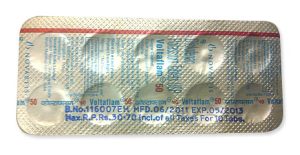
Voltaren
from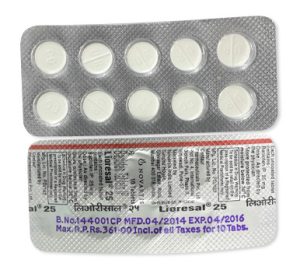
Lioresal
from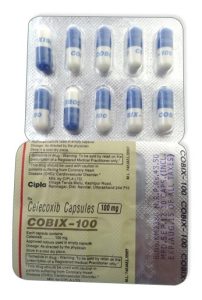
Celebrex
from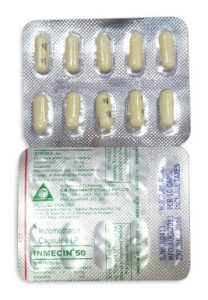
Indocid
from
Mobic
from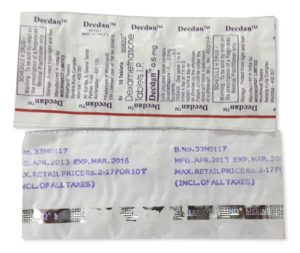
Decadron
from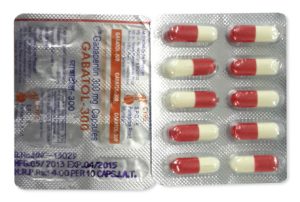
Nupentin
from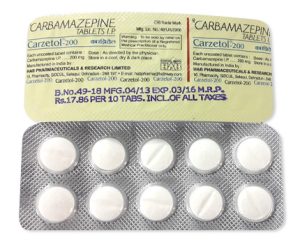
Tegretol
from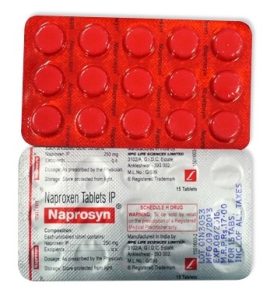
Naprosyn
from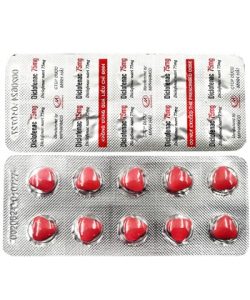
Diclofenac
from
Pyridium
from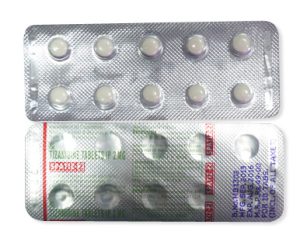
Zanaflex
from
Phenazopyridine
from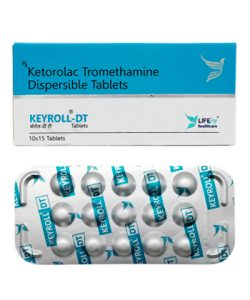
Toradol
from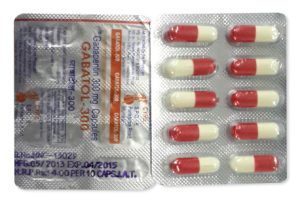
Gabapentin
from
Sumatriptan
fromUnderstanding Pain Relief Medications
Pain relief medications work by reducing signals sent to the brain or by decreasing inflammation in affected areas. There are several types of pain relievers available in Australia, each suited to different kinds of pain and individual needs. Understanding how these medications work can help you choose the most appropriate option for your situation.
Common types of pain relievers
Paracetamol (acetaminophen) is one of the most widely used over-the-counter pain relievers in Australia. It works by affecting the brain’s pain perception and temperature regulation. Nonsteroidal anti-inflammatory drugs (NSAIDs) like ibuprofen and naproxen reduce inflammation and pain simultaneously. Aspirin serves both as a pain reliever and anti-inflammatory agent. Prescription-strength medications may be necessary for more severe pain conditions.
When to use pain relief
Pain relief medications are appropriate for headaches, muscle aches, period pain, toothaches, and general body pain. Minor injuries and fever also respond well to these treatments. However, chronic pain conditions may require specialist consultation and tailored treatment plans.
Over-the-Counter Pain Relief Options
Over-the-counter pain relievers are readily available at Australian pharmacies without a prescription and are suitable for managing mild to moderate pain effectively.
Paracetamol products
Popular brands in Australia include Panadol, Tylenol, and generic paracetamol formulations. These products are available in tablets, capsules, liquids, and effervescent forms. Paracetamol is generally well-tolerated and suitable for most people, including pregnant women when used as directed. It’s effective for headaches, fever, and general pain relief.
Ibuprofen and NSAID options
Nurofen and Ibuprofen Australia are common ibuprofen brands available over-the-counter. Aspro Clear and other aspirin products provide alternative NSAID options. Naproxen-based products like Naprogesic offer longer-lasting relief, typically lasting up to 12 hours per dose. These options work by reducing inflammation, making them particularly effective for injuries and inflammatory conditions.
Combination products
Many Australians use combination pain relievers containing paracetamol with caffeine or codeine for enhanced effectiveness. These products often work faster and provide stronger relief than single-ingredient options. Some combination products are available over-the-counter, whilst others require pharmacist recommendation.
Prescription-Strength Pain Management
When over-the-counter options prove insufficient, prescription-strength pain medications offer more powerful relief for moderate to severe pain conditions.
Prescription analgesics available in Australia
Codeine-containing products are commonly prescribed for moderate pain and are available in various formulations. Tramadol provides stronger pain relief for conditions that don’t respond to standard over-the-counter medications. Stronger opioid medications may be prescribed for severe pain under strict medical supervision. Doctors carefully assess each patient’s needs before prescribing these medications due to potential side effects and dependency risks.
Long-term pain management
For chronic pain conditions, doctors may prescribe extended-release formulations that provide consistent relief throughout the day. Regular monitoring and follow-up appointments ensure the medication remains effective and safe. Combining medications with physiotherapy and lifestyle modifications often provides the best outcomes for chronic pain sufferers.
When to see a doctor
- Persistent pain lasting more than a few weeks warrants professional evaluation
- Severe pain that interferes with daily activities should be assessed by a healthcare provider
- Pain following injury or illness that worsens rather than improves needs medical attention
- Unexplained pain requires proper diagnosis before treatment begins
Topical and Localised Pain Relief
Topical pain relief products provide targeted relief directly to affected areas without entering the bloodstream systemically.
Creams and gels
Tiger Balm and similar heat rub products are popular for muscle aches and joint pain relief. Voltaren Emulgel contains diclofenac and provides anti-inflammatory relief when applied directly to skin. Muscle relaxant creams containing methyl salicylate offer temporary warming sensations that ease discomfort. These products work well for localised muscle tension, sports injuries, and arthritis-related pain.
Patches and plasters
Medicated patches deliver pain relief through transdermal absorption over several hours. These are particularly useful for people who cannot take oral medications or who need consistent relief. Adhesive plasters containing various active ingredients provide portable pain management options.
Advantages of topical products
Topical treatments minimise systemic side effects since they work primarily at the application site. They’re suitable for people taking multiple oral medications who need to avoid drug interactions. Topical options work well for superficial pain and surface-level inflammation without affecting the digestive system.
Pain Relief for Specific Conditions
Different pain conditions often benefit from specific pain relief approaches tailored to their underlying causes.
Headache and migraine relief
Paracetamol and ibuprofen are first-line treatments for tension headaches and mild migraines. Stronger medications like triptans are prescribed for severe migraines that don’t respond to standard pain relievers. Combining pain relief with rest and hydration often enhances effectiveness. Some headache sufferers benefit from preventative medications taken regularly rather than only during pain episodes.
Period pain management
Ibuprofen and naproxen are particularly effective for period pain since they target the inflammation causing cramping. Taking medication at the first sign of pain often prevents pain from intensifying. Regular use during the first few days of menstruation provides consistent relief for many women.
Arthritis and joint pain
Sustained-release NSAID formulations work well for chronic arthritis pain. Topical products combined with oral medication often provide superior relief. Paracetamol offers a gentler alternative for people who cannot tolerate NSAIDs. Anti-inflammatory approaches combined with exercise often produce the best long-term outcomes for joint health.
Back and muscle pain
Over-the-counter pain relievers combined with muscle relaxants provide effective relief for acute muscle strain. Heat application alongside medication often enhances pain reduction. Chronic back pain may require prescription medications and specialist physiotherapy assessment.
Safety and Responsible Pain Relief Use
Using pain relief medications responsibly ensures maximum effectiveness whilst minimising potential risks and side effects.
Dosage guidelines
Always follow package directions and never exceed recommended daily doses. Different products have different maximum daily limits that must be respected. Taking more medication than directed doesn’t provide better pain relief and increases risk of adverse effects.
Side effects and precautions
NSAIDs may cause stomach upset or ulcers in susceptible individuals and should be taken with food. Paracetamol in excessive doses can damage the liver, making careful dosing essential. Some people experience allergic reactions or sensitivities to certain medications. Existing medical conditions, pregnancy, and other medications can affect which pain relievers are appropriate.
When to consult a pharmacist
- Before using pain relief if you take other medications regularly
- If you have liver, kidney, or stomach conditions
- If you are pregnant or breastfeeding
- If pain persists despite medication and requires professional medical assessment
Avoiding medication overuse
Using pain relief daily for extended periods can lead to rebound headaches or medication overuse disorders. Regular pain requiring frequent medication suggests underlying issues needing professional investigation. Combining multiple pain relief products without guidance risks overdose and serious complications. Taking breaks from regular pain medication allows your body to maintain normal pain response mechanisms.