Toradol
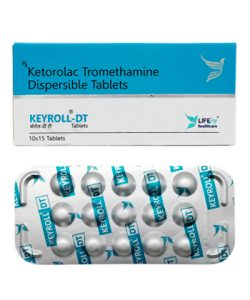
In brief
- In Australia, toradol (ketorolac) is officially prescription-only and should be supplied with a valid prescription, though some pharmacies or online sellers may supply it without a prescription — this is not recommended and may be illegal; always use under medical supervision.
- Toradol is used for short-term management of moderate to severe pain (especially post‑operative pain) and sometimes for acute migraine; it is a non‑selective NSAID that inhibits COX‑1 and COX‑2, reducing prostaglandin synthesis to provide analgesia.
- Usual adult doses: oral 10 mg every 4–6 hours; IM/IV 10–30 mg every 6 hours (common single IM/IV migraine dose 30 mg); maximum treatment duration is 5 days. Dose adjustments required for elderly, renal or hepatic impairment; not recommended in significant renal impairment.
- Forms of administration include oral tablets (10 mg), injectable IM/IV solutions (10 mg/mL and 30 mg/mL), a nasal spray formulation (Sprix in some markets) and ophthalmic drops (0.5% Acular) for eye indications.
- Onset of effect: IV/IM analgesia typically begins within about 10 minutes, oral onset around 30–60 minutes (nasal onset variable, often within 30 minutes).
- Duration of action: single-dose analgesic effect usually lasts about 4–6 hours; overall treatment should not exceed 5 days due to increased risk of serious adverse effects.
- Alcohol warning: avoid alcohol while taking toradol — alcohol increases the risk of gastrointestinal bleeding, stomach irritation and may worsen kidney toxicity.
- The most common side effect is nausea (patients may also experience vomiting, indigestion, dizziness and abdominal pain; serious risks include GI bleeding, renal failure and allergic reactions).
- Would you like to try toradol without a prescription?
Basic Toradol Information
- INN (International Nonproprietary Name): Ketorolac Tromethamine.
- Brand Names Available In Australia: Toradol and generic ketorolac preparations are supplied in tablet and injectable forms in Australia.
- ATC Code: M01AB15.
- Forms & Dosages: Tablets 10 mg; injection 10 mg/mL and 30 mg/mL; nasal spray and eye-drop formulations exist internationally but are not widely marketed in Australia.
- Manufacturers In Australia: International suppliers include Hoffmann‑La Roche, Sandoz, Teva, Pfizer, Mylan and Normon; local generic sourcing is from generic suppliers (manufacturer details vary by product and batch).
- Registration Status In Australia: Ketorolac is widely registered in Australia as a prescription‑only medicine and is supplied in oral and parenteral preparations when listed on the Australian Register Of Therapeutic Goods.
- OTC / Rx Classification: Prescription‑only (Rx) in Australia and not available over the counter.
Availability & Price Landscape
Where will you find toradol in Australia and what will it cost is one of the first questions people ask at the pharmacy counter.
In Australian community pharmacies Toradol (ketorolac) is prescription‑only and stocked variably across major chains.
In metropolitan areas Chemist Warehouse, Priceline and TerryWhite commonly dispense generics alongside hospital‑supply ampoules when available.
Rural stores may carry only tablets or need to order injectables on request, and some emergency clinics keep parenteral stock for same‑day use.
Online pharmacy services and telehealth e‑prescriptions have increased access, with many patients choosing click‑and‑collect or courier delivery for private prescriptions.
Price sensitivity is high and consumers often compare private prescription costs across discount chains and independent chemists.
PBS subsidy status can change, and currently many ketorolac products are supplied as private (non‑PBS) prescriptions, so check PBS listings at the time of dispensing.
National Pharmacy Chains
Chemist Warehouse, Priceline and TerryWhite are the common retail chains where patients ask for toradol or ketorolac tablets and, where permitted, injectable forms.
Chemist Warehouse frequently lists generics and can often source injectable packs via their distribution network.
Priceline and TerryWhite commonly manage private prescriptions with pharmacist counselling at collection.
Online Pharmacy Trends In Australia
Telehealth e‑prescriptions and online dispensing have made it quicker to get private prescriptions filled, especially for oral tablets.
Patients often request same‑day phone counselling and click‑and‑collect for private prescriptions, or courier delivery for convenience.
Rural customers rely on online ordering and special orders for ampoules when local stock is limited.
Price Ranges By Package Size (PBS Vs Private)
Exact retail prices are not specified in the supplied data, and listings vary between chains and manufacturers.
Many ketorolac formulations are supplied as private prescriptions rather than under the PBS, so private cost applies unless a PBS listing is confirmed at dispensing.
| Retailer | Tablets | Injectables |
|---|---|---|
| Chemist Warehouse | Commonly stocked (generic tablets available). | Available by request or hospital supply; stock varies by store. |
| Priceline | Often stocked as private prescription tablets. | May order injectables for collection; not always on shelf. |
| TerryWhite | Private prescription tablets available with counselling. | Injectables generally by special order or hospital supply. |
| Independent Pharmacies | Availability varies; some carry tablets and can source injectables. | Rural independents may need to order ampoules on request. |
| Prescription Pathway | Typical Price Note |
|---|---|
| PBS | Formulation‑ and indication‑specific; many systemic ketorolac supplies are private rather than PBS‑subsidised. |
| Private | Prices vary by chain and pack size; confirm with pharmacist at time of dispensing. |
Patient Insights & Satisfaction Levels
What do Australians say online about toradol and ketorolac when they share their experiences?
Forum Reviews (ProductReview, Aussie Health Forums)
Forum threads on ProductReview and health groups commonly describe rapid, strong pain relief after surgery or severe acute pain, particularly when given parenterally.
Many patients report single IM or IV doses provided noticeable analgesia where paracetamol or ibuprofen was inadequate.
Patient posts also document supply interruptions in rural areas and conversations about private prescription costs across chains.
Reported Benefits And Issues From Australian Patients
Online feedback stresses fast onset with injectable ketorolac and meaningful opioid‑sparing effects after surgery.
Common problems mentioned are stomach upset, dizziness or increased bleeding when used for longer periods.
Older patients often report prescribers warned them about renal risks and advised avoidance or dose reductions.
- Praises: Rapid, strong analgesia for post‑operative and acute pain; effective single‑dose relief in ED settings.
- Complaints: Stomach upset, dizziness, supply variability in rural clinics, and concern about kidney effects with repeated use.
Satisfaction is generally high for in‑hospital parenteral use and much more cautious for community use due to safety messaging and the five‑day systemic limit.
Product Overview & Brand Variants
Consumers want to know exactly what forms and brands of ketorolac exist in Australia.
INN And Brand Names In Australia
Toradol is a trade name for ketorolac and the INN is ketorolac tromethamine.
In Australia preparations are supplied under the Toradol name and as generic ketorolac products in tablet and injectable forms.
Legal Classification (TGA‑Approved)
The Therapeutic Goods Administration classifies ketorolac as a prescription‑only (S4) medicine in Australia.
Packaging commonly lists strengths as 10 mg tablets and injectable vials or ampoules at 10 mg/mL and 30 mg/mL.
| Form | Strengths | Common Packaging |
|---|---|---|
| Tablet (oral) | 10 mg | Blister packs |
| Injection | 10 mg/mL; 30 mg/mL | Ampoules/vials |
| Nasal Spray / Eye Drops | Not widely marketed in Australia; exist internationally | Surgical/ophthalmic preparations managed separately |
Indications In Local Medical Practice
People commonly ask what the medicine is officially approved for, and how clinicians actually use it.
Approved Uses By TGA
TGA‑aligned indications focus on short‑term management of moderate‑to‑severe acute pain, particularly post‑operative pain, with both parenteral and oral preparations used as appropriate.
Systemic use is limited to short courses and parenteral administration is common in hospitals for rapid effect.
Off‑Label Patterns In Australian Clinics
Off‑label patterns reported in Australian emergency departments and day‑surgery units include single‑dose IM or IV use as an abortive therapy for severe migraine and as an opioid‑sparing agent post‑operatively.
Ophthalmic ketorolac preparations are used in eye surgery settings, but these are different formulations to systemic Toradol.
- Approved Uses: Short‑term management of moderate‑to‑severe acute pain, postoperative analgesia with systemic preparations.
- Common Off‑Label Uses: Single intravenous or intramuscular dose for severe migraine; opioid‑sparing peri‑operative use in EDs and day‑surgery.
| Setting | Typical Use |
|---|---|
| Emergency Department | Single IV/IM dose for severe acute pain or migraine (opioid‑sparing). |
| Day‑Surgery / Hospital | Parenteral dosing for rapid post‑operative analgesia. |
| GP Clinic / Community | Short oral courses for acute pain when prescribed; community use is cautious. |
How It Works In The Body
People worry how a medicine reduces pain and why it carries certain risks.
Layman’s Explanation
Toradol (ketorolac) blocks enzymes called cyclooxygenases that make prostaglandins, which are chemicals that cause pain and inflammation.
By reducing prostaglandin production you feel less pain and less inflammation for a short period.
Clinical Detail
Ketorolac is a potent, non‑selective NSAID inhibiting both COX‑1 and COX‑2, which accounts for strong analgesic effect often comparable to low‑dose opioids for acute severe pain.
The inhibition is reversible and reduces peripheral sensitisation and inflammatory pain signalling.
Non‑selectivity explains both potency and adverse effects, including gastrointestinal mucosal damage, platelet function impairment and renal prostaglandin suppression.
Onset is fast with IM or IV dosing—analgesia can be noticed within minutes—and slower with oral tablets where peak effect follows typical oral absorption times.
Interactions to watch for include anticoagulants and other NSAIDs that increase bleeding and renal risk.
Dosage & Administration
Clear dosing helps patients and prescribers avoid mistakes and reduce harm.
Standard Regimens
Adult oral dosing is typically 10 mg every 4–6 hours for acute pain, with parenteral dosing of 10–30 mg IM or IV every 6 hours depending on indication.
The maximum systemic duration for oral or parenteral therapy is five days.
For single‑dose use in severe migraine off‑label, clinicians may give 30 mg IM or IV once.
Adjustments By Patient Type (Elderly, Chronic Conditions)
Children are rarely treated with ketorolac and dosing is weight‑based under specialist guidance, commonly around 0.5–1 mg/kg per dose for IV/IM use.
Elderly patients require lower dosing and careful review because they are at higher risk of adverse events.
Renal impairment is a key contraindication where avoidance or significant dose reduction is advised due to nephrotoxicity risk.
Hepatic impairment requires cautious use and monitoring of liver enzymes with dose reductions as needed.
| Route / Indication | Typical Dose | Max Duration |
|---|---|---|
| Oral (acute pain) | 10 mg every 4–6 hours | ≤5 days |
| IM / IV (post‑op, severe pain) | 10–30 mg every 6 hours depending on need | ≤5 days |
| Migraine (off‑label, single dose) | 30 mg IM/IV once | Single dose; systemic limit still applies |
| Children | 0.5–1 mg/kg per dose IV/IM (specialist guidance) | Specialist directed |
Checklist For Dose Adjustments: consider age, weight, renal function and hepatic status before prescribing or dispensing ketorolac.
Contraindications & Side Effects
Knowing who should not take toradol and what to watch for is essential for safe use.
Common
Common side effects include nausea, vomiting, dizziness, headache, indigestion, drowsiness and abdominal pain.
Rare But Serious (Australian Safety Data)
Serious but less frequent events include gastrointestinal bleeding, acute kidney injury, myocardial infarction, stroke and severe allergic reactions, which have led to historical withdrawals in some countries.
Absolute contraindications include known NSAID hypersensitivity, active peptic ulcer or GI bleeding, severe renal impairment, active bleeding disorders and use in labour or the third trimester of pregnancy.
| Common | Serious |
|---|---|
| Nausea, dizziness, headache, indigestion, drowsiness | GI bleeding, kidney failure, heart attack, stroke, anaphylaxis |
Pharmacist counselling must stress the five‑day systemic limit, avoidance of concomitant NSAIDs and anticoagulants where possible, and urgent medical review for red‑flag symptoms such as black stools or reduced urine output.
Comparable Medicines
Many alternatives exist for pain control and the choice depends on pain severity, safety profile and access.
Alternatives Table (PBS And Non‑PBS)
| Drug | Route | Potency | Duration Limit | PBS Status |
|---|---|---|---|---|
| Ibuprofen | Oral | Moderate | No strict short systemic limit | Often OTC / affordable |
| Naproxen | Oral | Moderate | No strict short systemic limit | OTC/Rx depending on strength |
| Diclofenac | Oral / Topical | Moderate | Variable | Topical OTC; oral Rx |
| Paracetamol | Oral | Low to moderate | As directed | OTC / PBS for some formulations |
| Opioids | Oral / Parenteral | High | Dependent on agent and indication | Prescription only |
Pros And Cons List
- Pros: Potent analgesia, opioid‑sparing, fast onset with parenteral dosing.
- Cons: Renal and gastrointestinal toxicity risk, strict short‑duration limit, often private supply and higher private cost.
Current Research & Trends
Recent studies focus on ketorolac’s role in reducing opioid use and on safer delivery methods.
Major Studies 2022–2025 (Australia + International)
Meta‑analyses from 2022–2025 reaffirm short‑course efficacy comparable to low‑dose opioids for acute severe pain, while reiterating elevated GI and renal risks with multi‑day systemic use.
Australian emergency department audits show continued parenteral use in day‑surgery and EDs, with community prescribing remaining conservative and pharmacist oversight emphasised.
Research into alternative delivery such as intranasal sprays and continued ophthalmic use is ongoing internationally, but community uptake of non‑oral forms in Australia is limited.
- Top Takeaway 1: Ketorolac is effective as an opioid‑sparing agent in peri‑operative analgesic strategies.
- Top Takeaway 2: Short‑course parenteral use remains standard in hospitals, with careful monitoring for GI and renal events.
- Top Takeaway 3: Community prescribing trends are cautious and pharmacists play a key role in safety checks.
Common Patient Questions
Here are the practical questions patients ask most often at the counter.
- Is Toradol On The PBS? Check the current PBS; many systemic ketorolac products are currently supplied privately rather than under PBS subsidy.
- How Long Can I Take It? Maximum systemic use is five days for oral or parenteral therapy.
- Can I Use It With Warfarin Or DOACs? Use increases bleeding risk so consult the prescriber and pharmacist before combining.
- What About Kidney Or Liver Disease? Avoid in significant renal impairment and use with caution in hepatic impairment with dose adjustments and monitoring.
- Can I Drive? It may cause dizziness or drowsiness—avoid driving until you know how it affects you.
- Can Pregnant Or Breastfeeding Women Take It? Avoid, especially in the third trimester; breastfeeding is also cautioned against for systemic use.
- Do I Need Blood Tests? Routine tests are not required for short courses, but check renal function in at‑risk patients.
When To Call Your Pharmacist Or GP: seek urgent advice for black or tarry stools, low urine output, severe abdominal pain, chest pain or sudden breathlessness.
Regulatory Status
Regulatory details clarify legal classification and where to check subsidy status.
TGA Approval
TGA classifies ketorolac as prescription‑only (S4) and permits oral and parenteral preparations listed on the ARTG.
Ophthalmic formulations are regulated separately and commonly used in ophthalmic practice under specific product registrations.
PBS Subsidy Details
PBS subsidy for ketorolac is formulation‑ and indication‑specific and many systemic uses are supplied privately or via hospital pathways rather than as outpatient PBS items.
Customers are advised to confirm PBS listing at the time of dispensing with the pharmacist or via the PBS search tool.
| Regulatory Fact | Note |
|---|---|
| TGA Status | S4 Prescription‑Only |
| PBS Status | Formulation and indication dependent; often private supply for systemic ketorolac |
Visual Recommendations
Designing a product page for toradol needs clear, medical‑grade visuals that support safe use.
Hero images should show tablet blister packs and injection vials with alt text for accessibility.
Include a concise dosing table, an infographic emphasising the five‑day systemic limit, and icons highlighting renal and GI warnings.
Use an FAQ accordion for mobile, a quick comparison matrix (toradol vs ibuprofen vs paracetamol), and downloadable printable dosing and safety cards for prescribers and patients.
Buying & Storage Advice
How to buy and store toradol safely in an Australian household.
In‑Store Vs Online Purchase Tips In Australia
Toradol requires a valid prescription in Australia and most pharmacies accept telehealth e‑prescriptions for private supply.
In‑store collection allows pharmacist counselling on dosing, contraindications and interactions.
Online orders should include pharmacist consultation and careful couriering for injectable vials to maintain integrity.
Price check between discount chains and independents before purchase for the best private prescription value.
In our online pharmacy, toradol is available without a prescription, with discreet delivery to Australia in 9‑21 days.
Storage In Australian Household Conditions (Heat/Humidity)
Store tablets and injectables at controlled room temperature, preferably between 15–25°C, away from moisture and direct sunlight.
Do not freeze injectable vials and keep ampoules in original packaging until use.
In hot, humid Australian homes keep stock in a cool, dry cupboard away from bathrooms and direct sunlight.
When travelling carry medication in original packaging with prescription or dispensing label to avoid issues at borders or with lost medication.
Guidelines For Proper Use
Practical pharmacist and patient guidance to reduce harm and improve outcomes.
Pharmacist Guidance In Australia
Verify the indication and confirm there are no contraindications such as peptic ulcer disease, renal impairment or NSAID allergy prior to supply.
Document counselling in the patient profile and advise on the maximum five‑day systemic duration for oral and parenteral therapy.
Offer medication review for older patients and those taking ACE inhibitors, diuretics or anticoagulants.
For injectables ensure correct route, correct dose and monitoring for immediate adverse reactions post‑administration.
Patient Safety Recommendations
Provide a clear dose schedule and a printable one‑page safety card that lists what to avoid, including alcohol and other NSAIDs.
Advise patients to seek urgent medical care for red flags like black stools, markedly reduced urine output, severe abdominal pain or breathlessness.
Recommend GP follow‑up within 48–72 hours if pain persists after a short course or if any concerning symptoms develop.
Delivery Across Australia
| City | Region | Delivery time |
|---|---|---|
| Sydney | New South Wales | 9–14 days |
| Melbourne | Victoria | 9–14 days |
| Brisbane | Queensland | 9–14 days |
| Perth | Western Australia | 9–14 days |
| Adelaide | South Australia | 9–14 days |
| Canberra | Australian Capital Territory | 9–14 days |
| Hobart | Tasmania | 9–14 days |
| Darwin | Northern Territory | 9–14 days |
| Gold Coast | Queensland | 9–14 days |
| Newcastle | New South Wales | 9–14 days |
| Wollongong | New South Wales | 9–14 days |
| Geelong | Victoria | 9–14 days |
| Townsville | Queensland | 14–21 days |
| Cairns | Queensland | 14–21 days |
Guidance Summary And Final Notes
Toradol (ketorolac) is a potent, short‑term analgesic with both oral and parenteral forms used in Australia under prescription.
It is useful for acute, moderate‑to‑severe pain and as an opioid‑sparing agent in hospitals, but systemic use must not exceed five days due to GI and renal risks.
Pharmacists should confirm indications, screen for contraindications, counsel on interactions and document supply, particularly in older or at‑risk patients.
For patients looking to buy, check PBS status at dispensing time and compare private prescription prices across retailers to find the best value.
Always seek urgent medical attention for severe adverse signs such as black stools, reduced urine output, chest pain or severe breathlessness.