Diclofenac
In brief
- Diclofenac can be purchased from pharmacies in Australia in some topical forms without a prescription, while oral tablets, suppositories, injections, and eye drops usually require a prescription. Availability and pack size can vary by brand and local supplier.
- Diclofenac is a non-steroidal anti-inflammatory drug (NSAID) used to relieve pain and inflammation in conditions such as osteoarthritis, rheumatic pain, acute musculoskeletal injury, and some post-operative or eye-related inflammatory conditions. It works by inhibiting cyclo-oxygenase (COX) enzymes, which reduces prostaglandin production.
- The usual adult dose varies by form and indication: oral tablets are commonly 50–100 mg up to 2–3 times daily, with a maximum of 150 mg per day; topical gel is usually applied at 2–4 g to the affected area 3–4 times daily; rectal and injectable doses depend on the clinical need and product strength.
- Diclofenac is available as tablets, topical gel or cream, suppositories, injections, eye drops, and sometimes sprays or patches.
- Diclofenac usually starts working within about 25–60 minutes when taken orally, while topical forms may begin easing pain within 1–2 hours, depending on the area treated and formulation.
- The duration of action is typically around 4–8 hours for many standard oral or topical preparations, although extended-release products may last longer and treatment is usually kept to the shortest effective duration.
- Alcohol should be avoided or kept to a minimum, as it can increase the risk of stomach irritation, ulcers, and bleeding when taken with diclofenac.
- The most common side effects are nausea, indigestion, stomach pain, headache, dizziness, and skin irritation or rash with topical use.
- Would you like to try diclofenac without a prescription?
Basic Diclofenac Information
- INN (International Nonproprietary Name): Diclofenac
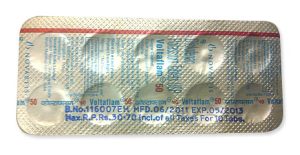
- Brand Names Available In Australia: Voltaren, Voltarol, Diclac, Voveran, Solaraze
- ATC Code: M01AB05, M02AA15, S01BC03
- Forms & Dosages: Tablets 25mg, 50mg, 75mg, 100mg; gel/cream 1%, 2%, 3%; suppositories 12.5mg, 25mg, 50mg, 100mg; injection 25mg/ml and 75mg/3ml; eye drops 0.1%; spray/patch 4% and 5% where available
- Manufacturers In Australia: Novartis, Teva, Sandoz, Mylan, ratiopharm, and other generics
- Registration Status In Australia: OTC for topical forms such as gel, patch, and spray; prescription for oral, injectable, higher strength topical, and eye drop forms
- OTC / Rx Classification: Topical forms are generally over the counter; oral, injectable, higher strength topical, and eye drops are prescription medicines
Diclofenac is one of those medicines Australians often recognise by brand before they know the generic name.
At the pharmacy counter, the first question is usually simple: “Is this the gel, the tablets, or the one my doctor prescribed?”
That matters because diclofenac comes in several forms, different strengths, and different access pathways across Australian pharmacies and online stores.
Some shoppers are mainly comparing prices, while others want a trusted brand like Voltaren or Voltarol, and many just want quick pharmacist advice on what is safe to use for back pain, sore joints, or a sprained wrist.
In Australia, topical diclofenac products are commonly available without a prescription, while oral and higher-risk forms are prescription-only, so the buying journey can look quite different in store and online.
Common Buying Realities: Brand Trust, Price Sensitivity, And Pharmacist Advice First
Most customers want the quickest, safest option that fits the budget.
Brand recognition is strong, especially for Voltaren gel and Voltaren tablets, but price often decides the final purchase, particularly for repeat use.
- A customer walks in asking for diclofenac gel for a sore knee after gardening.
- Another wants diclofenac tablets after a GP visit and is checking whether the pack is prescription-only.
- A regular buyer compares a branded product with a generic like Diclac or diclofenac sodium on the shelf tag.
- Someone in a hurry asks the pharmacist which form is better for muscle pain versus joint swelling.
What Australian Customers Tend To Ask For: Diclofenac Gel, Tablets, Or A Specific Brand
Searches and requests usually centre on the form first, then the brand.
That is why pharmacy staff often hear “diclofenac gel”, “Voltaren tablets”, or simply “the anti-inflammatory for my knee”.
Online shoppers often search by the active ingredient, then narrow it down by strength, pack size, or whether the medicine is suitable for short-term use only.
In-store versus online: in store, people tend to ask the pharmacist what suits the symptom and whether the pack is OTC or Rx; online, shoppers usually compare the product image, pack size, and delivery timeframe before checking if a script is needed.
Product Overview: Diclofenac Names, Forms, And Pack Sizes Most Relevant To Australian Buyers
Diclofenac Sodium Versus Diclofenac Potassium
Diclofenac sodium and diclofenac potassium are both diclofenac, but the salt form can affect how a product is presented and how quickly it is used for certain indications.
That is why e-shops and pack labels may include both terms, especially when customers search for diclofenac sodium, diclofenac potassium, or diclofenac 50 mg tablets.
Brand Examples And Packaging Cues On Packs And E-Shops
- Voltaren
- Commonly recognised for tablets, gel tubes, and some topical products.
- Voltarol
- Often used on UK-style packaging and seen in searches for tablets, suppositories, gel tubes, and injection forms.
- Diclac
- Frequently seen on generics and international packs, usually with blisters or gel tubes.
- Voveran
- A familiar brand in some overseas markets, often associated with tablets, gel, and injection forms.
- Solaraze
- Known as a topical brand, commonly associated with skin use rather than everyday joint pain shopping.
| Form | Common Strengths | Route |
|---|---|---|
| Tablets | 25mg, 50mg, 75mg, 100mg | Oral |
| Gel/Cream | 1%, 2%, 3% | Topical |
| Suppositories | 12.5mg, 25mg, 50mg, 100mg | Rectal |
| Injection | 25mg/ml, 75mg/3ml | Intramuscular or slow IV infusion |
| Eye Drops | 0.1% | Ophthalmic |
| Spray/Patch | 4%, 5% where available | Topical |
What Diclofenac Is Used For In Everyday Purchasing And Pharmacy Consultations
Common Pain And Inflammation Use Cases Customers Recognise
Most people come in for everyday pain that has become hard to ignore.
Diclofenac is used for pain and inflammation, especially where swelling, stiffness, or joint discomfort is part of the picture.
- Morning stiffness in osteoarthritis.
- A sore knee after sport or a weekend of heavy lifting.
- Back pain that keeps flaring up after work.
- Localised tendon or muscle pain where a gel feels more practical than tablets.
- Short-term relief for acute pain after a strain or flare-up.
Where It Fits In Australian Self-Care Vs Prescribed Treatment
Topical diclofenac suits many self-care conversations because it is used directly on the painful area and is commonly available OTC in Australia.
Oral and injectable forms sit in a higher-risk category and are generally prescribed, especially when a deeper systemic effect is needed.
| Form | Typical Use | Access |
|---|---|---|
| Gel | Local muscle or joint pain | OTC |
| Tablets | Rheumatic pain or more general inflammatory pain | Rx |
| Injection | Acute pain in clinical settings | Rx |
| Eye drops | Ophthalmic inflammation-related use | Rx |
How Diclofenac Works: Plain-English Explanation Before The Clinical Detail
Why It Helps With Swelling, Stiffness, And Pain
When a joint is inflamed, it often feels swollen, hot, stiff, and painful.
Diclofenac helps by easing the inflammation signal that keeps those symptoms switched on.
That is why people notice less stiffness and easier movement when the medicine is working well.
The COX-Inhibition Mechanism In Brief
Diclofenac belongs to the NSAID family and works by inhibiting COX enzymes involved in prostaglandin production.
Simple pathway: inflammation triggers COX activity, COX helps produce prostaglandins, prostaglandins drive pain and swelling, and diclofenac reduces that chain.
Its ATC codes reflect the form being used: M01AB05 for musculo-skeletal use, M02AA15 for topical anti-inflammatory use, and S01BC03 for ophthalmic use.
Australian Product Range: Tablets, Gel, Suppositories, Injections, Eye Drops, And Patches
Oral Forms And Modified-Release Options
Tablets are the form many customers think of first, especially when they have used Voltaren tablets before.
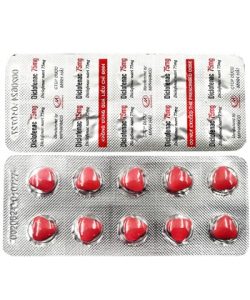
Common oral strengths include 25 mg, 50 mg, 75 mg, and 100 mg, with film-coated, gastro-resistant, and extended-release products appearing on pharmacy shelves and e-shops.
Topical Products For Joint And Muscle Pain
Gels and creams are often the first choice for localised pain, particularly when a customer wants to avoid taking tablets.
Australian buyers often ask for diclofenac gel or Voltaren gel for knees, ankles, shoulders, and lower back areas where the pain is near the surface.
Less Common Forms: Rectal, Injection, Ophthalmic
Suppositories, injections, and eye drops are much less common in everyday browsing, but they remain part of the full product range.
Rectal forms may suit selected patients, injection forms are generally used in clinical care, and 0.1% eye drops are an ophthalmic option with a specific prescribing role.
| Form | Strengths | Package Cues |
|---|---|---|
| Tablets | 25mg, 50mg, 75mg, 100mg | Blisters or cartons |
| Gel/Cream | 1%, 2%, 3% | Tubes, often 10g to 100g |
| Suppositories | 12.5mg, 25mg, 50mg, 100mg | Cartons with unit packaging |
| Injection | 25mg/ml, 75mg/3ml | Ampoules or vials |
| Eye Drops | 0.1% | Dropper bottle |
- Gel tubes are often the most visible pack on Australian pharmacy shelves.
- Injection packs are normally kept behind the counter or in clinical supply areas.
- Eye drops and suppositories are usually asked for with pharmacist or prescriber guidance.
How To Choose The Right Diclofenac Product In An Australian Pharmacy
When A Topical Gel May Suit Better Than Tablets
A topical gel may be the better pick when the pain is localised and a customer wants a lower-burden option.
That is often the case for a sore knee, tennis elbow, or a patch of muscular pain that does not need a whole-body medicine.
When The Pharmacist Will Suggest A GP Or Telehealth Review
Oral diclofenac, higher-strength products, and persistent symptoms often warrant a proper review.
In Australia, telehealth-linked e-prescriptions have made it easier for patients to access a script when a GP thinks the medicine is appropriate.
Decision path: local pain with no red flags may suit topical OTC treatment; deeper or ongoing pain, repeated use, or risk factors should prompt a GP or pharmacist review before oral treatment.
| Question | Better Fit |
|---|---|
| Is the pain in one small area? | Topical gel |
| Is a stronger systemic effect needed? | Tablet or prescribed form |
| Is there a history of ulcers, kidney issues, or heart disease? | Medical review first |
Dosage And Administration: Adult Regimens, Timing, And Practical Use Tips
Standard Adult Dosing By Indication
| Form | Typical Adult Dose | Notes |
|---|---|---|
| Oral tablets | 50mg to 100mg, up to 2 to 3 times daily | Max 150mg/day for osteoarthritis or rheumatic pain |
| Acute oral dose | 50mg to 75mg once, repeat if needed | Used for acute pain |
| Topical gel | 2g to 4g, 3 to 4 times daily | Apply to the affected area |
| Eye drops | 1 drop, 4 to 5 times daily | Dose varies by indication |
How To Take, Apply, Or Use Each Dosage Form Correctly
- Tablets
- Swallow as directed, usually with attention to timing and the lowest effective dose.
- Gel
- Apply the measured amount to the painful area and rub in gently.
- Suppositories
- Use rectally only when prescribed or advised by a pharmacist or doctor.
- Eye Drops
- Use exactly as directed by the prescriber for the specific eye condition.
Missed Dose And Overdose Actions
If a dose is missed, take it when remembered unless it is almost time for the next dose.
Do not double the dose.
If too much is taken, seek immediate medical help, especially if there is stomach upset, central nervous system effects, or signs of kidney trouble.
Dose Adjustments For Children, Older Adults, And People With Health Conditions
Weight-Based Paediatric Dosing And Age Limits
Children may use oral or rectal forms, but dosing is weight-based and needs care.
| Patient Group | Guidance |
|---|---|
| Children | 1 to 3 mg/kg/day in 2 to 3 divided doses |
| Older adults | Use the lowest effective dose |
| Kidney or liver impairment | Use caution; reduce dose or avoid in severe impairment |
Elderly, Kidney, Liver, And Cardiovascular Risk Considerations
Older adults and people with kidney, liver, or cardiovascular problems need closer monitoring because diclofenac can add stress to those systems.
High-risk users: if there is a history of GI disease, renal disease, heart failure, or hypertension, pharmacist and prescriber advice is essential before starting or continuing treatment.
Side Effects Customers Notice First, And The Red Flags They Should Not Ignore
Common Mild And Moderate Side Effects
| Mild | Serious |
|---|---|
| Nausea | Fluid retention |
| Headache | Hypertension |
| Dizziness | Elevated liver enzymes |
| Indigestion | Severe allergic-type reaction |
| Abdominal pain | Significant kidney concerns |
| Rash with topical use | Injection-site pain may need review if persistent |
Serious Adverse Effects That Need Urgent Medical Advice
- Black stools or vomiting blood.
- Shortness of breath, swelling, or sudden fluid retention.
- A widespread rash, wheeze, or swelling after taking the medicine.
- Severe dizziness, confusion, or worsening kidney symptoms.
Who Should Avoid Diclofenac Or Use It Only With Medical Advice
Absolute Contraindications
- Hypersensitivity
- Do not use if there is allergy to diclofenac or other NSAIDs.
- Active Ulcer Or GI Bleeding
- Use is contraindicated with active gastric or duodenal ulcer, bleeding, or perforation.
- Severe Organ Dysfunction
- Avoid in severe heart failure, liver dysfunction, or kidney dysfunction.
- Third Trimester Of Pregnancy
- Diclofenac should not be used in the third trimester.
Relative Contraindications And Higher-Risk Groups
People with controlled hypertension, diabetes, inflammatory bowel disease, anticoagulation therapy, or mild to moderate kidney or liver impairment may still need medicine advice before use.
Lactation is case by case, and older adults need careful monitoring because the benefit-risk balance can change quickly.
Pregnancy and allergy warning: if there has ever been asthma, urticaria, or an allergic-type reaction after an NSAID, diclofenac needs medical caution or should be avoided.
Diclofenac Versus Common Alternatives Sold In Australia
Ibuprofen, Naproxen, Ketoprofen, Piroxicam, Celecoxib, Etodolac
Diclofenac sits in a crowded market of anti-inflammatory medicines, and shoppers often compare it with other NSAIDs before buying.
Ibuprofen is familiar and often budget-friendly, naproxen is another well-known option, and celecoxib is the COX-2 selective alternative many people have heard of through prescriptions.
Ketoprofen, piroxicam, and etodolac may come up in prescription discussions, especially when a patient has already tried simpler options.
Which Product Types Suit Different Use Cases And Budgets
| Medicine | Typical Use | Access | Trade-Off |
|---|---|---|---|
| Diclofenac | Inflammatory pain and joint pain | OTC topical, Rx oral | Strong anti-inflammatory effect, but higher-risk users need caution |
| Ibuprofen | General pain and fever | OTC and Rx | Often cheaper and familiar, but not always the best fit for inflammation-heavy pain |
| Naproxen | Longer-acting NSAID use | OTC and Rx | Useful for some patients, but still carries NSAID risks |
| Celecoxib | Prescribed anti-inflammatory treatment | Rx | Different safety profile, but needs prescribing |
Availability, PBS, And Buying Channels Across Australia
Chemist Warehouse, Priceline, TerryWhite Chemmart, And Local Independents
Australian shoppers will see diclofenac across the big chains and local pharmacies, with brand availability varying by store and suburb.
Chemist Warehouse, Priceline, TerryWhite Chemmart, and independents often stock topical options, while prescription forms may need ordering or pharmacist processing first.
PBS Subsidy Versus Private Price And Rural Access Realities
Some buyers shop by subsidy, others by private price, and many compare both before deciding.
PBS status depends on the product and indication, so the pack someone sees online may not match the exact cost at checkout.
Rural and regional customers often rely more heavily on delivery or local stock availability than city shoppers do.
Online Pharmacy, E-Script, And Delivery Considerations
Online ordering suits patients who already know what they need, especially when an e-script is available for a prescribed product.
In our online pharmacy, diclofenac is available without a prescription, with discreet delivery to Australia in 9 to 21 days.
Buying pathway: check the form, confirm whether the product is OTC or Rx, compare the pack size and price, then choose in-store pickup or home delivery depending on urgency.
| Channel | Best For | Notes |
|---|---|---|
| Major chain pharmacy | Quick local access | Good for common OTC topical products |
| Independent pharmacy | Personal advice | Helpful for tailored product selection |
| Online pharmacy | Convenience and delivery | Useful when comparing pack sizes and prices |
Delivery Across Australia
| City | Region | Delivery Time |
|---|---|---|
| Sydney | New South Wales | 9 to 14 days |
| Melbourne | Victoria | 9 to 14 days |
| Brisbane | Queensland | 9 to 14 days |
| Perth | Western Australia | 9 to 14 days |
| Adelaide | South Australia | 9 to 14 days |
| Canberra | Australian Capital Territory | 9 to 14 days |
| Hobart | Tasmania | 9 to 14 days |
| Darwin | Northern Territory | 9 to 14 days |
| Gold Coast | Queensland | 9 to 14 days |
| Newcastle | New South Wales | 9 to 14 days |
| Wollongong | New South Wales | 14 to 21 days |
| Geelong | Victoria | 14 to 21 days |
| Townsville | Queensland | 14 to 21 days |
| Toowoomba | Queensland | 14 to 21 days |
| Bendigo | Victoria | 14 to 21 days |
Storage, Transport, And Product Handling In Australian Conditions
Heat, Humidity, And Bathroom Storage Mistakes To Avoid
Australian homes can get hot quickly, so storage matters more than many people realise.
- Store diclofenac at 15 to 30°C.
- Keep it away from moisture, heat, and light.
- Do not refrigerate topical forms unless the pack says so.
- Do not leave tubes or packs in a car on a hot day.
Keeping Packs, Tubes, Ampoules, And Drops In Original Packaging
Original packaging protects the medicine and keeps the directions, batch details, and expiry information intact.
Ampoules and vials should stay in their original packaging until needed, and eye drops should always be handled according to their label directions.
Patient FAQs And Pharmacist Guidance For Safe, Effective Use
How Long Should Diclofenac Be Used?
Use the shortest possible duration at the lowest effective dose.
For many acute problems, that means only a few days to two weeks, while longer use should be medically supervised.
Can It Be Combined With Other Pain Relief?
That depends on the other medicine and the person’s health history.
Combination use should be checked by a pharmacist or GP, especially if there is already an NSAID on board or if the patient has stomach, kidney, liver, or heart risk factors.
When Should You Seek Pharmacist Or GP Advice In Australia?
Ask for help if pain keeps returning, if the product is not working, if there is a history of ulcers or allergy, or if treatment is needed for more than a short period.
Pharmacist advice is also important when a person is pregnant, breastfeeding, elderly, or taking anticoagulants.
Frequently Asked Questions
Is diclofenac better as a gel or tablet? It depends on whether the pain is localised or more general, and on the person’s medical history.
Can it be bought online in Australia? Yes, topical forms are commonly bought online, and prescription forms require the right script or e-script.
What if side effects start? Stop the medicine and seek advice if symptoms are worrying or persistent.
Stop use and get medical help quickly if you develop chest symptoms, major swelling, black stools, vomiting blood, wheeze, or a severe rash.