Nupentin
In brief
- In many online and some local pharmacies in Australia nupentin can be purchased without a prescription, often with discreet delivery; note that gabapentin is prescription-only in most official guidelines, so availability may vary by supplier and location.
- Nupentin (gabapentin) is used for partial seizures, neuropathic pain (postherpetic neuralgia, diabetic neuropathy) and, in certain formulations, restless legs syndrome; it works by binding to the alpha-2-delta subunit of voltage-gated calcium channels to reduce abnormal neuronal excitability and neurotransmitter release.
- Usual adult doses vary by indication: epilepsy typically starts at 300 mg on day 1 then titrated to 900–1,800 mg/day in three divided doses (some patients up to 3,600 mg/day for neuropathic pain under supervision); extended‑release formulations for RLS are commonly 600 mg once daily; paediatric dosing for epilepsy starts at ~10–15 mg/kg/day (up to ~40 mg/kg/day maintenance); renal impairment requires dose reduction.
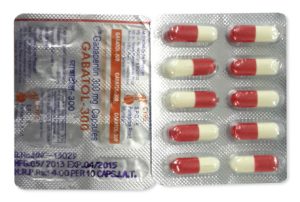
- Administered orally as capsules or tablets (100 mg, 300 mg, 400 mg, 600 mg, 800 mg), oral solution (e.g. 250 mg/5 mL) or extended‑release tablets depending on the product.
- Onset of effect is usually within 1–3 hours after an oral dose, with peak blood levels around 2–3 hours for immediate‑release forms.
- Duration of action for immediate‑release nupentin is roughly 6–8 hours (hence three times daily dosing); extended‑release formulations provide a longer, once‑daily effect.
- Do not drink alcohol while taking nupentin — alcohol increases drowsiness, dizziness and the risk of respiratory depression, especially if combined with opioids or other sedatives.
- The most common side effects are dizziness and drowsiness; other frequent effects include fatigue, peripheral oedema, ataxia, weight gain and gastrointestinal upset.
- Would you like to try nupentin without a prescription?
Basic Nupentin Information
- INN (International Nonproprietary Name): Gabapentin
- Brand Names Available In Australia: Neurontin (originator) and generic gabapentin products supplied by global manufacturers such as Teva, Sandoz, Mylan/Viatris and others; local brand listings vary by sponsor and pack.
- ATC Code: N03AX12
- Forms & Dosages: Oral capsules 100 mg, 300 mg, 400 mg (blister packs 30/90); oral tablets 600 mg, 800 mg; oral solution 250 mg/5 mL (bottles ~450–473 mL); extended‑release formulations exist internationally.
- Manufacturers In Australia: Not specified
- Registration Status In Australia: TGA approved for prescription use; specific product ARTG entries and sponsor details should be confirmed at dispensing.
- OTC / Rx Classification: Prescription-only (Rx)
Availability & Price Landscape (National Market Realities)
Nupentin (gabapentin) is prescription-only in Australia and stocked widely across major chains and independent chemists.
In metropolitan areas multiple pack sizes such as 30 and 90 capsules are commonly available at Chemist Warehouse, Priceline and TerryWhite Chemmart.
Rural access often relies on local independents or mail-order and may need extra planning if a pharmacy has limited stock.
Brand and generic options include originator Neurontin and many generics from global suppliers, with typical packaging in blister packs of 30 or 90 capsules or bottles of oral solution.
When a gabapentin product or its indication is listed on the PBS, the out-of-pocket cost for eligible patients is reduced; where the formulation or indication is not subsidised, shoppers compare chain discounts, loyalty pricing and online specials.
Telehealth prescriptions and online pharmacies are increasingly used for convenience.
In our online pharmacy, nupentin is available without a prescription, with discreet delivery to Australia in 9-21 days.
| Pack Size | Typical Retail Price Range (Private) | Typical PBS Cost (If Subsidised) |
|---|---|---|
| 30 Capsules (e.g. 300 mg) | $20–$45 | Concessional copayment or general PBS amount when applicable |
| 90 Capsules (e.g. 300 mg) | $45–$110 | Concessional copayment or general PBS amount when applicable |
| Oral Solution Bottle (250 mg/5 mL) | $30–$90 | Varies by formulation and PBS listing |
Common pack sizes: 30, 90 capsules; oral solution bottles for paediatric dosing; some tablets available in 600 mg and 800 mg strengths internationally.
Patient Insights & Satisfaction Levels
Forum Reviews (ProductReview, Aussie Health Forums)
Patients discussing nupentin on ProductReview and Australian health forums report mixed but often positive results for nerve pain and sleep improvement.
Many posts praise the affordability of generic gabapentin and helpful pharmacist counselling when starting therapy.
Rural posters frequently note delays when prescriptions are paper-based or when local pharmacies do not hold stock.
Reported Benefits And Issues From Australian Patients
Top reported benefits include meaningful reductions in neuropathic pain and improved sleep for some people.
Common issues reported are dizziness, drowsiness, weight gain and variable effectiveness depending on the condition.
Safety discussions often flag the need for caution when gabapentin is combined with opioids and for careful use in older adults.
- Top 5 Reported Pros: pain reduction, improved sleep, tolerability of generics, clear pharmacist advice, easier dosing with solution for children.
- Top 5 Reported Cons: dizziness/drowsiness, weight gain, inconsistent benefit for some conditions, supply delays in rural areas, interaction concerns with opioids.
Short definitions:
- PHN: Postherpetic Neuralgia — persistent nerve pain following shingles.
- Neuropathic Pain: Pain caused by damage or dysfunction of the nervous system.
Practical tip: Ask the pharmacist about dose titration and renal adjustment before starting treatment.
Product Overview & Brand Variants
INN And Brand Names In Australia
The International Nonproprietary Name is gabapentin, commonly sold as Neurontin (originator) and multiple generics supplied by companies such as Teva, Sandoz and Mylan/Viatris internationally.
Packaging is commonly blister packs of 30 or 90 capsules, and oral solution bottles for paediatric dosing are available in some presentations.
Legal Classification (TGA‑Approved)
Gabapentin is classified under ATC code N03AX12 as an anticonvulsant in the “other antiepileptics” group.
In Australia gabapentin products are regulated by the TGA as prescription medicines and must be dispensed on a valid prescription.
| Formulation | Strengths Commonly Supplied | Typical Pack Options |
|---|---|---|
| Oral Capsules | 100 mg, 300 mg, 400 mg | Blister packs 30/90 |
| Oral Tablets | 600 mg, 800 mg | Blister or bottle |
| Oral Solution | 250 mg/5 mL | Bottles ~450–473 mL |
Indications In Local Medical Practice
Approved Uses By TGA
TGA-approved roles for gabapentin include adjunctive therapy for partial seizures and treatment of neuropathic pain such as postherpetic neuralgia.
Prescribers should check the product ARTG and indication on the prescription as PBS eligibility depends on indication and formulation.
Off‑Label Patterns In Australian Clinics
Australian clinicians commonly prescribe gabapentin for diabetic neuropathy and PHN in line with evidence and guidance, and it is sometimes used off‑label for chronic neuropathic pain or fibromyalgia when other options are unsuitable.
Pharmacy practical checklist:
- Confirm whether the script lists an approved indication for PBS eligibility.
- Check if prior trials of first‑line agents (duloxetine, amitriptyline) have been considered where guideline-recommended.
- Document indication and counselling in the patient record.
How It Works In The Body
Layman’s Explanation
Nupentin calms overactive nerves that cause seizures or burning nerve pain, reducing abnormal electrical activity and excess nerve signalling.
This makes pain feel less intense and can reduce seizure frequency for people with partial epilepsy.
Clinical Detail
Gabapentin binds to the α2δ subunit of voltage‑gated calcium channels, modulating calcium influx and reducing the release of excitatory neurotransmitters.
The mechanism is distinct from classical antiepileptics and helps dampen neuronal hyperexcitability.
Pharmacokinetics: oral absorption has variable bioavailability that decreases at higher doses, there is negligible hepatic metabolism, and renal excretion is the main elimination route; therefore dose adjustment is required in renal impairment.
Onset of effect for neuropathic pain can be days to weeks depending on titration speed.
- α2δ Subunit: Target protein on calcium channels where gabapentin binds.
- Bioavailability: Fraction of oral dose that reaches systemic circulation; falls at high doses with gabapentin.
- Renal Excretion: Primary route of elimination—adjust dosing in kidney disease.
Dosage & Administration
Standard Regimens
For epilepsy adults often start with 300 mg on day one, increase to 300 mg twice or three times daily over subsequent days, and maintain commonly between 900–1800 mg/day in three divided doses.
For neuropathic pain titrate from 300 mg and increase by about 300 mg/day as tolerated until pain control is achieved; many patients show benefit in the 1800–3600 mg/day range divided into three doses.
Adjustments By Patient Type (Elderly, Renal, Children)
Children aged three years and older use weight-based dosing: an initial 10–15 mg/kg/day in three divided doses with maintenance up to approximately 40 mg/kg/day for epilepsy.
Elderly patients should start at lower doses and be monitored for sedation and fall risk, with dose adjustment guided by renal function.
Renal impairment requires dose reduction and/or extended dosing intervals because gabapentin is renally excreted and accumulates if clearance is reduced.
| Patient Group | Typical Starting Dose | Maintenance/Titration Notes |
|---|---|---|
| Adults (Epilepsy) | 300 mg day 1, then 300 mg 2–3 times daily | Maintenance 900–1800 mg/day in 3 doses |
| Adults (Neuropathic Pain) | Start 300 mg and increase by ~300 mg/day | Many respond at 1800–3600 mg/day divided |
| Children ≥3 Years | 10–15 mg/kg/day divided | Up to ~40 mg/kg/day for epilepsy |
| Renal Impairment | Individualised; reduce dose | Follow prescribing information for creatinine clearance adjustments |
Missed dose advice: take as soon as remembered unless it is near the time for the next dose and do not double doses; extended‑release products have specific instructions and narrower windows.
Contraindications & Side Effects
Common
Absolute contraindication is known hypersensitivity to gabapentin or any excipient in the product.
Very common and common side effects include dizziness, drowsiness, fatigue, peripheral oedema, ataxia, weight gain and nausea.
Rare But Serious (Australian Safety Data)
Rare but serious adverse events include severe respiratory depression, particularly when gabapentin is combined with opioids, and severe allergic reactions such as angioedema or anaphylaxis.
Other serious concerns include mood changes and suicidal ideation; patients with a history of mood disorders should be monitored closely.
| Common Effects | Rare/Serious Effects |
|---|---|
| Dizziness, drowsiness, fatigue, peripheral oedema, weight gain | Respiratory depression with CNS depressants, severe allergic reactions, suicidal thoughts |
Red flags to escalate: new or worsening breathlessness, swelling of the face or mouth, severe mood or behavioural changes, signs of severe sedation affecting breathing or consciousness.
Report serious adverse events to the TGA and document counselling in the patient record.
Comparable Medicines
Alternatives Table (PBS And Non‑PBS)
| Medicine | Typical Indication | PBS Status | Pros | Cons |
|---|---|---|---|---|
| Pregabalin (Lyrica) | Neuropathic pain, adjunctive epilepsy | Often PBS-listed depending on indication | More predictable absorption, can titrate faster | Higher cost, similar sedation and weight gain risks |
| Duloxetine | Neuropathic pain, diabetic neuropathy | PBS-listed for certain neuropathic indications | Useful when comorbid depression or anxiety present | Antidepressant side effects, interactions, not suitable for all |
| Amitriptyline | Neuropathic pain | Often PBS-listed | Low cost, effective for some patients | Anticholinergic effects, sedation, caution in elderly |
| Carbamazepine / Lamotrigine | Seizure control | PBS-listed for epilepsy indications | Effective for specific seizure types | Hepatic interactions (carbamazepine), monitoring required |
Pros And Cons List
- Gabapentin: Low hepatic interaction profile, affordable generics, renal dosing required.
- Pregabalin: Predictable absorption and faster titration, but often higher cost.
- Duloxetine / Amitriptyline: Useful alternatives for neuropathic pain with different side effect profiles and PBS considerations.
Current Research & Trends
Major Studies 2022–2025 (Australia + International)
Recent systematic reviews and RCTs between 2022 and 2025 continue to show modest benefit for gabapentin in postherpetic neuralgia and diabetic neuropathy.
Evidence for fibromyalgia and chronic low back pain remains mixed and less robust.
Regulatory and safety literature highlights concerns about misuse and interaction with opioids, prompting closer monitoring.
Clinical Practice Trends And Prescribing Shifts
Australian practice increasingly emphasises guideline-based sequencing for neuropathic pain, often considering SNRIs or TCAs before gabapentin where indicated.
There is a shift toward multidisciplinary pain management and cautious co‑prescribing with opioids due to respiratory depression risks.
Prescribers and pharmacists are watching monitoring signals and advising patients about CNS depressant interactions.
Common Patient Questions (Pharmacy FAQs)
Dosing, Driving, And Work Safety
How quickly will Nupentin work?
Expect days to weeks for neuropathic pain with titration; seizure control response varies by individual.
Can I drive while taking gabapentin?
Avoid driving or operating heavy machinery until you know how the medicine affects you, as dizziness and drowsiness are common.
Interactions, Pregnancy, And Stopping Medication
What about combining gabapentin with opioids?
There is an increased risk of respiratory depression when gabapentin is combined with opioids—coordinate with the prescriber and pharmacist for safety planning.
Is gabapentin safe in pregnancy or breastfeeding?
Use only if the prescriber deems benefits to outweigh risks and consult the relevant registries and specialists.
How should I stop gabapentin?
Do not stop abruptly, especially if used for seizure control—taper under medical supervision to avoid withdrawal or seizure recurrence.
Interactions summary: minimal hepatic interactions, but additive CNS depression and renal clearance considerations exist.
Decision flow for sedation concerns: if sedation affects daily function, contact the prescriber to consider dose reduction or alternative therapy and avoid driving until reassessed.
Regulatory Status
TGA Approval
Gabapentin is regulated by the TGA and is prescription-only in Australia.
Product ARTG entries and sponsor information vary by brand and formulation and should be verified at the point of dispensing.
PBS Subsidy Details & Implications
PBS listing depends on the exact formulation and approved indication; when a product is on the PBS for a listed indication, eligible patients pay the PBS copayment amount.
Non-PBS uses mean private scripts with full retail pricing and may attract discounts from chains or online specials.
- Pharmacy staff checklist: verify ARTG entry, check PBS schedule and required authority codes, confirm indication on the script before dispensing.
Visual Recommendations (Product Page Assets)
Infographics For PBS Pricing And Pharmacy Networks
Include a clear PBS pricing infographic that compares subsidised versus private cost across common pack sizes and strengths.
Visual Dosing Charts & Storage Icons
Supply dosing charts colour-coded by indication and renal function, a pickup/delivery flowchart showing Chemist Warehouse, Priceline and independents, and icons for “Do Not Drive”, “Avoid Alcohol” and “Consult If Pregnant”.
Ensure alt text and accessible formats for all visuals.
Buying & Storage Advice
In‑Store Vs Online Purchase Tips In Australia
Verify prescription authenticity and confirm pack size and formulation before purchase.
Compare chain discounts and loyalty prices for generics from suppliers such as Teva, Sandoz or Mylan/Viatris.
For telehealth scripts, ensure electronic transfer to your chosen pharmacy and confirm PBS eligibility if required.
Storage In Australian Household Conditions (Heat/Humidity)
Store gabapentin at 20–25°C and protect from moisture and excessive heat.
Do not leave medicines in hot cars or in direct sunlight during Australian summers, and keep blister packs sealed until use.
Check oral solution labels for any refrigeration instructions and follow the expiry guidance once opened.
| Item | Recommended Condition | Notes |
|---|---|---|
| Capsules/Tablets | 20–25°C, dry place | Keep in original packaging, avoid humidity |
| Oral Solution | Follow label (may require refrigeration) | Check bottle for storage and expiry after opening |
Guidelines For Proper Use (Pharmacist‑Led Counselling)
Pharmacist Guidance In Australia
Confirm indication and prior treatments, check renal function and patient weight for paediatric dosing, and counsel on stepwise titration and expected adverse effects.
Emphasise not to stop suddenly and the importance of regular follow-up and communication with the prescriber.
Patient Safety Recommendations
Highlight interactions, particularly with opioids, and advise on driving, machinery operation and alcohol avoidance while the patient establishes tolerance.
For elderly patients, discuss fall risk and consider lower starting doses with careful monitoring.
- Succinct counselling script: confirm indication → confirm renal function → explain starting dose and titration → discuss common side effects and driving → set a follow-up call after dose change.
Delivery Across Australia
| City | Region | Delivery Time |
|---|---|---|
| Sydney | New South Wales | 9–14 days |
| Melbourne | Victoria | 9–14 days |
| Brisbane | Queensland | 9–14 days |
| Perth | Western Australia | 9–14 days |
| Adelaide | South Australia | 9–14 days |
| Canberra | Australian Capital Territory | 9–14 days |
| Hobart | Tasmania | 9–14 days |
| Darwin | Northern Territory | 9–14 days |
| Gold Coast | Queensland | 14–21 days |
| Newcastle | New South Wales | 14–21 days |
| Wollongong | New South Wales | 14–21 days |
| Sunshine Coast | Queensland | 14–21 days |
| Geelong | Victoria | 14–21 days |
| Townsville | Queensland | 14–21 days |
| Cairns | Queensland | 14–21 days |
Final Notes
Gabapentin products such as Neurontin and generics remain useful options for partial seizures and neuropathic pain when used under prescriber guidance and pharmacist counselling.
Verify product ARTG, PBS status and dose adjustments at dispensing, and ensure patients understand titration, storage and safety precautions.
Contact the dispensing pharmacist if there is any uncertainty about interactions, driving, pregnancy or side effects.