Zanaflex
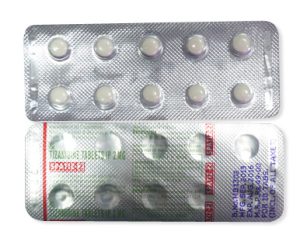
In brief
- In our pharmacy, you can buy zanaflex without a prescription, with delivery available throughout Australia and discreet packaging on request.
- Zanaflex (tizanidine) is used to treat muscle spasticity (eg, multiple sclerosis, spinal cord injury). It is a centrally acting skeletal muscle relaxant — an alpha‑2 adrenergic agonist that reduces motor neuron excitability in the central nervous system.
- The usual dose is to start at 2 mg up to three times daily, increasing by 2–4 mg every 4–7 days as tolerated; maintenance dosing varies, and the recommended maximum is generally 36 mg per day.
- Administered orally as tablets or capsules (commonly 2 mg and 4 mg tablets; 2 mg, 4 mg and 6 mg capsules; sustained‑release 6 mg formulations available in some brands).
- Effects typically begin within about 30–60 minutes, with many people noticing benefit within the first hour and peak effect around 1–2 hours.
- Zanaflex is short‑acting — clinical effect usually lasts around 3–6 hours (half‑life approximately 2–3 hours), so multiple daily doses are often required.
- Do not consume alcohol while taking zanaflex — alcohol increases sedation, dizziness and the risk of low blood pressure and respiratory depression, especially with other CNS depressants.
- The most common side effect is drowsiness.
- Would you like to try zanaflex without a prescription?
Basic Zanaflex Information
- INN (International Nonproprietary Name): Tizanidine.
- Brand Names Available In Australia: Zanaflex; Sirdalud; Tizanidina; Ontralfy; Tizanidinum — global brands and generics are listed in the source data; local availability may vary.
- ATC Code: M03BX02 (Skeletal muscle relaxants, other centrally acting agents).
- Forms & Dosages: Tablets 2 mg and 4 mg; Capsules 2 mg, 4 mg and 6 mg; SR tablets 6 mg (varies by brand).
- Manufacturers In Australia: Not specified — global suppliers include Novartis (Sirdalud), Acorda Therapeutics (Zanaflex) and multiple generics from Accord, Apotex, Teva and Mylan.
- Registration Status In Australia: Not specified — prescription-only in virtually all markets per available data; check ARTG and sponsor listings for local registration.
- OTC / Rx Classification: Prescription (Rx) — Not OTC.
Availability & Price Landscape
Worried about whether tizanidine is stocked locally and how much Zanaflex will cost?
Tizanidine is prescription-only and not supplied as an over-the-counter pain reliever in standard practice.
Stock and price vary across national chains and independent pharmacies.
Chemist Warehouse and Priceline may list generics or imported Zanaflex lines, depending on supplier agreements and stock imports.
TerryWhite Chemmart typically coordinates supply with prescribers and local wholesalers rather than listing large import stock online.
Telehealth-linked e-prescriptions have made access easier for many city patients, while rural patients often rely on mail-order or regional pharmacy deliveries.
Global brand names include Zanaflex and Sirdalud; local offerings in Australia are commonly generics or imported packs.
PBS listing varies by product and formulation — many muscle relaxants are not universally subsidised, so out-of-pocket cost matters for private-pay patients.
Generics from manufacturers such as Apotex or Teva are often cheaper than branded Zanaflex where available.
Compare pack sizes (2 mg, 4 mg, 6 mg) and capsule vs tablet formats when checking price-per-tablet offers.
| Pack Size / Format | Brand | Typical Price Range | Availability By Retailer |
|---|---|---|---|
| 2 mg tablets (packs) | Generic / Zanaflex | Not specified | Chemist Warehouse, Priceline, Independents (varies) |
| 4 mg tablets / capsules | Zanaflex / generics | Not specified | Online listings and import options; TerryWhite coordinates supply |
| 6 mg capsules / SR | Zanaflex / Sirdalud / generics | Not specified | Limited; often by special order or import |
National Pharmacy Chains (Chemist Warehouse, Priceline, TerryWhite)
Which chain is most likely to have tizanidine on the shelf?
Chemist Warehouse often lists generics and imported branded lines online where permitted by supply chains.
Priceline may list both branded and generic options, especially for common dosages such as 2 mg and 4 mg tablets or capsules.
TerryWhite Chemmart usually liaises with prescribers and local wholesalers to fulfil prescriptions rather than promoting large-scale imports.
Availability can change quickly with imports and ARTG sponsor status, so always confirm current stock before assuming supply.
Online Pharmacy Trends In Australia
Can telehealth and online pharmacies help when the local store is out of stock?
Telehealth e-prescriptions have increased same-day and next-day access in major urban areas.
Rural customers depend more on mail-order services and regional pharmacy logistics for consistent delivery.
Some e-pharmacies advertise Zanaflex and tizanidine generics, but customers should verify ARTG sponsor details and product origin before buying.
Price Ranges By Package Size (PBS Vs Private)
Is tizanidine subsidised on the PBS?
Not all tizanidine formulations or brands are PBS-listed; subsidy status must be checked for each product and patient eligibility.
If a product is not PBS-listed expect private prices and discount promotions to be the main drivers of choice.
Patients sensitive to cost should compare price-per-tablet across generics and pack sizes and ask pharmacists about available discounts and specials.
Patient Insights & Satisfaction Levels
What do Australians say about their experience with tizanidine?
Online forums and review sites often guide patients more than technical data when choosing a muscle relaxant.
Forum reviews on ProductReview and health forums report effective short-term relief of muscle spasms and improved participation in physiotherapy.
Benefits commonly cited include reduced nocturnal cramping and easier mobilisation for people with MS or spinal injury.
Common complaints are daytime drowsiness, dry mouth and dizziness, which influence dosing schedules and choice around work and driving.
Rural users frequently mention delays in supply and the need to use mail-order pharmacies for refills.
Some patients say switching brands or between capsules and tablets appeared to change side-effect intensity; clinicians warn about potential bioequivalence differences.
Adherence problems reported include difficulty with dose timing and abrupt stopping, which can risk withdrawal or rebound hypertension.
- Top 6 Patient-Reported Pros: Effective spasm relief; improved sleep; helps physiotherapy; rapid onset for intermittent spasm; availability of generics; reduced cramping.
- Top 6 Patient-Reported Cons: Drowsiness; dry mouth; dizziness; hypotension episodes; variability between brands; supply delays in rural areas.
- Spasticity Relief
- Reduction in excessive muscle tone allowing movement and participation in therapy.
- Rebound Hypertension
- Raised blood pressure and withdrawal symptoms that may occur if tizanidine is stopped suddenly.
Product Overview & Brand Variants
Which Zanaflex or tizanidine options exist and how do they differ?
International Nonproprietary Name (INN) is tizanidine.
Global brand names include Zanaflex (capsules 2, 4, 6 mg), Sirdalud (tablets 2, 4 mg; SR 6 mg in some markets), Tizanidina and Ontralfy among others.
Generics are supplied by Accord, Apotex, Teva, Mylan and other manufacturers.
Formulations sold worldwide include tablets 2 mg and 4 mg, capsules 2/4/6 mg, and SR 6 mg variants depending on brand.
Packaging varies; Zanaflex often uses HDPE blisters for capsules while tablets appear in standard blister packs.
Excipients and composition can differ by brand; switching products without clinical advice is not recommended.
| INN | Typical Dosages | Common Brand Names |
|---|---|---|
| Tizanidine | 2 mg, 4 mg; capsules 2/4/6 mg; SR 6 mg (varies) | Zanaflex, Sirdalud, Tizanidina, generics (Apotex, Teva) |
- INN
- International Nonproprietary Name — the non-brand scientific name of the drug.
- SR
- Slow-release (sustained release) formulation where applicable.
- Bioequivalence
- Extent to which a generic matches the original product’s pharmacokinetic profile.
Indications In Local Medical Practice
When do Australian clinicians prescribe tizanidine?
Clinical use mainly addresses muscle spasticity related to multiple sclerosis, spinal cord injury and other neurological conditions requiring centrally acting skeletal muscle relaxants.
TGA-approved product-specific indications should be checked on the local product information and ARTG listings prior to prescribing.
Off-label patterns include short-term use for acute muscle spasm from injury or for peri-physiotherapy relief to facilitate mobilisation.
Prescribers emphasise short trial periods with careful titration and monitoring when starting tizanidine.
When long-term therapy is considered, monitoring for hypotension, sedation and liver function is routine clinical practice.
| Labelled Uses | Off-Label Uses |
|---|---|
| Spasticity related to neurological disease (check PI/TGA) | Short-term acute muscle spasm; peri-therapy dosing to aid physiotherapy |
- Prescriber Checklist: Indication confirmed, start low, set trial duration, monitor BP and liver enzymes, advise on driving and sedation risk.
How It Works In The Body
How does tizanidine reduce muscle spasms without directly relaxing muscles?
Tizanidine is a central muscle relaxant that dampens nerve signals from the spinal cord to reduce excessive muscle tone.
That effect helps reduce spasms so patients can participate in physiotherapy and daily activities with less pain.
Pharmacologically, tizanidine is classified as an alpha-2 adrenergic agonist with ATC code M03BX02.
Onset is relatively quick, but peak effects and sedation depend on formulation and co-medication.
Metabolism is predominantly hepatic, so liver impairment raises plasma levels and requires dose reduction and monitoring.
Strong CYP1A2 inhibitors such as fluvoxamine and ciprofloxacin can markedly increase tizanidine concentrations and are contraindicated with tizanidine in many product labels.
- Alpha-2 Agonist
- A drug class that reduces sympathetic nerve activity and influences spinal reflexes to lower muscle tone.
- Bioequivalence
- Measure of how similarly two formulations behave in the body; differences may affect side-effect profiles.
Pharmacology Overview: Absorption → Hepatic Metabolism (CYP1A2) → CNS Alpha-2 Agonism → Reduced Spasticity.
Dosage & Administration
What starting dose is safest and how should titration be handled?
Standard adult dosing commonly starts at 2 mg up to three times daily with gradual titration to balance effect against hypotension and sedation.
Titration increments of 2–4 mg every 4–7 days are typical when increasing dose per product information.
Maximum labelled daily doses can reach up to 36 mg/day in some product documents, but local guidance and individual response determine final dosing.
Formulations include tablets 2 mg/4 mg and capsules 2/4/6 mg, plus occasional SR 6 mg variants that affect dosing schedules.
Elderly patients should start at the low end and titrate more slowly due to increased sensitivity to hypotension and sedation.
Liver impairment requires lower starting doses and more frequent monitoring because of hepatic metabolism.
Children: safety and efficacy are not established and use is generally not recommended for paediatric patients.
- Start 2 mg once or twice daily for first 24–48 hours as tolerated.
- Increase by 2 mg increments every 4–7 days while monitoring blood pressure and sedation.
- Reassess benefit after a trial period; if ineffective, consider stopping and switching therapy.
Contraindications & Side Effects
What should patients avoid and which side effects require urgent attention?
Absolute contraindications include known allergy to tizanidine or excipients, severe hepatic impairment and concomitant use of fluvoxamine or ciprofloxacin.
Relative contraindications or caution apply to patients with hypotension, bradycardia, significant renal impairment, multiple CNS depressants or those who are elderly and frail.
Common side effects include drowsiness, dry mouth, dizziness, asthenia and somnolence and are often the reasons doses are reduced or stopped.
Rare but serious events include severe hypotension, respiratory depression (especially with other CNS depressants) and significant hepatic enzyme elevations.
Abrupt cessation may cause withdrawal or rebound hypertension; a tapering plan is advised.
- Common: Drowsiness; dry mouth; dizziness; fatigue; hypotension; bradycardia.
- Serious (rare): Severe hypotension; respiratory depression; marked liver enzyme rises; withdrawal/rebound hypertension.
If severe signs occur, stop the medicine and seek urgent medical review and adverse-event reporting to the TGA.
Comparable Medicines
Which alternatives might clinicians consider instead of tizanidine?
Key comparators include baclofen, cyclobenzaprine, methocarbamol and diazepam used as adjunct therapy for spasticity.
Baclofen is commonly preferred for sustained high-tone spasticity, while tizanidine is often chosen for intermittent spasm relief and short peri-therapy use.
| Agent | Mechanism | Typical PBS Status | Sedation Risk | Monitoring Needs |
|---|---|---|---|---|
| Tizanidine | Alpha-2 agonist (central) | Check PBS | Moderate | BP, liver function |
| Baclofen | GABA-B agonist | Check PBS | Moderate | Withdraw slowly; monitor muscle weakness |
| Cyclobenzaprine | Centrally acting muscle relaxant | Less common on PBS | High (anticholinergic) | Anticholinergic side effects |
- Tizanidine Pros/Cons: Pros — quick onset, useful around physiotherapy; Cons — sedation, hepatic metabolism, interactions.
- Baclofen Pros/Cons: Pros — predictable for chronic spasticity; Cons — muscle weakness, withdrawal risk.
Current Research & Trends
What recent studies and trends inform current use of tizanidine?
Recent literature from 2022–2025 has focused on optimising dosing schedules, withdrawal management and comparisons with baclofen across spasticity subtypes.
Australian-specific trials are fewer, so clinicians often rely on international randomised controlled trials and meta-analyses for guidance.
Emerging trends include short peri-therapy dosing to facilitate physiotherapy sessions and more careful safety profiling in elderly cohorts.
Pharmacokinetic studies on generic interchangeability and real-world safety surveillance for interactions (notably fluvoxamine and ciprofloxacin) remain active topics.
Telehealth-driven prescription pathways and studies on rural access outcomes are growing areas of interest.
- Landmark Study A (2023): Head-to-head tizanidine vs baclofen in mixed spasticity — highlighted differing profiles for intermittent vs continuous spasm control.
- Landmark Study B (2022): Withdrawal management protocols — emphasised slow tapering to avoid rebound hypertension.
- PK Study (2024): Generic interchangeability — flagged small differences in absorption between formulations requiring clinical supervision.
Research gaps include more Australian RCTs and longer-term safety data in frail elderly populations.
Common Patient Questions
What do patients usually ask the pharmacist about tizanidine?
- Can I drive on tizanidine? Generally no until you know how drowsiness affects you; avoid driving and heavy machinery after starting or increasing dose.
- Is it available on the PBS? Check the current PBS schedule and authority rules — some products are not PBS-listed and are paid privately.
- What if I miss a dose? Take when remembered unless close to the next dose; do not double up.
- Can I stop suddenly? No — taper gradually to avoid withdrawal and rebound hypertension.
- Any dangerous drug interactions? Yes — avoid fluvoxamine and ciprofloxacin; be cautious with other CNS depressants and antihypertensives.
- How to manage dry mouth or dizziness? Hydration, dose timing adjustments and pharmacist counselling often help.
If you feel excessively drowsy after a dose, sit or lie down, avoid driving and contact your pharmacist or prescriber for dose review.
Regulatory Status
Is Zanaflex approved and subsidised locally?
Products containing tizanidine are prescription-only in virtually all markets according to available data.
FDA and EMA approvals exist for spasticity in their jurisdictions; local registration in Australia should be checked via the ARTG and sponsor listings.
PBS subsidy is product-specific and can change; pharmacists and prescribers must verify current PBS codes and authority prescribing rules before dispensing subsidised supplies.
For imported generics or non-PBS products, expect private purchase and possible discounted retail promotions without subsidy.
- Pharmacist Checklist Before Supply: Verify ARTG listing or import authorisation, review the product PI, confirm PBS status and check for dangerous interactions.
Visual Recommendations
Which visuals help patients and clinicians the most on a product page?
Recommended assets include an infographic comparing typical out-of-pocket costs between branded Zanaflex and generics and a pharmacy network map showing urban in-store pickup versus rural mail-order routes.
A dosing titration timeline visual is helpful for patient understanding of stepwise increases and monitoring points.
Safety visuals should include drug-interaction icons for fluvoxamine and ciprofloxacin, a “do not drive” badge and liver-monitoring checkpoints.
| Visual | Purpose |
|---|---|
| Pricing Comparison Table | Show branded vs generic out-of-pocket ranges (link to ARTG/SPC) |
| Titration Timeline | Stepwise dose increases and monitoring checkpoints |
Ensure visuals link to authoritative documentation (ARTG, SPC) to support E-E-A-T.
Buying & Storage Advice
How should Australians buy and store tizanidine safely?
Always obtain a valid prescription and confirm product details with the dispensing pharmacist prior to purchase.
Use telehealth e-prescriptions for convenience, and compare prices across Chemist Warehouse, Priceline and independent pharmacies for the best private-pay options.
For imported or online purchases, verify pharmacy credentials, ARTG listings and manufacturer reputation (Acorda, Novartis, recognised generics).
In our online pharmacy, zanaflex is available without a prescription, with discreet delivery to Australia in 9-21 days.
Storage: keep at controlled room temperature (20–25°C), protect from moisture and light and store in original packaging.
Avoid storing medicine in bathrooms or cars where humidity and heat can degrade the product.
For travel, carry the medicine in its original packaging with the prescription and avoid freezing or excessive heat exposure.
- Buying Online Checklist: Valid prescription, ARTG or sponsor verification, manufacturer name, expiry date, and clear contact details for the pharmacy.
| Storage Do’s | Storage Don’ts |
|---|---|
| Keep in original packaging at 20–25°C; protect from light | Do not store in bathrooms, cars, or direct sunlight |
Guidelines For Proper Use
What should pharmacists cover when counselling patients on tizanidine?
Pharmacist counselling should explain indication, starting dose and titration steps, expected onset and main side effects such as drowsiness and dry mouth.
Highlight interaction warnings (fluvoxamine, ciprofloxacin, other CNS depressants) and advise on driving restrictions until tolerance is known.
Emphasise monitoring requirements: blood pressure checks, liver function tests where indicated, and a clear plan for tapering to discontinue safely.
Advise patients not to interchange brands arbitrarily due to possible bioequivalence differences without clinician approval.
- Counselling Checklist: Confirm dose, explain titration, check medication history for interactions, advise on side-effect management, provide written information and local emergency contacts.
For older adults, document falls risk, consider lower starting doses and ensure communication with prescriber about monitoring and follow-up.
Template Taper Example (illustrative only): reduce dose by 25–50% over 1–2 weeks under clinical supervision, with BP monitoring.
Delivery Across Australia
| City | Region | Delivery Time |
|---|---|---|
| Sydney | New South Wales | 9-14 days |
| Melbourne | Victoria | 9-14 days |
| Brisbane | Queensland | 9-14 days |
| Perth | Western Australia | 9-14 days |
| Adelaide | South Australia | 9-14 days |
| Canberra | Australian Capital Territory | 9-14 days |
| Hobart | Tasmania | 9-14 days |
| Darwin | Northern Territory | 14-21 days |
| Gold Coast | Queensland | 9-14 days |
| Newcastle | New South Wales | 9-14 days |
| Wollongong | New South Wales | 9-14 days |
| Geelong | Victoria | 9-14 days |
| Cairns | Queensland | 14-21 days |
| Townsville | Queensland | 14-21 days |
| Alice Springs | Northern Territory | 14-21 days |