Gabapentin
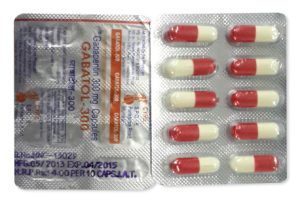
In brief
- Gabapentin is a prescription-only medicine in Australia and most countries, but availability can vary by pharmacy and region. It is used for nerve pain and epilepsy, and some online pharmacies may advertise it without a prescription.
- Gabapentin is used to treat partial seizures and neuropathic pain, including postherpetic neuralgia. It works by calming overactive nerve signals in the brain and nerves, rather than acting as a traditional painkiller.
- The usual adult dose is 300 mg once daily or 3 times daily to start, then increased gradually to 900–1800 mg per day in divided doses; the maximum dose is usually 3600 mg per day, depending on the condition and kidney function.
- It is available as capsules, tablets, extended-release tablets, and oral solution.
- Gabapentin usually starts working within a few hours, although some people may need several days of dose titration before they notice the full benefit.
- The duration of action is typically around 6–8 hours for standard immediate-release forms, while extended-release products may provide longer coverage over 24 hours.
- Alcohol should be avoided or used with extreme caution, as it can increase drowsiness, dizziness, and poor coordination.
- The most common side effects are dizziness, drowsiness, fatigue, headache, and swelling of the hands or feet.
- Would you like to try gabapentin without a prescription?
Basic Gabapentin Information
- INN (International Nonproprietary Name): Gabapentin
- Brand Names Available in Australia: Neurontin; generic gabapentin products. Gabapentin is marketed under over 300 brand names internationally.
- ATC Code: N03AX12
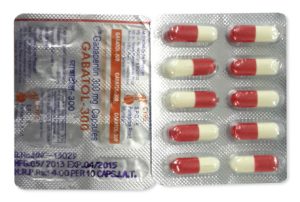
- Forms & Dosages: Capsules 100 mg, 300 mg, 400 mg; tablets 600 mg, 800 mg; extended-release tablets 300 mg, 600 mg; oral solution 250 mg/5 mL.
- Manufacturers in Australia: Viatris; Teva; Aurobindo; Sandoz; Sun Pharma; Mylan; Dr. Reddy’s; Glenmark; Hikma; Amneal; Apotex; Actavis; Mutual; Epic Pharma; Watson; Akorn; Major Pharma; Ranbaxy; Mepha; ratiopharm; Zentiva.
- Registration status in Australia: Prescription-only medication (Rx).
- OTC / Rx classification: Prescription-only medication (Rx) in nearly all markets.
Market Reality In Australia: Who Buys Gabapentin And Why It’s Sought After Now
Why are so many Australians searching for gabapentin right now, and why does the conversation often start with price, stock, and access rather than the medicine itself?
For many buyers, the first issue is simple practicality.
Gabapentin is a prescription-only medicine in Australia, so people usually come to it through a GP script, a telehealth e-prescription, or a repeat that has already been arranged.
It is commonly searched in the same breath as gabapentin prescription, gabapentin tablets, gabapentin 300 mg, and gabapentin 600 mg because people want to know what strength is available before they even speak to the pharmacist.
That is especially true when the medicine is needed for nerve pain, where time, cost, and continuity matter.
Where Australians Usually Find It
Shoppers usually compare Chemist Warehouse, Priceline, TerryWhite Chemmart, and independent pharmacies, then check whether an e-script can be filled locally or sent by post.
Telehealth has made that process easier, particularly for patients who need a repeat and do not want to wait days for an in-person appointment.
| Access Point | Typical Experience | Common Buyer Concern |
|---|---|---|
| Large pharmacy chains | Broad brand visibility and quick comparison of prices | Whether the preferred pack is in stock |
| Independent pharmacies | Personal advice and flexible ordering | Possible wait if the item is not on hand |
| Telehealth e-prescriptions | Fast script access with pharmacy fulfilment | Whether delivery or pickup suits the timeframe |
Urban Vs Rural Access
In larger cities, local stock is usually better and substitution between brands is easier if the pharmacist is comfortable with the equivalent product.
In rural and regional areas, ordering delays can be more common, particularly when a specific strength such as gabapentin 100 mg or gabapentin 400 mg is needed.
That is where the pharmacist becomes part of the solution, because they can explain whether a substitute brand is suitable and when the next shipment is due.
Price Pressure And Generic Buying Behaviour
Gabapentin is broadly available as a generic internationally, with more than 300 brand names worldwide.
Australian shoppers often look for the best value pack size, especially when treatment is ongoing and the medicine may be continued for months to years.
Some patients want PBS pricing where available, while others are comparing private purchase costs and pack size differences, which can range from 30 to 500 units depending on the product and region.
| Buying Factor | What It Means In Practice | Why It Matters |
|---|---|---|
| PBS vs private purchase | Prescription pricing may vary | Helps patients manage long-term cost |
| Pack size | 30, 60, 100, or 500 units depending on product | Impacts how often a refill is needed |
| Strength selection | 100 mg, 300 mg, 400 mg, or 600 mg commonly discussed | Matches the prescribed titration plan |
Visual guide: script in hand → compare local stock → confirm strength → ask about a generic switch → arrange pickup or delivery.
What Patients Say: Benefits, Frustrations, And Satisfaction Patterns
What do patients usually notice first when gabapentin starts working, and what are the complaints that come up again and again?
People often say it helped their pain, made sleep easier, or took the edge off night-time nerve symptoms.
That early relief is balanced by a common theme: it can also make people sleepy, especially during dose increases.
Forum-style stories are similar across many chronic pain medicines.
Someone starts low, gets a little benefit, then realises the dose needs to be adjusted more slowly than expected.
- Pain relief
- Many patients notice less burning, tingling, or shooting pain after titration.
- Sleep improvement
- Some people sleep better because night-time discomfort settles.
- Slow titration
- It is common to increase gradually rather than jump straight to a full dose.
- “It helped but made me sleepy”
- Dizziness, drowsiness, and fatigue are among the most common side effects.
- Brain fog or balance issues
- Ataxia, tremor, and double vision can be a reason for dose review.
- Brand consistency
- Some patients feel better staying on the same brand once a stable dose is reached.
Common complaints also include weight gain, ankle swelling, dry mouth, and the occasional need for dose changes if kidney function is not what it used to be.
Missed doses should not be doubled up, which is worth repeating because people often try to “catch up” after a late tablet and end up feeling worse.
Pharmacist advice, GP follow-up, and consistent supply matter because gabapentin 300 mg can feel very different to gabapentin 600 mg when the dose is being adjusted.
Product Overview: Gabapentin, Brand Variants, And Australian Naming Realities
Is this the same medicine whether the box says Neurontin, a generic name, or a different regional brand?
Yes, the active ingredient is gabapentin, which is the International Nonproprietary Name.
It sits in the antiepileptics group, with ATC code N03AX12, and the naming on the box can vary by manufacturer and market.
In Australia, the pharmacist may dispense a generic equivalent if the script allows substitution and the product is suitable.
That is normal practice and often helps with cost and availability.
| Brand Or Form | Common Strengths | Practical Note |
|---|---|---|
| Neurontin | 100 mg, 300 mg, 400 mg | Well-known international brand |
| Generic gabapentin | 100 mg, 300 mg, 400 mg, 600 mg, 800 mg | Often supplied in place of a brand name |
| Extended-release forms overseas | 300 mg, 600 mg | Relevant for informed comparison, but not always locally supplied |
| Oral solution | 250 mg/5 mL | Useful for special needs and some paediatric use |
Major global manufacturers include Viatris, Teva, Aurobindo, Sandoz, Sun Pharma, Mepha, ratiopharm, Zentiva, and others.
More than 300 brand names exist globally, so it is no surprise that Australians sometimes see different packaging when comparing online sources or overseas product information.
How Gabapentin Is Used In Australian Practice
What is gabapentin actually prescribed for when a GP writes the script?
In clinical practice, it is mainly used for epilepsy and neuropathic pain.
Common local situations include nerve pain after shingles, diabetic neuropathy, and seizure add-on therapy when the doctor wants another medicine alongside the patient’s current treatment.
It is also searched online for gabapentin epilepsy treatment and for chronic nerve pain, which tends to be a long-term issue rather than a short course.
- Approved uses: epilepsy and neuropathic pain.
- Common prescribing situations: postherpetic neuralgia, diabetic neuropathy, and adjunct therapy for partial seizures.
- Off-label patterns: anxiety, migraine prevention, and restless leg syndrome in some regions.
Chronic treatment can continue for months to years if it is helping and tolerability is acceptable.
That is one reason the medicine attracts steady attention in Australian pharmacy searches.
When supply is tight or a patient needs a repeat quickly, online pharmacy ordering can be helpful, and in our online pharmacy, gabapentin is available without a prescription, with discreet delivery to Australia in 9-21 days.
How Gabapentin Works In The Body
Why does one medicine help nerve pain and also support seizure control?
The simple answer is that gabapentin calms overactive nerve signalling.
It is classified as an antiepileptic, and in clinical terms it sits in the “other antiepileptics” subgroup.
Nerve pain signal → overactive firing → gabapentin reduces the overactivity → symptoms may ease.
The more technical point is that it does not rely on hepatic metabolism in the usual way, so liver adjustment is generally not required.
Renal handling is the important issue, which is why kidney function matters so much when doses are reviewed.
That is the practical takeaway for both gabapentin and gabapentin epilepsy use.
Dosage Forms, Strengths, And What Pharmacists Actually Dispense
Which strength should be expected, and why do some scripts land on capsules while others are written for tablets?
The answer depends on the dose needed, the country of supply, and the product available through the pharmacy wholesaler.
Capsules are common at 100 mg, 300 mg, and 400 mg, while tablets are often seen at 600 mg and 800 mg.
Extended-release products exist overseas at 300 mg and 600 mg, and oral solution at 250 mg/5 mL can be useful when swallowing tablets is difficult.
| Dosage Form | Strengths Commonly Sold | Practical Use |
|---|---|---|
| Capsules | 100 mg, 300 mg, 400 mg | Common for routine titration and flexible dosing |
| Tablets | 600 mg, 800 mg | Used when higher strengths are needed |
| Extended-release tablets | 300 mg, 600 mg | Overseas option for once-daily style regimens |
| Oral solution | 250 mg/5 mL | Special needs and paediatric use |
Pack sizes can vary from 30 to 500 units depending on region and product.
That matters when a patient is stepping up slowly and does not want to be left short between reviews.
Standard Adult Dosing And Titration In Real Life
Why do people often start on a small dose and work up slowly?
Because the medicine is usually adjusted to balance benefit against dizziness, drowsiness, and other side effects.
For partial seizures, a common starting dose is 300 mg once or three times daily, with maintenance usually 900 to 1800 mg a day in three divided doses and a maximum of 3600 mg a day.
For neuropathic pain, the pattern is similar, and postherpetic neuralgia often begins with 300 mg on day 1, then increases by 300 mg per day until the usual target is reached.
| Indication | Starting Dose | Maintenance Dose | Maximum Dose |
|---|---|---|---|
| Partial seizures (adjunct) | 300 mg once or 3 times daily | 900–1800 mg/day in 3 divided doses | 3600 mg/day |
| Neuropathic pain | 300 mg at bedtime or 3 times daily | 900–1800 mg/day in 3 divided doses | 3600 mg/day |
| Postherpetic neuralgia | 300 mg on day 1, then increase by 300 mg/day | 1800 mg/day, usually 600 mg 3 times daily | 1800 mg/day for that regimen |
Some extended-release products overseas are once-daily, with Gralise used up to 1800 mg daily.
That style of dosing can suit some patients, but the local product and prescription instructions always come first.
Dose Adjustments For Older Adults, Kidney Disease, And Special Populations
Who needs extra care before the first dose is set?
People with reduced kidney function, older adults, and anyone with a higher falls risk deserve a closer look.
- Older adults
- Doses are often adjusted more carefully because sedation and falls are more likely.
- Kidney impairment
- Significant dose reduction is required when creatinine clearance is below 60 mL/min.
- Liver impairment
- No usual adjustment is needed because gabapentin is not metabolised hepatically.
- Children
- In some countries, children aged 3 to 12 years may receive 10 to 15 mg/kg/day in three divided doses for epilepsy.
Renal dosing is the big safety issue, and it is the reason a pharmacist may ask about kidney function before discussing strengths such as gabapentin 100 mg or gabapentin 300 mg.
That is not a formality.
It changes the dose that is appropriate for the patient.
Side Effects Australians Should Expect And When To Seek Help
What side effects are common, and when is it more than just a nuisance?
Dizziness, drowsiness, fatigue, and headache are the mild effects most people hear about first.
These can be manageable, especially if the dose is increased slowly.
Moderate effects can include peripheral oedema, ataxia, tremor, double vision, weight gain, and dry mouth.
Nausea, vomiting, and constipation can also occur.
| Severity | Examples | What It May Mean |
|---|---|---|
| Mild | Dizziness, drowsiness, fatigue, headache | Often improves, but may need slower titration |
| Moderate | Peripheral oedema, ataxia, tremor, diplopia, weight gain, dry mouth | May need dose review or brand/dose adjustment |
| Gastrointestinal | Nausea, vomiting, constipation | Can affect comfort and adherence |
Serious overdose symptoms include drowsiness, ataxia, dizziness, double vision, and slurred speech.
If those appear, urgent medical help is needed because there is no specific antidote and supportive care is the mainstay.
Contraindications, Cautions, And Abuse Potential
What safety issues matter before gabapentin is supplied or swapped between brands?
Known hypersensitivity to gabapentin or excipients is the absolute contraindication.
Renal impairment, a history of substance abuse, suicidal ideation, and older age all call for extra caution.
Those factors are why pharmacists often ask a few screening questions before discussing gabapentin prescription options.
- Absolute contraindication: known hypersensitivity to gabapentin or excipients.
- Cautions: kidney impairment, substance use history, suicidal ideation, and older age.
- Withdrawal risk: abrupt stopping can cause problems, so tapering is preferred.
Caution on misuse: there are increasing reports of recreational misuse for euphoric effects, sometimes called “Gabbies”, and co-abuse with opioids or benzodiazepines.
That does not change the medicine’s legitimate role in epilepsy and pain, but it does explain why supply and counselling are taken seriously.
Comparisons With Alternatives: Pregabalin And Other Nerve-Pain Options
How does gabapentin compare with pregabalin and the other medicines people often ask about at the counter?
Pregabalin has a similar mechanism and is also widely prescribed.
Duloxetine and amitriptyline are other common nerve-pain options in clinical practice.
In real-world decision-making, gabapentin often fits well when the plan is stepwise treatment or when price pressure is important.
| Medicine | Main Use | Practical Difference |
|---|---|---|
| Gabapentin | Epilepsy, neuropathic pain | Broad generic availability and flexible titration |
| Pregabalin | Neuropathic pain, related indications | Similar mechanism, often compared for dosing convenience |
| Duloxetine | Neuropathic pain in practice | Different class, often used when an alternative is preferred |
| Amitriptyline | Neuropathic pain in practice | Older option, still used in stepwise plans |
- Best fit: price-sensitive or stepwise treatment plans.
- Main trade-off: gabapentin may need more careful titration.
- Switching issue: brand consistency can matter for some patients once stable.
Regulatory Status In Australia And Global Approval Context
Is gabapentin legally available only by prescription, and how can a buyer check that the supply is legitimate?
In Australia, it is a prescription-only medicine.
That fits the broader global picture, where it is also Rx in the EU, US, UK, India, and most parts of Asia.
The FDA has approved it for epilepsy and neuropathic pain, and the EMA has approved generics and branded forms in Europe.
In Romania, it is registered with ANMDMR, which is a useful example of how product registration can be verified on national regulator databases.
| Region | Status | What Buyers Should Check |
|---|---|---|
| Australia | Prescription-only | Script validity and product substitution rules |
| United States | FDA-approved | Approved uses and product labelling |
| European Union | EMA-approved | Local packaging and patient leaflets |
| Romania | Registered with ANMDMR | Public product registration details |
That kind of verification helps avoid grey-market supply, especially when the buyer is comparing online listings for gabapentin tablets or different strength packs.
Buying Gabapentin In Australia: In-Store, Online, And Telehealth-Linked Supply
What should a buyer look for if the medicine needs to be ordered, substituted, or delivered?
Start with the script, then confirm the exact strength, brand preference if any, and expected turnaround time.
Chain pharmacies such as Chemist Warehouse, Priceline, and TerryWhite Chemmart can be useful for local stock checks, while independents may be able to order a product in if it is not sitting on the shelf.
Online ordering is often chosen when a repeat is needed and the patient wants home delivery rather than a second trip across town.
| Buying Option | Pros | Cons |
|---|---|---|
| In-store purchase | Immediate pharmacist counselling and quick pickup | May depend on local stock |
| Online pharmacy | Convenient ordering and discreet delivery | Delivery time varies by location |
| Telehealth-linked supply | Script access and fulfilment can be fast | Brand substitution should still be checked |
- Check whether the product is a suitable generic substitute.
- Confirm the strength and pack size before paying.
- Ask about delivery times if the next dose is due soon.
- Avoid grey-market listings that do not clearly identify the manufacturer.
Storage at home should stay sensible too.
Gabapentin should be kept at 15 to 30 degrees, away from light and moisture, with tablets and capsules protected from excessive heat.
Storage, Missed Doses, Overdose Response, And Pharmacist-Led Safe Use
What happens if a dose is forgotten, or if a box is left in a hot bathroom cabinet over summer?
That is where day-to-day counselling matters as much as the prescription itself.
Storage: keep at 15–30°C, away from light and moisture.
Missed dose: take it when remembered unless it is nearly time for the next dose, and do not double up.
Overdose: drowsiness, ataxia, dizziness, double vision, and slurred speech need urgent medical help.
- Gradual titration
- Increasing and reducing the dose slowly helps reduce side effects and withdrawal.
- Renal checks
- Kidney function should be reviewed when needed because dose adjustment may be significant.
- Do not stop suddenly
- Withdrawal can occur, especially after chronic use.
- Ask about sedation
- Falls risk is especially important in older adults.
Tablets and capsules should not be left in excessive heat, and oral solution should be protected from freezing.
If an overdose is suspected, supportive care is the mainstay because there is no specific antidote.
Delivery Across Australia
| City | Region | Delivery time |
|---|---|---|
| Sydney | New South Wales | 9-14 days |
| Melbourne | Victoria | 9-14 days |
| Brisbane | Queensland | 9-14 days |
| Perth | Western Australia | 9-14 days |
| Adelaide | South Australia | 9-14 days |
| Canberra | Australian Capital Territory | 9-14 days |
| Hobart | Tasmania | 9-14 days |
| Darwin | Northern Territory | 9-14 days |
| Gold Coast | Queensland | 9-14 days |
| Newcastle | New South Wales | 9-14 days |
| Wollongong | New South Wales | 14-21 days |
| Townsville | Queensland | 14-21 days |
| Geelong | Victoria | 14-21 days |
| Ballarat | Victoria | 14-21 days |
| Albury | New South Wales | 14-21 days |