Indocid
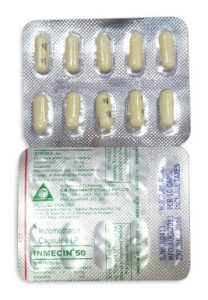
In brief
- Available from pharmacies in Australia and worldwide; indocid (indomethacin) is officially prescription‑only (Rx) in regulated markets, but some pharmacies may supply it without a prescription—check local laws and pharmacy policy.
- Indocid is used to treat inflammatory conditions such as osteoarthritis, rheumatoid arthritis, ankylosing spondylitis, acute gouty arthritis and other pain/inflammatory states. It is a non‑steroidal anti‑inflammatory drug (an acetic acid derivative) that non‑selectively inhibits cyclooxygenase (COX) enzymes, reducing prostaglandin synthesis and thereby pain, fever and inflammation.
- Usual adult doses: osteoarthritis/RA/ankylosing spondylitis 25 mg two to three times daily, may be increased in divided doses by 25–50 mg as tolerated (total up to 200 mg/day); acute gout 50 mg three times daily until relief (short‑term, up to 200 mg/day); for pain 25–50 mg two to three times daily. Start at the lower end in elderly and adjust for renal/hepatic impairment.
- Administration forms include oral capsules/tablets (25 mg, 50 mg, extended‑release 75 mg), oral suspension (25 mg/5 mL), rectal suppositories (50 mg, 100 mg) and an IV lyophilised powder for reconstitution (hospital use).
- Onset: oral effects often begin within 30–60 minutes; for acute gout pain reduction commonly noticeable within 2–4 hours; IV administration acts within minutes.
- Duration of action is generally about 4–8 hours after a single oral dose; extended‑release formulations provide longer action and may allow less frequent dosing.
- Alcohol warning: avoid alcohol while taking indocid—alcohol increases the risk of gastrointestinal bleeding and liver injury and may worsen side effects such as dizziness.
- The most common side effect is gastrointestinal upset (nausea, vomiting, indigestion, heartburn); other frequent reactions include headache, dizziness and, with higher risk or prolonged use, ulcers, GI bleeding, renal impairment, fluid retention and rash.
- Would you like to try indocid without a prescription?
Basic Indocid Information
- INN (International Nonproprietary Name): Indomethacin (also known as Indometacin in some countries).
- Brand Names Available In Australia: not specified.
- ATC Code: M01AB01 — Anti-inflammatory and antirheumatic products, non-steroids; Acetic acid derivatives and related substances.
- Forms & Dosages: Capsules/tablets 25 mg and 50 mg, sustained/extended release 75 mg; oral suspension 25 mg/5 mL (237 mL bottle); suppositories 50 mg and 100 mg; injectable (IV) 1 mg/vial lyophilised powder for reconstitution.
- Manufacturers In Australia: not specified.
- Registration Status In Australia: TGA-listed medicine (prescription only); formulations available internationally may require specific ARTG entries for local supply.
- OTC / Rx Classification: Prescription Only (Rx) in all regulated markets.
Availability & Price Landscape
National Pharmacy Chains (Chemist Warehouse, Priceline, TerryWhite)
Patients often ask where to find Indocid and how quick it will be to collect after seeing a prescriber.
Indomethacin is prescription-only under the Therapeutic Goods Administration and is most commonly sourced through major chains and independent pharmacies.
National discount chains such as Chemist Warehouse and Priceline frequently stock generics or can order branded Indocid/Indocin for customers.
TerryWhite Chemmart and local independent pharmacies are common for same‑day prescription pickup and pharmacist counselling.
Availability of specific brands or pack sizes depends on distributor supply and ARTG listings.
Online Pharmacy Trends In Australia
Telehealth e‑prescriptions and online pharmacies have increased access to prescription medicines in recent years.
Patients in regional and remote areas are increasingly comfortable using online pharmacies for delivery and pharmacist advice.
Regulatory oversight by the TGA and ARTG listings still govern what can be supplied and which brands are permitted.
In our online pharmacy, indocid is available without a prescription, with discreet delivery to Australia in 9-21 days.
Price Ranges By Package Size (PBS Vs Private)
Cost varies substantially depending on whether a formulation is PBS‑subsidised or supplied privately.
Indomethacin is not as widely listed on the PBS as diclofenac or naproxen, so private retail pricing can be common.
Smaller bottles and pack sizes (for example 30×25 mg) tend to have a higher per‑tablet price than bulk 100‑count packs.
| Form | Typical Pack Sizes | Price Range (Private, AUD) | PBS Subsidy |
|---|---|---|---|
| Tablets/Capsules | 30, 60, 100 (25 mg, 50 mg) | Not specified — varies by brand and supplier | Variable; not widely listed compared with diclofenac or naproxen |
| Oral Suspension | 237 mL bottle (25 mg/5 mL) | Not specified — private pricing | Not specified |
| Suppositories | Boxes of 30 (50 mg, 100 mg) | Not specified — specialist or hospital pricing may apply | Not specified |
| Injectable (IV) | Single use vial 1 mg | Hospital-supply pricing; private supply uncommon | Typically hospital-only; PBS listing varies by indication |
Patient Insights & Satisfaction Levels
Forum Reviews (ProductReview, Aussie Health Forums)
People often search forums for real experiences with Indocid and generic indomethacin formulations.
Australian discussion threads on ProductReview and local health forums show a mix of positive reports on rapid pain relief and concerns about side effects.
High satisfaction generally occurred where pharmacists provided counselling on dosing and gastroprotection.
Reported Benefits And Issues From Australian Patients
Patients commonly report fast relief from acute gout pain and effective control of inflammatory symptoms.
Gastrointestinal upset is the most frequent complaint and the main reason for switching therapy or adding gastroprotection.
- “Took Indocid for a gout flare and felt a big drop in pain within hours.”
- “Had heartburn the first two days until the pharmacist suggested taking with food.”
- “Pharmacy ordered the brand I wanted and the courier took three days to reach regional NSW.”
- “Suppositories were useful when oral meds caused vomiting during an acute illness.”
| Sentiment | Summary |
|---|---|
| Positive | Efficacy in acute gout and musculoskeletal pain; multiple formulations. |
| Negative | Gastrointestinal side effects and occasional availability delays, especially rurally. |
Rural patients report telehealth e‑scripts and mail‑order pharmacies help access, but they worry about delivery delays and supply-chain considerations for temperature-sensitive forms like suppositories and IV powder.
Practical tip: Pharmacist consultation often resolves timing and dosing questions and can recommend antacids or an alternative NSAID if indomethacin is not tolerated.
Product Overview & Brand Variants
INN And Brand Names In Australia
The International Nonproprietary Name is indomethacin, which may also appear as indometacin in some countries.
International brands include Indocin, Indocid and various generic indometacin/indomethacin preparations.
Australia commonly supplies generic indomethacin under TGA‑authorised listings and branded imports depend on distributor ARTG entries.
Legal Classification (TGA-Approved)
Indomethacin is prescription-only under the TGA in Australia.
Some IV formulations are hospital-only and used for specific neonatal indications such as patent ductus arteriosus in specialist protocols.
- Capsules/Tablets
- 25 mg, 50 mg; sustained/extended release 75 mg; typical bottles of 30, 60, 100.
- Oral Suspension
- 25 mg/5 mL in a 237 mL bottle (pineapple coconut mint flavour in some markets).
- Suppositories
- 50 mg and 100 mg, packaged in boxes of varying counts.
- Injectable (IV)
- 1 mg vial as lyophilised powder for reconstitution; hospital use for neonatal PDA in some countries.
Practical note for pharmacy pages: where possible, list exact pack sizes and ARTG/Mims numbers for each local supply to support E‑E‑A‑T compliance.
Indications In Local Medical Practice
Approved Uses By TGA
Indomethacin is used in inflammatory joint conditions and acute gout flares in Australia.
Standard adult regimens include 25 mg two to three times daily for chronic inflammatory conditions and 50 mg three times daily for acute gout until relief.
Hospital protocols may include IV indomethacin for patent ductus arteriosus closure in neonates under specialist care.
Off-Label Patterns In Australian Clinics
Short‑term, clinician‑directed use for tendonitis and postoperative inflammation is occasionally seen as an off‑label pattern.
Clinicians generally reserve indomethacin for short courses in acute settings due to its risk profile and multiple alternative NSAIDs available.
| Indication | Usual Adult Dose | Typical Duration |
|---|---|---|
| Osteoarthritis / Rheumatoid Arthritis / Ankylosing Spondylitis | 25 mg two to three times daily; may increase by 25–50 mg as tolerated | Chronic use assessed regularly; use lowest effective dose |
| Acute Gouty Arthritis | 50 mg three times daily until relief | Short-term until flare resolves, commonly 3–5 days |
| Pain / Inflammation | 25–50 mg two to three times daily | Duration as advised by prescriber |
Pharmacy practical advice: document the indication, review renal history, and counsel on short‑term use for gout flares.
How It Works In The Body
Layman’s Explanation
Patients usually want to know how Indocid eases pain so quickly during a gout attack.
Indomethacin is an NSAID that reduces pain, swelling and fever by blocking chemical messengers that cause inflammation.
Many people notice significant pain relief within a few hours for acute gout.
Clinical Detail
Indomethacin is an acetic acid derivative with ATC code M01AB01.
It non‑selectively inhibits cyclo‑oxygenase enzymes COX‑1 and COX‑2, reducing prostaglandin synthesis.
This COX inhibition explains both efficacy for inflammation and adverse effects such as gastrointestinal mucosal vulnerability and reduced renal prostaglandin support for kidney perfusion.
- COX‑1
- Contributes to gastric mucosal protection and platelet function; inhibition increases GI risk.
- COX‑2
- Induced in inflammation and pain; inhibition reduces inflammatory prostaglandins and pain.
Pharmacists should explain the balance between benefit and GI/renal risk in plain terms so patients can make informed decisions.
Dosage & Administration
Standard Regimens
Typical adult dosing for chronic inflammatory conditions is 25 mg two to three times daily with gradual increases as tolerated.
For acute gout, 50 mg three times daily is a standard short‑term regimen until relief, with a commonly cited maximum of up to 200 mg per day.
Oral suspension requires weight and age appropriate calculations for those prescribed that formulation.
| Indication / Formulation | Usual Adult Dose | Notes |
|---|---|---|
| Osteoarthritis / RA / AS (tablets) | 25 mg two–three times daily; titrate as tolerated | Max commonly up to 200 mg/day in divided doses |
| Acute Gout (tablets) | 50 mg three times daily until relief | Short-term use advised; reassess after flare resolves |
| Oral Suspension | Dose per prescriber; 25 mg/5 mL formulation | Measure carefully; avoid freezing |
| Suppository | 50–100 mg per advice of prescriber | Useful if oral route unsuitable |
Administration checklist:
- Take with food to reduce GI upset.
- Do not double doses if a dose is missed.
- If a dose is missed, take as soon as remembered unless the next dose is imminent.
- Follow prescriber instructions for duration and tapering where advised.
Adjustments By Patient Type (Elderly, Chronic Conditions)
Begin at the lower end of the dosing range in the elderly and monitor renal and hepatic function closely.
Dose reduction or avoidance is advised in severe hepatic or renal impairment.
Pediatric use is specialist-directed and weight-based and is not routine in general practice.
Contraindications & Side Effects
Common
Absolute contraindications include known hypersensitivity to indomethacin or other NSAIDs and active peptic ulcer or GI bleeding.
Other absolute contraindications are severe hepatic, renal or cardiac insufficiency and aspirin‑exacerbated respiratory disease.
Common side effects include gastrointestinal upset, nausea, vomiting, dizziness, headache and heartburn.
| Severity | Common Reactions |
|---|---|
| Mild | GI upset, nausea, vomiting, dizziness, headache, heartburn |
| Moderate / Serious | GI bleeding, peptic ulceration, hepatitis, renal impairment, hypertension, oedema, rash |
Red‑flag symptoms requiring immediate medical attention:
- Severe abdominal pain or vomiting blood.
- Black or tarry stools.
- Sudden breathlessness or wheeze.
- Yellowing of the skin or dark urine.
Rare But Serious (Australian Safety Data)
Serious complications such as GI bleeding, hepatitis and acute renal impairment are less common but carry significant morbidity, especially in elderly and comorbid patients.
Concurrent use with anticoagulants, SSRIs, lithium, ACE inhibitors and diuretics increases the risk of interactions and adverse effects.
Monitor renal and liver function and blood pressure during prolonged therapy and reassess the need for continued treatment regularly.
Comparable Medicines
Alternatives Table (PBS And Non-PBS)
| Medicine | Class | PBS Status | Typical Adult Dose | Main Pros / Cons |
|---|---|---|---|---|
| Diclofenac | NSAID (acetic acid derivative) | Common PBS listings for selected forms | 50 mg two–three times daily (varies by formulation) | Widely used; effective; GI and cardiovascular risks similar to NSAIDs. |
| Naproxen | NSAID (propionic acid) | PBS listings for certain formulations | 500 mg twice daily typical for some indications | Longer half‑life; may be preferred for dosing convenience. |
| Celecoxib | COX‑2 selective inhibitor | PBS-listed for specific indications | 200 mg once or divided doses | Lower GI risk but potential cardiovascular considerations. |
| Ketoprofen | NSAID (propionic acid) | Variable PBS listing | Typical dosing per product | Alternative NSAID option; GI risk present. |
Pros And Cons List
- Pros: Rapid and reliable relief for acute gout; multiple formulations including suppositories and hospital IV for specific uses.
- Cons: Higher rates of GI and CNS adverse events compared with some alternatives; renal risks and more frequent need for monitoring.
- Pharmacy Note: For PBS‑subsidised therapy check patient concession status and current PBS listings; generic diclofenac or naproxen may be more affordable for long‑term use.
Current Research & Trends
Major Studies 2022–2025 (Australia + International)
Recent literature has emphasised NSAID cardiovascular and renal risk assessments and comparative effectiveness in gout management.
Indomethacin maintains a role for rapid gout relief but is used with caution in patients with comorbid cardiovascular or renal disease.
Australian audits show growth in telehealth prescribing and pharmacist triage to enhance NSAID safety in rural settings.
- Systematic reviews continue to compare NSAID safety profiles, reinforcing individualised risk assessment.
- Trials focused on gout management reaffirm rapid symptomatic improvement within hours for indomethacin in many patients.
- Pharmacy practice research highlights telepharmacy distribution and pharmacist counselling as key to safer NSAID use in regional Australia.
Pharmacist take: incorporate the latest TGA safety communications and local guideline updates when counselling patients on indomethacin.
Common Patient Questions
FAQs From Australian Pharmacy Consultations
- Can I buy Indocid over the counter? No — indomethacin is prescription-only under the TGA; pharmacists can advise on OTC alternatives.
- How fast does it work for gout? Many patients report significant pain reduction within 2–4 hours, with full improvement across 3–5 days when the flare resolves.
- Can I take it with blood thinners? There is an increased bleeding risk; consult the prescriber before combining with anticoagulants.
- What if I miss a dose? Take as soon as remembered unless the next dose is imminent; do not double up.
- Is it safe in pregnancy or breastfeeding? Indomethacin is generally avoided in pregnancy and breastfeeding without specialist advice; seek clinician guidance.
Micro‑advice on urgent care: seek immediate medical attention for severe abdominal pain, black stools, breathlessness or sudden rash.
Regulatory Status
TGA Approval
Indomethacin is a recognised NSAID on the Australian Register of Therapeutic Goods and is classified as prescription‑only.
Different formulations and imported brands require ARTG entries and distributor approvals for local supply.
PBS Subsidy Details
Indomethacin is not as commonly listed on the PBS as diclofenac or naproxen and subsidy status may vary by formulation and indication.
Pharmacists should check the current PBS schedule and ARTG numbers when dispensing or sourcing specific brands.
| Formulation | TGA/ARTG Status | PBS Listing |
|---|---|---|
| Tablets / Capsules | TGA recognised; ARTG entries required per brand | Variable; not widely listed compared to some NSAIDs |
| Oral Suspension / Suppositories | Available internationally; local supply requires ARTG | Variable; check PBS database |
| Injectable (IV) | Often hospital-only; ARTG and hospital procurement apply | Typically used in hospital settings; PBS details vary |
Visual Recommendations
Infographics: PBS Pricing, Pharmacy Networks
Recommended visuals for customer pages include a compact infographic comparing PBS vs private pricing and a flowchart for when to ask a pharmacist about indomethacin.
Provide a supply‑chain visual that illustrates telehealth e‑script, mail‑order pharmacy and rural delivery options and temperature considerations for suppositories and IV powder.
Include a product‑form matrix with icons for capsule, suspension, suppository and IV showing typical uses and strengths.
Ensure downloadable one‑page sheets for pharmacists and patients with clear fonts and alt text for accessibility.
Buying & Storage Advice
In-Store Vs Online Purchase Tips In Australia
Buy from accredited pharmacies and confirm ARTG or brand details when ordering a specific formulation.
Telehealth e‑scripts and reputable online pharmacies can be convenient for rural patients, but always check seller accreditation.
Verify the pack strength and expiry on receipt and inspect seals on delivery.
Storage In Australian Household Conditions (Heat/Humidity)
Store all indomethacin forms below 30°C.
Avoid freezing the oral suspension and avoid transient overheating of suppositories above 40°C.
Transport sensitive forms according to standard prescription guidelines and check the temperature on arrival if a product is heat‑sensitive.
| Form | Recommended Storage Temperature | Shelf Life / Notes |
|---|---|---|
| Tablets / Capsules | Below 30°C | Store in original packaging; keep out of reach of children |
| Oral Suspension | Below 30°C; do not freeze | Shake if required; check expiry after opening as per product label |
| Suppositories | Below 30°C; avoid >40°C | Avoid melting in hot cars or direct sun |
| Injectable (IV powder) | Below 30°C; avoid freezing | Store as per hospital pharmacy guidance until reconstitution |
Guidelines For Proper Use
Pharmacist Guidance In Australia
Confirm the indication, allergies and a full medication list before supplying indomethacin.
Review renal and hepatic history and ask about prior NSAID reactions.
Advise on the dose, duration and the importance of taking with food to reduce GI upset.
Patient Safety Recommendations
Use the lowest effective dose for the shortest possible time.
Consider gastroprotection for patients at increased GI risk and arrange renal and blood pressure monitoring for long‑term therapy.
Flag important medication interactions such as anticoagulants, SSRIs, lithium and ACE inhibitors.
- Pharmacist Script For A Gout Flare
- “Confirm start date of symptoms, check bleeding risk and current medicines, advise 50 mg three times daily until relief, and recommend antacid or review with prescriber if heartburn occurs.”
- Pharmacist Script For Chronic Pain
- “Confirm diagnosis, start at 25 mg twice daily, review renal function and blood pressure within weeks, and reassess long‑term need regularly.”
Delivery Across Australia
| City | Region | Delivery time |
|---|---|---|
| Sydney | New South Wales | 9-14 days |
| Melbourne | Victoria | 9-14 days |
| Brisbane | Queensland | 9-14 days |
| Perth | Western Australia | 9-14 days |
| Adelaide | South Australia | 9-14 days |
| Canberra | Australian Capital Territory | 9-14 days |
| Hobart | Tasmania | 9-14 days |
| Darwin | Northern Territory | 9-14 days |
| Gold Coast | Queensland | 9-14 days |
| Newcastle | New South Wales | 9-14 days |
| Wollongong | New South Wales | 9-14 days |
| Geelong | Victoria | 9-14 days |
| Cairns | Queensland | 14-21 days |
| Townsville | Queensland | 14-21 days |
Final Practical Notes
Indomethacin is an effective NSAID for acute gout and inflammatory conditions but requires caution due to GI, renal and hepatic risks.
Pharmacists play a key role in assessing suitability, advising on dosing and recommending gastroprotection where indicated.
Check ARTG and PBS status before sourcing specific brands and confirm storage and transport conditions for temperature-sensitive forms.
When in doubt, advise patients to speak with their prescriber about alternative NSAIDs such as diclofenac or naproxen if indomethacin is unsuitable.