Zyloprim
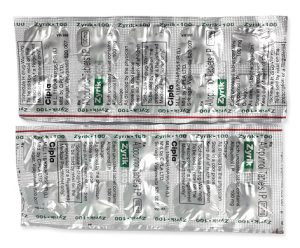
In brief
- In our pharmacy, you can buy zyloprim without a prescription, with delivery in 9–21 days throughout Australia. Discreet and anonymous packaging available.
- Zyloprim (allopurinol) is used to treat gout and hyperuricaemia, to prevent tumour‑lysis syndrome and recurrent calcium oxalate stones; it works by inhibiting xanthine oxidase to reduce production of uric acid.
- The usual dose for adults is to start at 100 mg once daily and increase by 100 mg weekly until target serum urate is reached (common maintenance 100–300 mg/day; maximum 800 mg/day, split if >300 mg); tumour‑lysis dosing may be 600–800 mg/day short term; children 10–20 mg/kg/day (max 400 mg).
- Form of administration: oral tablets (100 mg scored, 300 mg scored) are most common; a 500 mg powder for injection vial is available for IV use in some settings.
- Onset time: serum uric acid typically begins to fall within 24–48 hours, but symptomatic benefit and fewer gout flares may take weeks to months; it does not relieve acute gout pain.
- Duration of action: effect is maintained with once‑daily dosing (active metabolite oxypurinol has a long half‑life), providing roughly 24 hours of urate‑lowering activity; continuous therapy is required for long‑term control.
- Alcohol warning: avoid excessive alcohol (especially beer and spirits) as it can raise uric acid levels and trigger gout flares — limit intake, stay well hydrated and discuss alcohol use with your clinician.
- Most common side effec: mild skin rash and gastrointestinal upset (nausea, diarrhoea); rare but serious adverse reactions include severe skin reactions (SJS/TEN) and allopurinol hypersensitivity syndrome.
- Would you like to try zyloprim without a prescription?
Basic Zyloprim Information
- INN (International Nonproprietary Name): Allopurinol
- Brand Names Available In Australia: not specified
- ATC Code: M04AA01
- Forms & Dosages: Oral tablets 100 mg (scored) and 300 mg (scored); Powder for injection 500 mg vial (hospital use)
- Manufacturers In Australia: not specified
- Registration Status In Australia: not specified
- OTC / Rx Classification: Prescription (Rx-only) in global regulatory listings; not available over the counter
Availability & Price Landscape
Where can Australians buy zyloprim and how much will it cost?
Major national pharmacy chains commonly stock allopurinol in Australia, and customers will routinely find the 100 mg and 300 mg tablet strengths at community outlets.
Chemist Warehouse, Priceline and TerryWhite Chemmart are among the national chains that typically dispense allopurinol products through community pharmacy networks.
Online pharmacies and discount retailers also list generic allopurinol, though exact brand names and pack sizes can vary between suppliers.
Pack size is a major price driver for customers: 30‑tablet and 60‑tablet packs are common, and per‑tablet cost falls with larger packs.
PBS subsidy eligibility strongly affects price for patients with appropriate prescriptions and concession cards, while private-pay discounts are offered by discount chains on non‑PBS purchases.
Standard formulation options are 100 mg and 300 mg scored tablets for community dispensing.
Intravenous 500 mg vials exist but are reserved for hospital use and oncology teams managing tumour lysis syndrome.
Pack pricing varies by supplier, so customers should confirm stock and exact prices with local store stocklists before purchase.
National Pharmacy Chains (Chemist Warehouse, Priceline, TerryWhite)
Discount chains often advertise competitive private prices for generic allopurinol, especially for 100 mg packs.
Community pharmacies will dispense PBS‑subsidised products when criteria are met, and counselling by a pharmacist is included with a prescription supply.
Availability of a specific brand (for example a scored white 100 mg tablet or a peach 300 mg tablet) depends on the wholesaler and brand agreements at each chain.
Online Pharmacy Trends In Australia
Online ordering and mail delivery for repeat prescriptions are increasingly popular for chronic gout management.
Telehealth scripts and e‑prescriptions have widened access for regional patients, and mail‑order pharmacies commonly offer subscription services and delivery tracking.
Consumers should verify the pharmacy is an Australian‑registered business and that products supplied are TGA‑registered brands or authorised generics.
Price Ranges By Package Size (PBS Vs Private)
As a general market reality, PBS subsidy eligibility produces the lowest out‑of‑pocket cost for eligible patients, often significantly below private prices.
Private prices depend on strength and pack size: expect lower per‑tablet cost in 60‑tablet packs versus 30‑tablet packs, and modest premium for 300 mg over 100 mg per mg equivalence.
Checklist for shoppers: confirm strength, pack count, PBS status and brand before adding to cart or purchasing in store.
Patient Insights & Satisfaction Levels
What are Australians saying about zyloprim in online forums and reviews?
Many patients report meaningful reductions in gout flare frequency and lower serum urate over months of treatment when adherence and monitoring are followed.
Early months of therapy commonly provoke concerns because mobilisation of urate can transiently increase flares; this is frequently discussed on ProductReview and local health groups.
Affordability feedback is mixed: discount chains are praised for low private prices, while PBS recipients note accessible ongoing supply through community pharmacies.
Forum Reviews (ProductReview, Aussie Health Forums)
ProductReview threads and Facebook health groups typically highlight fast delivery, low private cost at discount retailers, and good pharmacist counselling when available.
Complaints often relate to initial side effects, stock variability between stores and occasional packaging differences between brands.
Reported Benefits And Issues From Australian Patients
Top patient‑reported benefits include fewer gout attacks, improved mobility and reduced need for acute analgesics over time.
Top concerns raised by patients include skin rashes, gastrointestinal upset, and the requirement for blood tests to monitor kidney and liver function.
Real‑world reports emphasise that clear pharmacist counselling about titration and hydration improves adherence and satisfaction.
For rural patients, telehealth and mail delivery increase access but can reduce opportunities for face‑to‑face monitoring and quick intervention if adverse effects arise.
What to report to the pharmacist or doctor immediately:
- Widespread skin rash or peeling.
- Fever, sore throat or mouth ulcers.
- Reduced urine output or signs of kidney trouble.
Product Overview & Brand Variants
What exactly is contained in a zyloprim product listing?
INN: Allopurinol, ATC code M04AA01, available as scored 100 mg and 300 mg oral tablets for community use and 500 mg powder for injection for hospital use.
INN And Brand Names In Australia
The International Nonproprietary Name is allopurinol and the drug is marketed internationally under names such as Zyloprim and Zyloric, as well as numerous generics.
Specific brand packaging in Australia varies and customers should confirm the brand and tablet appearance with the dispensing pharmacy.
Legal Classification (TGA‑Approved)
Allopurinol is a prescription‑only medicine in global regulatory listings and is supplied via prescription in clinical practice.
For product pages, the key facts to display include INN, common brand names, ATC code, dosage forms and strengths.
| Tablet Strength | Scored | Injectable Available |
|---|---|---|
| 100 mg | Yes | 500 mg vial (powder for injection, hospital use) |
| 300 mg | Yes |
Indications In Local Medical Practice
When do Australian clinicians prescribe zyloprim?
Primary approved uses are chronic gout and hyperuricaemia; oncology teams use xanthine oxidase inhibitors for tumour lysis prophylaxis while hospital teams use specific IV agents when required.
Approved Uses By TGA
TGA approvals align with international indications for lowering uric acid in chronic gout, treating hyperuricaemia, and reducing uric acid in oncology settings for tumour lysis syndrome prophylaxis.
Starting long‑term therapy during an acute gout flare is not recommended; however, patients already established on allopurinol should not stop during a flare without advice.
Off‑Label Patterns In Australian Clinics
Some clinicians use allopurinol for recurrent calcium oxalate kidney stone prevention and certain metabolic hyperuricaemias when clinically indicated.
| Indication | Typical Starting Dose | Monitoring Required |
|---|---|---|
| Chronic Gout | 100 mg daily, titrate | Serum urate, renal function, LFTs |
| Tumour Lysis Syndrome Prophylaxis | 600–800 mg daily short term | Close oncology review, urate levels, renal tests |
| Recurrent Kidney Stones | 200–300 mg daily | Urate monitoring and stone surveillance |
How It Works In The Body
How does allopurinol prevent gout flares and reduce urate over time?
Allopurinol reduces the body’s production of uric acid by inhibiting the enzyme xanthine oxidase, which decreases urate formation and prevents crystal deposition.
Layman’s Explanation
Think of uric acid as a waste product that can form painful crystals in joints.
Allopurinol lowers the production of that waste so fewer crystals form and the body can clear existing deposits over time.
Clinical Detail
Allopurinol is converted to the active metabolite oxypurinol, which has a long half‑life and is eliminated predominantly by the kidneys.
Renal excretion of oxypurinol is the reason dose adjustments are commonly required in renal impairment.
Initial urate mobilisation can provoke transient gout flares, so prophylactic colchicine or NSAIDs may be used when starting therapy.
Short definition list for pharmacists:
- Xanthine oxidase inhibitor: Blocks the enzyme that makes uric acid.
- Oxypurinol: Active metabolite with renal clearance.
- Urate mobilisation: Release of stored urate crystals that may trigger flares.
Dosage & Administration
What dose should a patient start on, and how is it adjusted?
Begin adult therapy at a low dose and titrate to a target serum urate while monitoring renal and liver function.
Standard Regimens
A common starting dose is 100 mg once daily, increasing by about 100 mg weekly until the target serum urate is achieved.
Maintenance dosing frequently falls in the 200–300 mg daily range, with some patients requiring up to 800 mg/day in divided doses for refractory hyperuricaemia.
Adjustments By Patient Type (Elderly, Chronic Conditions)
Elderly patients should start low and be titrated according to renal function and tolerance.
For patients with eGFR below 10 mL/min the dose is often limited to ≤100 mg/day or dosing intervals extended, based on clinical judgement.
Children doses are specialist‑guided and generally 10–20 mg/kg/day in divided doses with a max of 400 mg/day for rare paediatric indications.
| Indication | Starting Dose | Titration / Max |
|---|---|---|
| Chronic Gout | 100 mg daily | Increase by ~100 mg weekly; up to 800 mg/day |
| Tumour Lysis Prophylaxis | 600–800 mg daily (short term) | Specialist supervision |
Contraindications & Side Effects
What are the risks and who should not take allopurinol?
Known hypersensitivity to allopurinol or its excipients is an absolute contraindication.
Initiation is not advised during an acute gout flare, though ongoing therapy should not be stopped during a flare without clinical advice.
Common
Common side effects include gastrointestinal upset (nausea, diarrhoea), mild rash, headache and dizziness.
Mild arthralgia or mobilisation‑related symptoms may appear early in treatment.
Rare But Serious (Australian Safety Data)
Severe cutaneous adverse reactions such as Stevens–Johnson syndrome and toxic epidermal necrolysis are rare but life‑threatening and require immediate cessation and urgent care.
Allopurinol hypersensitivity syndrome (AHS/DRESS) is a severe multisystem reaction that also warrants emergency attention.
Red flags that require urgent review:
- Widespread blistering or peeling skin.
- High fever, swollen glands, sore throat or mouth ulcers.
- New jaundice, dark urine, or markedly reduced urine output.
Comparable Medicines
What alternatives exist if allopurinol is unsuitable?
Several classes provide alternative strategies for lowering uric acid, each with pros and cons.
Alternatives Table (PBS And Non‑PBS)
| Drug | Mechanism | PBS Listing | Suitability In Renal Impairment | Cost Consideration |
|---|---|---|---|---|
| Febuxostat | Xanthine oxidase inhibitor | Varies | May be used when allopurinol intolerance | Higher cost than generic allopurinol |
| Probenecid | Uricosuric (increases excretion) | Less commonly PBS | Requires adequate renal function | Moderate cost |
| Pegloticase / Rasburicase | Enzyme therapy (urate breakdown) | Specialist/hospital use | Used in refractory or acute tumour lysis | High cost |
Pros And Cons List
- Allopurinol: Low cost, first‑line, widely used; risk of hypersensitivity in some patients and renal dose adjustments required.
- Febuxostat: Useful when allopurinol intolerance; higher cost and cardiovascular safety signals to consider.
- Uricosurics: Effective when renal function permits; less useful in chronic kidney disease.
- Biologics/enzyme therapy: Rapid urate lowering for refractory disease; used in specialised settings with significant cost.
Current Research & Trends
What does recent evidence say about zyloprim and urate‑lowering therapy?
Recent comparative trials continue to support allopurinol as a cost‑effective first‑line therapy for chronic gout, with febuxostat trial data focusing on tolerance and cardiovascular outcomes.
Major Studies 2022–2025 (Australia + International)
Key trials in the 2022–2025 window reiterated the importance of treat‑to‑target urate strategies and individualised titration to reduce flares over time.
Oncology literature emphasises targeted use of rapid urate reduction agents for tumour lysis, with specialist teams choosing individual agents by clinical context.
Emerging Safety Or Prescribing Trends
Australian practice trends include telehealth‑facilitated initiation with remote blood‑monitoring workflows for regional patients.
Increased awareness of HLA‑B*5801 testing for patients of certain Asian ancestries is influencing prescribing decisions where available.
Plain‑language takeaway: continue treat‑to‑target urate approaches, ensure baseline monitoring, and consider genetic risk in relevant populations.
Common Patient Questions
What do patients ask most at the pharmacy when collecting zyloprim?
Common consultation questions focus on timing of starting, expected benefits, monitoring and what to do about side effects.
FAQs From Australian Pharmacy Consultations
Can I start allopurinol during a gout attack?
No, starting treatment during an acute flare is generally not recommended; however, continue existing therapy unless instructed otherwise.
How long until it works?
Urate levels fall over weeks to months and reduction in flare frequency may take several months of consistent dosing and titration.
Do I need blood tests?
Yes, baseline renal function, liver function and periodic monitoring are recommended while on therapy.
What should I do about a rash?
Stop the medicine and seek immediate medical review for any new rash, especially if accompanied by fever or systemic symptoms.
Pharmacy Counselling Script (Quick Templates)
- Explain starting dose and stepwise titration to reach target serum urate.
- Advise on prophylaxis for early flares (colchicine or NSAID as prescribed).
- Highlight need for baseline and follow‑up blood tests and hydration advice.
- Explain red flags: widespread rash, fever, jaundice, reduced urine output.
What to bring to the pharmacist: current medicines list, known allergies and recent blood test results if available.
Regulatory Status
How is zyloprim regulated and is it subsidised in Australia?
Allopurinol is an established prescription medicine with approvals worldwide under national regulators.
TGA Approval
TGA registration details for specific brands should be checked on the regulator’s database for the up‑to‑date status of particular formulations and sponsors.
PBS Subsidy Details
PBS listing and subsidy conditions can vary by brand and indication, and patients should check current PBS schedules and concession eligibility for exact subsidy information.
| Regulator | Status | Notes |
|---|---|---|
| FDA | Approved (Rx) | Original Zyloprim NDA listed |
| EMA / National EU | Authorised / Registered | Multiple brand and generic approvals |
| MHRA (UK) | Licensed (Rx) | National registrations |
Visual Recommendations
Which visuals help patients and buyers on a product page?
Infographics that compare PBS vs private pricing, a dosing titration chart and clear pack/strength photos are highly effective for patient understanding.
Infographics: PBS Pricing, Pharmacy Networks
A simple graphic showing typical private vs PBS cost for 30 and 60 tablet packs helps customers compare options quickly.
Pack/Strength Photos & Dosing Charts
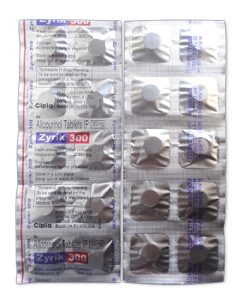
Use clear images of the 100 mg white scored tablet and the 300 mg peach scored tablet where applicable to avoid dispensing confusion.
Provide a printable one‑page handout summarising starting dose, titration steps and red‑flag symptoms for rural patients receiving mail delivery.
Buying & Storage Advice
How should Australians buy and store zyloprim safely?
Prescriptions are required for community supply, but our online pharmacy lists zyloprim available without a prescription with discreet delivery to Australia in 9–21 days for customers using our service model.
In‑Store Vs Online Purchase Tips In Australia
Use telehealth e‑prescriptions or local GP scripts for PBS access where eligible.
Check pack size and strength before purchasing and confirm PBS status if seeking subsidy.
When buying online, verify the pharmacy is Australian‑registered and that brands are TGA‑registered or authorised generics.
Storage In Australian Household Conditions (Heat/Humidity)
Store tablets at 20–25°C and protect from moisture and excessive heat.
Avoid bathroom storage where humidity and temperature swings are common during Australian summers.
Keep medicine in the original container and ensure child‑safe storage away from direct sunlight and heat sources.
Travel checklist: carry enough supply in original packaging, a copy of the prescription and refrigeration details only if the product label requires it (injectable vials are hospital stock and follow hospital guidance).
Guidelines For Proper Use
What should pharmacists do when dispensing and counselling on allopurinol?
Confirm the indication, check baseline renal and liver tests, assess concomitant medicines and provide clear written dosing and monitoring advice.
Pharmacist Guidance In Australia
Screen for interactions such as azathioprine or mercaptopurine and counsel patients about the need for dose adjustments in renal impairment.
Consider HLA‑B*5801 screening in high‑risk ethnic groups where clinically appropriate and available.
Patient Safety Recommendations
Reinforce adherence, hydration advice and the need for prophylaxis to reduce initial flare risk when starting therapy.
Provide a written safety checklist including monitoring schedule and emergency actions for red‑flag symptoms.
- Stop the medicine and seek urgent medical review for any widespread rash, fever, or systemic symptoms.
- Keep regular blood tests as advised: serum urate, renal function, liver function and full blood count.
Delivery Across Australia
| City | Region | Delivery time |
|---|---|---|
| Sydney | New South Wales | 9-14 days |
| Melbourne | Victoria | 9-14 days |
| Brisbane | Queensland | 9-14 days |
| Perth | Western Australia | 9-14 days |
| Adelaide | South Australia | 9-14 days |
| Canberra | Australian Capital Territory | 9-14 days |
| Hobart | Tasmania | 9-14 days |
| Darwin | Northern Territory | 14-21 days |
| Gold Coast | Queensland | 9-14 days |
| Newcastle | New South Wales | 14-21 days |
| Wollongong | New South Wales | 14-21 days |
| Geelong | Victoria | 14-21 days |
| Cairns | Queensland | 14-21 days |
| Townsville | Queensland | 14-21 days |
| Ballarat | Victoria | 14-21 days |