Feldene
In brief
- Feldene (piroxicam) is typically supplied in pharmacies and is prescription-only in most countries (including Australia), but in some pharmacies it can be purchased without a receipt; availability and legal requirements vary by supplier and location.
- Feldene is a non‑steroidal anti‑inflammatory drug (an oxicam derivative) used for musculoskeletal pain, osteoarthritis and rheumatoid arthritis; it works mainly by inhibiting cyclooxygenase (COX) enzymes and reducing prostaglandin synthesis to decrease inflammation and pain.
- The usual adult dose is 20 mg once daily (maximum 20 mg/day); some patients may respond to 10 mg daily or split 20 mg into 2 × 10 mg to reduce gastrointestinal side effects.
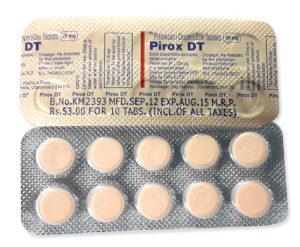
- Administered orally as capsules or tablets (10 mg, 20 mg) and as dispersible tablets; topical gel/cream formulations (0.5%–1%) are available in some markets for local application.
- Analgesic effects commonly begin within about 30–60 minutes after oral dosing, though individual response times vary.
- Duration of action is prolonged—once‑daily dosing is usual; piroxicam has a long half‑life (~50 hours), so effects can persist for 24 hours or more and accumulation may occur with chronic use.
- Avoid alcohol while taking feldene as it increases the risk of gastrointestinal bleeding and may worsen liver or kidney effects.
- The most common side effec is gastrointestinal upset (nausea, dyspepsia); other common adverse effects include headache, dizziness, rash, oedema and increased blood pressure.
- Would you like to try feldene without a prescription?
Basic Feldene Information
- INN (International Nonproprietary Name): Piroxicam
- Brand Names Available In Australia: Felden / Feldene (capsules 10 mg and 20 mg), Feldene dispersible tablets (20 mg) and generic piroxicam capsules available from various suppliers.
- ATC Code: M01AC01 — Non-Steroidal Anti-Inflammatory Drug (oxicam derivative).
Availability & Price Landscape
National Pharmacy Chains (Chemist Warehouse, Priceline, TerryWhite)
Can I get Feldene from the big chains locally?
Chemist Warehouse, Priceline and TerryWhite Chemmart commonly stock or can order piroxicam on prescription in metropolitan areas.
Rural availability often depends on local dispensing schedules and whether a telehealth e‑prescription is used.
Pharmacist counselling is typically provided at point of sale when the medicine is dispensed.
Online Pharmacy Trends In Australia
Are online sellers competitive on price and convenience?
Many patients compare private prices, delivery fees and pharmacist telephone consults before committing to an online purchase.
For some rural customers, telehealth e‑prescriptions plus home delivery are a preferred access route.
In our online pharmacy, feldene is available without a prescription, with discreet delivery to Australia in 9-21 days.
Price Ranges By Package Size (PBS Vs Private)
How much will it cost me?
PBS subsidy status can change and should be checked at dispensing; do not assume PBS coverage without confirmation.
| Product | Pack Size | Per-Unit Private Price | PBS Subsidy |
|---|---|---|---|
| Feldene / Piroxicam | 10 mg packs | not specified | check PBS |
| Feldene / Piroxicam | 20 mg packs | not specified | check PBS |
Expect high price sensitivity among shoppers and detailed product pages that emphasise prescription requirement, shipping timeframes and pharmacist counselling.
Patient Insights & Satisfaction Levels
Forum Reviews (ProductReview, Aussie Health Forums)
What are other Australians saying about Feldene?
Many forum and ProductReview comments praise the once‑daily convenience and steady pain control for osteoarthritis and chronic joint pain.
Reviewers frequently mention faster reduction in morning stiffness and longer control between doses compared with short‑acting NSAIDs.
However, posts also commonly report gastrointestinal upset and concerns about side effects lasting longer because of the long half‑life.
Reported Benefits And Issues From Australian Patients
Here are typical patient-reported positives and negatives.
- Top 5 Reported Benefits
- Once‑daily dosing that fits a morning routine.
- Sustained relief of chronic osteoarthritis or joint pain.
- Reduction in morning stiffness for many users.
- Some patients report better night‑time control compared with short‑acting NSAIDs.
- Useful where steady plasma levels are preferred by a clinician.
- Top 5 Reported Issues
- Nausea, indigestion and other gastrointestinal upset.
- Drowsiness or dizziness in some patients.
- Fluid retention or worsening blood pressure.
- Skin rash or hypersensitivity reactions.
- Longer duration of side effects due to accumulation risk.
Star Ratings
— Many chronic users rate it highly for convenience and control.
— Frequent reports of GI intolerance reduce scores for some.
Testimonial: “Once a day and it kept my morning stiffness down, but I felt queasy for a few days.”
Testimonial: “Helped my joint pain but my GP switched me after checking my BP and kidney function.”
Product pages should give a balanced summary of typical experiences and prompt patients to consult a pharmacist if interactions or side effects occur.
Product Overview & Brand Variants
INN And Brand Names In Australia
What is the medicine called and who makes it?
The International Nonproprietary Name is piroxicam.
In Australia the common retail labellings include Felden / Feldene and generic piroxicam capsules in 10 mg and 20 mg strengths.
Dispersible 20 mg tablets and topical gels are available in some markets though local availability varies.
Legal Classification (TGA‑Approved)
Is piroxicam regulated?
ATC code M01AC01 classifies piroxicam as an oxicam NSAID for musculoskeletal pain and inflammation.
Piroxicam is prescription‑only (Rx) in the regulatory jurisdictions reviewed.
| Brand | Strength | Form | Supplier / Manufacturer |
|---|---|---|---|
| Feldene / Felden | 10 mg, 20 mg | Capsules | Pfizer (and licensed generics) |
| Piroxicam (Generic) | 10 mg, 20 mg | Capsules / Tablets | Sandoz, Hexal, Teva, Mylan, local generics |
| Feldene Dispersible | 20 mg | Dispersible Tablet | Various suppliers (market dependent) |
For E‑E‑A‑T include supplier names and advise checking the TGA ARTG and local SmPC for up‑to‑date registration details.
Indications In Local Medical Practice
Approved Uses By TGA
When do Australian clinicians prescribe piroxicam?
| Indication | Typical Adult Dosage | Notes |
|---|---|---|
| Osteoarthritis | 20 mg once daily | Some patients respond to 10 mg daily. |
| Rheumatoid Arthritis | 20 mg once daily | May be split into 2 × 10 mg to reduce GI upset. |
Chronic use should be reviewed every 2–3 months and the lowest effective dose used.
Off‑Label Patterns In Australian Clinics
Do doctors ever use it for other conditions?
Clinicians sometimes use piroxicam for short courses in acute gout flares, ankylosing spondylitis or selected post‑operative pain.
These off‑label uses are always clinician‑directed and include a risk assessment for GI, renal and cardiovascular issues.
How It Works In The Body
Layman’s Explanation
What does piroxicam do to pain and inflammation?
Piroxicam is an NSAID that reduces pain, swelling and stiffness by blocking the production of prostaglandins—chemicals that cause inflammation and pain.
Its long duration means one daily dose can maintain symptoms control for many patients.
Clinical Detail
How does it work at the enzyme level?
Piroxicam is an oxicam‑class NSAID that inhibits cyclo‑oxygenase (COX) enzymes, reducing prostaglandin synthesis.
Half‑life is approximately 50 hours which supports once‑daily dosing but increases the risk of accumulation and prolonged adverse effects.
- Mechanism: COX inhibition leading to lower prostaglandin levels.
- Time To Onset: Pain relief may begin within hours, with full steady‑state effect over several days.
- Half‑Life: ~50 hours — supports once‑daily dosing but prolongs adverse‑effect duration.
- Elimination Notes: Clearance may be prolonged in renal or hepatic impairment.
Product pages should pair this with simple icons (pain relief, once‑daily, monitoring) and link to SmPC for clinicians.
Dosage & Administration
Standard Regimens
What dose will most adults take?
Typical adult dosage for osteoarthritis and rheumatoid arthritis is 20 mg once daily.
Some patients achieve symptom control on 10 mg once daily.
Clinicians may split 20 mg into 2 × 10 mg doses to reduce gastrointestinal upset.
Adjustments By Patient Type (Elderly, Chronic Conditions)
How are doses changed for older or unwell patients?
| Patient Group | Guidance |
|---|---|
| Children | Not generally recommended; safety and efficacy not established. |
| Elderly | Use the lowest effective dose and monitor for GI, renal and cardiac effects. |
| Renal / Hepatic Impairment | Avoid or use caution with regular monitoring; elimination may be prolonged. |
Pharmacy prompts: confirm prescription details, counsel to take with food to reduce GI upset and emphasise not to double doses.
Contraindications & Side Effects
Common
Who should not take piroxicam at all?
Absolute contraindications include known hypersensitivity to piroxicam or other NSAIDs, active peptic ulcer or GI bleeding, severe heart failure and severe hepatic or renal impairment.
It is contraindicated after coronary artery bypass graft (CABG) surgery and during pregnancy, especially the third trimester.
Common side effects include nausea, dyspepsia, abdominal pain, headache, dizziness, rash, fluid retention and raised blood pressure.
Rare But Serious (Australian Safety Data)
What rare but dangerous problems should patients know about?
Rare but serious events include gastrointestinal bleeding or perforation, severe hypersensitivity reactions including anaphylaxis, clinically significant renal impairment and cardiovascular events, particularly with long‑term or high‑dose use.
Product pages should feature contraindication icons and a clear red warning box advising immediate medical review for severe abdominal pain, black stools, breathlessness, swelling or severe rash.
For E‑E‑A‑T, link to TGA safety alerts and advise reporting worrying symptoms promptly.
Comparable Medicines
Alternatives Table (PBS And Non‑PBS)
| Medicine | Typical Dosing | Half‑Life | PBS Status (General) | Clinical Note |
|---|---|---|---|---|
| Ibuprofen | As directed, multiple times daily | Shorter (hours) | Often OTC for low doses | Shorter acting, available OTC at low doses. |
| Diclofenac | Typical Rx dosing | Shorter than piroxicam | Mostly Rx | Similar indications; topical forms for localised pain. |
| Meloxicam | Once daily | Intermediate | Often Rx | Once‑daily dosing, possibly lower GI risk for some patients. |
| Naproxen | Usually twice daily | Longer than ibuprofen | Mostly Rx | Longer half‑life than ibuprofen but shorter than piroxicam. |
Pros And Cons List
- Piroxicam Pros: Once‑daily control, useful for chronic arthritic pain.
- Piroxicam Cons: Long half‑life increases accumulation risk and lengthens adverse‑effect duration.
- Some alternatives are available OTC for short‑term use; oxicam agents such as piroxicam generally require prescription.
- Pharmacists should prompt a PBS check and consider gastroprotection in high‑risk patients.
Current Research & Trends
Major Studies 2022–2025 (Australia + International)
What are clinicians watching in the literature?
Recent safety reviews and meta‑analyses have emphasised cardiovascular and gastrointestinal risk differences between long‑acting and shorter‑acting NSAIDs.
Australian clinician trends show greater caution with long half‑life NSAIDs such as piroxicam for elderly and comorbid patients.
There is increased use of gastroprotection (for example proton pump inhibitors) when NSAIDs are needed in high‑risk cases.
Deprescribing strategies for chronic pain management have grown, with periodic review and use of the lowest effective dose.
Top Trend Takeaways
- Increased caution with long half‑life NSAIDs in older patients.
- More frequent co‑prescription of gastroprotective agents where risk is elevated.
- Greater emphasis on deprescribing and non‑pharmacological pain measures.
- Selective switching to alternatives with shorter half‑lives when safety dictates.
Suggested further reading links should point to national guidelines, TGA safety communications and major systematic reviews for credibility.
Common Patient Questions
FAQs From Australian Pharmacy Consultations
Q: Is Feldene available over the counter?
A: No — piroxicam is prescription‑only in the regulatory jurisdictions reviewed; always check with your prescriber or pharmacist.
Q: How quickly will it work?
A: Many patients notice some pain relief within hours but full effect depends on condition and steady state due to the long half‑life.
Q: Can I take piroxicam with blood thinners or ACE inhibitors?
A: Use caution — NSAIDs can increase bleeding risk and affect renal function; always disclose all medicines to your pharmacist and prescriber.
Q: What if I miss a dose?
A: Take as soon as you remember unless it is near the next dose — do not double up.
Q: When should I speak to the pharmacist?
A: Speak to the pharmacist before starting, if you have a history of ulcers, cardiovascular disease, kidney problems, or if you are on anticoagulants.
Product pages should include a “speak to pharmacist” call to action and encourage reporting adverse effects to the TGA.
Regulatory Status
TGA Approval
Is piroxicam registered in Australia?
Piroxicam (Feldene / Felden) is classified as prescription‑only in the jurisdictions reviewed and carries ATC code M01AC01.
Always check the TGA ARTG and the local SmPC for current registration and product‑specific wording before listing a product.
PBS Subsidy Details
Does the PBS cover piroxicam?
PBS listings and subsidy status can change over time and should be verified at the time of dispensing.
Do not claim PBS coverage on product pages without current verification.
| Regulatory Authority | Status | Notes |
|---|---|---|
| TGA (Australia) | Prescription‑only (Rx) | Check ARTG/SmPC for product registration details. |
| FDA (US) | Prescription‑only (Rx) | Original NDA 018147; continuously renewed. |
| EMA / MHRA | Approved in many EU/UK states | Local SmPC available on national sites. |
Visual Recommendations
Infographics: PBS Pricing, Pharmacy Networks
Which visuals help conversion and comprehension?
Recommended visuals for product pages include a price comparison infographic (private vs PBS check), an interactive dosage timeline showing onset, duration and the long half‑life, and a contraindication icon grid for quick safety scanning.
A pharmacy network map showing major chains and telehealth delivery options helps rural customers understand access paths.
Packaging gallery images for 10 mg and 20 mg capsules, plus dispersible tablet packaging and topical gel where available, improve trust and reduce returns.
Accessibility note: provide alt text, high‑contrast palettes and printable patient leaflets for in‑store use.
Buying & Storage Advice
In‑Store Vs Online Purchase Tips In Australia
How should I buy Feldene safely?
Purchase piroxicam only on a valid prescription unless using a service that explicitly supplies it without a prescription as stated in site terms.
Verify brand and strength (10 mg or 20 mg) on receipt and confirm expiry and batch number.
For rural customers, use telehealth e‑prescriptions and request delivery via the local pharmacy or a secure courier service.
- Checklist: verify prescription, check expiry, request pharmacist counselling, and confirm delivery timeframes.
Storage In Australian Household Conditions (Heat/Humidity)
How should Feldene be stored at home in Australia?
Store at 25°C (77°F) with permitted excursions between 15–30°C (59–86°F).
Keep in the original packaging and away from moisture and direct sunlight.
Avoid storing medicines in humid bathrooms or in direct summer heat; a cool, dry cupboard out of reach of children is best.
Do not freeze topical gels or creams and follow local pharmacy disposal programs for expired medicines.
Guidelines For Proper Use
Pharmacist Guidance In Australia
What should the pharmacist tell the patient at dispense?
Counsel on indication, dosing schedule (20 mg once daily or split dosing), expected duration and need for follow‑up every 2–3 months for chronic therapy.
Confirm allergies and prior NSAID intolerance and review concomitant medicines such as anticoagulants and ACE inhibitors.
Patient Safety Recommendations
What safety checks are essential before starting?
- Safety Checklist: confirm any allergy to NSAIDs, pregnancy status, current anticoagulant or diuretic use, history of peptic ulcer or heart failure, and baseline renal function if indicated.
Consider prescribing gastroprotection (PPI) for patients at high GI risk and monitor blood pressure and renal function during therapy.
Include a clear “when to stop and seek medical help” section for severe abdominal pain, black stools, breathlessness, swelling or an acute rash.
Advise patients to report adverse events to the TGA and provide pharmacy contact details for questions.
Delivery Across Australia
| City | Region | Delivery Time |
|---|---|---|
| Sydney | New South Wales | 9-14 days |
| Melbourne | Victoria | 9-14 days |
| Brisbane | Queensland | 9-14 days |
| Perth | Western Australia | 9-14 days |
| Adelaide | South Australia | 9-14 days |
| Hobart | Tasmania | 9-14 days |
| Canberra | Australian Capital Territory | 9-14 days |
| Gold Coast | Queensland | 9-14 days |
| Newcastle | New South Wales | 14-21 days |
| Wollongong | New South Wales | 14-21 days |
| Geelong | Victoria | 14-21 days |
| Townsville | Queensland | 14-21 days |
| Cairns | Queensland | 14-21 days |