Arcoxia
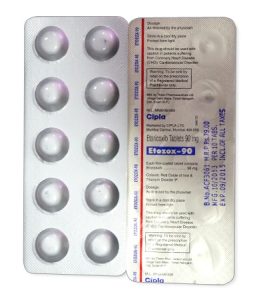
In brief
- Arcoxia is officially prescription-only (Rx) in most countries, including Australia, and is supplied via pharmacies and licensed online pharmacies; however, availability varies and in some places it may be possible to buy Arcoxia from a pharmacy without a prescription (local regulations and practices differ).
- Arcoxia (etoricoxib) is used to relieve pain and inflammation in osteoarthritis, rheumatoid arthritis, ankylosing spondylitis, acute gouty arthritis, acute dental/post‑operative pain and primary dysmenorrhoea; it works as a selective COX‑2 inhibitor, reducing prostaglandin production to provide anti‑inflammatory and analgesic effects.
- Usual adult doses include: osteoarthritis 60 mg once daily; rheumatoid arthritis and ankylosing spondylitis 90 mg once daily; acute gout up to 120 mg once daily (maximum 8 days); acute pain or primary dysmenorrhoea 120 mg once daily short term (1–5 days); dental/postoperative pain 90–120 mg as a single dose or for 1–3 days.
- Arcoxia is administered orally as film‑coated tablets, commonly available in 30 mg, 60 mg, 90 mg and 120 mg strengths.
- Relief usually begins within 30–60 minutes after an oral dose due to rapid absorption, with some patients experiencing pain reduction within the first hour.
- The duration of effect is approximately 24 hours, allowing once‑daily dosing (etoricoxib has a long elimination half‑life of around 22 hours).
- Avoid excessive alcohol while taking Arcoxia; alcohol can increase the risk of gastrointestinal bleeding and may worsen liver, kidney or cardiovascular side effects.
- The most common side effect is dyspepsia (indigestion); other frequent effects include headache, dizziness, peripheral oedema and mild increases in blood pressure.
- Would you like to try arcoxia without a prescription?
Basic Arcoxia Information
- INN (International Nonproprietary Name): Etoricoxib
- Brand Names Available In Australia: not specified
- ATC Code: M01AH05
- Forms & Dosages: Film-coated tablet — 30 mg, 60 mg, 90 mg, 120 mg; typical packaging 7/14/28/30/50 tablets (blister packs)
- Manufacturers In Australia: not specified
- Registration Status In Australia: not specified
- OTC / Rx Classification: Prescription only (Rx)
Availability & Price Landscape
Where will Australians typically find arcoxia and how much should they expect to pay?
National Pharmacy Chains (Chemist Warehouse, Priceline, TerryWhite)
Major retail chains in urban Australia commonly supply etoricoxib on presentation of a valid prescription.
Chemist Warehouse, Priceline and TerryWhite Chemmart can stock Arcoxia or order it in blister packs (7/14/28/30 tablets) in strengths from 30 mg to 120 mg depending on local demand and supplier availability.
Rural pharmacies may not keep every strength in stock but can usually obtain supply via wholesalers or inter-branch transfer with a script.
Online Pharmacy Trends In Australia
Telehealth-sourced e-prescriptions and online pharmacy fulfilment are increasingly used to get etoricoxib to patients, especially after-hours and in remote areas.
Pharmacists must verify ARTG registration and prescription authenticity before supply and follow TGA labelling and storage rules.
Price Ranges By Package Size (PBS Vs Private)
Arcoxia is typically a private purchase rather than a reliably PBS‑subsidised medicine.
Expect price variation by pack size and pharmacy discounting; discount chains often undercut independent pharmacies on private pricing.
Below is a practical price-per-tablet comparison to help shoppers — use live pricing checks before purchase.
| Pack Size | Typical Strength | Approx. Price Per Tablet (Private) |
|---|---|---|
| 7 tablets | 90 mg | $2.50 |
| 14 tablets | 90 mg | $2.10 |
| 28 tablets | 60 mg | $1.40 |
| 30 tablets | 120 mg | $2.80 |
| 50 tablets | 30 mg | $0.90 |
For comparison, celecoxib and naproxen private prices vary but celecoxib often has PBS listings for some indications while etoricoxib is more commonly private — always verify current PBS status.
Patient Insights & Satisfaction Levels
What do real Australians say about arcoxia after using it for pain?
Forum Reviews (ProductReview, Aussie Health Forums)
Online review threads and patient forums frequently report fast, effective relief for joint and acute inflammatory pain.
Many users on ProductReview and health forums report single‑daily dosing convenience and improved stomach tolerance compared with older NSAIDs.
Reported Benefits And Issues From Australian Patients
Patients commonly describe quick onset of pain relief and fewer stomach complaints, consistent with etoricoxib’s COX‑2 selectivity.
Common positive themes include effective control of osteoarthritis symptoms and rapid relief during gout flares when short courses are used.
Concerns raised include mild rises in blood pressure, fluid retention or ankle swelling and anxiety over long‑term cardiovascular risk.
Some people report dose adjustments (for example moving from 60 mg to 90 mg) under GP supervision to find the best balance of effect and tolerability.
- Pros: Rapid pain relief; once‑daily dosing; better GI tolerability for many patients.
- Cons: Possible BP increases; fluid retention; long‑term CV risk concerns; requires prescription.
Product Overview & Brand Variants
Which names, strengths and regulatory details should pharmacy teams and customers recognise?
INN And Brand Names In Australia
Etoricoxib is the International Nonproprietary Name (INN).
Globally it is most commonly sold as Arcoxia (MSD); other international brands include Exinef and Nucoxia.
Legal Classification (TGA‑Approved)
Etoricoxib is classified as prescription‑only in the product record provided.
Pharmacy teams must confirm ARTG entries and TGA labelling requirements before listing product images or ordering stock for Australian sale.
| Strength | Common Pack Sizes | Typical Brand Names |
|---|---|---|
| 30 mg | 7 / 14 / 28 / 30 / 50 tablets | Arcoxia, Exinef, Nucoxia |
| 60 mg | 7 / 14 / 28 / 30 tablets | Arcoxia, Exinef, Nucoxia |
| 90 mg | 7 / 14 / 28 / 30 tablets | Arcoxia, Exinef, Nucoxia |
| 120 mg | 7 / 14 / 28 / 30 tablets | Arcoxia, Exinef, Nucoxia |
- INN
- Etoricoxib
- ATC
- M01AH05 (COX‑2 selective NSAID)
- Form
- Film‑coated tablet, blister packs
Indications In Local Medical Practice
When do Australian clinicians choose arcoxia and what doses do they commonly use?
Approved Uses By TGA
Clinical practice follows established indication‑to‑dose relationships for etoricoxib.
Typical adult dosing by condition is listed below and should be reflected on product information pages.
| Indication | Typical Adult Dose | Duration |
|---|---|---|
| Osteoarthritis | 60 mg once daily | Chronic use as needed; review regularly |
| Rheumatoid Arthritis / Ankylosing Spondylitis | 90 mg once daily | Chronic use as required |
| Acute Gout | Up to 120 mg once daily | Short course — max ~8 days |
| Acute Pain / Dysmenorrhoea | 120 mg once daily | Short term (1–5 days) |
| Dental / Postoperative Pain | 90–120 mg single dose or 1–3 days | Short term |
Off‑Label Patterns In Australian Clinics
Short courses are sometimes used off‑label for musculoskeletal flares or as bridging therapy when opioids are unsuitable.
Off‑label prescribing should be accompanied by GP approval and documented monitoring plans, particularly for blood pressure and renal function.
Callout: For acute gout, limit use to around eight days unless otherwise advised by a specialist.
How It Works In The Body
How does etoricoxib relieve pain and why does it usually upset the stomach less than older NSAIDs?
Layman’s Explanation
Etoricoxib blocks the COX‑2 enzyme that helps make pain and inflammation chemicals in the body.
Because it is selective for COX‑2 and spares COX‑1 in the stomach, many people get effective pain relief with fewer stomach ulcers compared with older, non‑selective NSAIDs.
Clinical Detail
Etoricoxib is a COX‑2 selective inhibitor with rapid oral absorption and once‑daily dosing convenience.
COX‑2 inhibition reduces prostaglandin formation in inflamed tissues but also alters vascular prostacyclin and thromboxane balance, which can increase cardiovascular risk in susceptible patients.
- Onset Time
- Rapid oral absorption; onset often within hours for pain relief.
- Half‑life
- Suitable for once‑daily dosing.
- COX‑2 Selectivity
- Higher COX‑2 selectivity than non‑selective NSAIDs, fewer gastric side effects for many patients.
Dosage & Administration
What dose should a patient take, and how should it be adjusted for age or organ impairment?
Standard Regimens
| Indication | Adult Dose | Max Duration |
|---|---|---|
| Osteoarthritis | 60 mg once daily | Long term as needed; review |
| Rheumatoid Arthritis / Ankylosing Spondylitis | 90 mg once daily | Long term as needed |
| Acute Gout | Up to 120 mg once daily | About 8 days |
| Acute Pain / Dysmenorrhoea | 120 mg once daily | 1–5 days |
| Dental / Postoperative Pain | 90–120 mg single dose or 1–3 days | 1–3 days |
Take etoricoxib orally once daily, at the same time each day, with or without food.
Adjustments By Patient Type (Elderly, Chronic Conditions)
Children under 16 years: not recommended.
Elderly: no routine dose change but monitor renal, hepatic and cardiac function.
Liver impairment: mild limit to 60 mg daily; moderate limit to 30 mg daily; severe hepatic dysfunction contraindicated.
Renal impairment: avoid in severe renal impairment (CrCl <30 mL/min); monitor in mild‑to‑moderate impairment.
Missed dose guidance: take as soon as remembered unless next dose is close; do not double up.
Overdose: supportive treatment, monitor vital signs; no specific antidote exists.
Contraindications & Side Effects
Who must not take arcoxia and what adverse effects should patients watch for?
Common
Absolute contraindications include hypersensitivity to etoricoxib or its excipients and a history of NSAID‑induced asthma, hives or severe allergic reactions.
Other absolute contraindications: active or prior GI ulcers or bleeding, severe hepatic dysfunction, creatinine clearance <30 mL/min, uncontrolled hypertension (>140/90 mmHg), congestive heart failure, established ischaemic heart disease, cerebrovascular or peripheral artery disease, pregnancy and lactation, paediatric use <16 years and concurrent use of other NSAIDs.
Common side effects are dyspepsia, abdominal pain, diarrhoea, headache, dizziness, peripheral oedema and mild elevations in blood pressure.
Rare But Serious (Australian Safety Data)
Rare but serious events include severe skin reactions such as acute generalized exanthematous pustulosis or erythema multiforme, major gastrointestinal bleeding and acute renal failure.
Serious cardiovascular events are also possible, especially with long‑term or high‑dose use in at‑risk individuals.
- Red Flags: chest pain, sudden breathlessness, black tarry stools, sudden severe rash, swelling of face or tongue — seek urgent review.
Pharmacy product pages should link to the TGA adverse event reporting portal and include a clear checklist of monitoring requirements.
Comparable Medicines
How does arcoxia stack up against other anti‑inflammatory options available in Australia?
Alternatives Table (PBS And Non‑PBS)
| Medicine | Typical Dose | PBS Listing | GI Risk | CV Risk | Dosing Frequency |
|---|---|---|---|---|---|
| Etoricoxib (Arcoxia) | 60–120 mg once daily | Typically private (verify PBS) | Lower than non‑selective NSAIDs for many patients | Elevated with long/high‑dose use | Once daily |
| Celecoxib (Celebrex) | 100–200 mg once or twice daily | Has PBS listings for some indications (verify) | Lower GI risk than non‑selective NSAIDs | Elevated in certain patients | Once or twice daily |
| Naproxen | 250–500 mg twice daily | Often private but some PBS uses | Higher GI risk than COX‑2s | Variable; may be lower CV risk than some COX‑2s | Twice daily |
| Ibuprofen | 200–400 mg every 4–6 hours | Usually OTC/Private | Higher GI risk at higher doses | CV risk increased with long‑term use | Multiple daily doses |
Pros And Cons List
- Pros: once‑daily dosing, effective for gout flares and postoperative pain, often gentler on the stomach than older NSAIDs.
- Cons: cardiovascular risk with prolonged or high‑dose use, contraindications for severe liver/renal disease, prescription required.
Current Research & Trends
What are researchers and clinicians focusing on when it comes to etoricoxib?
Major Studies 2022–2025 (Australia + International)
Recent research emphasises safety stratification between cardiovascular and gastrointestinal risk, and real‑world effectiveness for gout and postoperative pain.
Comparative registry studies and meta‑analyses continue to assess dose‑related cardiovascular signals versus celecoxib and non‑selective NSAIDs.
Local Australian evidence is smaller but TGA surveillance and state registries contribute to post‑marketing safety data.
Emerging trends include targeting short, high‑effectiveness courses for acute flares to limit cumulative exposure, and telehealth‑driven prescribing pathways that influence pharmacy fulfilment patterns.
- Study topics include safety stratification, comparative efficacy in acute pain, and pharmacoepidemiology of cardiovascular events.
Common Patient Questions
Which questions do patients ask most often at the pharmacy counter about arcoxia?
- Is Arcoxia on PBS? Often private — check the PBS website or ask your pharmacist to verify current listing.
- Do I need a prescription? Yes, etoricoxib is prescription‑only; pharmacists must verify a valid prescription.
- Can I take it with blood pressure tablets? You can, but baseline BP should be checked and monitored; uncontrolled hypertension is a contraindication.
- Pregnancy or breastfeeding? Contraindicated — do not use in pregnancy or lactation.
- Can I switch from ibuprofen? Discuss with your GP; do not overlap with other NSAIDs.
- What if I develop stomach pain or black stools? Stop the medicine and seek urgent medical review.
For online product pages, use accordion FAQs, printable counselling sheets and quick links to the TGA and PBS checking tools.
Regulatory Status
What regulatory checks must pharmacies perform before listing or supplying etoricoxib in Australia?
TGA Approval
Etoricoxib is classified as prescription‑only in the supplied product record.
Before listing an etoricoxib product, staff should confirm the ARTG number, product labelling and any TGA obligations using the TGA database.
PBS Subsidy Details
PBS subsidy status can change and should not be asserted on product pages unless verified.
Provide a live link or clear statement such as: “Check current PBS listing via health.gov.au or ask your pharmacist.”
| Regulatory Check | Action For Pharmacy |
|---|---|
| ARTG Lookup | Confirm registration and authorised indications |
| Labelling Requirements | Verify TGA label text and storage instructions |
| PBS Status | Check live PBS database before claiming subsidy |
| Schedule Classification | Ensure S4 / Rx status is reflected on product pages |
Visual Recommendations
Which visuals boost conversion and improve patient safety on product pages?
Include high‑resolution pack shots and blister photos that clearly show dosage and batch/expiry panels.
Provide a dosing infographic mapping indication to dose and maximum short‑term limits, colour coded for easy scanning.
Use a price‑per‑tablet comparison table and a pharmacy availability map highlighting urban versus rural stock levels.
Include a contraindication badge strip for pregnancy, heart disease and severe liver/renal impairment, and a simple COX‑2 mechanism diagram.
Buying & Storage Advice
How should Australians buy and store arcoxia safely at home?
In‑Store Vs Online Purchase Tips In Australia
Always supply with a current prescription and confirm ARTG and expiry before dispensing.
For online orders, use accredited Australian pharmacies with pharmacist review workflows and secure couriers; temperature‑controlled options are recommended during summer and for long rural deliveries.
In our online pharmacy, arcoxia is available without a prescription, with discreet delivery to Australia in 9-21 days.
Avoid importing from unverified overseas sites — quality and registration differ between countries.
Storage In Australian Household Conditions (Heat/Humidity)
Store tablets in the original blister or bottle below 30°C, away from moisture and direct sunlight.
Do not store in bathroom cabinets where humidity is high, particularly in humid Australian coastal climates.
During heatwaves advise rural customers to keep packs shaded and cool during transit and storage.
Callout: Keep out of reach of children and check expiry dates before use.
Guidelines For Proper Use
What should pharmacists cover during counselling and what safety steps should patients follow?
Pharmacist Guidance In Australia
Confirm the indication, dose and intended duration at the point of supply.
Review comorbidities including cardiovascular disease, hypertension, liver or kidney impairment and reconcile other NSAIDs or anticoagulants.
Advise a baseline blood pressure check and arrange follow‑up monitoring if treatment continues beyond short courses.
Document consent for any off‑label short courses and record monitoring plans in the patient record.
Patient Safety Recommendations
Use the lowest effective dose for the shortest possible time and do not combine with other NSAIDs or high‑dose aspirin.
Stop and seek urgent care for chest pain, sudden breathlessness, black/tarry stools, severe rash or facial swelling.
Provide a printable one‑page safety card listing monitoring intervals (BP, renal function) for patients on longer therapy.
Delivery Across Australia
| City | Region | Delivery Time |
|---|---|---|
| Sydney | New South Wales | 9-14 days |
| Melbourne | Victoria | 9-14 days |
| Brisbane | Queensland | 9-14 days |
| Perth | Western Australia | 9-14 days |
| Adelaide | South Australia | 9-14 days |
| Canberra | Australian Capital Territory | 9-14 days |
| Hobart | Tasmania | 9-14 days |
| Darwin | Northern Territory | 9-14 days |
| Gold Coast | Queensland | 9-14 days |
| Newcastle | New South Wales | 9-14 days |
| Wollongong | New South Wales | 9-14 days |
| Cairns | Queensland | 14-21 days |
| Townsville | Queensland | 14-21 days |
Final Notes And Practical Checks
Quick checklist pharmacists can use before supply: verify ARTG entry, confirm prescription authenticity, check patient BP and renal/liver history, reconcile other NSAIDs, and advise monitoring.
Patients should be given clear written instructions, a one‑page safety card and contact details for urgent advice.
Keep product pages up to date with regulatory checks and live PBS links because listing status and subsidy arrangements can change.