
Antibacterial
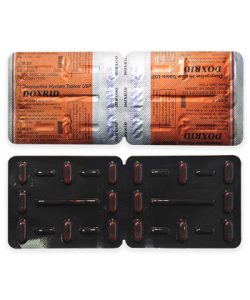
Vibramycin
from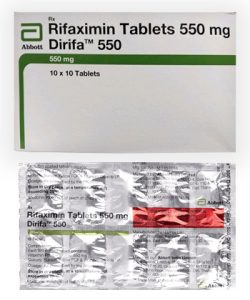
Xifaxan
from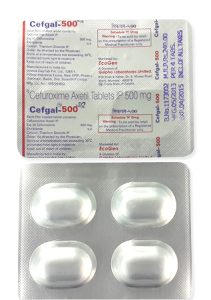
Ceftin
from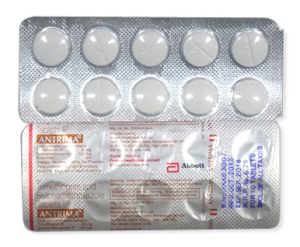
Bactrim
from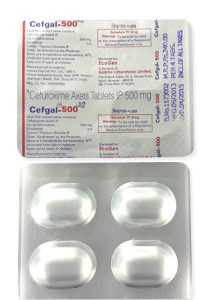
Cefuroxime
from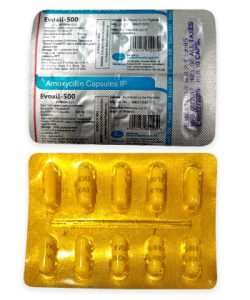
Levofloxacin
from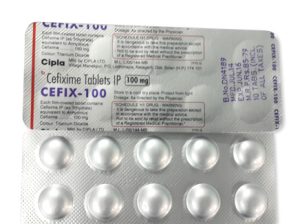
Suprax
from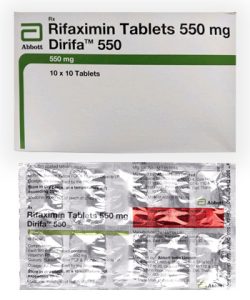
Rifaximin
from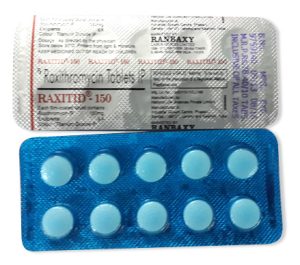
Rulide
from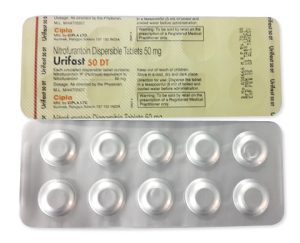
Furadantin
from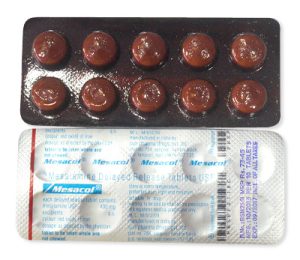
Mezavant
from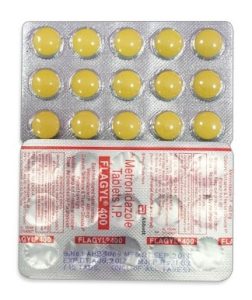
Flagyl
from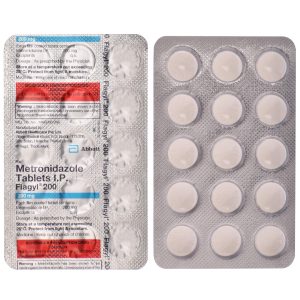
Metronidazole
fromUnderstanding Antibacterial Products
Antibacterial products are designed to kill or inhibit the growth of bacteria on skin and surfaces. These products contain active ingredients that work by damaging bacterial cell walls or disrupting their metabolic processes. They’re commonly used in households, healthcare settings, and personal care routines to reduce the risk of infection and maintain hygiene standards. Antibacterial solutions come in various forms including soaps, creams, gels, and oral medications. In Australia, the use of antibacterial products has become increasingly important for maintaining public health and preventing the spread of infectious diseases. Understanding how these products work and when to use them can help you make informed decisions about your health and wellness.
Types of Antibacterial Medications Available in Australia
Topical Antibacterial Agents
Topical antibacterial products are applied directly to the skin and are excellent for treating minor cuts, wounds, and skin infections. Popular options available in Australian pharmacies include Savlon antiseptic cream, which contains chlorhexidine gluconate and cetrimide. Betadine antiseptic solution is another widely used product that contains povidone-iodine and effectively kills bacteria on the skin surface. Bepanthen antiseptic ointment combines antibacterial properties with healing benefits, making it suitable for everyday minor injuries. These products are typically available without prescription and can be purchased over the counter at most pharmacies across Australia.
Oral Antibacterial Medications
Oral antibiotics prescribed by doctors treat bacterial infections that affect internal body systems. Common antibiotics available in Australia include amoxicillin, used to treat various bacterial infections such as ear infections and urinary tract infections. Penicillin V is another frequently prescribed antibiotic for respiratory and skin infections. Cephalexin belongs to the cephalosporin class and is effective against numerous bacterial strains. These medications require a prescription from a healthcare provider and must be taken exactly as directed to ensure effectiveness and reduce antibiotic resistance.
Common Uses and Applications
Wound Care and Minor Injuries
Antibacterial products play a crucial role in wound management and preventing infection in minor cuts and grazes. When you have a small wound, applying an antibacterial cream or ointment creates a protective barrier against harmful bacteria whilst promoting healing. Products like Neosporin and similar triple antibiotic ointments are popular choices for everyday first aid. Using antibacterial solutions appropriately can significantly reduce the risk of infection and speed up the healing process. It’s recommended to clean the wound with soap and water first, then apply the antibacterial product and cover with a sterile bandage if necessary.
Skin Infections and Conditions
Antibacterial products are essential for managing various skin infections including impetigo, folliculitis, and infected eczema. Topical antibacterial creams like mupirocin (Bactroban) are specifically formulated to treat bacterial skin infections and are available in Australian pharmacies with a prescription. These products can be applied directly to affected areas to eliminate bacterial growth and promote skin healing. For more severe skin infections, oral antibiotics may be necessary, and your doctor will prescribe the most appropriate option based on the type of infection and severity of symptoms.
How to Use Antibacterial Products Safely
Proper Application Techniques
Using antibacterial products correctly maximises their effectiveness and minimises potential side effects. Before applying any topical antibacterial agent, always wash your hands thoroughly with soap and water. Clean the affected area gently and pat it dry with a clean cloth. Apply a thin layer of the antibacterial product as directed on the packaging or by your healthcare provider. For oral antibiotics, take the medication exactly as prescribed, typically with or without food depending on the specific antibiotic. Complete the full course of antibiotics even if you feel better, as stopping early can lead to antibiotic resistance and infection recurrence.
Storage and Shelf Life
Proper storage ensures that antibacterial products maintain their effectiveness. Keep topical products in a cool, dry place away from direct sunlight and heat. Most antibacterial creams and ointments should be stored at room temperature and kept out of reach of children. Check the expiry date before using any antibacterial product, as expired medications may not work effectively. Oral antibiotics should be stored according to the package instructions, with many requiring storage in a cool, dry location. Always keep medications in their original containers with labels intact for safety and identification purposes.
Choosing the Right Antibacterial Product for Your Needs
Assessing Your Situation
Selecting the appropriate antibacterial product depends on several factors including the type of infection, severity, location on the body, and personal health considerations. For minor cuts and scrapes, over-the-counter topical products are usually sufficient and readily available at Australian pharmacies. If you have a more serious skin infection or systemic bacterial infection, consult your doctor who can recommend prescription-strength antibacterial medications. Consider any allergies or sensitivities you may have to common antibacterial ingredients. Some people may react to iodine-based products like Betadine, whilst others might experience sensitivity to other active ingredients.
Consulting Healthcare Professionals
Your pharmacist and doctor are valuable resources when choosing antibacterial products. Pharmacists can provide advice on over-the-counter options suitable for your specific needs and can recommend products based on your medical history. Doctors can prescribe appropriate antibiotics for bacterial infections and provide guidance on proper usage and potential side effects. If an infection doesn’t improve after using antibacterial products, or if symptoms worsen, seek medical attention promptly. Professional guidance ensures you receive the most effective treatment and helps prevent complications from untreated infections.
Important Considerations and Antibiotic Resistance
Understanding Antibiotic Resistance
Antibiotic resistance occurs when bacteria evolve and become resistant to antibacterial medications, making infections harder to treat. Overusing antibiotics, including using them for viral infections where they’re ineffective, contributes significantly to resistance development. Using antibacterial products exactly as directed and completing full courses of prescribed antibiotics helps combat resistance. Avoid sharing antibiotics with others or using leftover medications from previous prescriptions. Using antibiotics only when necessary and as prescribed by healthcare professionals is crucial for maintaining their effectiveness for future generations.
To help protect against antibiotic resistance and use antibacterial products responsibly, consider these key practices:
- Use antibacterial medications only when genuinely needed for bacterial infections
- Complete the full prescribed course of antibiotics even if symptoms improve
- Never share antibiotics with family members or others
- Store unused or expired antibiotics safely and dispose of them at your local pharmacy
- Use topical antibacterial products as directed without exceeding recommended frequency
- Follow your healthcare provider’s guidance regarding antibiotic selection and dosage
When to Seek Medical Advice
Contact your doctor if you develop signs of infection such as increasing redness, warmth, swelling, pus, or fever around a wound. If a skin infection doesn’t improve after several days of using antibacterial products, professional evaluation is necessary. Seek immediate medical attention for deep wounds, bites from animals or humans, or any injury that may require stitches. If you experience allergic reactions to antibacterial products including rash, itching, or difficulty breathing, stop use and contact your healthcare provider. Always report any side effects from prescribed antibiotics to your doctor, as alternative medications may be necessary for your safety and health.