Mezavant
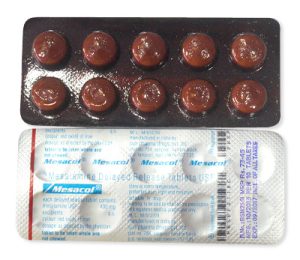
In brief
- In Australia Mezavant is generally supplied in pharmacies as a prescription-only medicine (Rx) and should be dispensed on a valid prescription; while some suppliers or pharmacies may claim to sell without a receipt, this is not recommended and you should follow local regulations and obtain a prescription from a clinician.
- Mezavant contains mesalazine (mesalamine) and is used for induction and maintenance of remission in mild-to-moderate ulcerative colitis (including proctitis/proctosigmoiditis); it works topically in the colon as an anti‑inflammatory agent by inhibiting inflammatory mediators (prostaglandins, leukotrienes and related pathways) with delayed/extended‑release formulations targeting the colon to reduce systemic exposure.
- The usual adult dose for active ulcerative colitis is 2.4–4.8 g per day orally in divided doses (regimens vary by formulation); maintenance dosing is typically 1.6–2.4 g per day; paediatric dosing (where approved) is about 50–75 mg/kg/day divided—follow product labelling and a prescriber’s advice.
- Mezavant is administered orally as delayed‑ or extended‑release tablets (some brands available as rectal enemas or suppositories for distal disease); take tablets with water according to the product instructions.
- Onset: some patients may notice symptom improvement within days to a couple of weeks, but meaningful clinical response is commonly assessed over 6–8 weeks for induction of remission.
- Duration of action: extended‑release formulations are designed to provide therapeutic effect over a 24‑hour dosing interval; maintenance therapy can continue long‑term (months to years) under clinical supervision to keep disease in remission.
- Alcohol warning: there is no absolute ban on light alcohol use, but avoid excessive alcohol and use caution if you have liver disease or are taking other hepatotoxic medications; follow your doctor’s advice.
- The most common side effect is headache; other frequent effects include nausea, abdominal pain, diarrhoea or gas, fatigue and arthralgia; rare but serious reactions include renal dysfunction and severe allergic reactions—monitoring of renal function and liver enzymes is recommended.
- Would you like to try mezavant without a prescription?
Basic Mezavant Information
- INN (International Nonproprietary Name): Mesalazine or Mesalamine (5-aminosalicylic acid, 5-ASA).
- Brand Names Available In Australia: Asacol; Asacol HD; Pentasa; Mezavant (Lialda in the US); Salofalk; Rowasa; plus generics dependent on sponsor registration.
- ATC Code: A07EC02 (A07: drugs for inflammatory bowel disease; E: intestinal anti-inflammatory agents; C: aminosalicylic acid and similar agents; 02: mesalazine).
- Forms & Dosages: Delayed-release tablets 400 mg (Asacol) and 800 mg (Asacol HD); rectal enemas and suppositories under other brands; common packaging 30, 60 or 90 tablets per pack.
- Manufacturers In Australia: Local supply depends on licensed sponsors and importers; global manufacturers/distributors include Tillotts Pharma, Zeria, Allergan, Meda Pharma and licensed generics.
- Registration Status In Australia: Product availability depends on TGA ARTG registration by sponsor; check local ARTG entries for exact brands and strengths.
- OTC / Rx Classification: Prescription (Rx) only; not available OTC in jurisdictions where it is registered.
Availability & Price Landscape
Where do people in Australia actually get mezavant or mesalazine when they need it?
Major national pharmacy chains such as Chemist Warehouse, Priceline and TerryWhite Chemmart commonly stock mesalazine brands or generics, especially in metropolitan areas.
Hospital pharmacies and specialist centres also hold stock for outpatient dispensing or inpatient use.
Rural pharmacies often need to order specific brands and use courier supply for patients who cannot collect locally.
Telehealth e-prescriptions and home delivery have expanded access to mesalazine in Australia over recent years.
Pharmacists routinely check TGA approvals and PBS status before dispensing to confirm subsidised supply and safety data.
Pricing depends on PBS listing and whether the brand is subsidised; private or imported brands carry higher out-of-pocket costs.
Typical pack sizes encountered at Australian pharmacies are 30, 60 or 90 tablets, in 400 mg and 800 mg strengths.
Price per tablet usually falls with larger pack sizes, which matters for maintenance therapy budgets.
Below is a simple price comparison overview used on product pages to explain PBS versus private supply.
| Supply Route | Typical Patient Cost | Notes |
|---|---|---|
| PBS-Listed Brand | Patient co-payment (varies by concession) | Lower out-of-pocket; requires a valid prescription and PBS conditions. |
| Private Supply (Off-PBS / Import) | Higher full price out-of-pocket | Used when brand not listed locally or patient requests non-subsidised product. |
Suggested pharmacy contacts for sourcing specific brands include major chain stores and the nearest hospital pharmacy for urgent needs.
In metro areas, same-day or next-day collection is common; in rural areas allow extra time for ordering and courier delivery.
National Pharmacy Chains (Chemist Warehouse, Priceline, TerryWhite)
Chemist Warehouse, Priceline and TerryWhite Chemmart are frequent stockists of mesalazine brands or their generics in large centres.
These chains may list Asacol, Pentasa or equivalent mesalazine generics depending on supplier contracts.
Stock and pricing can vary between stores; call ahead or check online inventory for specific pack sizes such as 30/60/90 tablets.
Pharmacists in these chains typically confirm TGA registration and PBS status before dispensing.
Online Pharmacy Trends In Australia
Telehealth e-prescriptions and pharmacy delivery have improved access to prescription-only medicines, including mesalazine.
Online listings often show pack sizes, PBS status and whether the product is available for home delivery.
Patients should ensure the online pharmacy is a licensed Australian supplier and verify ARTG or PBS details for any imported brands.
Price Ranges By Package Size (PBS Vs Private)
When a mesalazine product is on the PBS, patients usually pay only the applicable co-payment rather than the full label price.
Private supply or imported brands will have higher out-of-pocket costs and may be priced per pack (30/60/90 tablets).
Unit price per tablet typically decreases with 60 or 90 tablet packs, which can be more economical for maintenance therapy.
Ask your pharmacist for a price-per-tablet comparison when choosing pack size and brand.
Patient Insights & Satisfaction Levels
What do Australians say about using mesalazine for ulcerative colitis?
Real-world feedback from ProductReview and local health forums shows many patients notice improvement in stool frequency and reduction in rectal bleeding while on mesalazine.
Satisfaction is higher when pharmacists provide clear counselling on dosing schedules and storage instructions.
Commonly reported issues include nausea, headache and occasional flares that required medical review.
Rural patients often report delays while pharmacies source particular brands or strengths.
Patients appreciate when pharmacists explain renal monitoring and the need for baseline blood tests.
Pros and cons reported by patients are summarised below.
- Pros: Symptom relief for mild-to-moderate ulcerative colitis; effective maintenance of remission for many users.
- Cons: Gastrointestinal side effects in some; rare kidney-related concerns; occasional supply delays in regional areas.
De-identified testimonial snippets from Australian users:
- “Stool urgency calmed after a few weeks on Asacol 400 mg; regular blood tests kept me reassured.”
- “I had nausea initially but my GP adjusted the schedule and that helped.”
- “Had to wait a few days for my pharmacy to order the 800 mg tablets while living regionally.”
Short FAQ on access and delivery: check your pharmacy for PBS listing, ask about brand availability and delivery times, and request pharmacist counselling on dosing and storage (store at 15–30°C away from moisture).
Forum Reviews (ProductReview, Aussie Health Forums)
ProductReview and community forums show mixed but largely positive reviews when mesalazine is effective for the individual’s disease extent.
Negative reviews most often mention side effects or supply issues rather than lack of efficacy.
Reported Benefits And Issues From Australian Patients
Benefits: reduced bleeding, improved stool frequency and longer periods of remission on maintenance dosing.
Issues: gastrointestinal upset, headaches, and rare reports of worsening colitis or renal concerns prompting medical review.
Product Overview & Brand Variants
What exactly is mezavant and which brands might patients see in Australia?
Active ingredient: mesalazine (mesalamine), also called 5-ASA in clinical notes.
Common international brands include Asacol (400 mg, 800 mg), Asacol HD (800 mg), Pentasa, Mezavant (Lialda in the US), Salofalk and Rowasa for rectal therapy.
TGA approval and sponsor registration determine which brand names are marketed locally in Australia.
Packaging is commonly blister packs or bottles of 30, 60 or 90 tablets.
Below is a concise forms and strengths comparison drawn from registered product formats.
| Form & Strength | Brand Example | Packaging |
|---|---|---|
| Delayed-Release Tablet 400 mg | Asacol | Bottles/blisters of 30/60/90 |
| Delayed-Release Tablet 800 mg | Asacol HD | Bottles/blisters, typically 90 |
| Rectal Enema / Suppository | Salofalk / Other Brands | Market-dependent rectal forms |
Asacol’s delayed-release coating targets release in the colon; other brands use sustained or extended-release technologies that alter dosing frequency.
INN And Brand Names In Australia
The International Nonproprietary Name is mesalazine or mesalamine.
Patients may see Asacol, Pentasa, Mezavant or local generics depending on sponsor registration and supply agreements.
Legal Classification (TGA-Approved)
Any mesalazine product supplied in Australia must be TGA-registered under an ARTG entry to be marketed locally.
All mesalazine products are prescription-only due to monitoring requirements and potential renal risks.
Indications In Local Medical Practice
Where and how is mesalazine used by Australian clinicians?
Mesalazine is indicated primarily for induction and maintenance of remission in ulcerative colitis, especially mild-to-moderate disease and distal disease such as proctitis and proctosigmoiditis.
Use in Crohn’s disease is not routinely recommended because evidence of benefit is limited.
Typical induction dosing used locally is 2.4–4.8 g per day in divided doses, and maintenance dosing is often 1.6–2.4 g per day.
Paediatric use: Asacol 400 mg may be approved for children aged five years and older in some regions; 800 mg formulations generally restricted under 18 unless specifically authorised.
| Indication | Typical Adult Dose |
|---|---|
| Mild–Moderate Active Ulcerative Colitis (Induction) | 2.4–4.8 g/day orally in divided doses (e.g., 800 mg three times daily) |
| Maintenance Of Remission | 1.6–2.4 g/day orally in divided doses |
Off‑label patterns: clinicians may combine topical rectal mesalazine with oral therapy for left-sided disease to improve local control.
Approved Uses By TGA
TGA-aligned indications mirror international approvals for ulcerative colitis induction and maintenance.
Prescribers should confirm local ARTG and PBS listings for specific brands and indications.
Off-Label Patterns In Australian Clinics
Topical rectal mesalazine is commonly used in combination with oral therapy for distal disease despite being an off-label optimisation in some cases.
Documented regimens and monitoring plans should be in the patient record when clinicians deviate from core approved indications.
How It Works In The Body
How does mesalazine reduce bowel inflammation?
In plain terms, mesalazine delivers an anti-inflammatory agent directly to the colon lining to reduce swelling and bleeding.
Special coatings control where in the gut the medication releases so most of the active drug acts locally in the colon with minimal systemic absorption.
Clinically, mesalazine is a 5-aminosalicylic acid (5-ASA) compound that acts topically on the colonic mucosa.
It modulates inflammatory mediators and inhibits prostaglandin and leukotriene pathways to reduce mucosal inflammation.
Formulation differences matter: Asacol uses a delayed-release coating, while Mezavant/Lialda uses extended-release technology for different release profiles and dosing convenience.
Rectal forms deliver drug directly to the distal colon and rectum for proctitis or proctosigmoiditis.
- Delayed-Release: Coating dissolves at higher pH in the terminal ileum/colon to release 5-ASA locally.
- Extended-Release: Matrix or multi-matrix systems release drug more slowly, often allowing once-daily dosing.
ATC classification: A07EC02 identifies mesalazine among intestinal anti-inflammatory agents.
Layman’s Explanation
Mesalazine calms inflammation in the colon by releasing its active ingredient where the bowel is irritated.
This reduces bleeding and diarrhoea for many people with ulcerative colitis.
Clinical Detail
As a topical mucosal agent, mesalazine reduces inflammatory eicosanoids and cytokine activity in the colonic mucosa.
Different release technologies alter pharmacokinetics and help tailor dosing to disease location and patient preference.
Dosage & Administration
What dosing should patients expect and how is it given safely?
Standard adult induction dosing is 2.4–4.8 g per day orally in divided doses.
An example regimen is 800 mg three times daily for induction or equivalent total daily doses using 400 mg tablets.
Maintenance dosing typically ranges from 1.6–2.4 g per day in divided doses.
Paediatric dosing is weight-based at approximately 50–75 mg/kg/day divided into two or three doses, with Asacol 400 mg used in children aged five years and older where approved.
Elderly patients should start at the lowest effective dose and have renal function monitored more closely.
Renal impairment: use with caution and avoid in severe renal dysfunction; obtain baseline creatinine and monitor during therapy.
Missed dose advice: take as soon as remembered unless it is almost time for the next dose; do not double up.
| Patient Group | Typical Dose |
|---|---|
| Adult Induction | 2.4–4.8 g/day orally, divided doses |
| Adult Maintenance | 1.6–2.4 g/day orally, divided doses |
| Children (If Indicated) | 50–75 mg/kg/day divided BID/TID; Asacol 400 mg for 5+ in some regions |
Storage: keep tablets at 15–30°C and protect from moisture.
Standard Regimens
Use induction dosing for 6–8 weeks and reassess clinical response; continue maintenance dosing to prevent relapse as advised by the treating clinician.
Adjustments By Patient Type (Elderly, Chronic Conditions)
Elderly patients and those with renal impairment need lower starting doses and regular monitoring of renal function and liver enzymes.
Pharmacists should flag renal monitoring and refer to prescribers when creatinine changes occur.
Contraindications & Side Effects
Who should not take mesalazine and what adverse effects should patients watch for?
Absolute contraindications include known allergy to mesalazine/mesalamine, aspirin, sulfasalazine or other salicylate-containing agents.
Severe renal impairment or prior severe renal adverse reaction to mesalazine is also an absolute contraindication.
Common side effects are headache, nausea, abdominal pain, diarrhoea, gas, arthralgia and fatigue.
Rare but serious reactions include allergic hypersensitivity (rash, fever), worsening colitis, and renal dysfunction including interstitial nephritis.
Chest pain or respiratory symptoms occurring on therapy should prompt urgent review.
Australian pharmacovigilance encourages reporting of adverse events to the TGA and to the dispensing pharmacy.
| Common | Rare But Serious |
|---|---|
| Headache; Nausea; Abdominal Pain; Diarrhoea; Gas; Arthralgia; Fatigue | Allergic Reactions (rash, fever); Worsening Colitis; Renal Dysfunction; Chest Pain or Shortness Of Breath |
Emergency signs requiring immediate medical attention: severe rash, chest pain, reduced urine output, sudden severe abdominal pain or marked worsening of bloody diarrhoea.
Common
Mild gastrointestinal upset and headache are the side effects most often encountered.
Rare But Serious (Australian Safety Data)
Although uncommon, renal dysfunction has been reported and requires baseline and periodic renal monitoring while on therapy.
Comparable Medicines
Which other mesalazine products or formulations might clinicians choose instead of a given brand?
| Brand | Form | Typical Dose | PBS Status | Pros / Cons |
|---|---|---|---|---|
| Asacol | Delayed-release tablets 400 mg / 800 mg | 2.4–4.8 g/day (induction) | Varies by sponsor and formulation | Targets colonic release; widely used; may require multiple daily doses. |
| Pentasa | Sustained-release mesalazine | Dosing as per formulation | Varies | May release more proximally; useful for more extensive small-bowel delivery. |
| Mezavant / Lialda | Extended-release formulations | Once-daily options in some regimens | Varies | Often allows once-daily dosing to aid adherence. |
| Salofalk / Rowasa | Rectal forms (enema/suppository) | Topical dosing for distal disease | Varies | Effective for proctitis and left-sided disease in combination with oral therapy. |
When switching brands, pharmacists should document the substitution and monitor clinical response for 6–8 weeks.
Decision flow: consider disease location, dosing convenience, PBS status and patient preference when choosing oral versus rectal therapy.
Alternatives Table (PBS And Non-PBS)
PBS availability differs between brands and strengths; discuss costs and subsidy options with the pharmacist prior to switching.
Pros And Cons List
Asacol: reliable delayed-release targeting colon but may require multiple doses.
Pentasa: sustained release that may reach proximal bowel.
Mezavant/Lialda: extended-release often giving once-daily dosing to improve adherence.
Current Research & Trends
What recent evidence affects how mesalazine is used clinically?
Recent trials and meta-analyses through 2022–2025 support mesalazine as first-line therapy for induction and maintenance in mild-to-moderate ulcerative colitis.
Research emphasises formulation differences, adherence benefits from once-daily extended-release agents, and the continued need for renal safety monitoring in real-world use.
Australian registry data highlight adherence barriers such as cost and dosing frequency rather than pure efficacy concerns.
Emerging trends include combination topical and oral therapy for distal disease, and comparative work assessing mesalazine against newer biologic agents for mild disease outcomes.
Key themes for clinicians: tailor formulation to disease location, simplify dosing where possible to improve adherence, and maintain vigilance on renal monitoring.
| Year | Focus | Key Finding |
|---|---|---|
| 2022–2023 | Formulation Comparisons | Extended-release improves adherence in many patients compared with multiple daily dosing. |
| 2023–2025 | Real-World Safety | Renal monitoring is critical; adverse renal events remain rare but clinically important. |
Clinicians and pharmacists should follow new TGA or guideline updates as they appear for formulation-specific recommendations.
Major Studies 2022–2025 (Australia + International)
Meta-analyses continue to support mesalazine as first-line for induction and maintenance in ulcerative colitis, with ongoing work on formulation and adherence.
Common Patient Questions
Below are FAQs commonly asked during pharmacy consultations in Australia.
Can I take mesalazine during pregnancy?
Use only if benefit outweighs risk; clinicians often continue mesalazine when necessary but monitor the mother and neonate for potential effects such as neonatal diarrhoea.
How long until it works?
Response is typically measured over weeks; induction assessments are commonly at 6–8 weeks.
What if I miss a dose?
Take the missed dose as soon as you remember unless it is almost time for the next dose; do not double up doses.
Do I need blood tests?
Yes — baseline renal function is recommended and periodic monitoring during therapy is standard practice.
Storage guidance?
Keep tablets at 15–30°C away from moisture; do not refrigerate; store in original container and keep out of reach of children.
Interactions?
Avoid additional salicylates unless advised by your prescriber; check with your pharmacist for medicines that may affect renal function.
Pharmacy logistics?
Check PBS status for potential subsidies and ask about delivery options; telehealth e-scripts are widely accepted.
Regulatory Status
How is mesalazine regulated for Australian purchasers?
Mesalazine products must be TGA-approved and entered on the ARTG to be supplied in Australia.
International brands such as Asacol, Pentasa and Mezavant have approvals in various markets; local availability depends on the registered sponsor and supply agreements.
PBS listing varies by brand and indication; if a product is on the PBS, patients can access subsidised supply subject to co-payments and prescription conditions.
Non-PBS or imported brands will be full cost to the patient.
Always check the TGA ARTG lookup and PBS item numbers for current registration and subsidy status before ordering.
| Brand | TGA/PBS Status | Notes |
|---|---|---|
| Asacol | Requires TGA ARTG entry; PBS listing varies | Check sponsor ARTG for pack sizes and indications. |
| Pentasa | Requires TGA ARTG entry; PBS listing varies | Sustained-release form; check subsidy details. |
| Mezavant (Lialda) | Requires TGA ARTG entry; PBS listing varies | Extended-release formulation; dosing and subsidy differ by brand and sponsor. |
Prescription-only status is a common legal classification across markets due to monitoring requirements.
Visual Recommendations
What visuals help customers decide and stay safe?
Recommended assets for a product page include a PBS vs private pricing infographic, a pack-size grid showing 30/60/90 tablet economics, a tablet transit schematic showing delayed versus extended release, and a pharmacy network map indicating urban versus rural supply times.
Include a compact contraindications icon block and a monitoring badge summarising baseline renal tests.
Ensure any patient-facing images comply with TGA advertising rules and avoid unapproved therapeutic claims.
Buying & Storage Advice
How should patients buy and store mesalazine in Australia?
Bring a current prescription when purchasing; telehealth e-scripts are accepted by most Australian pharmacies.
Ask the dispensing pharmacist to confirm TGA registration and PBS listing to maximise subsidies where eligible.
Rural customers should confirm expected lead times and whether courier delivery is needed for specific brands.
Store tablets at 15–30°C, protected from moisture and sunlight; in humid Australian conditions keep medicines in an internal cupboard away from the bathroom.
Do not refrigerate unless instructed by the product leaflet.
When travelling, keep medication in its original container and carry it as hand luggage; keep out of reach of children and secure where possible.
Purchase checklist for customers: valid prescription, ask about PBS vs private price, confirm brand substitution permission, check expected delivery time.
In our online pharmacy, mezavant is available without a prescription, with discreet delivery to Australia in 9-21 days.
In-Store Vs Online Purchase Tips In Australia
Request an e-script or paper prescription, confirm TGA ARTG details for the brand and ask about PBS eligibility for subsidies.
Storage In Australian Household Conditions (Heat/Humidity)
Choose an interior cupboard away from heat sources and moisture; do not store in the bathroom where humidity spikes occur after showers.
Guidelines For Proper Use
What should pharmacists do when dispensing mesalazine and how should patients use it safely?
Pharmacist checklist: confirm the indication (ulcerative colitis), check for salicylate allergy, obtain baseline creatinine and arrange periodic monitoring, and advise on dosing schedules to support adherence.
Consider once-daily extended-release options for patients struggling with multiple daily doses, where clinically appropriate.
Advise patients about common side effects and list red-flag symptoms that require urgent medical review such as worsening bloody diarrhoea, chest pain, rash or decreased urine output.
Document any brand substitutions and follow up on clinical response after 6–8 weeks for induction therapy.
Encourage patients to report adverse events to the TGA and their dispensing pharmacy.
| Monitoring Interval | Recommended Tests |
|---|---|
| Baseline | Serum creatinine, LFTs as clinically indicated |
| 3 Months | Repeat creatinine |
| 6 Months | Repeat creatinine; then annually if stable |
Patient safety steps: keep a written dosing schedule, store medication correctly, and present for blood tests as arranged.
Pharmacist Guidance In Australia
Use a structured counselling script covering indication, dose, expected timeframe for effect, adverse effects and monitoring requirements.
Patient Safety Recommendations
Advise patients to stop and seek urgent care for severe allergic symptoms, to keep regular renal monitoring and to present if their symptoms worsen despite therapy.
Delivery Across Australia
| City | Region | Delivery Time |
|---|---|---|
| Sydney | New South Wales | 9-14 days |
| Melbourne | Victoria | 9-14 days |
| Brisbane | Queensland | 9-14 days |
| Perth | Western Australia | 9-14 days |
| Adelaide | South Australia | 9-14 days |
| Canberra | Australian Capital Territory | 9-14 days |
| Hobart | Tasmania | 9-14 days |
| Darwin | Northern Territory | 9-14 days |
| Gold Coast | Queensland | 9-14 days |
| Newcastle | New South Wales | 9-14 days |
| Wollongong | New South Wales | 9-14 days |
| Geelong | Victoria | 9-14 days |
| Cairns | Queensland | 14-21 days |
| Townsville | Queensland | 14-21 days |
| Alice Springs | Northern Territory | 14-21 days |
Final Safety Notes
Mesalazine is an effective first-line option for many people with mild-to-moderate ulcerative colitis when used as indicated.
Baseline and periodic renal monitoring is essential because renal adverse events, although rare, are clinically significant.
Report suspected adverse reactions to the TGA and to the dispensing pharmacy so safety signals can be followed up.
For up-to-date, country-specific product information consult the product leaflet and the TGA ARTG entry for the brand you are prescribed.
If you have supply questions or need help with PBS checking, ask your pharmacist for assistance and allow extra time for rural deliveries.