Motilium

In brief
- Motilium (domperidone) is prescription-only in Australia, the UK/EU, Canada, and Romania, and it is not approved for regular over-the-counter sale in most countries due to cardiac safety concerns; in some online or informal pharmacies it may be offered without a prescription, but this is not the standard legal requirement.
- Motilium is used to help relieve nausea and vomiting and to improve stomach emptying in conditions such as gastroparesis. It works as a dopamine D2 receptor antagonist with prokinetic and antiemetic effects, helping increase movement through the upper gastrointestinal tract while causing fewer central nervous system effects than some alternatives.
- The usual adult dose is 10 mg up to 3 times a day, usually before meals. For children, dosing is weight-based at 0.25 mg/kg up to 3 times a day, with specialist guidance for some conditions and a maximum of 30 mg/day for children over 35 kg.
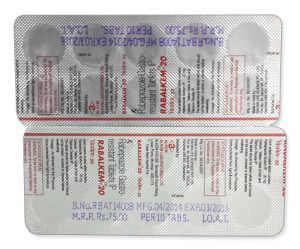
- Motilium is available as tablets, film-coated tablets, orally disintegrating tablets in some markets, and oral suspension. The most common Australian pack is 10 mg tablets, typically supplied in cartons of 100.
- Motilium usually starts working within about 30 to 60 minutes, although this can vary depending on whether it is taken with food and the individual patient’s condition.
- The duration of action is generally around 4 to 6 hours, which is why it is often taken several times per day when prescribed.
- Avoid alcohol, as it may worsen dizziness, drowsiness, and gastrointestinal symptoms, and can make side effects more noticeable.
- The most common side effects are headache, dry mouth, abdominal cramps, diarrhoea, drowsiness, and sometimes raised prolactin-related effects such as breast tenderness or menstrual changes.
- Would you like to try Motilium without a prescription?
Basic Motilium Information
- INN (International Nonproprietary Name): Domperidone
- Brand names available in Australia: Motilium
- ATC Code: A03FA03
- Forms & dosages: Tablet 10 mg; oral suspension 1 mg/mL or 5 mg/5 mL; orally disintegrating tablets 10 mg; film-coated tablets 10 mg
- Manufacturers in Australia: Janssen Pharmaceutica; local generics may vary by supply
- Registration status in Australia: Prescription required
- OTC / Rx classification: Prescription-only (Rx)
- Typical adult dosage: 10 mg up to 3 times daily for nausea and vomiting
- Storage: Store below 25°C, protect from moisture and light
- Common side effects: Headache, dry mouth, abdominal cramps, diarrhoea, drowsiness, anxiety
Availability, Pricing And Real-World Access In Australia
Where Australians Actually Buy Motilium
Looking for Motilium Australia usually starts with the big chains, but stock can vary from branch to branch.
People often check Chemist Warehouse, Priceline, TerryWhite Chemmart, and independent pharmacies first because they want a quick answer and a pharmacist they trust.
In metro areas, a valid script can often be filled the same day, while rural patients may need a nearby branch to order it in.
Telehealth-linked e-prescriptions have made access easier, especially for patients who need a prescription nausea medicine after a short consult.
Common buying pathways
Doctor or telehealth consult, then e-script to a local pharmacy.
Phone around a few chains if one store is out of stock.
Use an online pharmacy when you need discreet ordering and home delivery.
Price Realities And Pack Sizes
In Australia and New Zealand, Motilium 10mg is typically supplied as 10 mg tablets in cartons of 100.
That larger pack is practical for some patients, but it also means price comparison matters, because private pharmacy pricing can differ from one chain to the next.
There is no safe assumption of subsidy, so most buyers should expect private pricing unless their prescription specifically qualifies under the relevant scheme.
| Pack | Typical Australian Presentation | Buying Note |
|---|---|---|
| Motilium tablets | 10 mg, carton of 100 | Common local pack size |
| Domperidone tablets | 10 mg, supply may vary | Generics can appear depending on branch stock |
Patient Buying Behaviour
Most shoppers are price sensitive, but they also want reassurance that the medicine is suitable and that the dosing is clear.
That is why many compare pharmacy chains before they buy Motilium tablets.
A pharmacist’s advice matters just as much as the sticker price, particularly when a patient is trying to balance cost, convenience, and confidence with Motilium domperidone.
Patient Experiences And Satisfaction In Everyday Use
What Patients Say It Feels Like
For many people, the main appeal is simple: the nausea eases, and the stomach feels more settled.
Patients often describe it as rapid relief from nausea and vomiting, especially when they need a medicine for nausea and vomiting that works without making them feel foggy.
Common Praise And Common Complaints
- Praise: Effective for nausea, vomiting, and a “settling” feeling in the stomach.
- Praise: Useful when repeated use is needed over a short period.
- Complaint: A prescription is required, so it is not an instant shelf purchase.
- Complaint: Dry mouth and headache can occur.
- Complaint: Some people dislike needing to plan ahead for a refill.
Who Tends To Value It Most
It is often appreciated by people with nausea, reflux-like symptoms, delayed gastric emptying, or a tablet for slow stomach emptying that does not usually cause the same central nervous system effects as metoclopramide.
That profile makes it a familiar option in specialist-led care and a practical prescription nausea medicine for short-term symptom control.
What Motilium Is: Brand, Ingredient And Local Naming
Inn And Brand Identity
Domperidone is the INN, and Motilium is the best-known brand name in Australia, New Zealand, and many other markets.
In everyday pharmacy conversations, people usually say Motilium, but the box may also be described as domperidone.
Australian Pack And Strength
The standard Australian presentation is 10 mg tablets, usually in cartons of 100.
That is the main Motilium 10mg format customers see locally, and it is the same active ingredient behind Motilium domperidone requests at the counter.
Other Market Names And Equivalents
Internationally, the same medicine may appear under local names, and in Canada patients may see APO-Domperidone as a comparator product.
Australian buyers may also see generic domperidone tablets depending on supply and wholesaler availability.
- INN
- Domperidone
- Brand
- Motilium
- Strength
- 10 mg
How Motilium Is Classified Under Pharmacy And Regulatory Rules
Tga And Prescription-Only Status
In Australia, Motilium is prescription-only and not an over-the-counter shelf product.
That means a pharmacist needs a valid script before supplying domperidone tablets.
What That Means At The Counter
E-prescriptions from telehealth are common because they let the patient move quickly from consultation to dispensing.
Pharmacists still need to screen for suitability, because the medicine has important cardiac cautions.
Overseas Regulatory Reality
| Country / Region | Access | Practical Note |
|---|---|---|
| Australia | Prescription only | Pharmacy supply requires a valid script |
| European Union | Prescription only | Regulatory scrutiny reflects cardiac safety |
| Canada | Prescription only | Apo-Domperidone may appear as a comparator |
| United States | Highly restricted | Not FDA-approved for general use |
In our online pharmacy, Motilium is available without a prescription, with discreet delivery to Australia in 9-21 days.
What It Is Used For In Australian Practice
Main Uses People Ask About
The most common reason patients ask about Motilium is nausea, followed by vomiting and symptoms linked to slow stomach emptying.
It is also used in gastroparesis care, where a tablet for slow stomach emptying can be helpful under medical review.
Off-Label And Specialist-Led Use
Increased lactation is an off-label use, so it is not an approved routine indication.
It is not approved for children, and Parkinson’s-related symptom use is not typical in Australia.
Short-Term Use Expectations
For most patients, the aim is to use the lowest effective dose for the shortest possible time.
If symptoms persist, the next step should be review rather than simply extending a repeat script.
- Common uses: nausea, vomiting, gastroparesis
- Specialist or off-label use: increased lactation
How Motilium Works In The Body
Simple Explanation For Patients
Motilium is a prokinetic and an antiemetic, which means it helps the stomach move along and may reduce the urge to vomit.
That is why many people notice less nausea and a less “stuck” feeling in the upper gut.
Clinical Mechanism
Domperidone is classified as A03FA03 in the ATC system, which places it in drugs for functional gastrointestinal disorders as a propulsive agent.
That prokinetic action is the reason it is often discussed alongside gastroparesis treatment and other motility issues.
Why It Differs From Some Alternatives
A practical advantage is minimal central nervous system effects compared with metoclopramide, because domperidone does not easily cross the blood-brain barrier.
That difference matters to patients who want an antiemetic with less drowsy or neurological interference.
Stomach motility pathway
Slower stomach emptying can worsen nausea.
Domperidone helps support forward movement in the upper gastrointestinal tract.
Less gastric stasis may mean less nausea and vomiting.
Available Forms, Strengths And Packaging
Australian-Relevant Presentation
The standard Australian form is the 10 mg tablet.
That is the familiar Motilium tablets format for adult use.
Other Global Formulations
Some markets also supply oral suspension at 1 mg/mL or 5 mg/5 mL, orally disintegrating tablets, and film-coated tablets.
Those versions are useful where swallowing is difficult or where paediatric dosing needs more flexibility.
Packaging Differences By Region
| Form | Strength | Market Availability |
|---|---|---|
| Tablet | 10 mg | Standard adult format in Australia |
| Oral suspension | 1 mg/mL or 5 mg/5 mL | Common in paediatric use overseas |
| Orally disintegrating tablet | 10 mg | Select markets |
| Film-coated tablet | 10 mg | Common in the EU |
Dosage By Condition And Patient Group
Standard Adult Dosing
For nausea and vomiting, the standard adult dose is 10 mg up to 3 times daily.
Where domperidone is used in Parkinson’s-related symptom patterns, the usual adult dose is 10 mg 3 to 4 times daily.
Paediatric Dosing
Children are dosed by weight at 0.25 mg/kg up to 3 times daily.
Oral suspension is preferred in children, and the maximum daily dose is 30 mg for those above 35 kg.
Dose Adjustments And Limits
Older adults should use the lowest effective dose because cardiac risk is higher.
Moderate to severe hepatic impairment is a contraindication, and severe renal impairment needs caution or avoidance.
Duration Guidance
For nausea and vomiting, treatment is usually short-term and generally limited to up to 7 days.
For gastroparesis, treatment should be kept to the shortest effective duration, with review at 4 weeks.
| Indication | Adults / Adolescents 12+ | Children |
|---|---|---|
| Nausea / Vomiting | 10 mg up to 3 times daily | 0.25 mg/kg up to 3 times daily |
| Gastroparesis | 10 mg up to 3 times daily | Per specialist advice |
| Parkinson’s-related symptoms | 10 mg 3 to 4 times daily | Not typically indicated |
| Increased lactation | Variable, off-label use | Not approved for children |
How To Take It Correctly And Avoid Common Mistakes
Practical Administration Tips
Take Motilium exactly as prescribed and do not exceed the frequency on the label.
If your doctor has linked the dose to meals, follow that advice rather than changing the timing yourself.
Missed Dose Advice
If a dose is missed, take it as soon as you remember unless it is nearly time for the next dose.
Do not double up.
Overdose Warning Signs
Overdose can cause cardiac symptoms such as arrhythmias and may also cause central nervous system effects.
Suspected overdose needs ECG monitoring and symptomatic treatment.
- Take only the prescribed dose.
- Use the medicine at the frequency directed.
- Seek help promptly if palpitations or faintness occur.
Contraindications And Who Should Avoid Motilium
Warning
Some patients should not use domperidone at all, and others need close screening before dispensing.
Absolute Contraindications
- Allergy to domperidone or excipients
- Prolactinoma
- Prolonged QT interval or known cardiac arrhythmia
- Severe hepatic impairment
- Concomitant use with QT-prolonging drugs or potent CYP3A4 inhibitors
Higher-Risk Groups
People over 60 years, and those with mild or moderate liver or kidney impairment, need extra caution.
Electrolyte-related risks also matter because they can add to cardiac risk.
Pharmacy Red Flags
That is why pharmacist screening matters before dispensing Motilium domperidone.
A quick check of heart history and interacting medicines can prevent avoidable harm.
Side Effects, Safety Concerns And When To Seek Help
Common Side Effects
| Mild To Moderate | Urgent / Concerning |
|---|---|
| Headache | Palpitations |
| Dry mouth | Fainting |
| Abdominal cramps | Irregular heartbeat |
| Diarrhoea | Chest symptoms needing urgent review |
| Drowsiness | Severe reaction or collapse |
| Anxiety | Serious reaction after a dose change |
Hormonal Effects
Domperidone can raise prolactin, which may lead to breast tenderness, gynecomastia, galactorrhoea, or menstrual changes.
These effects are uncommon but important to recognise when people use Motilium tablets repeatedly.
Serious Cardiac Risk
The risk of serious cardiac events increases with higher doses, older age, and interacting medicines.
That is why domperidone side effects should never be brushed off if palpitations, dizziness, or faintness appear.
Drug Interactions, Safety Monitoring And Special Situations
Medicines That Matter Most
The biggest interaction concerns are QT-prolonging drugs and potent CYP3A4 inhibitors.
Those combinations can increase the risk of cardiac problems and need pharmacist review.
Monitoring In Practice
ECG considerations matter when the patient has heart history, risk factors, or interacting medicines.
Electrolyte issues should also be considered if symptoms persist or if the patient becomes unwell.
Pregnancy, Breastfeeding And Lactation Context
Use in lactation is off-label and should be clinician-led.
Pregnancy and breastfeeding decisions should be based on individual risk assessment rather than routine self-treatment.
| Interaction Type | Examples | Why It Matters |
|---|---|---|
| QT-prolonging drugs | Medicines that affect heart rhythm | Higher arrhythmia risk |
| CYP3A4 inhibitors | Potent inhibitors | Can raise domperidone exposure |
| Electrolyte-related medicines | Medicines affecting potassium or other electrolytes | Can increase cardiac vulnerability |
Motilium Compared With Common Alternatives
Domperidone Versus Metoclopramide
Motilium has fewer central nervous system effects because it does not easily cross the blood-brain barrier.
Metoclopramide crosses more readily, so it may cause more CNS-related problems in some patients.
Domperidone Versus Ondansetron
Ondansetron, sold as Zofran, is a 5-HT3 antagonist antiemetic and is often used differently from domperidone.
The choice depends on whether the main issue is nausea control, gastric motility, or both.
When Pharmacists And Doctors Choose Alternatives
Age, cardiac risk, interaction burden, and the symptom pattern all shape the decision.
For some people, an antiemetic is enough; for others, a prokinetic is the better fit.
| Medicine | Main Strength | Main Limitation |
|---|---|---|
| Domperidone | Prokinetic with fewer CNS effects | Cardiac risk and prescription control |
| Metoclopramide | Useful antiemetic and prokinetic | More CNS effects |
| Ondansetron | Strong antiemetic | Different mechanism, not a prokinetic |
Buying Safely, Storing At Home And Pharmacy Advice
Buying Safely In Australia
Safe access in Australia should go through a standard pharmacy or a telehealth e-script pathway.
That keeps the process legal, screened, and matched to the right dose.
Storage At Home And During Travel
Store Motilium tablets below 25°C and keep them away from moisture and light.
Factory-sealed blisters typically last 2 to 3 years, but the leaflet should always be checked for the exact expiry.
What Pharmacists Should Remind Patients
Motilium should not be shared, and it should not be treated as a long-term medicine unless a specialist is reviewing it.
Patients should also be asked about heart history and other medicines before supply.
Storage reminder
Keep sealed packs in a cool, dry place.
Do not leave them in a hot car.
Take only the dose your prescriber approved.
Delivery Across Australia
| City | Region | Delivery time |
|---|---|---|
| Sydney | New South Wales | 9-14 days |
| Melbourne | Victoria | 9-14 days |
| Brisbane | Queensland | 9-14 days |
| Perth | Western Australia | 9-14 days |
| Adelaide | South Australia | 9-14 days |
| Canberra | Australian Capital Territory | 9-14 days |
| Hobart | Tasmania | 9-14 days |
| Darwin | Northern Territory | 9-14 days |
| Gold Coast | Queensland | 9-14 days |
| Newcastle | New South Wales | 9-14 days |
| Wollongong | New South Wales | 9-14 days |
| Geelong | Victoria | 9-14 days |
| Townsville | Queensland | 14-21 days |
| Toowoomba | Queensland | 14-21 days |
| Bendigo | Victoria | 14-21 days |