Imodium
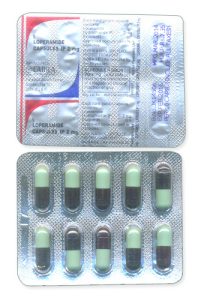
In brief
- Imodium is available over‑the‑counter at pharmacies in Australia (TGA: Pharmacy‑Only) and in many countries; it can also be bought from online pharmacies and retailers without a prescription for standard adult formulations, though some paediatric or specialist formulations may require professional advice or prescription.
- Imodium (loperamide) is used for acute nonspecific diarrhoea, chronic diarrhoea (including some IBS cases) and to reduce ileostomy output; it is an antipropulsive that acts peripherally on gut μ‑opioid receptors to slow intestinal motility and increase stool consistency.
- Usual adult dose for acute diarrhoea is 4 mg initially, then 2 mg after each loose stool (maximum 16 mg/day); children aged 2–12 use reduced weight‑based dosing (commonly 2 mg initially then 1 mg after each loose stool, max ~6 mg/day depending on age); not for use under 2 years.
- Administration forms include tablets and capsules (2 mg), oral solution (1 mg/5 mL) and orally disintegrating films; taken orally.
- Imodium usually begins to work within about 1 hour, with most people noticing improvement within 1–3 hours.
- The symptomatic effect can last for many hours and is often sustained up to about 24 hours depending on dose and individual response.
- Avoid excessive alcohol while taking imodium — alcohol can worsen dehydration and dizziness and may increase adverse effects; it is best to limit alcohol until diarrhoea and treatment have resolved.
- The most common side effect is constipation.
- Would you like to try imodium without a prescription?
Basic Imodium Information
- INN (International Nonproprietary Name): Loperamide
- Brand Names Available In Australia: Imodium, Gastro-Stop, generic loperamide preparations (Perrigo, Teva and others)
- ATC Code: A07DA03
- Forms & Dosages: Tablets/Capsules 2 mg; Oral Solution 1 mg/5 mL; Orally Disintegrating Film 2 mg (market dependent)
- Manufacturers In Australia: Johnson & Johnson (Imodium brand holder globally), ratiopharm, Perrigo, Teva and various regional suppliers
- Registration Status In Australia: Registered With The TGA As A Pharmacy Medicine (Pharmacy‑Only)
- OTC / Rx Classification: Generally Over‑The‑Counter For Adults With Pharmacy Oversight; Certain Paediatric Or High‑Dose Forms May Require Prescription
Availability & Price Landscape
National Pharmacy Chains — Stock & Shelf Placement
Looking for imodium on the shelf?
Imodium and generic loperamide are routinely stocked by major chains such as Chemist Warehouse, Priceline and TerryWhite Chemmart.
Products are commonly displayed near travel health items, digestive aids and diarrhoea remedies for quick access.
Branded Imodium often sits at eye level while generics (Perrigo, Teva) may be in economy ranges or generic racks.
Pack sizes typically available in‑store include 6, 12 and 24 tablets or capsules.
Pharmacist consultation is standard at the counter because loperamide is a Pharmacy Medicine under TGA rules.
Rural pharmacies may have smaller stocks and different brands, so shelf placement can vary.
Choosing a store often comes down to price sensitivity and immediate access to pharmacist advice.
Imodium Caplets and Imodium Capsules are common brand labels on display.
Visual price comparison by pack size helps customers decide between economy generics and premium branded options.
Popular in travel kits, 6‑ to 12‑count packs suit short trips while 24‑count packs are preferred for households.
Always check the product label so you know whether you are buying Imodium or generic loperamide.
Online Pharmacy Trends In Australia — Delivery, Click & Collect, Telehealth Links
Online pharmacies increasingly bridge urban and rural availability gaps for imodium.
Click & collect, home delivery and linked pharmacist consultations are common features.
Telehealth services are often available to support supply decisions for customers ordering loperamide online.
Next‑day delivery is possible in metro areas, while rural orders may take longer.
Online listings usually show Imodium alongside generic loperamide and product images for easy comparison.
Discreet packaging and subscription refill options are attractive for frequent travellers.
Pharmacist notes and automated screening questions appear during online checkout to meet TGA Pharmacy‑Only requirements.
Price comparison tools on retailer sites make it easy to compare Imodium Capsules versus generic loperamide tablets.
Customers should confirm the seller is a registered pharmacy and that the consultation is recorded.
In our online pharmacy, imodium is available without a prescription, with discreet delivery to Australia in 9‑21 days.
Price Ranges By Package Size (PBS Vs Private) — Expected Retail Tiers
Most loperamide products in Australia are not PBS‑subsidised for routine acute diarrhoea.
Expect three broad price tiers: cheap generics, mid‑range generics/own‑brand, and premium branded Imodium.
Small blister packs (6–12) are usually the cheapest per pack and suitable for travel kits.
Larger 24‑count packs and 100 mL oral solutions carry a premium and are convenient for households.
Typical retail tiers reflect manufacturer, pack size and retailer—Pharmacy Warehouse promotions often make branded Imodium competitive.
PBS listings apply rarely, mostly for specific clinical contexts such as ileostomy management via prescription.
Customers should compare per‑tablet cost rather than pack price for best value when choosing generic loperamide.
Buying in‑store gives immediate access and pharmacist counselling but may cost more than online specials.
Buying online can save money and offer convenience, but check delivery times and consultation requirements.
Pros of in‑store: privacy for sensitive queries, immediate supply, face‑to‑face pharmacist advice.
Pros of online: convenience, discreet delivery, telehealth links and often better bulk pricing.
Patient Insights & Satisfaction Levels
Forum Reviews (ProductReview, Aussie Health Forums)
What do Australians say about imodium online?
Many ProductReview and local health forum posts praise rapid symptom relief and ease of use for travel‑related diarrhoea.
Users commonly mention Imodium Capsules or generic loperamide tablets as effective within a few hours.
Travelers report keeping a 6‑ or 12‑pack in first‑aid kits for overseas trips and domestic trips alike.
Some reviews conflate brand Imodium with generic loperamide, so label checks are recommended.
Pharmacy staff replies in forums often remind reviewers about age limits and red flags that need referral.
Online sentiment tends to be mostly positive for uncomplicated adult diarrhoea treated appropriately.
Reported Benefits And Issues From Australian Patients
Patients report fast onset of symptom control and restored stool consistency within hours.
Common benefits noted are portability of Imodium Caplets, clear dosing and pharmacist counselling at purchase.
Frequently reported issues include constipation after use and confusion about dosing in children.
Some shoppers mention occasional stockouts during busy travel seasons at popular chains.
Rare forum reports describe dizziness or severe constipation—these align with known side effects and contraindications.
Pharmacists typically recommend loperamide for adults with non‑infective acute diarrhoea and advise referral for high fever or bloody stools.
A short table of pros and cons helps customers weigh options when choosing Imodium or a generic loperamide product.
Product Overview & Brand Variants
INN And Brand Names In Australia
The active ingredient is loperamide, the International Nonproprietary Name (INN).
Brand names available locally include Imodium and Gastro‑Stop, plus generic loperamide products from Perrigo and Teva.
Imodium remains the most recognisable anti‑diarrhoea brand on shelves and online.
Pack size and form choice will depend on whether you want Imodium Capsules or a generic loperamide tablet.
Legal Classification (TGA‑Approved) And Common Pack Formats
Loperamide is registered with the TGA as a Pharmacy Medicine (Pharmacy‑Only).
Common pack formats are blister packs of 6, 12 and 24 tablets/capsules and a 100 mL oral solution (1 mg/5 mL).
Orally disintegrating films exist in some markets but are less common locally.
Regulatory guidance has encouraged unit‑dose blistering to reduce overdose risk.
Typical SKUs a shopper will see: 6×2 mg, 12×2 mg, 24×2 mg and 100 mL oral solution.
Choose a travel‑sized 6 or 12 pack for short trips and a 24 pack for a household supply.
Indications In Local Medical Practice
Approved Uses By TGA
Which conditions do pharmacists recommend imodium for?
TGA‑aligned practice supports loperamide for short‑term management of acute nonspecific diarrhoea in adults and older children according to age cutoffs.
It is also used for chronic diarrhoea in adults under medical supervision and to reduce ileostomy output where clinically indicated.
Off‑Label Patterns In Australian Clinics (Chronic Diarrhoea, Ileostomy Management)
Off‑label but common uses include low‑dose maintenance for IBS‑D symptom control under medical oversight.
Gastroenterologists may titrate dosing for ileostomy patients to reduce high output, often starting from 4 mg daily and adjusting.
Pharmacists must screen for red flags—high fever, bloody stools or recent antibiotics—which require GP or ED referral.
Use is inappropriate for suspected invasive bacterial enterocolitis or C. difficile infection, where antidiarrhoeals can worsen outcomes.
A simple pharmacy triage flow helps decide whether supply is appropriate or a referral is necessary.
How It Works In The Body
Layman’s Explanation (What It Does)
Wondering how imodium actually helps?
Loperamide slows intestinal movement so stools stay longer in the gut and more fluid is absorbed.
That leads to firmer stools and fewer urgent trips to the toilet, usually within hours.
Clinical Detail (Mechanism, Onset, Duration)
Pharmacologically, loperamide is a synthetic phenylpiperidine opioid acting on peripheral gut μ‑opioid receptors.
Its action reduces intestinal motility and increases fluid absorption without central opioid effects at recommended doses.
Onset for tablets/capsules is typically 1–3 hours, while oral solution may work faster in children or those who cannot swallow.
Primary excretion is fecal and hepatic metabolism occurs, so caution is advised in liver impairment due to accumulation risk.
Dosage & Administration
Standard Regimens (Adults And Paediatrics)
What dose should an adult take for acute diarrhoea?
Adults: initial 4 mg (two 2 mg tablets), then 2 mg after each loose stool; maximum 16 mg/day for acute episodes.
Children: contraindicated under 2 years; typical paediatric dosing starts at 2 mg initially then 1 mg after each loose stool with age‑dependent maxima (consult label).
Duration for acute diarrhoea is usually 1–2 days; stop and seek advice if no improvement within 48 hours.
Adjustments By Patient Type (Elderly, Chronic Conditions, Liver Impairment)
Elderly patients usually start on standard doses but require monitoring for severe constipation or ileus.
Liver impairment requires lower‑end dosing because metabolism is reduced and accumulation risk rises.
For chronic diarrhoea or IBS‑D, start low (for example 4 mg/day) and titrate under clinician review.
Missed dose: take when remembered but do not double up close to the next dose.
Overdose can cause cardiac arrhythmias and CNS depression and requires urgent medical attention.
Contraindications & Side Effects
Common Reactions (Constipation, Cramps)
Most users experience mild effects such as constipation, abdominal cramps and nausea.
Other common complaints include flatulence, dizziness and tiredness which usually resolve on stopping the drug.
Rare But Serious (Respiratory Depression, Cardiac Effects) And Australian Safety Data
Absolute contraindications include children under 2 years, known hypersensitivity, acute dysentery, acute ulcerative colitis, invasive bacterial enterocolitis and pseudomembranous colitis due to C. difficile.
Rare but serious risks include toxic megacolon from severe constipation, hypersensitivity, and cardiac arrhythmias such as QT prolongation in overdose or when combined with strong CYP/P‑gp inhibitors.
The TGA classification as Pharmacy Medicine means pharmacists must screen for red‑flag symptoms like fever or bloody diarrhoea before supply.
Interaction risk is increased with CYP3A4, CYP2C8 and P‑gp inhibitors and with other QT‑prolonging medications; check concurrent medicines carefully.
Comparable Medicines
Alternatives Table (PBS And Non‑PBS Options)
When loperamide is not appropriate, pharmacists may discuss alternatives.
Diphenoxylate/atropine (Lomotil) is an effective Rx option but is prescription‑only and centrally active.
Racecadotril (Hydrasec) reduces intestinal secretion and is available in some markets but is less common locally.
Bismuth subsalicylate (Pepto‑Bismol) offers symptomatic relief and antimicrobial effects but is limited in Australia.
Probiotics provide supportive benefit for post‑infectious recovery and are widely available OTC.
Pros And Cons List (Racecadotril, Bismuth Subsalicylate, Diphenoxylate/Atropine, Probiotics)
Loperamide: fast symptomatic control, portable; downside is contraindication in infectious diarrhoea and constipation risk.
Racecadotril: antisecretory, useful for some children; limited local availability.
Bismuth subsalicylate: antimicrobial and protective, but may darken stools and is not as widely used in Australia.
Diphenoxylate/atropine: effective but opioid‑derived with central effects and Rx‑only status.
Probiotics: safe supportive therapy for recovery; best used alongside rehydration and clinical advice.
Current Research & Trends
Major Studies 2022–2025 (Australia + International) — Efficacy And Safety Highlights
Recent international trials continue to support loperamide’s efficacy in reducing stool frequency in acute non‑infective diarrhoea.
Emerging safety literature between 2022 and 2025 has focused on high‑dose misuse and cardiac toxicity in overdose scenarios.
That research has informed regulatory guidance and encouraged safer packaging and pharmacist screening practices.
Australian pragmatic studies have evaluated pharmacist‑led triage and telehealth supply pathways for OTC antidiarrhoeals with encouraging access findings.
Market & Packaging Trends (Unit‑Dose Safety Advisories)
Regulatory advisories have recommended restricting large loose packs and encouraging unit‑dose blistering to reduce accidental or intentional overdose.
Retailers are adjusting SKUs and pack sizes accordingly, with more 6‑ and 12‑unit blister packs appearing for safety.
Online pharmacies are adding pharmacist consultation checkpoints and clearer labelling to reflect these trends.
Common Patient Questions
FAQs From Australian Pharmacy Consultations (Dosing, Children, Pregnancy)
Can I take imodium if I have a fever or blood in my stool?
No — those are red flags; advise a GP or emergency department visit rather than self‑treatment.
Is loperamide safe in pregnancy?
Use only after pharmacist or GP advice to weigh benefits and risks for the individual.
How long until I see improvement?
Most people notice fewer stools and firmer stools within a few hours; stop if no improvement in 48 hours.
Can children use it?
Not for under 2 years; dosing for 2–12 years varies by age and weight and must be checked by a pharmacist.
Quick Pharmacist Scripts For Answering—Supply Vs Referral Cues
Supply Script: Confirm adult age, no fever or blood in stools, not pregnant, not on interacting meds, and no severe abdominal pain.
Referral Script: Advise GP/ED if high fever, bloody diarrhoea, severe dehydration, recent antibiotic use with worsening symptoms, or if the patient is a child under 2.
Regulatory Status
TGA Approval And Classification Details
Loperamide (imodium) is listed under ATC code A07DA03 and registered with the TGA as a Pharmacy Medicine (Pharmacy‑Only).
Pharmacy‑Only status means sale requires pharmacist involvement and screening for contraindications and red flags.
Pack sizes and age restrictions may vary between brands and formulations in Australia.
PBS Subsidy Details And Prescription Contexts
Most OTC loperamide preparations are not PBS‑subsidised for routine acute diarrhoea.
Exceptions can occur for specific clinical needs such as ileostomy management where prescriptions and PBS items may apply.
Customers should check current PBS listings or ask a pharmacist if a prescription subsidy might apply in their situation.
Visual Recommendations
Infographics: PBS Pricing, Pharmacy Networks
Designers should include a compact PBS pricing vs retail price band infographic where PBS data is relevant.
A pharmacy network access map showing urban next‑day options and rural delivery times is useful for customers.
Product Imagery & Icons (Package, Dose, Contraindications)
Use clear front and back product shots, a 2 mg tablet icon, a 1 mg/5 mL spoon icon for oral solution, and pharmacist advisory badges.
Add a contraindication visual with stop symbols for under‑2s, bloody diarrhoea and high fever and an interactions table icon for CYP/P‑gp and QT risks.
Buying & Storage Advice
In‑Store Vs Online Purchase Tips In Australia
In‑store purchase allows immediate pharmacist triage, face‑to‑face counselling and instant supply of Imodium or generic loperamide.
Online pharmacies offer convenience, subscription refills and telehealth linkage; confirm the retailer is a registered pharmacy and that the consultation is documented.
Choose small blister packs or oral solution for travel and family use, and check unit‑dose blister availability for safety reasons.
Storage In Australian Household Conditions (Heat/Humidity, Travel)
Store products below 25°C, protected from moisture and heat, and keep oral liquids from freezing.
Keep all medicines out of reach of children and away from humid bathrooms.
For travel, carry packs in hand luggage, keep dosing instructions handy and be aware of local legal classifications overseas.
Packing checklist: product pack, dosing instructions, pharmacist contact details and travel health insurance information.
Guidelines For Proper Use
Pharmacist Guidance In Australia (Supply Checklist, Counselling Points)
Supply checklist: verify adult age, absence of high fever or bloody stools, assess abdominal pain, review concurrent medicines for CYP3A4/CYP2C8/P‑gp or QT interactions, and check pregnancy/breastfeeding status.
Counselling points: start with 4 mg then 2 mg after each loose stool up to 16 mg/day for adults, maintain hydration, and stop if no improvement in 48 hours.
Patient Safety Recommendations (When To Stop, Seek Help)
Stop loperamide and seek medical advice for persistent fever, visible blood in stool, worsening abdominal pain, signs of severe dehydration or if a child under 2 is unwell.
Warn about rare but serious signs such as severe abdominal distension, fainting or palpitations which require urgent assessment.
Provide a patient safety card with dosing, contraindications and pharmacist contact details for inclusion with OTC packs.
Delivery Across Australia
| City | Region | Delivery Time |
|---|---|---|
| Sydney | New South Wales | 9‑14 days |
| Melbourne | Victoria | 9‑14 days |
| Brisbane | Queensland | 9‑14 days |
| Perth | Western Australia | 9‑14 days |
| Adelaide | South Australia | 9‑14 days |
| Canberra | Australian Capital Territory | 9‑14 days |
| Hobart | Tasmania | 9‑14 days |
| Darwin | Northern Territory | 9‑14 days |
| Gold Coast | Queensland | 14‑21 days |
| Newcastle | New South Wales | 14‑21 days |
| Wollongong | New South Wales | 14‑21 days |
| Geelong | Victoria | 14‑21 days |
| Townsville | Queensland | 14‑21 days |
| Cairns | Queensland | 14‑21 days |