Rabeprazole
In brief
- In our pharmacy, you can buy rabeprazole without a prescription, with delivery in 5–14 days throughout Australia. Discreet and anonymous packaging.
- Rabeprazole is used to treat acid-related conditions such as gastro-oesophageal reflux disease (GORD/GERD), peptic ulcers, Zollinger–Ellison syndrome and as part of H. pylori eradication; it is a proton pump inhibitor prodrug that is activated in the acidic secretory canaliculi of parietal cells and irreversibly inhibits the H+/K+ ATPase, reducing gastric acid secretion.
- Usual doses are 20 mg once daily for GERD and most ulcers; 20 mg twice daily when used in H. pylori triple therapy (with antibiotics) for 7–14 days; higher, individualised and titrated doses (eg. starting around 60 mg/day) may be used for Zollinger–Ellison syndrome.
- Delivered as enteric‑coated tablets (commonly 10 mg and 20 mg); granules/suspensions are available in some markets for children and there are co‑packaged kits for H. pylori treatment.
- Acid suppression begins rapidly—rabeprazole often reduces acid secretion within about 1 hour, with symptom improvement commonly seen within 24–72 hours and faster onset than some other PPIs.
- The pharmacologic effect lasts roughly 24 hours per dose (due to irreversible pump inhibition); recommended treatment courses vary by indication (eg. GERD 4–8 weeks, duodenal ulcer ~4 weeks, H. pylori 7–14 days, Zollinger–Ellison long‑term as required).
- Avoid excessive alcohol while being treated, as alcohol can aggravate reflux and delay healing; there is no major direct alcohol–rabeprazole interaction but moderation is advised.
- The most common side effect is diarrhoea.
- Would you like to try rabeprazole without a prescription?
Basic Rabeprazole Information
- INN (International Nonproprietary Name): Rabeprazole
- Brand Names Available In Australia: not specified
- ATC Code: A02BC04 (proton pump inhibitors); A02BD12/13 (H. pylori combinations)
- Forms & Dosages: Enteric‑coated tablets 10 mg and 20 mg most common; granules/suspensions rare; co‑pack kits for H. pylori eradication in select markets
- Manufacturers In Australia: not specified
- Registration Status In Australia: not specified
- OTC / Rx Classification: Prescription only (Rx)
Availability & Price Landscape
Where will you actually find rabeprazole in Australia and how much should you expect to pay?
National Pharmacy Chains (Chemist Warehouse, Priceline, TerryWhite)
Major national chains commonly stock proton pump inhibitors and generally carry generic rabeprazole when it is supplied by local distributors.
Chemist Warehouse, Priceline and TerryWhite Chemmart typically list generic PPI options online and in store, and many accept telehealth e‑prescriptions.
Shoppers often compare pack sizes and supplier brands to get the best unit price, and discount retailers may have larger multi‑pack offers.
Online Pharmacy Trends In Australia
Accredited online pharmacies increasingly accept e‑prescriptions from telehealth consultations and offer click‑and‑collect or home delivery across urban and rural Australia.
Rural customers rely more on online ordering, where delivery and stock rotation determine availability rather than in‑store shelf presence.
In our online pharmacy, rabeprazole is available without a prescription, with discreet delivery to Australia in 9-21 days.
Price Ranges By Package Size (PBS Vs Private)
Price per tablet is driven by strength (10 mg vs 20 mg), pack size and whether the product is PBS‑subsidised.
PBS coverage for rabeprazole varies by brand and indication, so always check the PBS website or the TGA ARTG listing before purchase.
| Pack Size | Strength | Typical Retail Price | PBS Status |
|---|---|---|---|
| 10 tablets | 10 mg | Varies by supplier; not specified | Varies; check PBS |
| 14 tablets | 20 mg | Varies by supplier; not specified | Varies; check PBS |
| 28 tablets | 20 mg | Varies by supplier; not specified | Varies; check PBS |
| 56 tablets | 20 mg | Varies by supplier; not specified | Varies; check PBS |
- Order Options At Chemist Warehouse: in‑store, online click‑and‑collect, express delivery where available.
- Order Options At Priceline: in‑store stock check, online ordering, home delivery for registered customers.
- Order Options At TerryWhite Chemmart: prescription dispensing at clinic pharmacies and online refill services.
Storage rules through the supply chain require storage below 25°C and protection from moisture and light, with foil blisters used to preserve tablet integrity.
Patient Insights & Satisfaction Levels
What do Australian patients say about symptom relief, side effects and value for money?
Forum Reviews (ProductReview, Aussie Health Forums)
Forum posts and ProductReview entries commonly describe switching to rabeprazole after other PPIs gave incomplete relief.
Many users report faster control of heartburn and improved sleep when nocturnal reflux was the main problem.
Reported Benefits And Issues From Australian Patients
Patients note quicker onset of acid suppression and fewer drug interactions compared with some older PPIs.
Common issues reported include residual bloating, intermittent diarrhoea and cost sensitivity for long courses of therapy.
- Pros: Faster symptom relief, good night‑time control, low CYP interaction potential.
- Cons: Gastrointestinal side effects in some patients, concerns about long‑term PPI risks.
“Switched from omeprazole and started sleeping through the night within a few days — less reflux on waking.”“Good for short courses but worried about staying on it for months — pharmacist suggested review.”
Measure Average Satisfaction Symptom Relief 4 / 5 Side Effect Tolerance 3.5 / 5 Value For Money 3 / 5
- Top 5 Patient Concerns: long‑term safety (bone, magnesium, B12), diarrhoea/C. difficile risk, ongoing reflux despite treatment, cost, and interactions with other medicines.
- Price‑sensitive patients often prefer generic rabeprazole brands where multi‑pack discounts apply.
Product Overview & Brand Variants
Which names and suppliers should shoppers look for on a product page?
INN And Brand Names In Australia
The International Nonproprietary Name is rabeprazole and the most common forms are enteric‑coated tablets in 10 mg and 20 mg strengths.
Globally marketed brands include AcipHex, Pariet, Rabicip, Rabeman, Rabium and Razo, with many generics from manufacturers such as Sandoz, Mylan and Sun Pharma.
Legal Classification (TGA‑Approved)
Rabeprazole is prescription‑only and Australian dispensers must ensure supply aligns with TGA ARTG registration and prescription requirements.
Brand / Supplier Strength Pack Size TGA ARTG Number Generic Suppliers (example: Sandoz, Mylan) 10 mg / 20 mg Varies not specified Originator Brands (Eisai/Janssen) 10 mg / 20 mg Varies not specified Check the product selector on the page for supplier name, strength and pack size before adding to cart.
Indications In Local Medical Practice
When is rabeprazole commonly prescribed and what regimens do clinicians use?
Approved Uses By TGA
Typical adult indications include gastro‑oesophageal reflux disease (GORD), duodenal and gastric ulcers, Zollinger–Ellison syndrome and part of H. pylori eradication therapy when used with antibiotics.
Off‑Label Patterns In Australian Clinics
Australian clinicians sometimes use short courses for severe dyspepsia, step‑down strategies from high‑dose PPIs and specialist‑supervised paediatric dosing where justified.
Indication Common Adult Dose Typical Duration GORD / GERD 20 mg once daily 4–8 weeks Duodenal Ulcer 20 mg once daily 4 weeks H. pylori Eradication 20 mg twice daily (with two antibiotics) 7–14 days Zollinger–Ellison Syndrome Start ~60 mg/day and titrate Individualised, often long term
- Off‑label Scenarios: short‑term rescue therapy for severe dyspepsia and specialist‑led paediatric dosing.
- Referral Triggers: alarm symptoms (weight loss, GI bleeding, persistent vomiting) require urgent GP or specialist review.
How It Works In The Body
How does rabeprazole reduce reflux and why does the tablet have an enteric coating?
Layman’s Explanation
Rabeprazole is a prodrug that becomes active in the acidic part of stomach parietal cells and turns off the proton pump that makes acid.
Patients typically notice symptom improvement within days, particularly for heartburn and night‑time reflux.
Clinical Detail
Rabeprazole selectively and irreversibly inhibits the H+/K+ ATPase enzyme on parietal cells, giving potent and sustained acid suppression.
Enteric‑coated tablets protect the prodrug from degradation in the stomach so it reaches the parietal cell canaliculi where acidity activates it.
Compared with some PPIs, rabeprazole has a relatively fast onset and a lower CYP interaction profile, which can be advantageous when patients take multiple medicines.
Patient Q&A
- How It Works: Activated in parietal cells to block the proton pump.
- Onset: Many notice relief within days.
- Why Before Food: Taking before a meal improves uptake into active proton pumps and maximises effect.
Dosage & Administration
What dosing should appear on the product page and what advice should be given at the counter?
Standard Regimens
For adults with GORD the usual start dose is 20 mg once daily for 4–8 weeks.
For H. pylori eradication use 20 mg twice daily alongside two antibiotics for 7–14 days.
For Zollinger–Ellison start at about 60 mg/day and titrate to effect under specialist supervision.
Adjustments By Patient Type (Elderly, Chronic Conditions)
Elderly patients usually do not require routine dose changes but should be monitored for increased sensitivity and interactions.
Severe hepatic impairment may require dose reduction and careful monitoring; renal impairment generally does not require adjustment in mild/moderate disease.
Indication Adult Dose Key Counselling Points GORD 20 mg once daily Take before a meal; swallow whole; review after 4–8 weeks H. pylori Eradication 20 mg twice daily + antibiotics Complete full antibiotic course; expect short course only Zollinger–Ellison Individualised, often higher Specialist supervision and dose titration required
- Missed Dose: Take when remembered unless close to next dose; do not double up.
- Administration Checklist: confirm strength, advise timing before food, stress swallowing tablets whole (enteric coating).
Contraindications & Side Effects
What should pharmacists warn customers about before dispensing?
Common
Absolute contraindication is known hypersensitivity to rabeprazole or related substituted benzimidazoles.
Common side effects include diarrhoea, constipation, abdominal pain, nausea, flatulence, headache and dizziness.
Rare But Serious (Australian Safety Data)
Rare severe reactions include Stevens–Johnson syndrome, hepatic dysfunction and blood dyscrasias which require immediate discontinuation and urgent care.
Common Symptoms Red‑Flag Symptoms Diarrhoea, constipation, abdominal pain, nausea, headache Severe rash, jaundice, severe persistent diarrhoea, unexplained bruising or bleeding
- Pharmacist Counselling Checklist: confirm allergies, advise to stop and seek help for rash or jaundice, discuss long‑term monitoring for magnesium and B12 if prolonged use.
- Medication Review Triggers: repeated presentations for reflux, therapy beyond recommended duration without review, symptoms of malabsorption or recurrent infections.
Comparable Medicines
Should a patient pick rabeprazole or another PPI?
Alternatives Table (PBS And Non‑PBS)
INN Common Brand Typical Strengths PBS Listing Omeprazole Losec / Prilosec 10 mg, 20 mg, 40 mg Widely available on PBS for many indications Pantoprazole Protonix / Controloc 20 mg, 40 mg Widely available on PBS for many indications Lansoprazole Prevacid / Lanzor 15 mg, 30 mg Available on PBS for some indications Esomeprazole Nexium 20 mg, 40 mg Available on PBS for some indications Rabeprazole Generic (multiple suppliers) 10 mg, 20 mg Varies by product; check PBS Pros And Cons List
- Rabeprazole Pros: fast onset of acid suppression, lower CYP interactions, useful for patients on multiple medications.
- Rabeprazole Cons: PBS listing less consistent than omeprazole/pantoprazole; availability depends on supplier.
- Other PPIs Pros: wide PBS availability, long formulary history, familiar substitution pathways.
Current Research & Trends
What has recent research said about rabeprazole and PPI use between 2022 and 2025?
Major Studies 2022–2025 (Australia + International)
Recent studies and reviews have emphasised long‑term PPI safety signals including hypomagnesaemia, B12 insufficiency and infection and bone outcomes.
Comparative trials continue to show rabeprazole achieves rapid acid suppression with a favourable interaction profile for patients on complex regimens.
Emerging Clinical Implications
Australian practice trends emphasise deprescribing when appropriate, pharmacist‑led medication reviews and targeted short‑course therapy for uncomplicated reflux.
Telehealth facilitates repeat prescription checks and pharmacist involvement in follow‑up, aligning with deprescribing initiatives like NPS MedicineWise tools.
- Annotated Bibliography: key systematic reviews on long‑term PPI risks; randomized trials comparing onset of action between rabeprazole and other PPIs; recent deprescribing guidance documents.
- Guideline Shifts: greater emphasis on reviewing ongoing PPI need at 4–8 week review points for uncomplicated GORD.
Common Patient Questions
Which questions do Australians ask most at the pharmacy about rabeprazole?
FAQs From Australian Pharmacy Consultations
- How Quickly Will It Work?
Many patients notice symptom relief within days, though full benefit can take up to a week for some.
- Can I Stop Suddenly?
Sudden cessation after long‑term use can cause rebound acid hypersecretion; consult prescriber for a taper plan where relevant.
- Is It Safe In Pregnancy?
Use in pregnancy or breastfeeding should be decided only if benefits outweigh risks and discussed with the prescriber.
- Can I Take With Antacids?
Short‑term antacid use is acceptable but separate dosing is recommended for best effect.
- What If I’m On Other Medicines?
Rabeprazole has a lower CYP interaction profile but check for drugs affected by gastric pH such as certain antifungals or antiretrovirals before starting.
Missed Dose Advice: take as soon as remembered unless next dose is near; do not double up.
Regulatory Status
What regulatory checkpoints do pharmacies need to consider before stocking or selling rabeprazole?
TGA Approval
Supply in Australia must align with TGA ARTG registration and sponsor obligations; check the TGA database for the specific ARTG product entry before stocking.
PBS Subsidy Details
PBS listing varies by product and indication so verify current PBS criteria on the PBS website prior to advising patients about subsidy eligibility.
Regulatory Checkpoint Action For Pharmacy TGA ARTG Listing Confirm product ARTG entry before sale; document sponsor and batch records. PBS Listing Check PBS schedule for current subsidy status and prescribing criteria. Prescription Status Ensure valid prescription is presented where Rx requirement applies. Visual Recommendations
Which visuals increase patient understanding and conversion on a product page?
Infographics: PBS Pricing, Pharmacy Networks
Recommended assets include a comparative price table infographic for pack size and unit price and a simple flowchart showing telehealth → e‑prescription → click‑and‑collect or delivery.
An anatomy visual showing rabeprazole activation in the parietal cell and a safety icon set for common versus serious side effects also help with quick comprehension.
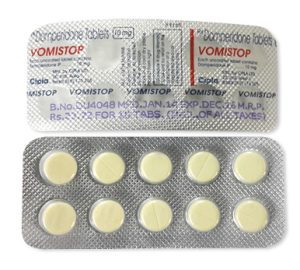
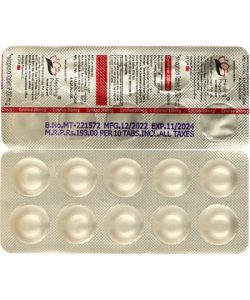
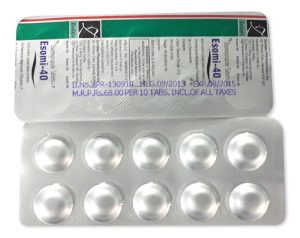
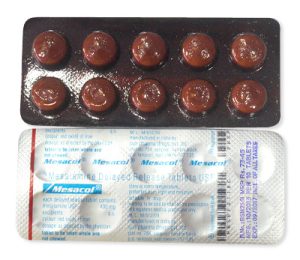
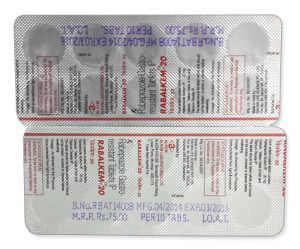
- Use packaging images that display foil blister protection to remind patients to check intact foil on arrival.
- Include collapsible visual blocks for mobile users to view price details, ordering flow and safety icons without leaving the product page.
Delivery Across Australia
City Region Delivery Time Sydney New South Wales 9–14 days Melbourne Victoria 9–14 days Brisbane Queensland 9–14 days Perth Western Australia 9–14 days Adelaide South Australia 9–14 days Hobart Tasmania 9–14 days Darwin Northern Territory 9–14 days Canberra Australian Capital Territory 9–14 days Gold Coast Queensland 9–14 days Newcastle New South Wales 9–14 days Wollongong New South Wales 9–14 days Geelong Victoria 9–14 days Cairns Queensland 14–21 days Townsville Queensland 14–21 days Buying & Storage Advice
What should customers check when the parcel arrives and how should rabeprazole be stored at home?
In‑Store Vs Online Purchase Tips In Australia
Confirm the prescription matches the strength and pack size—10 mg versus 20 mg enteric‑coated tablets—before accepting supply.
Inspect blister foil for intact seals and check expiry dates on arrival.
Order only from accredited pharmacies that accept telehealth e‑prescriptions for secure supply; for rural customers select delivery options with temperature control if available.
Storage In Australian Household Conditions (Heat/Humidity)
Store below 25°C and protect from moisture and light; avoid humid bathroom cabinets where foil blisters can be exposed to repeated humidity cycles.
When travelling in hot Australian summers, transport in an insulated pouch for short periods to avoid heat degradation.
Do Don’t Store tablets in original blister until use Keep tablets in the bathroom or near a sink Keep below 25°C and away from direct sunlight Expose to freezing or very high temperatures Check foil integrity and expiry on arrival Use tablets with damaged packaging
- Buyer Checklist On Arrival: correct strength, intact foil, original packaging, expiry date and returns policy for damaged goods.
Guidelines For Proper Use
How should pharmacists structure counselling and follow‑up for patients starting rabeprazole?
Pharmacist Guidance In Australia
Verify indication and intended duration against current guidelines and document the prescription in the patient record.
Counsel on timing (usually before meals), administration (swallow enteric tablet whole) and common side effects to expect.
Review concomitant medicines for interactions where altered gastric pH affects absorption, particularly with certain antifungals and antiretrovirals.
Patient Safety Recommendations
Advise patients about red flags such as severe abdominal pain, bloody stools or unexplained weight loss and recommend GP review if symptoms persist beyond the prescribed treatment duration.
For chronic users schedule periodic review and consider blood tests for magnesium or B12 if clinically indicated.
- Pharmacist Counselling Script: confirm allergies, explain purpose and dosing, warn about common side effects, advise when to seek medical help, set review reminder for 4–8 weeks where appropriate.
- Follow‑Up Template: date of dispense, indication, dose, planned review date, and any monitoring tests required.