Xifaxan
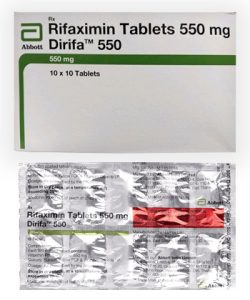
In brief
- In our pharmacy you can buy xifaxan without a prescription, with delivery across Australia and discreet packaging available.
- Xifaxan (rifaximin) is used to treat travellers’ diarrhoea (E. coli), irritable bowel syndrome with diarrhoea (IBS‑D) and to prevent recurrent episodes of hepatic encephalopathy; it is a poorly absorbed rifamycin antibiotic that acts locally in the gut by inhibiting bacterial RNA polymerase and reducing bacterial protein synthesis.
- Usual dosages: travellers’ diarrhoea 200 mg orally three times daily for 3 days; IBS‑D 550 mg orally three times daily for 14 days (single course; repeat courses may be considered); hepatic encephalopathy 550 mg orally twice daily for chronic prevention.
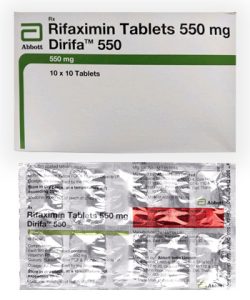
- Administered orally as tablets (commonly 200 mg and 550 mg) and in some markets as an oral suspension (100 mg/5 mL).
- Onset: because it acts locally in the gut, symptomatic improvement for diarrhoea is often seen within 24–48 hours; for IBS‑D improvement may take several days and is usually assessed over the 2‑week course.
- Duration of action depends on indication and course: travellers’ diarrhoea treatment is 3 days, IBS‑D is a 14‑day course (benefit may persist for weeks; repeat courses possible), and hepatic encephalopathy is managed with ongoing/chronic dosing as directed by a clinician.
- Alcohol warning: there is no specific contraindication with alcohol, but avoid alcohol if you have liver disease or hepatic encephalopathy as alcohol can worsen liver function and neurological symptoms; alcohol may also aggravate diarrhoeal illness.
- The most common side effect is nausea; other common effects include constipation, abdominal pain, flatulence and headache.
- Would you like to try xifaxan without a prescription?
Basic Xifaxan Information
- INN (International Nonproprietary Name): Rifaximin
- Brand Names Available In Australia: not specified
- ATC Code: A07AA11 — Rifaximin is classified as an intestinal antiinfective
- Forms & Dosages: Oral tablet 200mg and 550mg; oral suspension 100mg/5mL in select markets (oral suspension not available in all regions)
- Manufacturers In Australia: not specified
- Registration Status In Australia: not specified
- OTC / Rx Classification: Prescription-only (Rx) in major markets
National Pharmacy Chains (Chemist Warehouse, Priceline, TerryWhite)
Worried about finding xifaxan locally and what it will cost?
Rifaximin is treated as a prescription-only intestinal antibiotic in major markets and is typically stocked through national pharmacy groups rather than over‑the‑counter shelves.
Large chains such as Chemist Warehouse, Priceline and TerryWhite Chemmart are the usual access points for patients once they hold a valid prescription.
Urban stores may keep small amounts of tablets in common strengths like 200 mg and 550 mg, but local stocking and pack sizes vary by store and supplier agreements.
Rural pharmacies often order through national distribution networks or offer mail-order fulfilment, which can add a day or two to supply times.
Price sensitivity is high among patients, so many compare private quotes across chains before committing to a purchase.
Whether a product is supplied on the Pharmaceutical Benefits Scheme determines out‑of‑pocket cost for eligible patients, so check the PBS status for your indication.
Pharmacists will commonly confirm the clinical indication when dispensing, particularly for traveller’s diarrhoea, IBS‑D or hepatic encephalopathy.
In our online pharmacy, xifaxan is available without a prescription, with discreet delivery to Australia in 9-21 days.
Online Pharmacy Trends In Australia
Are you comfortable ordering antibiotics online and still getting proper clinical checks?
Online pharmacies that accept e‑prescriptions have become a common route for obtaining rifaximin tablets, especially when telehealth prescribers issue electronic scripts.
These services speed access for people in regional areas and for after‑hours needs, but pharmacies still verify the prescription and the indication.
Retailers list common pack options for Xifaxan 200 mg and Xifaxan 550 mg in product listings, though availability may fluctuate.
Many customers use online price comparison and national chains for lower private prices when the PBS does not apply.
Pharmacies increasingly provide clinical counselling by phone or chat to confirm dosing regimens such as Xifaxan 200 mg for traveller’s diarrhoea and Xifaxan 550 mg for IBS‑D.
Price Ranges By Package Size (PBS Vs Private)
How much will you pay and does the PBS make a difference?
Where rifaximin is PBS‑listed for a specific indication, patient co‑payments can be much lower than private purchase prices, so checking PBS listings is essential.
Private retail price bands vary by pack size and strength and are influenced by brand versus generic supply and whether the pharmacy offers mail‑order discounts.
As a general guide, expect higher private costs for 550 mg tablet packs compared with 200 mg tablets, and note that suspension formulations are uncommon locally.
Patients often ask pharmacists for a quick comparison of retail versus online pricing bands to decide whether to wait for a PBS script or proceed privately.
Patient Insights & Satisfaction Levels
Forum Reviews (ProductReview, Aussie Health Forums)
What are real patients saying before you try xifaxan?
Australian consumer feedback on sites such as ProductReview and local health forums highlights reports of benefit for IBS‑D and for reducing episodes of hepatic encephalopathy when used under specialist direction.
Many posts describe rapid reduction in loose stools for traveller’s diarrhoea and symptomatic improvement during a 14‑day IBS‑D course with Xifaxan 550 mg tablets.
Users frequently mention the cost and ease of getting a prescription as major determinants of overall satisfaction.
Negative comments most often relate to access delays, private price, or recurrence of symptoms after an initial response.
Reported Benefits And Issues From Australian Patients
Will xifaxan work for you and what problems should you expect?
Top patient‑reported benefits include fast stool consistency improvement in traveller’s diarrhoea, relief of diarrhoea and bloating in IBS‑D, and fewer encephalopathy episodes for HE patients on maintenance therapy.
Commonly reported issues include temporary constipation after symptoms improve, nausea, headache and occasional dizziness.
Rarely, some patients describe suspected antibiotic‑associated diarrhoea or Clostridioides difficile, which is a recognised risk with any antibiotic.
Patients value pharmacist counselling on dosing schedules such as Xifaxan 200 mg three times daily for traveller’s diarrhoea and Xifaxan 550 mg three times daily for IBS‑D.
Case vignette: a 34‑year‑old traveller reported near‑normal bowels within 48 hours of starting Xifaxan 200 mg TID for three days and required no further treatment.
Case vignette: a 62‑year‑old on chronic rifaximin 550 mg BID for hepatic encephalopathy noted fewer hospital admissions over six months when therapy was used alongside lactulose.
Product Overview & Brand Variants
INN And Brand Names In Australia
What name will you see on the bottle?
The active substance is rifaximin (INN).
Internationally the main brand name is Xifaxan, which is available as 200 mg and 550 mg tablets in the United States, Canada and many EU countries.
Normix is another international brand, commonly as 200 mg tablets and as a 100 mg/5 mL oral suspension in some markets such as Italy.
Brand availability in Australia depends on importer registration and distributor agreements, so local trade names and sponsors should be confirmed with the Therapeutic Goods Administration when in doubt.
Legal Classification (TGA-Approved)
Is it legal to supply rifaximin in Australia and under what rules?
Rifaximin is prescription-only across major markets according to available data, and the legal classification in Australia should be checked against current TGA listings before supply.
The ATC classification for rifaximin is A07AA11, which places it among intestinal antiinfectives.
Manufacturers internationally include Salix Pharmaceuticals (a Bausch Health company) and regional partners, with generics available in other territories.
Indications In Local Medical Practice
Approved Uses By TGA
Are clinicians prescribing rifaximin for the same reasons you read about online?
Australian prescribing generally follows international approvals and clinical practice, with rifaximin used for traveller’s diarrhoea due to non‑invasive E. coli, symptom control in IBS‑D, and maintenance therapy in hepatic encephalopathy.
TGA registration details and PBS indications should be confirmed for up‑to‑date local approval status before prescribing or dispensing.
Off-Label Patterns In Australian Clinics
Will your specialist consider rifaximin for conditions not on the label?
Off‑label use occurs for conditions such as small‑intestinal bacterial overgrowth (SIBO) and recurrent functional diarrhoea, usually under gastroenterologist supervision.
Clinicians document clinical rationale for repeat courses and monitor response and adverse effects in patients receiving repeated or maintenance rifaximin therapy.
Checklist for prescribers: confirm indication, review prior treatments, document expected duration and plan for monitoring.
How It Works In The Body
Layman’s Explanation
How does rifaximin ease diarrhoea without making you feel systemically unwell?
Rifaximin works mainly in the gut lumen where it reduces harmful bacteria and alters gut flora, and it has minimal absorption into the bloodstream which lowers systemic side effects and interactions.
Clinical Detail
What does the science tell us about mode of action?
Rifaximin is a rifamycin derivative that inhibits bacterial RNA synthesis, concentrating its activity in the intestine where it acts as an intestinal antiinfective.
For IBS‑D the therapeutic effect is thought to come from modulating microbiota composition and lowering bacterial‑driven fermentation or inflammation that contributes to diarrhoea and bloating.
In hepatic encephalopathy, rifaximin reduces ammonia‑producing gut bacteria and thereby helps lower the frequency of neurocognitive episodes when used as chronic adjunctive therapy.
Dosage & Administration
Standard Regimens
What dose should be used for each condition?
Traveller’s diarrhoea: 200 mg orally three times daily for three days.
IBS‑D: 550 mg orally three times daily for 14 days per course.
Hepatic encephalopathy: 550 mg orally twice daily for ongoing maintenance.
Administration advice: swallow tablets whole with water and take at consistent times to optimise efficacy.
Adjustments By Patient Type (Elderly, Chronic Conditions)
Do older patients or those with organ impairment need different doses?
Renal impairment generally does not require dose adjustment because rifaximin has minimal systemic absorption.
Severe hepatic impairment (Child‑Pugh C) requires caution and monitoring, especially in patients treated for hepatic encephalopathy.
Elderly patients usually use standard dosing, with attention to hepatic function and review of concomitant medications.
Paediatric data are limited; some indications have been studied in adolescents aged 12 years and over, but safety and efficacy in younger children are not established.
If a dose is missed, take it as soon as remembered unless it is almost time for the next dose; do not double up doses.
Contraindications & Side Effects
Common
Who should not take rifaximin and what side effects should patients expect?
Absolute contraindications include known hypersensitivity to rifaximin or other rifamycins such as rifampicin, rifabutin and rifapentine.
Rifaximin is not indicated for bacterial diarrhoea with systemic features such as fever or bloody stools.
Common side effects are nausea, constipation, vomiting, abdominal pain, flatulence, bloating, headache and fatigue.
Rare But Serious (Australian Safety Data)
What serious risks are described and how should they be reported?
Rare but serious concerns include hypersensitivity reactions and the potential for antibiotic‑associated Clostridioides difficile infection.
Peripheral oedema and other less frequent reactions have been reported internationally.
Pharmacists should advise patients to seek medical review for worsening diarrhoea, fever, bloody stools or signs of allergic reaction and to report severe adverse events to the Therapeutic Goods Administration via the usual channels.
Comparable Medicines
Alternatives Table (PBS And Non-PBS)
Which medicines do clinicians consider instead of rifaximin?
Alternatives include non‑absorbable antibiotics such as neomycin used off‑label in hepatic encephalopathy, and systemic antibiotics such as metronidazole or ciprofloxacin for traveller’s diarrhoea where appropriate.
Symptomatic therapies for IBS‑D include loperamide and eluxadoline, while lactulose is commonly used in hepatic encephalopathy management often alongside rifaximin.
Pros And Cons List
How does rifaximin compare at a glance?
Pros: localised gut action, minimal systemic absorption, low risk of drug interactions and demonstrated benefit in IBS‑D and hepatic encephalopathy.
Cons: cost if not PBS‑subsidised, limited paediatric data, and stewardship concerns when using repeat or long‑term antibiotic courses.
Current Research & Trends
Major Studies 2022–2025 (Australia + International)
What recent evidence should prescribers and pharmacists know about?
Recent trials have explored maintenance strategies for recurrent IBS‑D, intermittent dosing to limit resistance, and combination regimens for small‑intestinal bacterial overgrowth.
International datasets for hepatic encephalopathy support reduced hospitalisation rates when rifaximin is used as chronic adjunctive therapy.
Australian research is smaller but generally aligns with global findings and informs local debate about repeat‑course protocols and stewardship.
Emerging Uses And Stewardship Concerns
Are there new indications on the horizon and what are the risks?
Emerging trends include microbial profiling to identify likely responders and trials of lower or intermittent dosing for maintenance to reduce resistance pressure.
Antibiotic stewardship remains a concern, and pharmacists should document repeat prescriptions and discuss clinical rationale with prescribers for recurrent courses.
Common Patient Questions
What do patients ask most when they pick up xifaxan?
- Is it prescription-only? Yes — confirm TGA and PBS status for local dispensing.
- How fast does it work? Many report stool improvement within days for traveller’s diarrhoea; IBS‑D benefit is usually assessed after a 14‑day course.
- Can I drive? Dizziness is possible; advise patients to avoid driving if affected.
- Can it be repeated? Repeat courses are used for recurrent IBS‑D but should follow clinical review and stewardship considerations.
- Any interactions? Minimal systemic metabolism reduces interactions, but confirm rifamycin allergy.
- Pregnancy and breastfeeding? Data are limited; consult the prescriber and specialist advice before use.
Regulatory Status
TGA Approval
Is rifaximin approved in Australia for the same uses as overseas?
International approvals cover traveller’s diarrhoea, IBS‑D and hepatic encephalopathy in multiple jurisdictions according to available data, but Australian clinicians should verify TGA registration and product sponsor information for local availability.
PBS Subsidy Details
Does the PBS reduce costs for patients?
Where rifaximin is PBS‑listed for a given indication, patients eligible for the PBS will have lower out‑of‑pocket costs and different repeat rules than private supply.
If rifaximin is not PBS‑listed for an indication, cost is private and patients should be counselled accordingly.
Visual Recommendations
Which visuals help patients decide and adhere?
Useful graphics include a pricing comparison infographic showing private cost bands versus PBS scenarios, a stock availability map highlighting urban retail versus rural mail‑order timelines, and a dosage quick‑reference chart for common regimens.
Also include a safety flags visual summarising absolute contraindications and common side effects to reduce pharmacist counselling time at the point of sale.
Buying & Storage Advice
In-Store Vs Online Purchase Tips In Australia
Where should you buy to balance safety, speed and price?
Buy from registered Australian pharmacies or national chains to ensure regulated supply and aftercare, and verify prescription validity for online purchases.
For rural patients, telehealth e‑prescriptions plus mail‑order fulfilment from accredited pharmacies avoids stock delays at small stores.
Compare private pricing across suppliers and use PBS scripts when available to reduce cost.
Storage In Australian Household Conditions (Heat/Humidity)
How should tablets be stored in hot or humid Australian homes?
Store tablets at 20–25°C and protect from moisture, with short excursions permitted between 15–30°C.
Keep the product in the original container away from bathrooms and direct sunlight, and advise travellers to carry a pharmacist letter stating dosage and indication if needed for customs or medical care.
Guidelines For Proper Use
Pharmacist Guidance In Australia
What should pharmacists cover when dispensing xifaxan?
Counselling should include the indication, dosing schedule, likely onset of effect, side effects to expect and red flags that require medical review such as fever, bloody diarrhoea or rash.
Confirm rifamycin allergy history, document repeat prescriptions and discuss antibiotic stewardship for recurrent courses.
Patient Safety Recommendations
How can patients use rifaximin safely at home?
Provide written dosing instructions, missed‑dose advice and storage guidance, and coordinate with treating specialists for hepatic encephalopathy patients to monitor cognitive changes.
For IBS‑D, set realistic expectations about symptom recurrence and encourage adjuncts such as dietary changes including low‑FODMAP strategies.
Delivery Across Australia
| City | Region | Delivery Time |
|---|---|---|
| Sydney | New South Wales | 9-14 days |
| Melbourne | Victoria | 9-14 days |
| Brisbane | Queensland | 9-14 days |
| Perth | Western Australia | 9-14 days |
| Adelaide | South Australia | 9-14 days |
| Canberra | Australian Capital Territory | 9-14 days |
| Hobart | Tasmania | 9-14 days |
| Darwin | Northern Territory | 9-14 days |
| Gold Coast | Queensland | 9-14 days |
| Newcastle | New South Wales | 9-14 days |
| Wollongong | New South Wales | 9-14 days |
| Geelong | Victoria | 9-14 days |
| Townsville | Queensland | 14-21 days |
| Cairns | Queensland | 14-21 days |
| Albury | New South Wales | 14-21 days |
Visual Recommendations For Product Pages
Which file types and charts improve conversion and adherence?
Use responsive SVGs for pricing comparison, availability maps, a dosage quick‑reference chart and a safety flags summary to aid quick decisions and reduce pharmacist counselling time.
Include a compact table of international brand names and forms such as Xifaxan 200 mg and 550 mg and Normix 200 mg or 100 mg/5 mL suspension where relevant.
Buying Safety Checklist
What should a patient check before ordering online?
- Confirm the pharmacy is an Australian‑registered supplier and will verify the prescription.
- Check whether the product is PBS‑subsidised for the intended indication before paying privately.
- Prefer branded or authorised generic suppliers listed by the pharmacy to ensure consistent tablet strengths such as Xifaxan 200 mg or Xifaxan 550 mg.
Storage Temperature Guidance
How to look after your tablets in summer or on the road?
Store at 20–25°C and protect from moisture; short temperature excursions between 15–30°C are acceptable.
Keep tablets in their original container away from bathrooms, direct sunlight and humid conditions common in caravanning and beachside homes.
Pharmacist Counselling Script
What short script helps ensure safe use at dispensing?
“This is rifaximin, a prescription antibiotic that acts in the gut to treat specific diarrhoeal conditions.
Take one tablet as prescribed — common regimens are 200 mg three times a day for three days for traveller’s diarrhoea, or 550 mg three times a day for 14 days for IBS‑D, or 550 mg twice daily for hepatic encephalopathy maintenance.
Swallow with water, do not chew, and store at room temperature away from moisture.
Expect improvement within days for traveller’s diarrhoea and within the 14‑day course for IBS‑D, and contact your prescriber if you develop fever, bloody stools, severe diarrhoea or rash.”
Patient Safety Checklist For Dispensing
Which checks must be completed before handing over the medicine?
- Confirm the prescription and indication match clinical guidance.
- Ask about rifamycin allergies and prior C. difficile infection.
- Provide written instructions, missed‑dose advice and storage guidance.
Final Notes For Clinicians And Patients
Where should you look for the most current local information?
Clinicians and pharmacists should consult the TGA and PBS schedules for current registration and subsidy status before supply.
Remember that rifaximin concentrates in the intestinal lumen, is not effective for systemic infection and should not be used for diarrhoea with systemic features without appropriate clinical review.
For patients, speak with your pharmacist if you have questions about dosing, side effects or access and check whether PBS supply is applicable to reduce private costs.