
Hypertension
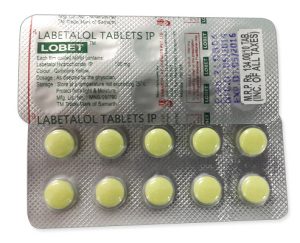
Trandate
from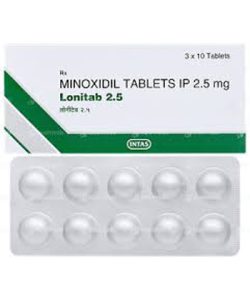
Minoxidil
from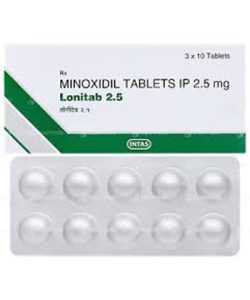
Loniten
from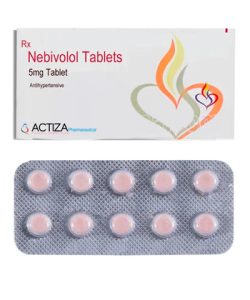
Bystolic
from
Telmisartan
from
Lopressor
from
Coreg
from
Micardis
from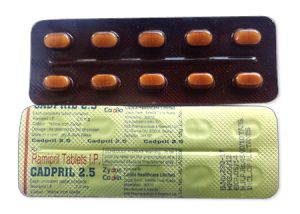
Altace
from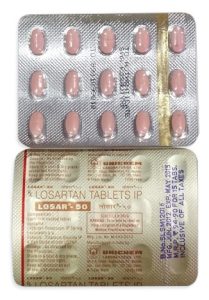
Cozavan
from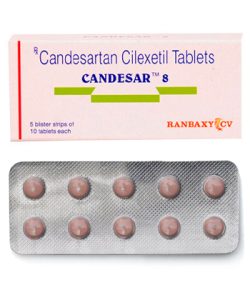
Atacand
from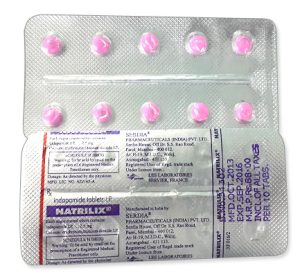
Lozol
from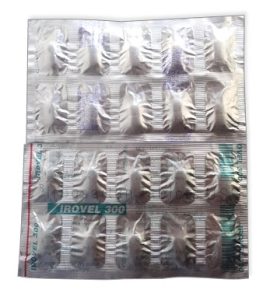
Irbesartan
from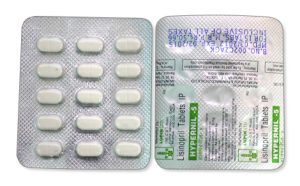
Lisinopril
from
Calan Sr
from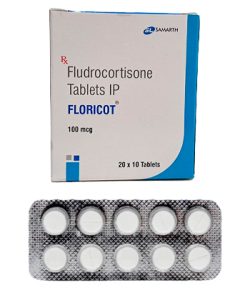
Florinef
fromUnderstanding High Blood Pressure
High blood pressure, or hypertension, is a common condition affecting millions of Australians. It occurs when the force of blood pushing against artery walls is consistently too high, typically measured at 140/90 mmHg or above. This silent condition often develops without noticeable symptoms, making regular check-ups essential for early detection and management.
The condition can lead to serious health complications including heart disease, stroke, and kidney damage if left untreated. Blood pressure is influenced by various factors including age, genetics, lifestyle choices, and underlying health conditions. Understanding your blood pressure readings is the first step toward effective management and reducing your cardiovascular risk.
Causes and Risk Factors
Several factors contribute to the development of hypertension. Primary hypertension, the most common type, develops gradually over time without an identifiable cause, though genetics play a significant role. Secondary hypertension results from underlying conditions such as kidney disease, thyroid problems, or sleep apnoea.
Lifestyle factors significantly impact blood pressure levels. Excessive salt intake, sedentary behaviour, obesity, and high alcohol consumption increase hypertension risk. Chronic stress and poor diet quality also contribute to elevated readings. Additionally, smoking damages blood vessel walls, making the heart work harder to pump blood effectively. Age and family history are non-modifiable risk factors that increase susceptibility to this condition.
Available Medications in Australia
Australia’s pharmaceutical market offers various effective hypertension treatments. Your GP will recommend medications based on your individual health profile and response to treatment. The main categories of medications include:
- ACE inhibitors like enalapril and lisinopril work by relaxing blood vessels and reducing resistance, serving as popular first-line treatments
- Angiotensin II receptor blockers (ARBs) including losartan and valsartan provide similar benefits to ACE inhibitors with fewer side effects for some patients
- Beta-blockers such as atenolol and metoprolol reduce heart rate and cardiac output, effectively lowering blood pressure
- Calcium channel blockers like amlodipine and diltiazem relax blood vessel muscles, improving blood flow
- Diuretics including hydrochlorothiazide help reduce sodium and fluid retention, decreasing blood volume and pressure
Many Australian patients benefit from combination therapy, using two or more medications for better control. Common combinations include ACE inhibitor with diuretic, or ARB with calcium channel blocker. Your healthcare provider will determine the most suitable medication based on your individual circumstances and treatment response.
Lifestyle Management and Prevention
Lifestyle modifications form the foundation of hypertension management alongside medication. Regular physical activity, aiming for at least 150 minutes of moderate-intensity exercise weekly, significantly reduces blood pressure. Activities like walking, swimming, and cycling are excellent choices for most Australians and can be easily incorporated into daily routines.
Dietary changes are crucial for blood pressure control. The DASH diet, emphasising fruits, vegetables, whole grains, and low-fat dairy products, has proven effective in reducing hypertension. Limiting sodium intake to less than 2,300mg daily helps prevent fluid retention and pressure elevation.
Weight management is particularly important for overweight individuals. Losing even 5-10 per cent of body weight can produce noticeable blood pressure reductions. Stress management techniques including meditation, yoga, and relaxation exercises help lower cortisol levels and reduce tension-related pressure spikes.
Limiting alcohol consumption to recommended levels benefits overall blood pressure control. Avoiding smoking and excessive caffeine intake further supports healthy blood pressure maintenance. Sleep quality matters too, with seven to nine hours nightly recommended for optimal cardiovascular health.
Monitoring and Regular Check-ups
Regular blood pressure monitoring is essential for effective hypertension management. Home blood pressure monitors allow Australians to track readings between medical appointments, providing valuable data for their healthcare providers. Consistent monitoring helps identify patterns and assess medication effectiveness over time.
Annual check-ups with your GP ensure proper disease management and medication review. Healthcare providers assess for potential complications and adjust treatments as necessary. Regular appointments also monitor kidney function and electrolyte levels, which some medications affect.
During check-ups, discuss any side effects experienced with current medications. Your doctor may adjust dosages or recommend alternative treatments to improve tolerability whilst maintaining effectiveness. Blood pressure targets typically aim for below 140/90 mmHg, though individual targets may vary based on age and other health conditions.
Home monitoring helps identify “white coat hypertension,” where readings spike in clinical settings but remain normal at home. Conversely, it can reveal masked hypertension, where readings appear normal at appointments but remain elevated at home. This information guides treatment decisions and helps prevent unnecessary medication adjustments.
When to Seek Medical Attention
Certain symptoms warrant immediate medical attention. Severe headaches, chest pain, shortness of breath, or vision changes may indicate hypertensive crisis requiring emergency treatment. These symptoms suggest dangerously high blood pressure readings needing urgent intervention.
Contact your GP if you experience persistent side effects from medications, as alternatives are available. Unexplained dizziness, fatigue, or weakness during treatment should be evaluated promptly. These symptoms may indicate medication dosage issues or other underlying conditions requiring assessment.
If home blood pressure readings consistently exceed 180/120 mmHg despite medication, seek medical advice immediately. Similarly, new or worsening symptoms despite treatment warrant professional evaluation. Regular communication with your healthcare team ensures safe, effective hypertension management throughout your treatment journey.