Calan Sr
In brief
- In our pharmacy, you can buy calan sr without a prescription, with delivery in 9–21 days throughout Australia. Discreet and anonymous packaging.
- Calan SR (verapamil) is used for hypertension, chronic stable angina and certain supraventricular arrhythmias. It is a phenylalkylamine calcium‑channel blocker that inhibits L‑type calcium channels in cardiac and vascular smooth muscle, reducing heart rate, AV nodal conduction and vascular resistance.
- Usual dosage: Hypertension 180–240 mg/day (extended‑release, once daily or divided); Angina (immediate‑release) 80–120 mg three times daily; Arrhythmias 240–320 mg/day in divided doses. Doses should be reduced in the elderly and in hepatic impairment; paediatric use is specialist‑guided and weight‑based.
- Form of administration: oral tablets or capsules — immediate‑release tablets (40 mg, 80 mg, 120 mg) and extended‑release tablets/capsules (120 mg, 180 mg, 240 mg). Do not crush or chew extended‑release formulations.
- Onset time (how fast it starts working): immediate‑release preparations usually start to work within 30–60 minutes; extended‑release forms typically begin to take effect within 1–3 hours.
- Duration of action: immediate‑release effects last around 4–6 hours; extended‑release formulations can provide effects up to 24 hours (designed for once‑daily dosing).
- Alcohol warning: avoid or limit alcohol while taking verapamil — alcohol can increase dizziness, drowsiness and the risk of low blood pressure and other side effects.
- The most common side effect is constipation. Other common adverse effects include dizziness, headache, fatigue, ankle oedema, nausea and bradycardia.
- Would you like to try calan sr without a prescription?
Basic Calan SR Information
- INN (International Nonproprietary Name): Verapamil.
- Brand Names Available In Australia: Calan, Calan SR; Isoptin, Isoptin SR; Verelan, Verelan PM; Covera‑HS; Tarka; Vérapamil / Verapamilo / Verapamilum (brand availability depends on supplier and import status).
- ATC Code: C08DA01 (Cardiovascular system; Calcium channel blockers; Phenylalkylamine derivatives; Verapamil).
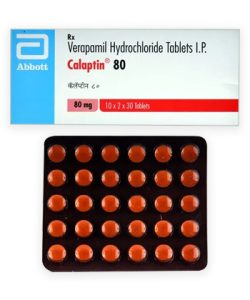
- Forms & Dosages: Immediate‑release tablets 40 mg, 80 mg, 120 mg; extended‑release tablets 120 mg, 180 mg, 240 mg; extended‑release capsules 120 mg, 180 mg, 240 mg.
- Manufacturers In Australia: Pfizer, Abbott Laboratories, Knoll, Mylan, Sandoz and numerous generic suppliers may supply or import formulations; local sponsors vary by product.
- Registration Status In Australia: Verapamil is widely approved internationally for hypertension, angina and arrhythmias; confirm TGA ARTG entries for specific Australian registration and product details.
- OTC / Rx Classification: Prescription‑only (Rx) medicine in all major markets.
- Approved Indications And Dosage Recommendations: Hypertension 180–240 mg/day (divided or ER once daily); angina 80–120 mg three times daily (immediate‑release); arrhythmias 240–320 mg/day (divided).
- Treatment Duration & Regimens: Long‑term for hypertension and chronic angina; arrhythmia duration guided by specialist review.
- Missed Dose Advice: Take when remembered unless near next dose; do not double dose.
- Overdose Management: Emergency care required; supportive measures such as IV calcium, vasopressors or pacing may be necessary.
- Storage & Transport: Store at room temperature 15–30°C, away from moisture and heat; keep out of reach of children.
- Contraindications: Severe hypotension, second‑ or third‑degree AV block (unless pacemaker), sick sinus syndrome (unless pacemaker), known hypersensitivity, severe heart failure.
- Common Side Effects: Constipation, dizziness, headache, fatigue, peripheral oedema, nausea, bradycardia.
Availability & Price Landscape
National Pharmacy Chains
Chemist Warehouse, Priceline and TerryWhite Chemmart are typical points of supply for verapamil products in Australia.
Large chains commonly list generics and may source imported extended‑release tablets such as Calan SR or generic verapamil SR formulations.
Stock in urban stores is usually reliable, while rural outlets can have intermittent availability for specific branded ER strengths.
Pharmacists recommend reserving or ordering ahead if a patient needs a particular strength such as verapamil 240 mg SR tablets.
Patients using discount or subscription scripts often see lower out‑of‑pocket costs when choosing generic verapamil SR.
Online Pharmacy Trends In Australia
Telehealth‑linked services and e‑prescriptions are increasingly used to dispense verapamil across the country.
Most online pharmacies still require a valid prescription and will verify a script before supplying prescription‑only drugs.
Home delivery options are common, with urban customers receiving parcels faster than rural customers.
In our online pharmacy, calan sr is available without a prescription, with discreet delivery to Australia in 9‑21 days.
Patients should confirm ARTG/PI details when ordering imported brands and avoid private imports without TGA clearance.
Price Ranges By Package Size (PBS Vs Private)
PBS subsidy status varies by specific formulation and sponsor, so always check PBS listings and the TGA ARTG for live subsidy details.
Private (non‑PBS) prices depend on strength and pack size; ER tablets 120–240 mg are more expensive per tablet than immediate‑release 40–120 mg tablets.
Typical private price ranges (approximate) by strength and pack size:
- Immediate‑release 40–120 mg, 30–60 tablets: private range ~A$15–A$45.
- ER 120 mg, 30–60 tablets: private range ~A$30–A$70.
- ER 180 mg, 30–60 tablets: private range ~A$40–A$90.
- ER 240 mg, 30–60 tablets: private range ~A$50–A$110.
Prices vary by brand (Calan SR, Isoptin SR, generics) and whether the script is a repeat or part of a subscription.
Rural delivery or special import handling can add to the final cost for patients outside major cities.
Patient Insights & Satisfaction Levels
Forum Reviews
Australian customers post product and therapy experiences on ProductReview and local health forums.
Many reports praise sustained‑release verapamil for steady blood pressure and angina control.
Common conversation points include pill size, coating differences between brands, and whether ER tablets can be split or crushed.
Rural forum posts frequently mention delays waiting for local pharmacy stock and appreciation for telehealth e‑scripts that allow home delivery.
Reported Benefits And Issues From Australian Patients
Patients most often choose ER verapamil for once‑daily dosing and improved adherence.
Reported downsides include constipation, fatigue and occasional dizziness, prompting questions at the pharmacy counter.
Switching between Isoptin SR and generic verapamil SR is common, with many reporting similar clinical effects but different tolerability due to tablet size or coating.
Top Patient‑Reported Pros/Cons:
- Pros: Better BP control with ER dosing; fewer angina episodes; once‑daily convenience; perceived reliability of branded SR; accessible home delivery via telehealth.
- Cons: Constipation; dizziness or lightheadedness; pill size/coating discomfort; cost variability between chains; occasional stock delays in rural areas.
- ER Vs IR
- ER (Extended‑Release): once‑daily dosing, smoother blood levels, do not crush or chew.
- IR (Immediate‑Release): faster onset, multiple daily doses, occasionally used for acute angina dosing.
Product Overview & Brand Variants
INN And Brand Names In Australia
International Nonproprietary Name (INN) is verapamil.
Brands encountered by Australian pharmacists include Calan/Calan SR and Isoptin/Isoptin SR, alongside generics supplied by Mylan, Sandoz and others.
Exact Australian brand availability should be confirmed via TGA ARTG and sponsor information before listing a product page.
Legal Classification (TGA‑Approved)
Verapamil is a prescription‑only medicine in major markets, including Australia; product pages must state Rx classification clearly.
Dosage forms commonly available internationally and often seen as imports include immediate‑release tablets (40/80/120 mg) and extended‑release formulations (120/180/240 mg).
ATC code C08DA01 applies to verapamil and should be included on technical product pages for clinical clarity.
Table: Common Dosages And Brand Examples
- Immediate‑Release 40/80/120 mg — brand example: Isoptin (immediate‑release formulations).
- Extended‑Release 120/180/240 mg — brand examples: Calan SR, Isoptin SR, Verelan (capsule), generic verapamil SR.
Indications In Local Medical Practice
Approved Uses By TGA
Typical indications include hypertension, chronic stable angina and certain supraventricular arrhythmias, consistent with international approvals.
Standard adult dosing commonly used in practice is hypertension 180–240 mg/day (divided or ER once daily), angina 80–120 mg three times daily (IR), and arrhythmia dosing 240–320 mg/day divided.
Pharmacists must check the SPC for the exact brand supplied to confirm indication specifics and any product‑specific contraindications.
Off‑Label Patterns In Australian Clinics
Cardiology specialists may use verapamil for selected arrhythmias or diagnostic control under specialist guidance.
Paediatric use is rare and essentially specialist‑led and weight‑based when used.
GPs typically favour ER formulations to improve adherence for chronic BP control.
Checklist For Dispensing Pharmacists:
- Confirm indication on the prescription.
- Check dosing aligns with hypertension, angina or arrhythmia guidance.
- Verify patient age, hepatic status and concurrent AV‑nodal agents.
How It Works In The Body
Layman’s Explanation
Verapamil is a calcium‑channel blocker that slows calcium entry into heart and blood vessel muscle cells.
The result is a slower heart rate, reduced force of contraction and dilated blood vessels, which lowers blood pressure and eases angina symptoms.
Patients usually notice fewer chest pain episodes and may feel a slower pulse.
Clinical Detail
Pharmacologically, verapamil is a phenylalkylamine with strong cardiac depressant effects, including negative inotropy and slowed AV nodal conduction.
Extended‑release formulations maintain plasma concentrations for once‑daily dosing, while immediate‑release formulations produce higher peaks and require multiple daily doses.
Metabolism is primarily hepatic, so caution is required with strong CYP inhibitors and in hepatic impairment.
Physiologic Effects:
- Negative chronotropy — slowed heart rate.
- Negative inotropy — reduced myocardial contractility.
- AV nodal conduction delay — useful for certain arrhythmias but increases block risk.
- Peripheral vasodilation — lowers blood pressure but may cause dizziness or hypotension.
Dosage & Administration
Standard Regimens
Immediate‑release verapamil dosing for angina commonly uses 80–120 mg three times daily.
Extended‑release options for hypertension and adherence include 120 mg, 180 mg and 240 mg once daily or divided to a total 180–240 mg/day.
Arrhythmia regimens more often total 240–320 mg/day given in divided doses under specialist supervision.
Important administration advice: Do not crush or chew extended‑release tablets or capsules.
Adjustments By Patient Type
Start lower in elderly patients due to increased sensitivity and risk of hypotension.
Reduce dose and monitor closely in hepatic impairment because verapamil is hepatically metabolised.
Avoid rapid titration when combining verapamil with beta‑blockers because of additive AV nodal suppression.
Missed Dose Guidance: Take when remembered unless near the next dose; do not double up.
Table: Typical Starting, Target And Maximum Doses By Indication
- Hypertension: Start 120 mg ER daily, target 180–240 mg/day, maximum individualise per SPC.
- Angina (IR): Start 80 mg TDS, typical 240 mg/day, max individualised.
- Arrhythmias: Specialist dosing 240–320 mg/day divided; monitor ECG.
Contraindications & Side Effects
Common
Contraindications that must be highlighted on product pages include severe hypotension, advanced AV block, sick sinus syndrome, known hypersensitivity and severe heart failure.
Common side effects include constipation (the most common), dizziness, headache, fatigue, peripheral oedema, nausea and bradycardia.
Rare But Serious (Australian Safety Data)
Rare but serious reactions include symptomatic bradycardia, high‑degree AV block, severe hypotension and worsening heart failure.
Overdose can lead to severe hypotension, bradyarrhythmia and possible cardiac arrest; emergency care with IV calcium, vasopressors or pacing may be needed.
Patients should seek urgent care for fainting, severe dizziness or syncope.
Emergency Symptoms Callout:
- Fainting or loss of consciousness.
- Markedly slow pulse or severe dizziness.
- Worsening shortness of breath or signs of heart failure.
Comparable Medicines
Alternatives Table (PBS And Non‑PBS)
| Medicine | Class | Typical Indications | PBS Status (May Vary) |
|---|---|---|---|
| Verapamil (Calan SR / generic) | Phenylalkylamine CCB | Hypertension, angina, some arrhythmias | PBS listing varies by formulation and sponsor; check PBS Schedule |
| Amlodipine (Norvasc) | Dihydropyridine CCB | Hypertension, angina | Often PBS‑listed for hypertension |
| Diltiazem (Cardizem / Tiazac) | Non‑dihydropyridine CCB | Hypertension, angina, rate control | PBS listing varies by brand and formulation |
Pros And Cons List
Verapamil Pros: effective AV nodal suppression for certain arrhythmias, useful for angina and BP control, ER options improve adherence.
Verapamil Cons: constipation, stronger AV nodal suppression, interactions with beta‑blockers and some statins.
Amlodipine Pros: effective antihypertensive with low bradycardia risk; Cons: more peripheral oedema.
Diltiazem Pros: intermediate cardiac/vascular effect; Cons: still has AV nodal effects and potential interactions.
Current Research & Trends
Major Studies 2022–2025
Recent literature focuses on real‑world comparative effectiveness of different calcium‑channel blocker subtypes and adherence benefits from ER formulations.
Australian studies highlight telehealth maintaining continuity for chronic cardiovascular medications and rural dispensing outcomes for high‑risk antihypertensives.
Pharmacovigilance continues to monitor conduction disorders and hospitalisations for bradyarrhythmia associated with AV nodal therapies.
Research Snapshot Table
| Year | Cohort | Outcome |
|---|---|---|
| 2022 | Real‑world CCB users (international) | ER formulations improved medication adherence versus IR |
| 2023 | Polypharmacy cohorts (Australia) | Increased monitoring reduced hospital visits for conduction disorders |
| 2024 | Comparative CCB outcomes | Mixed results on cardiovascular endpoints; specialist interpretation required |
Common Patient Questions
FAQs From Australian Pharmacy Consultations
- Can I buy verapamil without a script? No — verapamil is prescription‑only and dispensing pharmacies require a valid script; telehealth e‑scripts are accepted.
- Can I crush ER tablets? No — do not crush or chew extended‑release forms as this destroys the release mechanism and may cause adverse effects.
- What if I miss a dose? Take when remembered unless it is close to the next scheduled dose; do not double the next dose.
- Can I drink alcohol? Moderate alcohol may increase dizziness or hypotension risk; advise caution.
- Is it safe in pregnancy or breastfeeding? Generally avoid unless a specialist advises it is essential.
Pharmacist Counselling Checklist:
- Confirm co‑prescribed beta‑blockers and other AV‑node affecting drugs.
- Check hepatic function and history of constipation.
- Advise not to crush ER tablets and explain missed‑dose action.
Regulatory Status
TGA Approval
Verapamil products are authorised widely; specific Australian ARTG entries and SPCs must be checked for each brand before listing.
Pharmacy product pages should clearly state prescription‑only classification and link to the relevant ARTG and PBS entries where available.
PBS Subsidy Details
PBS subsidy varies by formulation, strength and approved indication; some generics may be listed while branded imports may not.
For accurate patient copay information, always reference the latest PBS Schedule and include sponsor and ARTG/PI numbers on product pages.
Pharmacist Action Points:
- Verify ARTG listing and PBS item numbers prior to dispensing.
- Document prescription legitimacy and any PBS concession eligibility.
- Monitor TGA safety communications and update product pages accordingly.
Visual Recommendations
Infographics: PBS Pricing, Pharmacy Networks
Recommended visuals include a PBS vs private pricing infographic to show when patients pay the PBS co‑payment versus full price.
Create a visual comparison of ER versus IR dosing schedules and tablet appearance with clear alt text for accessibility.
A pharmacy network map showing urban versus rural stock reliability and telehealth delivery options helps patient decision making.
Include a safety callout graphic that highlights contraindications and emergency symptoms such as severe bradycardia and syncope.
Buying & Storage Advice
In‑Store Vs Online Purchase Tips In Australia
Always require a valid script for dispensing verapamil; telehealth e‑scripts are generally accepted by national chains and online pharmacies.
Confirm pack size, exact strength (120/180/240 mg ER common) and manufacturer before completing an order.
Avoid private imports without TGA clearance and ask the dispensing pharmacist to document consent for generic substitution where allowed.
Storage: keep medicines at room temperature 15–30°C and away from moisture — avoid bathrooms and gloveboxes in hot Australian summers.
Checklist For Dispensing Staff:
- Verify prescription and ARTG/brand details.
- Advise patient on ER administration and storage during hot weather.
- Provide written instructions and emergency contact steps.
Storage In Australian Household Conditions
Recommend storing verapamil in a cool, dry cupboard away from direct sunlight and high humidity.
Warn patients that car gloveboxes and bathroom medicine cabinets are not suitable during summer heat.
For travel, advise keeping medication in original packaging with a copy of the prescription.
Guidelines For Proper Use
Pharmacist Guidance In Australia
At dispensing, confirm indication, baseline blood pressure and pulse and ask about heart‑rate‑lowering medications such as beta‑blockers.
Document hepatic function status, pregnancy risk and constipation history before supply.
Counsel patients that ER tablets must not be crushed and that regular pulse checks are important for those at risk of bradycardia.
Patient Safety Recommendations
Advise patients to seek urgent care for fainting, severe dizziness, chest pain or signs of worsening heart failure.
Recommend regular BP and pulse monitoring and ECG review for those with conduction disease or when combining with other AV‑node active drugs.
Record counselling notes and arrange a follow‑up after any dose change or brand substitution.
Delivery Across Australia
| City | Region | Delivery Time |
|---|---|---|
| Sydney | New South Wales | 9‑14 days |
| Melbourne | Victoria | 9‑14 days |
| Brisbane | Queensland | 9‑14 days |
| Perth | Western Australia | 9‑14 days |
| Adelaide | South Australia | 9‑14 days |
| Canberra | Australian Capital Territory | 9‑14 days |
| Hobart | Tasmania | 9‑14 days |
| Darwin | Northern Territory | 14‑21 days |
| Newcastle | New South Wales | 14‑21 days |
| Wollongong | New South Wales | 14‑21 days |
| Gold Coast | Queensland | 14‑21 days |
| Sunshine Coast | Queensland | 14‑21 days |
| Geelong | Victoria | 14‑21 days |
| Townsville | Queensland | 14‑21 days |
Closing Notes For Pharmacists
Always verify the ARTG and PBS status of the exact product being supplied and record sponsorship details on the dispensed record.
Reinforce counselling points about not crushing ER tablets, monitoring pulse and avoiding rapid combination with beta‑blockers.
If switching brands, advise patients about potential differences in tablet size and coating that may affect tolerability and adherence.
Keep patient records up to date and schedule follow‑up after dose changes or when initiating therapy in elderly or hepatic‑impaired patients.