Microzide
In brief
- In our pharmacy, you can buy microzide without a prescription, with delivery across Australia in 9–21 days and discreet, anonymous packaging.
- Microzide (hydrochlorothiazide) is used to treat hypertension and oedema; it is a thiazide diuretic that inhibits the sodium–chloride transporter in the distal renal tubule, increasing excretion of sodium and water and lowering blood pressure.
- Usual doses: for hypertension 12.5–25 mg once daily; for oedema 25–100 mg daily in one or two divided doses (dose individualised by response and patient factors).
- Form of administration: oral (capsules or tablets; powder for suspension formulations also exist).
- Onset time: effect typically begins at around 2 hours after dosing.
- Duration of action: roughly 24 hours for antihypertensive/diuretic effect.
- Alcohol warning: avoid excessive alcohol—it can increase dizziness, orthostatic hypotension and dehydration when taking microzide.
- The most common side effect is increased urination (polyuria); other common effects include dizziness, muscle cramps and electrolyte disturbances such as low potassium.
- Would you like to try microzide without a prescription?
Availability & Price Landscape
Basic Microzide Information
- INN (International Nonproprietary Name): Hydrochlorothiazide (INN: Hydrochlorothiazidum).
- Brand Names Available In Australia: Not specified.
- ATC Code: C03AA03, Thiazide Diuretics, Plain.
- Forms & Dosages: Capsules 12.5 mg; Tablets 12.5 mg, 25 mg, 50 mg; powder for suspension — oral route.
- Manufacturers In Australia: Not specified.
- Registration Status In Australia: Not specified.
- OTC / Rx Classification: Prescription Only (Rx).
National Pharmacy Chains (Chemist Warehouse, Priceline, TerryWhite)
Worried whether your usual chain will stock hydrochlorothiazide or the brand microzide?
Microzide as a brand is primarily a United States product, and is uncommon on Australian shelves.
Generic hydrochlorothiazide tablets are the form most commonly supplied in Australia according to available product information.
Chemist Warehouse and Priceline commonly list generic hydrochlorothiazide products and may be able to order specific brands by request.
TerryWhite and independent community pharmacies typically keep prescription stock on hand and provide dosage counselling at collection.
Rural or remote stores may need 24–72 hours to obtain a specific brand or pack size, depending on supplier lead times.
Always check with the dispensing pharmacist about substitution options and whether a specific manufacturer’s pack is required by the prescriber.
- Price comparison tip: Check PBS subsidy eligibility before paying private prices.
- Price comparison tip: Ask about generic substitution to lower cost.
- Price comparison tip: Use pharmacy price‑match or discount chains if cost is a concern.
| Purchase Route | Pack Size | Price Range |
|---|---|---|
| PBS Subsidised Supply | Common packs (30 / 100) | Not specified |
| Private Purchase | 30 tablets / 100 tablets | Not specified |
Online Pharmacy Trends In Australia
Are online scripts and telehealth changing how Australians get hydrochlorothiazide?
Telehealth prescriptions and registered online pharmacies have increased convenience for ongoing antihypertensive therapy.
Patients frequently compare PBS‑subsidised versus private prices when ordering online, and many choose discount chains for generics to save money.
When importing a branded product like Microzide, verify the supplier and that any import complies with TGA rules for personal importation.
Generic hydrochlorothiazide is widely available and typically easier to source through Australian channels than US‑market brand imports.
Check that online suppliers are TGA‑registered or an Australian licensed pharmacy before placing an order.
Patient Insights & Satisfaction Levels
Forum Reviews (ProductReview, Aussie Health Forums)
What do other Australians say about hydrochlorothiazide on forums?
Patient threads on ProductReview and health forums often highlight effective blood‑pressure lowering with hydrochlorothiazide when used as prescribed.
Many posts describe an initial increase in urination and occasional dizziness when starting therapy, with symptoms settling after a few days.
Reviewers frequently praise pharmacist counselling and telehealth follow‑ups that helped with dose adjustments or switch to a better tolerated generic.
Forum discussions often compare different generics for tolerability rather than brand name differences, since most people receive generic tablets in Australia.
Rural posters commonly note access delays and the value of community pharmacy advice when supplies are limited.
Reported Benefits And Issues From Australian Patients
Which benefits and side effects do patients report most often?
Top reported benefits include measurable morning reductions in blood pressure and fewer episodes of peripheral oedema in patients with fluid retention.
Commonly reported issues are increased urination, muscle cramps attributed to electrolyte changes, photosensitivity and occasional orthostatic lightheadedness.
Patients appreciate reminders from pharmacists about having potassium and renal function checked after initiation or dose change.
Urban patients often cite cost savings from discount chains, while rural patients value continuity of care from their local pharmacist despite occasional order delays.
- Top 5 Patient‑Reported Pros: Effective BP lowering, reduced oedema, once‑daily dosing, low cost (generic), clear pharmacist counselling.
- Top 5 Patient‑Reported Cons: Increased urination, dizziness on standing, muscle cramps, photosensitivity, need for blood tests.
Product Overview & Brand Variants
INN And Brand Names In Australia
Are there many brand choices for hydrochlorothiazide locally?
The active ingredient is Hydrochlorothiazide (INN: Hydrochlorothiazidum), a standard thiazide diuretic.
Microzide is primarily a US brand and is less common in Australia, where supplies are usually generic hydrochlorothiazide tablets or capsules.
Common strength options in product listings include 12.5 mg, 25 mg and 50 mg formulations available as tablets or capsules.
Combination products pairing hydrochlorothiazide with ACE inhibitors or ARBs are also commonly used and may appear on PBS lists.
Legal Classification (TGA‑Approved)
Is hydrochlorothiazide regulated here?
Hydrochlorothiazide preparations are prescription‑only medicines under standard regulatory arrangements and require a valid prescription to supply.
Certain combination products are listed on the PBS when clinical criteria are met, but check the product insert or ARTG entry for sponsor details.
| Brand Variant | Strengths | Pack Sizes |
|---|---|---|
| Generic Hydrochlorothiazide | 12.5 mg, 25 mg, 50 mg | 10s, 28s, 30s, 100s (varies) |
| Microzide | 12.5 mg | Not specified (US packaging common) |
| Combination Products (e.g., ARB/HCTZ) | Varied (low‑dose HCTZ element) | Not specified |
- INN
- Hydrochlorothiazide (Hydrochlorothiazidum)
- ATC Code
- C03AA03
Indications In Local Medical Practice
Approved Uses By TGA
What are Australian prescribers using hydrochlorothiazide for?
TGA‑aligned indications mirror international guidance: hypertension and peripheral oedema due to cardiac, hepatic or renal causes.
Onset of diuretic action is around two hours, peak about four hours and duration approximately 24 hours, supporting once‑daily dosing for many patients.
For hypertension, low‑dose therapy is commonly used and reviewed regularly for effect and safety.
Off‑Label Patterns In Australian Clinics
Are there off‑label uses GPs sometimes consider?
Off‑label use may include adjunctive therapy for certain nephrotic‑range oedemas or low‑dose combination strategies to reduce adverse effects.
GPs frequently favour low doses (12.5–25 mg daily) as either initial therapy or add‑on treatment, often combined with ACE inhibitors or ARBs on PBS where appropriate.
- Common Combinations: Losartan/Hydrochlorothiazide, Valsartan/Hydrochlorothiazide, Lisinopril/Hydrochlorothiazide.
- Indications Summary: Hypertension, peripheral oedema, adjunctive fluid‑removal therapy where clinically indicated.
How It Works In The Body
Layman’s Explanation
How does hydrochlorothiazide lower blood pressure and reduce swelling?
Hydrochlorothiazide helps the kidneys remove excess salt and water by blocking reabsorption in the distal tubule of the nephron.
The reduced blood volume leads to lower blood pressure and less fluid in tissues, which eases peripheral oedema.
Effects begin about two hours after a dose, peak near four hours and generally last around 24 hours.
Clinical Detail
What are the pharmacological highlights clinicians track?
Hydrochlorothiazide belongs to ATC class C03AA03 as a thiazide diuretic that reduces intravascular volume and, with chronic use, lowers peripheral resistance.
Because it changes electrolyte balances, clinicians monitor potassium and sodium closely; hypokalaemia and hyponatraemia are common mechanisms behind adverse events.
| Characteristic | Summary |
|---|---|
| Mechanism | Inhibits Na+/Cl− transporter in distal renal tubule, increasing natriuresis and diuresis. |
| Onset / Peak / Duration | Onset ~2 h; Peak ~4 h; Duration ~24 h. |
| Main Monitored Parameters | Serum electrolytes (K+, Na+), renal function (eGFR), blood pressure. |
Dosage & Administration
Standard Regimens
What dose will a GP usually start with?
For adult hypertension, typical dosing is 12.5–25 mg once daily depending on blood pressure and comorbidities.
For oedema the recommended range is 25–100 mg per day, which can be given once daily or divided into two doses for convenience and tolerance.
Low‑dose therapy is common in Australia to limit side effects while maintaining efficacy.
Adjustments By Patient Type (Elderly, Chronic Conditions)
How do clinicians modify dosing for special populations?
Elderly patients should start at the lowest effective dose (often 12.5 mg) with close monitoring for electrolyte imbalance and renal function changes.
Use with caution in renal impairment if eGFR is below 30 mL/min and avoid in anuric patients.
Children require specialist supervision with weight‑based dosing commonly around 1–2 mg/kg.
| Patient Group | Typical Dose |
|---|---|
| Adult Hypertension | 12.5–25 mg once daily |
| Adult Oedema | 25–100 mg daily (1–2 divided doses) |
| Elderly | Start 12.5 mg; monitor electrolytes and renal function |
| Renal Impairment | Use with caution if eGFR <30 mL/min; contraindicated in anuria |
| Children | Specialist dose; often 1–2 mg/kg |
- Monitoring Schedule: Baseline blood tests, recheck at 1–2 weeks after start or dose change, then quarterly or as clinically indicated.
Contraindications & Side Effects
Common
What problems should a patient expect and report?
Common adverse effects include increased urination, dizziness or orthostatic hypotension, headache and dry mouth.
Muscle cramps and photosensitivity are also reported and often relate to electrolyte changes such as low potassium or sodium.
Patients should be counselled to look out for weakness, palpitations or severe cramps and to seek medical review if these occur.
Rare But Serious (Australian Safety Data)
Which situations are red flags for urgent action?
Absolute contraindications include anuria and known hypersensitivity to hydrochlorothiazide or sulfonamide‑derived drugs.
Co‑administration with dofetilide or lithium is contraindicated due to potentially severe interactions.
Serious but less common issues include marked electrolyte disturbances, severe hypotension, gout exacerbation and hepatic encephalopathy risk in severe hepatic impairment.
- Red‑Flag Contraindications: Anuria; hypersensitivity to HCTZ or sulfonamides; concomitant dofetilide or lithium.
- Monitoring Checklist: Baseline electrolytes, eGFR, uric acid if gout history, repeat tests 1–2 weeks after initiation.
Comparable Medicines
Alternatives Table (PBS And Non‑PBS)
What other diuretics might a prescriber choose?
| Medicine | Class | PBS Status | Typical Indication | Notes |
|---|---|---|---|---|
| Chlorthalidone | Thiazide‑like | Not specified | Hypertension | Longer half‑life; different evidence on outcomes vs HCTZ. |
| Indapamide | Thiazide‑like | Not specified | Hypertension | Often used as an alternative with favourable profile in some studies. |
| Furosemide | Loop Diuretic | Not specified | Severe Oedema | Used for significant fluid overload where stronger diuresis is needed. |
| ACEi/ARB + HCTZ Combos | Combination | Many listed on PBS | Hypertension | Useful for low‑dose combination strategies to improve adherence and control. |
Pros And Cons List
Which advantages and drawbacks guide medicine choice?
- HCTZ Pros: Low cost as a generic, once‑daily dosing and long clinical experience in primary care.
- HCTZ Cons: Electrolyte disturbance risk and less natriuretic potency than loop diuretics for major oedema.
- Chlorthalidone/Indapamide Pros: Longer duration in some studies and potential advantages in outcome trials.
- Chlorthalidone/Indapamide Cons: Different side‑effect profiles and less common availability in fixed‑dose combos.
Current Research & Trends
Major Studies 2022–2025 (Australia + International)
What recent evidence affects prescriber choice between thiazides and thiazide‑like drugs?
Recent analyses continue to compare thiazide diuretics such as hydrochlorothiazide with thiazide‑like agents such as chlorthalidone and indapamide for cardiovascular outcomes.
Some pooled data suggest chlorthalidone may provide longer antihypertensive coverage and different event reduction compared with HCTZ, but hydrochlorothiazide remains widely used in primary care.
Ongoing trials and meta‑analyses are reassessing metabolic effects such as impacts on glucose and lipids and longer‑term renal outcomes in varied patient groups.
Clinical And Market Trends In Australia
How are practice and pharmacy markets evolving locally?
There is a clear trend towards low‑dose combination products on the PBS to improve adherence and achieve tighter blood‑pressure control with fewer side effects.
Telehealth prescription renewals and pharmacist‑led monitoring clinics are growing, helping patients stay on therapy and getting blood tests when needed.
Price competition among national pharmacy chains supports generic uptake and helps maintain access to essential antihypertensive medicines.
- Latest Study Highlights: Comparative analyses of HCTZ vs chlorthalidone; ongoing meta‑analyses on metabolic safety (citations not provided in source data).
Common Patient Questions
FAQs From Australian Pharmacy Consultations
What are the top questions patients ask at the pharmacy?
“Can I take HCTZ every day?” — If prescribed for hypertension, the usual instruction is to take it daily as directed by the prescriber.
“Will it make me pee a lot?” — Increased urination is common at the start but often settles after a few days.
“Do I need blood tests?” — Yes; baseline and periodic monitoring of electrolytes and renal function are recommended.
Practical Answers For Travel, Work, And Daily Life
How do patients manage HCTZ on a busy schedule or while travelling?
Take hydrochlorothiazide in the morning to reduce the chance of nocturia when sleeping away from home.
Report dizziness or fainting and avoid sudden position changes if lightheadedness occurs.
Discuss pregnancy intentions with your GP, as hydrochlorothiazide has precautions in pregnancy and should be managed by a prescriber.
- Missed Dose: Take as soon as remembered unless it is near the next scheduled dose; do not double the next dose.
- Overdose Actions: Severe hypotension or electrolyte disturbance warrants urgent emergency care.
- Top 10 FAQs: Daily use, urinary frequency, blood tests, interaction with lithium, pregnancy safety, sun sensitivity, muscle cramps, driving safety, combination therapy, switching generics.
Regulatory Status
TGA Approval
Is hydrochlorothiazide regulated and registered in Australia?
Hydrochlorothiazide products are prescription medicines that must meet regulatory standards to be marketed in Australia.
Check the Australian Register of Therapeutic Goods (ARTG) entry for details about specific brands and sponsors.
PBS Subsidy Details
Are any hydrochlorothiazide products subsidised?
Some hydrochlorothiazide monotherapies and many combination therapies appear on the PBS when clinical criteria are met, affecting patient co‑payments.
Verify current PBS schedule item codes and subsidy status at the time of prescribing or dispensing to confirm out‑of‑pocket costs.
| TGA Coverage | PBS Coverage |
|---|---|
| Prescription‑only status; sponsor and formulation details on ARTG. | Some monotherapies and many ACEi/ARB + HCTZ combinations listed; subsidy depends on item code and clinical indication. |
- Steps To Verify: Search the ARTG for the product name or sponsor; check the PBS schedule for current listings and patient co‑payments.
Visual Recommendations
Which images and graphics make this topic clearer for patients and clinicians?
Suggested infographics include a PBS pricing ladder comparing private versus PBS cost, pack size comparison and a monitoring timeline for blood tests after initiation.
A pharmacy network map showing urban versus rural stock lead times and the telehealth prescription flow is useful for patients organising refills.
Suggested images include product packaging for common generics, a mechanism diagram of renal action and symptom icons for side effects like dizziness or cramps.
| Image Alt Text | Caption |
|---|---|
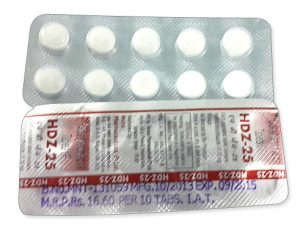
| Generic hydrochlorothiazide tablets in blister pack | Common generic tablet strengths: 12.5 mg, 25 mg, 50 mg. |
| Diagram of kidney nephron showing distal tubule | How thiazide diuretics reduce sodium reabsorption. |
| Monitoring timeline graphic | Baseline tests, 1–2 week check, then routine reviews. |
Buying & Storage Advice
In‑Store Vs Online Purchase Tips In Australia
Where should Australians buy hydrochlorothiazide safely?
Always use a TGA‑registered supplier and present a valid prescription when required.
For cost‑sensitive patients, compare PBS availability, discount chains such as Chemist Warehouse and community pharmacies for the best price.
Confirm whether the pharmacist will substitute a generic and ask for counselling at pickup to review interactions and monitoring.
Note: In our online pharmacy, microzide is available without a prescription, with discreet delivery to Australia in 9-21 days.
Storage In Australian Household Conditions (Heat/Humidity)
How should tablets be stored in an Australian home?
Store hydrochlorothiazide at 20–25°C and protect from excess heat, moisture and light.
Avoid keeping medication in bathrooms or cars where humidity and temperature fluctuations are common.
For liquid formulations, follow the label instructions and avoid freezing.
- Quick Buying Checklist: Verify supplier registration, present prescription, compare PBS vs private price, request pharmacist counselling, check pack expiry date.
Guidelines For Proper Use
Pharmacist Guidance In Australia
What should pharmacists verify at supply?
Pharmacists should confirm the indication, check for drug interactions (notably lithium and dofetilide), counsel on morning dosing and advise on monitoring tests.
Document counselling when supplying off‑label or substituted brands and ensure the patient knows when to see the GP for follow‑up.
Patient Safety Recommendations
Which baseline checks and safety steps are essential?
Baseline tests should include serum electrolytes, eGFR and uric acid and glucose as clinically indicated.
Advise patients on signs of hypokalaemia such as weakness or cramping, symptoms of orthostatic hypotension and the need to avoid prolonged sun exposure if photosensitivity occurs.
| Monitoring Timepoint | Recommended Tests |
|---|---|
| Baseline | Serum electrolytes, eGFR, uric acid, fasting glucose if indicated |
| 1–2 Weeks After Start | Serum electrolytes and eGFR |
| Quarterly | Electrolytes, renal function, blood pressure review |
- Pharmacist Checklist: Verify prescription, reconcile medicines, counsel on dosing/time of day, advise monitoring schedule, flag pregnancy or breastfeeding status.
Delivery Across Australia
| City | Region | Delivery Time |
|---|---|---|
| Sydney | New South Wales | 9–14 days |
| Melbourne | Victoria | 9–14 days |
| Brisbane | Queensland | 9–14 days |
| Perth | Western Australia | 9–14 days |
| Adelaide | South Australia | 9–14 days |
| Canberra | Australian Capital Territory | 9–14 days |
| Hobart | Tasmania | 9–14 days |
| Gold Coast | Queensland | 9–14 days |
| Newcastle | New South Wales | 14–21 days |
| Wollongong | New South Wales | 14–21 days |
| Geelong | Victoria | 14–21 days |
| Cairns | Queensland | 14–21 days |
| Townsville | Queensland | 14–21 days |
| Darwin | Northern Territory | 14–21 days |
| Launceston | Tasmania | 14–21 days |