Calan
In brief
- In some pharmacies and online sellers calan can be obtained without a prescription and delivery to Australia may be offered, but availability varies by supplier and in most countries verapamil (Calan) is officially prescription-only.
- Calan (verapamil) is used for hypertension, angina (including variant/Prinzmetal’s angina) and certain arrhythmias (atrial fibrillation/flutter, PSVT). It is a phenylalkylamine calcium‑channel blocker that inhibits L‑type calcium channels, reducing cardiac contractility, slowing AV nodal conduction and causing arterial vasodilation.
- Usual doses: Hypertension/angina — immediate‑release 80–120 mg by mouth three times daily or extended‑release 180–240 mg once or twice daily; Arrhythmias (IV) — 5–10 mg bolus, may be repeated after ~30 minutes or given per specialist protocol; elderly and those with hepatic/renal impairment should start lower and titrate.
- Forms and administration: oral tablets (40, 80, 120 mg), extended‑release tablets/capsules (120–240 mg), and intravenous solution (commonly 5 mg/2 mL ampoules); administered orally or IV depending on indication.
- Onset time: oral immediate‑release typically 30–60 minutes, IV within minutes; extended‑release formulations may take 1–4 hours to produce full effect.
- Duration of action: immediate‑release ~6–8 hours; sustained/extended‑release formulations typically 12–24 hours depending on product; IV bolus effects are shorter and dose‑dependent.
- Alcohol warning: avoid excessive alcohol — it can increase dizziness, fainting and hypotension when taking verapamil; be cautious especially when starting or changing dose.
- The most common side effect is constipation; other frequent effects include dizziness, headache, ankle oedema, nausea and bradycardia.
- Would you like to try calan without a prescription?
Basic Calan Information
- INN (International Nonproprietary Name): Verapamil
- Brand Names Available In Australia: International brands include Calan (US, discontinued), Calan SR, Isoptin SR, Covera‑HS, Verelan and Verelan PM; generic products labelled simply as “verapamil” are distributed worldwide and may be the form most commonly stocked.
- ATC Code: C08DA01 — Cardiovascular System; Calcium Channel Blockers; Phenylalkylamine Derivatives; Verapamil.
- Forms & Dosages: Tablets 40 mg, 80 mg, 120 mg; Extended‑release tablets 120 mg, 180 mg, 240 mg; Extended‑release capsules 100 mg, 120 mg, 180 mg, 240 mg; Intravenous solution 2.5 mg/mL (5 mg/2 mL ampoules; US formulation).
- Manufacturers In Australia: Local suppliers vary by product and pack; global manufacturers supplying verapamil formulations include Abbott, Pfizer, Mylan, Teva and Sandoz, alongside multiple generic manufacturers.
- Registration Status In Australia: Verapamil formulations are typically prescription‑only (Rx‑only); registration is formulation‑specific and pharmacists must confirm TGA approval for each product presentation.
- Forms & Dosages (Practical Note): ER/SR products are available in higher strengths for once‑ or twice‑daily dosing while IR tablets commonly come in 40–120 mg strengths for thrice‑daily use.
- OTC / Rx Classification: Prescription medicine in most regions; check local listing and PBS eligibility for subsidy details.
Availability & Price Landscape
Looking for Calan or a verapamil alternative and wondering where to shop and what to expect on price?
Major national chains and independent pharmacies generally stock generic verapamil products and ER formulations suitable for long‑term treatment.
Online pharmacies and telehealth e‑prescriptions have become common ways for Australians to access verapamil, and price sensitivity makes comparison shopping routine.
In our online pharmacy, calan is available without a prescription, with discreet delivery to Australia in 9-21 days.
National discount chains such as Chemist Warehouse frequently list competitive private prices for verapamil tablets and ER packs.
Priceline and TerryWhite Chemmart also stock verapamil lines or can order generic packs to the store for collection.
Package size and formulation drive the cost per tablet — ER packs (120 mg or higher) usually cost more per pack but lower per‑day if dosed once daily.
PBS subsidy applies to specific formulations and indications, so private prices for 30/60/90 tablet packs vary widely between PBS and non‑PBS purchases.
Rural customers should factor in delivery fees and possible wait times for specialist prescriptions or stock transfers.
National Pharmacy Chains (Chemist Warehouse, Priceline, TerryWhite)
These chains routinely stock generic verapamil and can order extended‑release packs on request.
Discount listings at large chains often undercut small independents on private pricing for common pack sizes.
Pharmacists at larger chains can also support telehealth prescriptions and repeat dispensing when authorised.
Online Pharmacy Trends In Australia
Telehealth plus electronic prescriptions speed access to prescription medicines for many city patients.
Rural patients still experience delays when specialist approval is required for some arrhythmia or angina treatments.
Price comparison tools and customer review sites influence where patients purchase verapamil tablets and ER formulations.
Price Ranges By Package Size (PBS Vs Private)
PBS listing is formulation‑ and indication‑specific — always check the PBS schedule for current subsidy status.
Private prices vary by pack size and brand; expect higher per‑tablet prices for small 30‑tablet IR packs and better per‑day economics with 60–90 tablet ER packs.
Delivery fees for rural addresses can add to private purchase cost and extend wait times by several days.
Patient Insights & Satisfaction Levels
Patients ask whether verapamil really eases chest pain and calms a fast heart — and whether the side effects are worth it.
Australian forum and ProductReview posts commonly praise verapamil for reducing angina episodes and lowering resting heart rate when the drug is tolerated.
Many patients report improved symptom control after switching to a sustained‑release product such as an ER tablet compared with immediate‑release dosing.
Typical complaints include constipation, dizziness and ankle swelling, which align with known adverse effect profiles.
Price sensitivity and packaging confusion between brand names and generics appear frequently in online feedback.
Rural patients sometimes report delays when specialist prescriptions are needed or when particular packs are out of stock.
Experienced pharmacists recommend trying ER/SR formulations (for example, 120–240 mg ER once or twice daily) to improve adherence and reduce peak‑related side effects.
There are anecdotal reports of excessive bradycardia when verapamil is combined with beta‑blockers, especially in older patients, so slower titration and heart‑rate monitoring is commonly advised.
Forum Reviews (ProductReview, Aussie Health Forums)
Reviews highlight both symptom improvement and practical issues such as price and pharmacy availability.
Users frequently recommend talking with a pharmacist before switching brands to avoid dosing errors between IR and ER products.
Reported Benefits And Issues From Australian Patients
Pros reported include effective rate control in atrial fibrillation and reduced angina frequency on ER formulations.
Cons reported include constipation, dizziness and rare episodes of light‑headedness that affect driving and daily activity.
Product Overview & Brand Variants
People want a clear label: is Calan the same as verapamil and will my local pharmacy stock Verapamil Mylan?
International Nonproprietary Name (INN) is verapamil, and that label appears on most generic packs worldwide.
Branded names in global markets include Calan/Calan SR (US labels, Calan discontinued in the US), Isoptin SR, Verelan and Covera‑HS, while many Australian packs are supplied as generics.
ATC classification is C08DA01, identifying verapamil as a phenylalkylamine calcium channel blocker used in the cardiovascular system.
Available formulations include immediate‑release tablets (40, 80, 120 mg), extended‑release tablets (120, 180, 240 mg), ER capsules (100–240 mg) and IV ampoules for acute use.
Packaging and pack sizes vary by manufacturer and region, so a pharmacist will verify whether a pack is ER or IR when dispensing.
For product pages, include a concise definition list: INN, ATC code, formulations and common strengths to reduce confusion when switching brands.
INN And Brand Names In Australia
Generic verapamil products commonly appear on Australian pharmacy shelves under the INN; branded imports may be available through special order.
Legal Classification (TGA‑Approved)
Verapamil formulations are prescription‑only medicines and are subject to TGA registration for marketed presentations.
Indications In Local Medical Practice
Which conditions do Australian GPs and cardiologists treat with verapamil and when is specialist input expected?
TGA‑aligned indications for verapamil include hypertension, angina pectoris (including variant or Prinzmetal’s angina) and supraventricular arrhythmias such as atrial fibrillation/flutter and PSVT.
Oral ER formulations are favoured for chronic hypertension and angina, while IV verapamil is reserved for acute arrhythmia management under monitored conditions.
Off‑label but observed uses include rate control in persistent atrial fibrillation where beta‑blockers are unsuitable or poorly tolerated, typically managed in consultation with cardiology services.
Specialist guidance is usually sought for IV dosing or when combining verapamil with other rate‑control agents.
Absolute contraindications include severe hypotension, advanced AV block without a pacemaker and severe left ventricular dysfunction, and these should be flagged at dispensing.
Approved Uses By TGA
TGA approvals mirror standard uses: blood‑pressure control, angina symptom management and rate control in certain supraventricular arrhythmias.
Off‑Label Patterns In Australian Clinics
Clinicians may use verapamil cautiously in selected AF patients when beta‑blockers are unsuitable, and cardiologists monitor for interactions and conduction effects.
How It Works In The Body
Patients ask: how does verapamil calm a racing heart or ease chest pain?
In plain terms, verapamil blocks calcium entry into heart and blood‑vessel muscle cells, which relaxes blood vessels, reduces the heart’s workload and slows electrical conduction through the AV node.
As a phenylalkylamine calcium channel blocker, verapamil has a relatively strong effect on cardiac conduction and contractility compared with dihydropyridine CCBs.
Extended‑release and sustained‑release formulations smooth plasma concentrations and reduce peak‑related side effects such as dizziness or large drops in blood pressure.
Clinically, verapamil produces negative chronotropic (slower heart rate) and negative inotropic (reduced contractility) effects that can worsen heart failure in susceptible patients.
Pharmacokinetic considerations include CYP3A4 inhibition with potential interactions with statins, certain immunosuppressants and other CYP3A4 substrates.
Layman’s Explanation
Verapamil relaxes the blood vessels and slows the heartbeat so the heart works less hard and chest pain is reduced.
Clinical Detail
Blockade of L‑type calcium channels in myocardium and AV node reduces conduction velocity and contractile force, explaining both therapeutic effects and conduction‑related adverse events.
Dosage & Administration
Patients want to know dosing for daily life: how many milligrams, how often and what to do if a dose is missed.
Typical adult regimens for hypertension or angina are IR 80–120 mg three times daily or ER/SR 180–240 mg once or twice daily, depending on the formulation and prescriber instructions.
For acute arrhythmia control in hospital settings, IV dosing is commonly 5–10 mg IV bolus with the option to repeat after 30 minutes under monitoring.
Paediatric dosing is specialist‑determined and not suited to routine community dispensing without specialist instruction.
Elderly patients and those with hepatic or renal impairment require lower starting doses and slower titration due to increased sensitivity and reduced clearance.
Dispensing labels must clearly state IR versus ER, dosing frequency and missed‑dose advice: take when remembered unless the next dose is near, and do not double doses.
Monitor pulse and blood pressure at baseline and after dose changes, and arrange ECG monitoring if conduction disease is suspected or when combining with other rate‑lowering agents.
Standard Regimens
IR: 80–120 mg three times daily; ER: 180–240 mg once or twice daily; IV: 5–10 mg bolus for acute arrhythmia with monitoring.
Adjustments By Patient Type (Elderly, Chronic Conditions)
Start low and titrate slowly in elderly, and adjust dosing in hepatic or renal impairment with close monitoring for bradycardia and hypotension.
Contraindications & Side Effects
What must be checked before dispensing, and when should a patient seek immediate care?
Absolute contraindications include severe hypotension (systolic blood pressure under 90 mmHg), sick sinus syndrome or second/third‑degree AV block without a pacemaker, severe left ventricular dysfunction or cardiogenic shock, and known hypersensitivity to verapamil or excipients.
Common side effects are constipation, dizziness, headache, nausea and fatigue, with dose‑dependent bradycardia and peripheral oedema reported.
Serious events that require urgent care include symptomatic AV block, marked hypotension, syncope or worsening heart‑failure symptoms.
Australian practice emphasises baseline pulse and blood pressure checks before initiation, repeat checks after dose changes and ECG assessment where conduction disease is suspected.
Pharmacists should screen for interacting medicines such as beta‑blockers, digoxin and statins and counsel patients on when to seek emergency care.
Common
Constipation, dizziness, headache, nausea, fatigue and peripheral swelling are frequently reported.
Rare But Serious (Australian Safety Data)
AV block, severe hypotension, syncope and heart‑failure exacerbation are less common but clinically significant and require urgent assessment.
Comparable Medicines
Patients often ask whether amlodipine or diltiazem would be better than verapamil for their condition.
Alternatives within the calcium channel blocker class include amlodipine, diltiazem and nifedipine, each with different cardiac versus vascular selectivity.
Amlodipine is a once‑daily dihydropyridine with potent vasodilatory effects and a higher likelihood of peripheral oedema but minimal negative inotropy.
Diltiazem offers an alternative for rate control in atrial fibrillation with somewhat less negative inotropy than verapamil in some settings.
Nifedipine is vasoselective and useful for hypertension and angina where reflex tachycardia management is possible with other agents.
Pros for verapamil include reliable AV nodal blockade and established ER formulations for adherence; cons include constipation, stronger negative inotropy and frequent drug interactions via CYP3A4.
When creating product pages, include a comparison table that highlights dosing frequency, PBS status and patient suitability for each alternative.
Alternatives Table (PBS And Non‑PBS)
Pharmacists should list drug, PBS flag, typical indication and dosing convenience; for example, amlodipine once daily versus verapamil ER once or twice daily.
Pros And Cons List
Verapamil: pros — effective AV nodal control, ER options; cons — constipation, interactions, negative inotropy.
Current Research & Trends
Patients and clinicians want to know what scientists are studying about verapamil right now.
Recent research priorities include optimising rate control in atrial fibrillation, comparing calcium channel blockers with beta‑blockers for symptom control, and assessing safety in patients with multimorbidity and polypharmacy.
Pharmacokinetic studies continue to look at formulation bioequivalence between branded ER products and generics, with a practical focus on minimising peak‑related side effects.
Australian cardiology registries and clinics emphasise real‑world monitoring data and telehealth models for long‑term cardiovascular disease management.
Product pages should avoid making definitive trial claims without citations and instead provide a short “what’s being studied” box with an invitation to request up‑to‑date references from a pharmacist or clinician.
For patients, practical takeaways from current trends include the importance of monitoring when changing brands and consulting cardiology for complex rhythm management.
Major Studies 2022–2025 (Australia + International)
Active study areas include rate control strategy comparisons, safety of CCBs in heart‑failure populations and formulation bioequivalence trials.
Common Patient Questions
Here are quick answers to the questions pharmacists hear most from Australians about verapamil.
Is verapamil on the PBS?
PBS listing depends on the formulation and indication; pharmacists should check the current PBS schedule or dispensing software at point of sale.
Can I drive on verapamil?
If you experience dizziness or syncope, avoid driving until your response is stable and you have discussed this with your prescriber.
What if I miss a dose?
Take the missed dose as soon as remembered unless it is near the next scheduled dose; do not double up.
Can it be combined with beta‑blockers?
Combining verapamil and beta‑blockers increases the risk of bradycardia and AV block and should only be done under close medical supervision.
Pregnancy and breastfeeding?
Use only if the benefits outweigh risks; consult the maternity care team and prescribing clinician before use.
Switching brands?
Confirm ER vs IR formulation and equivalent strength with the pharmacist to avoid dosing errors when switching between brands.
FAQs From Australian Pharmacy Consultations
Provide quick, pharmacist‑ready counselling points and a printable summary for patients starting verapamil.
Regulatory Status
Where does verapamil sit with Australian regulators and subsidy programs?
Verapamil is generally a prescription‑only medicine and TGA registration is required for marketed formulations in Australia.
Equivalent regulatory approvals exist in other jurisdictions such as the US FDA and European regulators for oral and IV uses of branded and generic products.
PBS subsidisation depends on the specific formulation, indication and current listing on the PBS schedule, so pharmacists should verify eligibility at the point of sale.
For international shoppers, confirm national registration and prescription status before ordering.
Regulatory facts to show on product pages include INN, ATC code (C08DA01) and Rx‑only classification.
Customers with questions about TGA status or PBS subsidy should be directed to speak with the dispensing pharmacist for the most current information.
TGA Approval
TGA registration is formulation‑specific and pharmacies must dispense against a valid prescription for Rx‑only presentations.
PBS Subsidy Details
Subsidy varies by formulation and indication; check the PBS online search or clinical software to confirm entitlements.
Visual Recommendations
Good visuals make it easier for patients and clinicians to understand differences between IR and ER products and when to seek help.
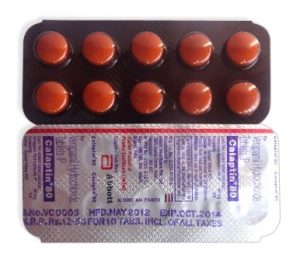
Include a product visual block that clearly shows formulation types: IR tablets (40/80/120 mg), ER tablets (120/180/240 mg), ER capsules (100–240 mg) and IV ampoules.
Design assets should include an infographic comparing dosing schedules for IR versus ER with recommended timings and adherence tips.
A side‑by‑side table showing common side effects and red‑flag symptoms helps patients know when to contact emergency services.
Provide a simple map or icon set indicating national pharmacy chains (Chemist Warehouse, Priceline, TerryWhite Chemmart) and telehealth availability, with a note about rural delivery timing.
Use accessible colour coding for contraindication badges and an at‑a‑glance checklist visual for pharmacists to print and attach to the dispensing label.
Infographics: PBS Pricing, Pharmacy Networks
Suggested visuals: PBS vs private price bar charts, a dosing timing graphic and a contraindication badge for quick reference.
Buying & Storage Advice
Where can Australians buy verapamil and how should it be stored at home, especially in hot or humid conditions?
Verapamil is dispensed on prescription in most settings, but private purchase routes include community pharmacies, major chains and accredited online pharmacies that can link with telehealth prescribers.
Price shop across Chemist Warehouse, Priceline and independents while checking PBS entitlements to see if subsidy applies to your formulation.
For IV formulations, hospital or specialist supply channels manage acquisition rather than community purchase.
Storage recommendations: store tablets at room temperature between 15–30°C and protect from light and humidity.
Avoid leaving tablets in hot cars or bathrooms during Australian summers, and consider pharmacist‑supplied airtight containers for travel.
IV ampoules and opened solutions should be used immediately or discarded as per hospital protocols.
In‑Store Vs Online Purchase Tips In Australia
Confirm product formulation (ER vs IR) when ordering online to avoid receiving the wrong dosing schedule.
Storage In Australian Household Conditions (Heat/Humidity)
Keep verapamil in a cool, dry place out of direct sunlight and avoid temperature extremes that can degrade tablets or packaging.
Delivery Across Australia
| City | Region | Delivery Time |
|---|---|---|
| Sydney | New South Wales | 9-14 days |
| Melbourne | Victoria | 9-14 days |
| Brisbane | Queensland | 9-14 days |
| Perth | Western Australia | 9-14 days |
| Adelaide | South Australia | 9-14 days |
| Canberra | Australian Capital Territory | 9-14 days |
| Hobart | Tasmania | 9-14 days |
| Darwin | Northern Territory | 9-14 days |
| Gold Coast | Queensland | 9-14 days |
| Newcastle | New South Wales | 9-14 days |
| Wollongong | New South Wales | 9-14 days |
| Geelong | Victoria | 9-14 days |
| Cairns | Queensland | 14-21 days |
| Townsville | Queensland | 14-21 days |
| Bendigo | Victoria | 14-21 days |
Guidelines For Proper Use
What should pharmacists check at dispensing and what should patients do to stay safe while taking verapamil?
Pharmacist checklist: confirm the indication (hypertension, angina, arrhythmia), verify ER versus IR formulation and confirm the prescribed dose and administration times.
Check baseline pulse and blood pressure and arrange ECG review if conduction disease is suspected or if the patient has prior arrhythmia history.
Review concomitant medicines for interactions, especially beta‑blockers, digoxin and statins, and counsel on the CYP3A4 inhibition risk.
Advise patients on constipation management, orthostatic precautions and what to do if they feel faint or notice very slow heart rate.
Titrate slowly in elderly patients and those with hepatic or renal impairment, and never stop verapamil abruptly without medical advice because of rebound hypertension or angina risk.
Provide a printed counselling checklist and a pocket “quick‑start” card summarising dose times, common side effects and emergency symptoms to watch for.
Pharmacist Guidance In Australia
Confirm formulation, check drug interactions and counsel on monitoring and when to seek urgent care.
Patient Safety Recommendations
Carry a medication list, monitor pulse and blood pressure, avoid abrupt cessation and seek immediate care for syncope, chest pain or fainting.