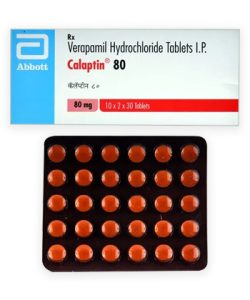
Addos Xr
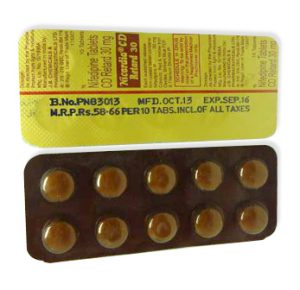
In stock
10mg · 20mg · 30mg
from A$39.14
In brief
- In our pharmacy, you can buy addos xr without a prescription; available over the counter with Australia‑wide delivery and discreet packaging.
- Addos xr contains nifedipine and is used to treat hypertension and angina (including vasospastic angina). It is a dihydropyridine calcium‑channel blocker that inhibits L‑type calcium channels in vascular smooth muscle, causing vasodilation and reduced cardiac workload and blood pressure.
- Usual dosage: for hypertension and chronic stable angina start with a 30 mg extended‑release tablet once daily; maintenance commonly 60–90 mg once daily, with a typical maximum of 90 mg/day. Immediate‑release forms (10–20 mg) are used less commonly for acute settings. Paediatric dosing (specialist use) is approximately 0.25–0.5 mg/kg/day.
- Form of administration: oral tablets—extended‑release (commonly 30 mg, 60 mg, 90 mg), modified‑release and immediate‑release capsules/tablets are also available.
- Onset time: extended‑release formulations usually begin to take effect within about 30–60 minutes with noticeable blood pressure reduction within 1–2 hours; immediate‑release forms can start working within 10–30 minutes.
- Duration of action: extended‑release formulations provide effect for roughly 24 hours (suitable for once‑daily dosing); immediate‑release products typically last around 4–6 hours.
- Alcohol warning: avoid excessive alcohol while taking addos xr — alcohol can amplify blood‑pressure lowering effects and increase dizziness and fainting risk.
- The most common side effect is headache (other frequent effects include flushing, peripheral oedema, dizziness/lightheadedness, fatigue and nausea).
- Would you like to try addos xr without a prescription?
Availability And Price Landscape
Basic Addos Xr Information
- INN (International Nonproprietary Name): Nifedipine
- Brand Names Available In Australia: not specified
- ATC Code: C08CA05
- Forms & Dosages: Extended-release tablets 30 mg, 60 mg, 90 mg; immediate-release capsules 10 mg, 20 mg; modified-release tablets 20 mg, 30 mg, 60 mg.
- Manufacturers In Australia: not specified
- Registration Status In Australia: not specified
- OTC / Rx Classification: Prescription-only medicine (Rx)
Where do Australians actually get nifedipine and what will it cost them?
Nifedipine products such as Adalat family formulations and generics are prescription-only in most jurisdictions according to the product information in this file.
National pharmacy chains commonly dispense nifedipine prescriptions in Australia through their retail outlets and online storefronts.
Major chains you will see represented on price-comparison lists include Chemist Warehouse, Priceline and TerryWhite Chemmart.
Urban customers often shop discount chains such as Chemist Warehouse or Priceline for lower private prices on nifedipine ER packs.
Rural patients commonly rely on local independent pharmacies or mail-order services that accept e-prescriptions from telehealth providers.
Extended-release dosing is commonly 30 mg, 60 mg and 90 mg, consistent with international product forms.
PBS coverage depends on the exact formulation and listed indication, and subsidy and pack sizes vary by product.
Private-script price guidance in Australia commonly ranges from around AU$15 for small generic packs up to AU$60 or more for larger or branded packs.
Discount chains typically undercut private prices, while independents may price closer to pharmacy wholesaler margins.
Wait times vary: urban in-store pick-up is often same day, chain online orders typically dispatch within 1–3 business days, and rural mail-order can take longer depending on courier schedules.
For regional planning, consider a comparison table listing in-store versus online prices, availability by chain, and likely wait times when advising customers.
When customers search for Addos XR or Adalat nifedipine extended release they will commonly compare ER strengths and pack sizes before choosing a supplier.
National Pharmacy Chains (Chemist Warehouse, Priceline, TerryWhite)
Chemist Warehouse, Priceline and TerryWhite Chemmart are common dispensing points for cardiovascular prescriptions nationwide.
Chemist Warehouse often advertises lower private prices for generics and branded ER formulations, and will list pack sizes and strengths online.
Priceline may offer loyalty discounts and private-script deals on nifedipine tablets and modified-release products.
TerryWhite Chemmart and independent pharmacy networks typically provide pharmacist counselling at point of supply and may offer home delivery services.
Stock holdings vary by outlet and strength, so ring ahead for the ER 30 mg, 60 mg or 90 mg pack you need.
Online Pharmacy Trends In Australia
Australian e-pharmacies increasingly accept e-prescriptions and provide nationwide delivery for prescription medicines.
Telehealth consultations linked to e-prescriptions are a common pathway to getting a nifedipine script filled electronically.
Online pricing tends to be competitive, particularly for generics listed as nifedipine ER or Nifedipine CR on pharmacy sites.
Customers should confirm ARTG sponsor and pharmacy accreditation when buying online and avoid overseas vendors that do not supply ARTG-listed products.
Price Ranges By Package Size (PBS Vs Private)
Private-script price ranges in Australia are influenced by brand, pack size and whether the product is ER or IR.
Smaller generic ER packs can be priced from low-mid teens in Australian dollars, while branded or larger packs may exceed AU$60 privately.
PBS subsidy eligibility varies by formulation and indication, so some patients will pay a reduced co-payment only where the product and indication are listed.
Regional pricing differences exist and discount chains frequently undercut private prices for equivalent strengths such as 30 mg or 60 mg ER tablets.
Patient Insights And Satisfaction Levels
What do Australians say online about long-acting nifedipine?
Forum feedback and ProductReview entries show two main themes: effective blood pressure and angina control, and predictable tolerability issues at initiation.
Many users specifically report improved day-to-day blood pressure stability on extended-release products like nifedipine ER formulations.
Once-daily dosing is frequently praised for convenience compared with multiple-dose regimens.
Commonly reported downsides mirror clinical side-effect profiles, with peripheral oedema, flushing and headaches mentioned most often.
Patient-reported experiences are useful but always need clinical context from a pharmacist or prescriber.
Forum Reviews (ProductReview, Aussie Health Forums)
ProductReview threads about Addos XR and Adalat-type products note steady BP control once initial titration is complete.
Some users report slower onset of benefit with ER formulations but better sustained control over 24 hours.
Reviewers on health forums often ask pharmacists about managing ankle swelling or whether to switch to amlodipine.
Reported Benefits And Issues From Australian Patients
Top 5 Patient-Reported Benefits:
- More stable blood pressure throughout the day on ER nifedipine formulations.
- Reduced angina episodes for patients with chronic stable angina.
- Convenient once-daily dosing with 30 mg or 60 mg ER tablets.
- Perceived quicker relief of vasospasm-type chest pain compared with some alternatives.
- Improved adherence because of simple dosing schedules.
Top 5 Tolerability Issues:
- Peripheral oedema, commonly ankle swelling, especially at higher doses.
- Flushing and facial warmth shortly after dose initiation.
- Headache during the first days or weeks of therapy.
- Dizziness or lightheadedness on standing, often during dose up-titration.
- Nausea or fatigue in a subset of patients.
Anonymous user quote:
“Switched to a 30 mg ER tablet and my BP has been steady for weeks, but I did get ankle swelling after increasing the dose.” — ProductReview user
Another anonymised comment:
“Once-daily dosing made it easy to remember, and chest tightness episodes dropped significantly.” — Health forum contributor
Users commonly advise to start low and titrate slowly, to take the tablet at the same time every day and to consult a pharmacist about oedema management.
Common confounders affecting satisfaction include concurrent diuretics, age-related polypharmacy and underlying cardiac conditions.
Product Overview And Brand Variants
What forms of nifedipine are seen internationally and how do they map to Australian supply chains?
The INN is nifedipine and the ATC code is C08CA05, placing it among dihydropyridine calcium channel blockers indicated for hypertension and angina.
Branded names internationally include Adalat, Adalat CC and Procardia XL among others, with generics widely available.
Common extended-release strengths are 30 mg, 60 mg and 90 mg and immediate-release capsules of 10 mg or 20 mg are also described in product data.
INN And Brand Names In Australia
The International Nonproprietary Name is nifedipine and products are marketed under several trade names worldwide.
Local brand mapping in Australia is not specified in the supplied product dataset, so check the ARTG entry or pharmacy system for exact local brands and sponsors.
Legal Classification (TGA-Approved)
Nifedipine is a prescription-only medicine in the dataset and is classified as Rx in most markets.
In Australia, pharmacists should verify the relevant ARTG listing, sponsor and SPC for the specific product before supply.
Extended-release formulations intended for once-daily dosing are the common maintenance preparations for hypertension and chronic angina.
Indications In Local Medical Practice
How do Australian prescribers typically use nifedipine?
Primary uses mirror international labels: chronic hypertension and chronic stable or vasospastic angina.
Extended-release nifedipine is positioned for once-daily maintenance therapy to control blood pressure and reduce angina frequency.
Approved Uses By TGA
The supplied dossier indicates nifedipine is indicated for hypertension and angina pectoris in general clinical practice.
Prescribers should consult the TGA ARTG entry and the product SPC for the exact approved wording and any formulation-specific indications.
Off-Label Patterns In Australian Clinics
Specialist settings sometimes use nifedipine for tocolysis or paediatric hypertension under specialist supervision, using weight-based dosing.
Pediatric dosing referenced in the dataset is typically 0.25–0.5 mg/kg/day in divided doses and is specialist-only for specific indications.
GPs and cardiologists may prefer nifedipine ER for patients needing potent vasodilation, while choosing amlodipine for frail elderly patients to reduce haemodynamic swings.
Immediate-release forms are rarely recommended for unsupervised rapid BP lowering in outpatients due to safety concerns about reflex tachycardia and precipitous hypotension.
How It Works In The Body
What does nifedipine do once it reaches the bloodstream?
Nifedipine relaxes small muscles in blood vessel walls, widening arteries so the heart pumps more easily and blood pressure falls.
For angina, widening the coronary and systemic arteries reduces cardiac work and oxygen demand, which helps prevent chest pain.
Layman’s Explanation
The medicine blocks calcium entry into the muscle cells lining arteries, which makes the vessels relax and widen.
A wider artery means lower blood pressure and fewer angina attacks for people with stable chest pain.
Clinical Detail
Nifedipine is a dihydropyridine calcium channel blocker that selectively inhibits L-type calcium channels in vascular smooth muscle cells.
This produces potent arteriolar vasodilation with less direct negative inotropy than non-dihydropyridine calcium channel blockers.
Extended-release and controlled-release formulations slow absorption to deliver steady plasma concentrations and reduce the reflex tachycardia associated with immediate-release dosing.
Immediate-release capsules provide a faster peak and shorter duration, whereas ER tablets in 30 mg to 90 mg strengths are designed for once-daily control.
Dosage And Administration
What dose should be started and how should it be taken?
For hypertension and chronic angina, extended-release nifedipine usually starts at 30 mg once daily and may be titrated to 60–90 mg once daily as needed.
Standard Regimens
Typical starting dose: 30 mg ER tablet once daily for adult hypertension and chronic stable angina.
Maintenance dosing commonly ranges from 60 mg to 90 mg once daily depending on response and tolerability.
Immediate-release 10 mg or 20 mg capsules are used in some inpatient situations but are not recommended for unsupervised rapid BP lowering in the community.
Missed dose advice: take when remembered unless it is almost time for the next dose, in which case skip and do not double up.
Adjustments By Patient Type (Elderly, Chronic Conditions)
Elderly patients should be titrated cautiously because of their higher risk of hypotension and dizziness.
Hepatic impairment usually requires dose reduction due to hepatic metabolism of nifedipine, with monitoring of liver function where indicated.
Renal impairment does not usually require major dose change, but blood pressure and renal function should be monitored because hypertension affects kidney health.
ER tablets should be swallowed whole and not crushed or split to preserve controlled-release properties.
Contraindications And Side Effects
Who should not take nifedipine and what should patients expect?
Absolute contraindications and common side effects are clearly listed in the product information and are reflected in the dataset.
Common
Common adverse effects include headache, flushing, peripheral oedema, dizziness on standing, fatigue and mild nausea.
Many of these effects are transient and improve with dose adjustment or continued use at a steady dose.
Rare But Serious (Australian Safety Data)
Absolute contraindications include known hypersensitivity to nifedipine or excipients, severe coronary artery disease, recent myocardial infarction within two weeks, cardiogenic shock or severe aortic stenosis, and concurrent rifampin use which reduces efficacy.
Rare but serious events include profound hypotension, significant reflex tachycardia and rare arrhythmias, especially when immediate-release forms are used inappropriately.
Advise patients to seek urgent review for severe dizziness, syncope, chest pain that worsens, or symptoms of markedly low blood pressure.
Comparable Medicines
Which medicines are typically considered instead of nifedipine?
Key comparators in Australia include amlodipine, felodipine and alternative nifedipine brands or generics.
Alternatives Table (PBS And Non-PBS)
| Drug | ATC | Typical ER Daily Dose | PBS Likely Subsidy | Clinical Notes |
|---|---|---|---|---|
| Amlodipine (Norvasc) | C08CA01 | 5–10 mg once daily | Varies by formulation and indication | Longer half-life and smoother blood pressure control. |
| Felodipine | C08CA02 | 2.5–10 mg once daily | Varies | Similar profile to other dihydropyridines. |
| Nifedipine (Adalat / generics) | C08CA05 | 30–90 mg once daily (ER) | Depends on brand and indication | Effective vasodilation, higher oedema risk. |
| Nicardipine (IV option) | C08CA04 | IV dosing varies | Hospital only | Used for acute inpatient blood pressure control. |
Pros And Cons List
- Nifedipine ER: Pro — potent vasodilation and effective for angina; Con — higher risk of peripheral oedema than some alternatives.
- Amlodipine: Pro — gentler titration and less reflex tachycardia; Con — slower onset of action.
- Nicardipine: Pro — available IV for acute care; Con — not for outpatient use.
Current Research And Trends
What have recent studies looked at and where is research heading?
Recent trends from 2022–2025 reflect interest in real-world comparative effectiveness of long-acting dihydropyridines and safety in multimorbidity and polypharmacy.
Research has evaluated adherence benefits of ER formulations and comparative oedema risk between nifedipine ER and amlodipine.
Pharmacovigilance continues to monitor inappropriate use of immediate-release nifedipine in community settings and important drug interactions involving CYP3A4 modifiers.
Australian interest includes telehealth prescribing patterns, changes to PBS listings and pragmatic head-to-head trials in primary care populations.
Common Patient Questions
Here are the FAQs commonly raised at the pharmacy counter in Australia.
Q: Can I buy Addos XR online?
A: Only with a prescription in most contexts; many Australian e-pharmacies accept e-prescriptions and deliver nationwide, but check pharmacy accreditation and ARTG details.
Q: Are there food interactions?
A: Grapefruit juice inhibits CYP3A4 and can raise nifedipine levels, so avoidance is advised while taking nifedipine products.
Q: What if I get ankle swelling?
A: Peripheral oedema is common; speak to a pharmacist about dose review, potential diuretic adjustments or considering a switch to amlodipine.
Q: Is it safe in pregnancy?
A: Nifedipine can be used selectively for hypertension or tocolysis under specialist supervision, and pregnancy use should be discussed with the obstetric team.
Q: What about stopping nifedipine?
A: Do not stop abruptly; abrupt cessation can worsen angina or cause rebound hypertension, so tapering under GP guidance is recommended.
Regulatory Status
What is the regulatory snapshot for nifedipine products?
Nifedipine is an established cardiovascular medicine with international approvals and is listed under ATC C08CA05 in the dataset.
In the supplied information, nifedipine is classified as prescription-only and listed on national registries in multiple regions.
Pharmacists should verify ARTG entries for sponsor, pack sizes and SPC details before dispensing specific brands or generics.
PBS subsidy eligibility depends on product formulation and indication, and local dispensing software or the official PBS schedule should be checked at point of sale.
Visual Recommendations
Which visuals improve comprehension on a pharmacy page?
Recommended infographics include a price comparison table across Chemist Warehouse, Priceline and independents with PBS and private columns.
A dosing quick-chart showing ER 30/60/90 mg and IR 10/20 mg strengths makes dosing choices clearer for shoppers.
A mechanism-of-action infographic showing vascular smooth muscle relaxation and a safety flowchart for mild versus urgent adverse effects are useful for patient education.
Include a simple map block that explains metro versus rural delivery timelines and telehealth e-script flow for accessibility.
Ensure accessible colour palettes and alt text for each visual so mobile shoppers and screen-reader users can access the information.
Buying And Storage Advice
How should patients buy and store nifedipine in Australian household conditions?
Always purchase prescription medicines from accredited Australian pharmacies and confirm ARTG or local sponsor details when in doubt.
For cost savings, compare branded versus generic ER packs and check discount chains for lower private prices, but verify product strength and formulation.
Telehealth e-prescriptions are widely accepted by Australian pharmacies and can be used for home delivery.
In our online pharmacy, addos xr is available without a prescription, with discreet delivery to Australia in 9-21 days.
Storage recommendations: store at 20–25°C, protected from light and moisture and keep tablets in the original packaging until use.
Avoid leaving tablets in hot cars or humid bathrooms in Australian climates, and use an insulated pouch when travelling in extreme heat.
Return unused or expired medicines to a pharmacy for safe disposal rather than keeping them at home indefinitely.
Delivery Across Australia
| City | Region | Delivery Time |
|---|---|---|
| Sydney | New South Wales | 9-14 days |
| Melbourne | Victoria | 9-14 days |
| Brisbane | Queensland | 9-14 days |
| Perth | Western Australia | 9-14 days |
| Adelaide | South Australia | 9-14 days |
| Canberra | Australian Capital Territory | 9-14 days |
| Hobart | Tasmania | 9-14 days |
| Darwin | Northern Territory | 9-14 days |
| Gold Coast | Queensland | 9-14 days |
| Newcastle | New South Wales | 9-14 days |
| Wollongong | New South Wales | 9-14 days |
| Sunshine Coast | Queensland | 9-14 days |
| Geelong | Victoria | 9-14 days |
| Townsville | Queensland | 14-21 days |
Guidelines For Proper Use
What should pharmacists and patients check at every supply?
Pharmacist counselling checklist: confirm the indication, review current medicines for interactions and check patient age and hepatic or renal status.
Confirm whether the prescription is for hypertension or angina, and cross-check the pack strength and ER formulation to ensure correct dosing.
Ask specifically about CYP3A4-modifying medicines and rifampin, which can reduce nifedipine efficacy or alter exposure.
Demonstrate correct administration: swallow ER tablets whole once daily and do not crush or split controlled-release formulations.
Advise on common side effects and provide a clear action plan for mild symptoms versus urgent signs that require medical review.
Emphasise the importance of not stopping nifedipine abruptly and arranging follow-up blood pressure reviews during titration.
Provide written dosing instructions, warnings about grapefruit juice and a plan for monitoring liver function where clinically indicated.
For chronic users, schedule medication reviews at least annually to reassess polypharmacy and ongoing suitability of nifedipine or alternatives.