Atacand
In brief
- In our pharmacy, you can buy atacand without a prescription, with delivery in 9–21 days throughout Australia. Discreet and anonymous packaging.
- Atacand (candesartan cilexetil) is used to treat hypertension and heart failure in adults and hypertension in children aged 6 years and older. It is an angiotensin II receptor blocker (ARB) that blocks angiotensin II at AT1 receptors, causing vasodilation and reduced aldosterone effects to lower blood pressure and reduce cardiac load.
- The usual dose for adults is 4–32 mg once daily (tablets commonly available in 4, 8, 16 and 32 mg). For heart failure therapy start low (often 4 mg) and titrate as tolerated; combination tablets with hydrochlorothiazide are available as 16/12.5 mg, 32/12.5 mg and 32/25 mg. Paediatric dosing for children ≥6 years is weight‑based—follow a paediatrician’s guidance.
- The form of administration is oral film‑coated tablets.
- The effect begins within about 2–4 hours, with peak blood‑pressure reduction around 3–4 hours after dosing.
- The duration of action provides blood‑pressure control for approximately 24 hours, allowing once‑daily dosing.
- Avoid excessive alcohol; alcohol may increase dizziness and enhance the blood‑pressure‑lowering effect, raising the risk of fainting or light‑headedness.
- The most common side effect is dizziness.
- Would you like to try atacand without a prescription?
Availability & Price Landscape
Basic Atacand Information
- INN (International Nonproprietary Name): candesartan cilexetil.
- Brand Names Available In Australia: not specified.
- ATC Code: C09CA06 for candesartan cilexetil (monotherapy); C09DA06 for candesartan cilexetil + hydrochlorothiazide combinations.
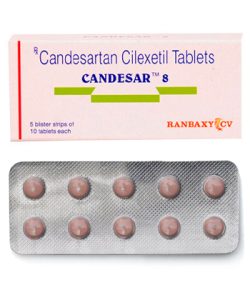
- Forms & Dosages: film-coated tablets in multiple strengths (commonly 4 mg, 8 mg, 16 mg, 32 mg for monotherapy; combination strengths include 16/12.5 mg, 32/12.5 mg, 32/25 mg).
- Manufacturers In Australia: not specified.
- Registration Status In Australia: not specified.
- OTC / Rx Classification: Prescription-only medicine.
National Pharmacy Chains (Chemist Warehouse, Priceline, TerryWhite)
Where will Australians find atacand and candesartan products?
Major chains such as Chemist Warehouse, Priceline and TerryWhite Chemmart commonly stock both brand and generic candesartan options.
Price competition and discounting among these chains are strong in urban areas.
Shoppers in cities often compare in-store and online prices before deciding where to buy.
Rural patients tend to rely on their local pharmacy or mail-order options for repeat supplies.
Combination tablets such as Atacand Plus are usually more expensive than monotherapy packs.
Online Pharmacy Trends In Australia
Telehealth and e-prescriptions are widely used for repeat supplies of chronic medicines like candesartan.
Accredited online pharmacies provide pharmacist counselling and dispatch with standard delivery options.
Patients expect the same prescription requirement and pharmacist consultation even when ordering online.
Many urban patients favour same-day click-and-collect or fast metro delivery options where available.
Mail order remains important for rural patients, with tracking and repeat-prescription services valued most.
Price Ranges By Package Size (PBS Vs Private)
Does PBS affect what patients pay?
PBS-subsidised listings materially reduce the patient copayment for eligible packs and patients.
If a specific candesartan product or sponsor listing is not on the PBS, private prices vary by strength and pack size.
Combination products such as Atacand Plus (16/12.5, 32/12.5, 32/25) typically cost more than monotherapy candesartan packs.
On product pages include clear pricing tiers showing PBS-eligible packs and private prices per tablet.
Preferable information for shoppers: pack sizes, tablet strengths and a price comparison table listing availability at major chains.
Patient Insights & Satisfaction Levels
Forum Reviews (ProductReview, Aussie Health Forums)
What do Australians say online about atacand and candesartan?
Posts on ProductReview and health forums often praise effective blood-pressure control and once-daily dosing convenience.
Many reviewers note fewer cough complaints compared with previous ACE inhibitor therapy.
Price sensitivity and requests for generics appear frequently in forum threads and comments.
Rural posters commonly raise delivery, repeated prescriptions and PBS entitlement questions.
Reported Benefits And Issues From Australian Patients
Positive reports typically mention steady daytime functioning after titration and convenience with once-daily dosing.
Common negative feedback refers to initial lightheadedness on standing or transient headaches when treatment starts.
Some patients say they perceived little effect until the dose was adjusted into the therapeutic range.
Pharmacy consultations reveal frequent patient interest in Atacand Plus to reduce pill burden.
Safety concerns raised by patients include pregnancy exposure and interactions with potassium supplements or NSAIDs.
For product pages include a short verified testimonial block, moderated forum snippets and a pharmacist Q&A widget to support purchase confidence.
Product Overview & Brand Variants
INN And Brand Names In Australia
What is Atacand in plain terms?
Atacand is the brand name for the INN candesartan cilexetil, an angiotensin II receptor blocker used for hypertension and heart failure.
Monotherapy strengths commonly seen internationally include 4 mg, 8 mg, 16 mg and 32 mg tablets.
Combination formulations marketed globally under names such as Atacand Plus contain candesartan plus hydrochlorothiazide in doses like 16/12.5, 32/12.5 and 32/25 mg.
Other trade names internationally include Hytacand, Atacand Zid and Ratacand Plus, while generics often use manufacturing tags such as Teva‑Candesartan.
Legal Classification (TGA-Approved / Prescription Only)
Is candesartan regulated in Australia?
Candesartan products are prescription-only medicines according to product information.
On an Australian product page list the INN first, then brand variants and available strengths for clarity.
Where possible, encourage users to check the TGA database for ARTG numbers and sponsor details to confirm registration status.
Include a short definition list showing INN, ATC code and legal classification to help clinicians and informed patients.
Indications In Local Medical Practice
Approved Uses By TGA
What conditions is atacand used for in practice?
Per product information, Atacand (candesartan cilexetil) is indicated for hypertension and heart failure in adults.
It is also indicated for hypertension in children aged six years and older in many markets.
In Australia clinicians commonly prescribe candesartan for essential hypertension and as an alternative when ACE inhibitors are poorly tolerated.
Off-Label Patterns In Australian Clinics
How do clinicians use candesartan pragmatically?
Off-label or specialist-directed use can include proteinuric chronic kidney disease under nephrology supervision.
Combination therapy with a thiazide diuretic, for example using Atacand Plus, is commonly chosen to improve control and reduce pill burden.
Emphasise individualised dosing and monitoring for blood pressure, renal function and electrolytes when prescribing or dispensing.
Preferable content for clinicians: a short protocol checklist and a quick-reference prescribing box for dose initiation and monitoring timelines.
How It Works In The Body
Layman’s Explanation
How does atacand lower blood pressure?
Candesartan blocks angiotensin II at AT1 receptors, which relaxes blood vessels and reduces the action of aldosterone.
This process lowers blood pressure and reduces strain on the heart, helping both hypertension and heart failure.
Patients often appreciate that ARBs like candesartan avoid the bradykinin-related cough that can occur with ACE inhibitors.
Clinical Detail
Candesartan cilexetil is a prodrug converted to active candesartan after absorption.
The active drug selectively antagonises AT1 receptors, producing vasodilation, natriuresis and reduced aldosterone secretion.
Pharmacokinetic considerations include oral bioavailability, hepatic activation and renal excretion, which inform dose adjustments in renal impairment.
For clinicians include the ATC codes C09CA06 for monotherapy and C09DA06 for combinations on the product page.
Dosage & Administration
Standard Regimens
What dose should patients expect to start on?
Monotherapy strengths commonly available include 4 mg, 8 mg, 16 mg and 32 mg.
Typical adult hypertension therapy starts at 8–16 mg once daily, with up-titration every 2–4 weeks as needed.
Maintenance doses commonly fall in the 16–32 mg once-daily range depending on response and tolerability.
Heart failure regimens often begin at a lower dose with careful up-titration under clinical supervision.
Paediatric dosing for children aged six and older follows weight-based schedules detailed in product monographs.
Adjustments By Patient Type (Elderly, Chronic Conditions)
Which patients need slower titration?
Reduce starting dose and titrate more slowly in elderly patients and those with significant renal impairment.
Monitor serum creatinine and potassium within 1–2 weeks of starting or increasing the dose.
Avoid abrupt cessation and if switching from an ACE inhibitor allow for appropriate monitoring and washout as advised by the prescriber.
Provide an easy dosing chart and a clinical caution list on the product page for quick reference.
Contraindications & Side Effects
Common
Who should not take candesartan without review?
Common adverse effects include dizziness, headache, fatigue and upper respiratory symptoms.
Candesartan may raise serum potassium, so monitoring is recommended.
ARBs generally produce less cough than ACE inhibitors, which is often a benefit for patients who previously experienced cough.
Rare But Serious (Australian Safety Data / Reporting)
Which rare effects require urgent attention?
Rare but serious events include angioedema, severe hypotension, acute kidney injury and marked hyperkalaemia.
Contraindications include known hypersensitivity to candesartan or excipients and use in pregnancy or breastfeeding.
Bilateral renal artery stenosis or prior angioedema with ARBs warrants specialist review before use.
Encourage reporting of suspected adverse events to the TGA and provide a short guidance flowchart for patients who experience concerning symptoms.
Comparable Medicines
Alternatives Table (PBS And Non-PBS)
Which medicines compete with candesartan?
| Medicine | Typical Adult Dose | PBS Status | Pros | Cons |
|---|---|---|---|---|
| Losartan | 25–100 mg once daily | Varies by formulation | Proven ARB efficacy; alternative if cost is a priority | Similar pregnancy contraindication |
| Valsartan | 80–320 mg once daily | Varies by formulation | Effective for hypertension and heart failure | May be pricier if not PBS-listed |
| Irbesartan | 150–300 mg once daily | Varies by formulation | Good tolerability profile | Pregnancy contraindication applies |
| Ramipril (ACE inhibitor) | 2.5–10 mg daily | Varies by formulation | Strong evidence for cardiovascular protection | Cough and angioedema risk; not suitable if ACE inhibitor intolerant |
| Atacand Plus (candesartan/hydrochlorothiazide) | 16/12.5, 32/12.5, 32/25 mg | Varies by formulation | Reduces pill burden; combination therapy convenience | Typically more costly than monotherapy packs |
Pros And Cons List
- Pros: ARB advantages include good tolerability, once-daily dosing and reduced cough risk compared with ACE inhibitors.
- Cons: Contraindicated in pregnancy and may be more costly if a specific pack is not PBS-listed.
Current Research & Trends
Major Studies 2022–2025 (Australia + International)
What are clinicians watching in recent research?
Research through 2022–2025 has focused on real-world effectiveness of ARBs, combination strategies and outcomes in older multimorbid populations.
Comparative effectiveness versus other RAAS inhibitors and safety in frail older adults are key areas of investigation.
Combination therapy with thiazide diuretics remains a common clinical approach to reach target BP with fewer tablets.
Paediatric evidence supports candesartan use in children aged six and older in specialist settings, though local uptake varies.
Australian registries and primary care data contribute to monitoring tolerability and adherence in routine practice.
Telehealth repeat prescriptions and mail delivery have changed access patterns since 2020, increasing reliance on accredited online pharmacies for chronic supplies.
Common Patient Questions
FAQs From Australian Pharmacy Consultations
Q: Can I switch from an ACE inhibitor to Atacand?
A: Yes under GP supervision, because ARBs are often used when an ACE inhibitor causes cough.
Q: Is it safe in pregnancy?
A: No, ARBs including candesartan are contraindicated in pregnancy and effective contraception is advised for women of childbearing potential.
Q: What if I miss a dose?
A: Take it as soon as you remember unless it is near the time for the next dose, and never double up to make up a missed dose.
Q: Does it affect potassium or kidney tests?
A: Yes, candesartan can increase serum potassium and affect renal function, so arrange blood tests 1–2 weeks after starting or changing dose.
Q: Can I buy it without a prescription online?
A: No, it is prescription-only in product labelling; obtain an e-prescription from a GP or accredited telehealth service.
Preferable: provide a collapsible FAQ list and a pharmacist contact prompt for personalised advice on the product page.
Regulatory Status
TGA Approval
What is the regulatory standing of atacand?
Atacand is a branded formulation of candesartan cilexetil and is a prescription-only product according to the product information.
For an Australian product page explicitly state prescription-only status and include ARTG/TGA registration details and sponsor information if available.
PBS Subsidy Details
Is candesartan subsidised on the PBS?
PBS listing and copayment eligibility can vary by formulation, pack size and sponsor, so do not assume subsidy.
Advise consumers to check the current PBS Schedule or ask a pharmacist whether a specific Atacand or generic candesartan pack is PBS-listed or concession-eligible.
Include a small procedural box explaining how to check ARTG and PBS or a “Check PBS listing” button on the product page.
Visual Recommendations
Infographics: PBS Pricing, Pharmacy Networks
What visuals help conversion and clarity?
Recommended assets include a price comparison table showing PBS versus private per-tablet cost by strength and pack size.
Include a brand/INN matrix that lists Atacand, Atacand Plus and common generics to aid recognition.
Use a dosing flowchart that maps start → titrate → monitor, plus a monitoring checklist for renal function and electrolytes.
Safety icons for pregnancy contraindication, angioedema risk and common side effects make scanning easier for patients.
A pharmacy access map with click-to-call links for major chains and local delivery options helps rural customers convert.
Prefer interactive price tables, collapsible safety checklists and a short explainer animation showing ARB mechanism where possible.
Buying & Storage Advice
In-Store Vs Online Purchase Tips In Australia
How should Australians buy atacand safely and cost-effectively?
Atacand is a prescription-only medicine, so obtain a script from your GP or via an accredited telehealth service for a lawful supply.
Compare prices across Chemist Warehouse, Priceline and independent pharmacies when cost is important.
Use accredited online pharmacies and confirm pharmacist counselling is provided at supply.
In our online pharmacy, atacand is available without a prescription, with discreet delivery to Australia in 9-21 days.
Check PBS eligibility before purchase to reduce out-of-pocket costs when possible.
Storage In Australian Household Conditions (Heat/Humidity)
How should tablets be stored around the home?
Store tablets in their original blister or bottle and keep them below 25°C where possible.
Avoid storing medicines in humid rooms like bathrooms or in direct sunlight which can degrade tablets.
In hot Australian summers keep tablets in a cool, dry place and never leave them in a parked car.
Keep medicines out of reach of children and return expired stock to a community pharmacy for safe disposal.
Delivery Across Australia
| City | Region | Delivery Time |
|---|---|---|
| Sydney | New South Wales | 9-14 days |
| Melbourne | Victoria | 9-14 days |
| Brisbane | Queensland | 9-14 days |
| Perth | Western Australia | 9-14 days |
| Adelaide | South Australia | 9-14 days |
| Canberra | Australian Capital Territory | 9-14 days |
| Hobart | Tasmania | 9-14 days |
| Darwin | Northern Territory | 9-14 days |
| Gold Coast | Queensland | 9-14 days |
| Newcastle | New South Wales | 9-14 days |
| Wollongong | New South Wales | 9-14 days |
| Geelong | Victoria | 9-14 days |
| Cairns | Queensland | 14-21 days |
| Townsville | Queensland | 14-21 days |
| Albury | New South Wales | 14-21 days |
Guidelines For Proper Use
Pharmacist Guidance In Australia
What should pharmacists check before supply?
Confirm prescription authenticity and review the clinical indication for candesartan.
Check current medicines for potential interactions, especially potassium-raising agents, NSAIDs and lithium.
Counsel patients about pregnancy avoidance and the need for effective contraception in women of childbearing potential.
Advise baseline blood tests for renal function and electrolytes and repeat testing 1–2 weeks after starting or increasing dose.
Document counselling and offer adherence aids such as blister packs or reminder apps to support ongoing use.
Patient Safety Recommendations
What should patients do to stay safe on atacand?
Take the medicine once daily at the same time each day and carry a current medication list when travelling.
Report dizziness, fainting or signs of angioedema such as facial or tongue swelling immediately and seek urgent care.
Stop the medicine and seek urgent medical review if severe allergic reactions or marked low blood pressure occur.
Arrange follow-up blood tests 1–2 weeks after initiation or dose changes and annual reviews for long-term therapy.
Provide a pharmacist counselling checklist and a patient safety flowchart on the product page to reinforce monitoring steps.