Prinivil
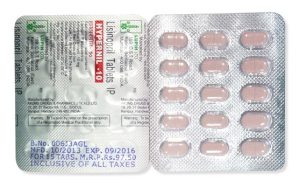
In brief
- Prinivil (lisinopril) is supplied by community and hospital pharmacies and by online e‑pharmacies worldwide; it is legally a prescription (Rx) medicine in Australia and most countries, although some pharmacies or online sellers may supply it without a prescription—buying without a prescription is not recommended and may be unsafe.
- Prinivil is used to treat hypertension, heart failure and to improve outcomes after myocardial infarction; it is an ACE inhibitor that blocks angiotensin‑converting enzyme, reducing formation of angiotensin II and aldosterone, causing vasodilation and reduced sodium/water retention.
- Usual adult doses vary by indication: hypertension typically starts 10 mg once daily (up to 40 mg once daily); heart failure often 2.5–5 mg once daily (titrate to 20–40 mg); post‑MI usually 5 mg within 24 h then titrate to 10 mg; paediatric dosing (≥6 years) is weight‑based (start ~0.07 mg/kg once daily, max ~0.61 mg/kg or 40 mg).
- Form of administration: oral tablets (commonly 2.5–40 mg strengths) or an oral solution (Qbrelis 1 mg/mL); taken by mouth, usually once daily.
- Onset time: antihypertensive effects generally begin within about 1 hour after an oral dose, with more pronounced effects over several hours.
- Duration of action: the blood‑pressure lowering effect lasts about 24 hours, which allows once‑daily dosing.
- Alcohol warning: avoid excessive alcohol—alcohol can increase dizziness and the risk of symptomatic hypotension when combined with Prinivil.
- The most common side effect is a dry, persistent cough.
- Would you like to try “prinivil” without a prescription?
Basic Prinivil Information
- INN (International Nonproprietary Name): lisinopril.
- Brand Names Available In Australia: Zestril and generic lisinopril are commonly used; Prinivil is primarily a US/Canada brand but appears in international references; Qbrelis is an oral solution formulation noted in international listings.
- ATC Code: C09AA03 — Angiotensin-Converting Enzyme (ACE) Inhibitors, plain.
- Forms & Dosages: Tablets 2.5 mg, 5 mg, 10 mg, 20 mg, 30 mg and 40 mg; oral solution 1 mg/mL (Qbrelis).
- Manufacturers In Australia: not specified.
- Registration Status In Australia: not specified.
- OTC / Rx Classification: Prescription (Rx) only.
Availability & Price Landscape
National Pharmacy Chains
Chemist Warehouse, Priceline and TerryWhite Chemmart are the main retail chains Australians check first for antihypertensives.
Major chains commonly stock generic lisinopril tablets in 5 mg, 10 mg and 20 mg strengths.
Chains will typically fulfil e-prescriptions provided via telehealth services.
Patients frequently choose discount chains when cost is a primary concern.
Online Pharmacy Trends In Australia
Online pharmacies and click-and-collect options have grown, backed by telehealth e-prescriptions and home delivery services.
Rural customers often rely on mail-order dispensing from larger chains to maintain continuity of supply.
Generics labelled under the INN are the dominant online offering to manage prices and stock variability.
Price Ranges By Package Size (PBS Vs Private)
Private-pay pricing varies by brand, pack size and retailer, generally ranging from about AUD 5 to AUD 40 per pack for private customers.
PBS listing decisions affect patient co-payments and usually reduce out-of-pocket costs for concession card holders.
Exact PBS co-pay depends on the current schedule and authority requirements for the indication.
| Pack Size | Typical Private Price (AUD) | PBS / Subsidised Note |
|---|---|---|
| 28–30 tablets | AUD 5–30 | May be subsidised on the PBS for eligible patients. |
| 84 tablets | AUD 15–40 | Bulk packs may be cheaper per tablet if privately purchased. |
- Retailer Behaviours: Large chains rotate suppliers to maintain stock and commonly substitute generic lisinopril for branded stock when appropriate.
- Telehealth Fulfilment: E‑prescriptions are accepted by major chains and online pharmacies, speeding rural access.
- Rural Vs Urban Access: Urban customers favour in-store pick-up; rural customers rely on courier delivery and mail-order services with tracked shipment.
Patient Insights & Satisfaction Levels
Forum Reviews (ProductReview, Aussie Health Forums)
Australian product and health forums report many users achieving good blood pressure control on lisinopril.
Discussions on ProductReview and health-focused Facebook groups emphasise cost savings after switching to generic lisinopril tablets.
Telehealth and home delivery are often praised in rural threads where local stock shortages occur.
Reported Benefits And Issues From Australian Patients
Many patients report measurable drops in blood pressure within one to two weeks of starting treatment with lisinopril.
A commonly reported adverse effect is a persistent dry cough leading some people to switch therapy.
Occasional dizziness on standing and episodes of light-headedness are described, especially during dose titration.
- Pros: Effective BP control, once-daily dosing, cheaper when using generic lisinopril.
- Cons: Dry cough, possible dizziness, need for kidney and potassium monitoring.
Patient Testimonial (anonymised): “Switched to generic lisinopril 10 mg and my BP dropped within two weeks, but I developed a cough after a month.”
Patient Testimonial (anonymised): “Living in a rural town, telehealth prescription and courier delivery meant no gap in meds when local pharmacy ran out of 30 mg tablets.”
Product Overview & Brand Variants
INN And Brand Names In Australia
Lisinopril is supplied in Australia most commonly as generics and under the brand Zestril.
Prinivil is referenced internationally but is primarily a US/Canada brand and is not the usual Australian dispensing name.
Legal Classification (TGA-Approved)
Products dispensed locally are TGA-regulated and prescription-only as part of standard regulatory oversight.
| Brand Name | Form |
|---|---|
| Zestril | Tablets (2.5–40 mg) |
| Prinivil | Tablets (5–20 mg) — primarily US/Canada listings |
| Qbrelis | Oral solution 1 mg/mL (noted in international registries) |
| Generic Lisinopril | Tablets 2.5–40 mg |
- INN: The International Nonproprietary Name is lisinopril and is used widely in e-pharmacy listings.
- ATC: C09AA03 classifies lisinopril as an ACE inhibitor acting on the renin–angiotensin system.
Indications In Local Medical Practice
Approved Uses By TGA
Typical TGA-approved uses align with international guidance for treatment of hypertension, heart failure and post‑myocardial infarction secondary prevention.
Primary care clinicians commonly initiate lisinopril for newly diagnosed hypertension, especially with comorbid diabetes or left ventricular dysfunction.
Off-Label Patterns In Australian Clinics
Specialists sometimes use ACE inhibitors to reduce proteinuria in chronic kidney disease under close monitoring.
Use in pregnancy is contraindicated and ACE inhibitors are avoided in women planning pregnancy.
| Indication | Typical Starting Dose (Adult) | Typical Max Dose (Adult) |
|---|---|---|
| Hypertension | 10 mg once daily | 40 mg once daily |
| Heart Failure | 2.5–5 mg once daily | 20–40 mg once daily |
| Post-Myocardial Infarction | 5 mg within 24 hours, then titrate | 10 mg once daily |
Baseline and periodic eGFR and serum potassium checks are standard after initiation or dose change.
How It Works In The Body
Layman’s Explanation
Lisinopril blocks an enzyme that helps form a chemical called angiotensin II which narrows blood vessels.
When that enzyme is blocked, vessels relax, blood pressure falls and the heart pumps more easily.
Clinical Detail
| Lay | Clinical |
|---|---|
| Lowers a hormone that tightens blood vessels so blood flows more easily. | ACE inhibition reduces angiotensin II and aldosterone, causing vasodilation and reduced sodium and water retention. |
| Helps reduce symptoms like headaches and breathlessness in heart failure. | Lisinopril is excreted largely unchanged by the kidneys, so renal function affects dosing and clearance. |
| Effects begin within hours, with full titration effects over weeks. | Potential downstream effects include hyperkalaemia and increases in serum creatinine requiring monitoring. |
- ACE: Angiotensin-Converting Enzyme.
- Angiotensin II: A potent vasoconstrictor reduced by ACE inhibition.
- Aldosterone: Hormone promoting sodium retention that falls when ACE is inhibited.
Dosage & Administration
Standard Regimens
For adults with hypertension the usual starting dose is 10 mg once daily titrated up to 40 mg once daily as needed.
Heart failure treatment commonly starts at 2.5–5 mg once daily with a target range of 20–40 mg daily where tolerated.
Post-MI care may begin with 5 mg within 24 hours and titrate according to blood pressure and renal function.
| Indication | Start Dose | Max Dose |
|---|---|---|
| Hypertension | 10 mg once daily | 40 mg once daily |
| Heart Failure | 2.5–5 mg once daily | 20–40 mg once daily |
| Post-MI | 5 mg within 24 h, then titrate | 10 mg once daily |
Adjustments By Patient Type (Elderly, Chronic Conditions)
Start lower in elderly patients and in those with reduced renal function, for example initiating at 2.5 mg if severe renal impairment exists.
Children aged six years and older use weight-based dosing, starting around 0.07 mg/kg once daily up to a max per guidelines.
- Administration Tip: Take at the same time each day with or without food.
- Missed Dose: Take when remembered unless it is near the next dose; do not double up.
- Overdose: Can cause symptomatic hypotension and requires urgent medical care and intravenous fluids.
Monitoring checklist: baseline BP, eGFR and electrolytes; repeat within one to two weeks after starting or increasing dose; then periodic checks according to clinical judgment.
Contraindications & Side Effects
Common
| Common Side Effects | Serious But Rare |
|---|---|
| Dry persistent cough. | Angioedema affecting face or airway. |
| Dizziness and orthostatic hypotension. | Acute kidney injury with rapid creatinine rise. |
| Headache, fatigue, gastrointestinal upset. | Severe hyperkalaemia causing cardiac risk. |
Rare But Serious (Australian Safety Data)
Australian post-marketing surveillance highlights angioedema and renal adverse events as key safety signals for ACE inhibitors.
- Absolute Contraindications: Prior ACE-inhibitor–related angioedema, hereditary angioedema, pregnancy, concomitant sacubitril use, hypersensitivity.
- Cautions: Serum potassium > 5.5 mmol/L, renal artery stenosis, advanced age and concurrent potassium-sparing medicines.
Comparable Medicines
Alternatives Table (PBS And Non-PBS)
| Medicine | Indication Overlap | Typical Start Dose | PBS Availability | Common Side Effects |
|---|---|---|---|---|
| Lisinopril | Hypertension, heart failure, post-MI | 10 mg once daily (hypertension) | Many lisinopril generics are supplied under PBS rules where listed | Cough, dizziness, hyperkalaemia |
| Ramipril | Hypertension, heart failure, post-MI | 2.5–5 mg once daily | Listed on PBS for various indications | Cough, hypotension |
| Losartan (ARB) | Hypertension, CKD proteinuria alternative if ACE intolerant | 50 mg once daily common start | Listed on PBS for many indications | Less cough; dizziness, hyperkalaemia |
Pros And Cons List
- Lisinopril Pros: Well-studied, effective, usually once-daily and cheaper as generic lisinopril.
- Lisinopril Cons: Higher incidence of cough compared with ARBs.
- ARBs Pros: Lower cough incidence and useful after ACE intolerance.
- ARBs Cons: May be costlier if specific products are not subsidised or require substitution approvals.
Current Research & Trends
Major Studies 2022–2025 (Australia + International)
Recent work has focused on long-term renal outcomes and comparative tolerability versus ARBs.
Registry analyses continue to support ACE inhibitors for heart failure and post-MI mortality reduction.
Observational data find higher cough-related discontinuation with ACE inhibitors compared with ARBs.
Australian pharmacoepidemiology shows an increase in telehealth-driven prescribing and steady use of generics.
- Trend Drivers: Cost pressures, tolerance (cough), telehealth access and PBS listing changes.
- Ongoing Research: Outcomes in older multimorbid patients and safety in polypharmacy settings.
Common Patient Questions
Can I buy lisinopril over the counter?
No — lisinopril is prescription only under TGA and standard regulatory arrangements.
Is Prinivil available in Australia?
Prinivil is primarily a US/Canada brand; Australia commonly dispenses Zestril or generic lisinopril tablets.
What should I do if I develop a cough?
Report a persistent cough to your GP or pharmacist; switching to an ARB is a common approach where cough is intolerable.
How often should kidneys and potassium be tested?
Baseline testing and a repeat within one to two weeks after starting or increasing dose is standard, with periodic monitoring thereafter.
Can I take lisinopril with potassium supplements or spironolactone?
Caution is required because of hyperkalaemia risk; discuss with your prescriber and arrange monitoring if combined therapy is necessary.
- Flow For Cough Or Swelling — What To Do:
- If facial swelling or breathing difficulty occurs seek emergency care immediately.
- If a persistent dry cough develops consult your GP or pharmacist to discuss switching therapy.
- Do not stop the medication without medical advice if symptoms are mild; assessment and monitoring are important.
Regulatory Status
TGA Approval
Products dispensed in Australia are subject to TGA regulation and must be ARTG-listed by their sponsors to be sold locally.
Generic lisinopril tablets and branded variants are included under usual TGA oversight when supplied locally.
PBS Subsidy Details
PBS subsidy depends on specific listings and authority rules for the indication prescribed.
Many ACE inhibitors and ARBs are listed on the PBS for hypertension, heart failure and post-MI uses, which changes patient co-payments.
| TGA Role | PBS Role |
|---|---|
| Regulates safety, quality and ARTG listings for products supplied in Australia. | Determines subsidy and patient co-payment for listed medicines. |
| Approves product sponsors and enforces labelling and manufacturing standards. | Requires authority prescriptions for certain restricted indications where applicable. |
Pharmacists must verify authority prescriptions if PBS restrictions apply and counsel patients on monitoring requirements.
Visual Recommendations
Include a pricing infographic that compares PBS-subsidised co-pay versus private pay across common pack sizes and strengths.
Provide a stock availability map that clearly shows urban in-store pick-up, click-and-collect and courier fulfilment for rural customers.
Create a dosing timeline graphic with milestones at baseline, 1–2 weeks, and routine periodic monitoring points based on typical dosing schedules.
Add a safety icon strip highlighting pregnancy contraindication, angioedema warning and monitoring checklist for kidney function and potassium.
| Pack Size | Suggested Visual Price Range |
|---|---|
| 30 tablets | AUD 5–30 (private) |
| 84 tablets | AUD 15–40 (private) |
Buying & Storage Advice
In-Store Vs Online Purchase Tips In Australia
A valid prescription is required to obtain lisinopril in Australia and e-prescriptions from telehealth providers are widely accepted by major chains.
Compare generic options first for cost savings and check with the pharmacist about tablet appearance changes when switching brands.
Rural customers should order from registered online pharmacies that provide tracked delivery and clear dispensing records.
Our online pharmacy can process your order with discreet delivery to Australia in 9–21 days with a valid prescription.
Storage In Australian Household Conditions (Heat/Humidity)
Store tablets at room temperature between 15–30°C and protect from moisture and light; do not refrigerate tablets.
Do not leave medicines in cars or bathrooms during hot Australian summers to avoid degradation.
Oral solution products have specific label storage and discard instructions — follow the manufacturer directions exactly.
- Dos: Keep in original container, away from children, in a cool dry place.
- Don’ts: Do not expose to direct sunlight, heat or excessive humidity.
Guidelines For Proper Use
Pharmacist Guidance In Australia
Pharmacists should confirm the indication, review baseline renal function and potassium results, and check for prior ACE inhibitor reactions.
Counsel on orthostatic precautions and interactions with NSAIDs, potassium supplements, potassium-sparing diuretics and sacubitril.
Provide clear instructions on when to seek urgent help for facial swelling, breathing difficulty or severe dizziness.
Patient Safety Recommendations
Advise baseline BP, eGFR and serum potassium checks and a repeat within one to two weeks after starting or changing dose.
Recommend women of childbearing potential avoid pregnancy and discuss contraception while on ACE inhibitor therapy.
- Counselling Script Bullets: Confirm current medicines, tell the patient they may feel dizzy at first, advise to rise slowly from sitting or lying positions.
- Safety Checklist: Report cough, facial swelling, reduced urine output or severe dizziness immediately; carry an allergy alert if prior angioedema.
- Adherence Tips: Link the daily dose to a routine event like breakfast and use pharmacy reminders or dose packing if helpful.
Delivery Across Australia
| City | Region | Delivery time |
|---|---|---|
| Sydney | New South Wales | 9-14 days |
| Melbourne | Victoria | 9-14 days |
| Brisbane | Queensland | 9-14 days |
| Perth | Western Australia | 9-14 days |
| Adelaide | South Australia | 9-14 days |
| Canberra | Australian Capital Territory | 9-14 days |
| Hobart | Tasmania | 9-14 days |
| Darwin | Northern Territory | 9-14 days |
| Gold Coast | Queensland | 9-14 days |
| Newcastle | New South Wales | 9-14 days |
| Geelong | Victoria | 14-21 days |
| Wollongong | New South Wales | 14-21 days |
| Sunshine Coast | Queensland | 14-21 days |
| Townsville | Queensland | 14-21 days |