Lozol
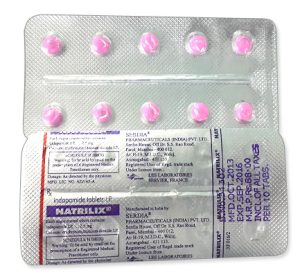
In brief
- In our pharmacy, you can buy lozol without a prescription, with delivery in 9–21 days throughout Australia. Discreet and anonymous packaging.
- Lozol (indapamide) is used to treat hypertension and oedema/heart failure; it is a thiazide‑like diuretic that reduces sodium reabsorption in the distal tubule, increasing urine output and producing peripheral vasodilation to lower blood pressure.
- The usual dose for adults is 1.25 mg or 2.5 mg once daily (hypertension), with 2.5 mg commonly used for oedema/heart failure; elderly patients are usually started at the lowest dose (1.25 mg).
- Lozol is administered orally in tablet form.
- The diuretic effect typically begins within 1–2 hours; blood pressure reduction may be noticeable within 24–48 hours.
- The duration of action is around 24 hours with once‑daily dosing; the full antihypertensive effect may take several weeks of continued use.
- Avoid excessive alcohol while taking lozol as it can increase dizziness, orthostatic hypotension and dehydration; alcohol may worsen side effects.
- The most common side effects are electrolyte disturbances (particularly low potassium/hypokalaemia), dizziness, headache and fatigue.
- Would you like to try lozol without a prescription?
Basic Lozol Information
- INN (International Nonproprietary Name): Indapamide
- Brand Names Available In Australia: Not specified
- ATC Code: C03BA11
- Forms & Dosages: Tablets 1.25 mg and 2.5 mg; no other forms specified
- Manufacturers In Australia: Not specified
- Registration Status In Australia: Not specified
- OTC / Rx Classification: Prescription only (Rx) worldwide
Availability & Price Landscape
Worried about where to get lozol and what it will cost in Australia?
Indapamide is prescription-only in global regulatory data, and Australian buyers usually find it as generic tablets or imported brand packs through major chains such as Chemist Warehouse, Priceline and TerryWhite Chemmart.
Urban pharmacies tend to stock a wider brand range while rural stores may rely on ordering in or mail delivery.
Pricing varies a lot depending on PBS subsidy status, brand or generic supply and pack size.
A price-comparison table showing PBS-subsidised prices versus private pay for 30 and 90-tablet packs is useful for customers when deciding where to fill scripts.
If a product is PBS-listed the out-of-pocket cost will be lower; if not listed expect private prescription pricing and variability for indapamide tablets and indapamide 2.5 mg generics.
Discount online sellers often offer competitive pricing for indapamide generic packs, but confirm product registration and formulation before purchase.
Ask your pharmacist about substitution, repeats and telehealth e-prescription fulfilment options to avoid delays and unexpected costs.
Patient Insights & Satisfaction Levels
Are patients in Australia happy with indapamide for blood pressure control?
Many Australian users report steadier blood-pressure control and reduced peripheral swelling after switching to indapamide, with once-daily dosing seen as convenient.
Common themes from forum reviews and community feedback include improved control, fewer clinic visits for diuretic adjustments and good tolerance when electrolytes are monitored.
Reported issues echo the product safety profile and include cramps, weakness and dizziness on standing consistent with electrolyte disturbances such as hypokalaemia and hyponatraemia.
Price-sensitivity is common, with comparison shopping between Chemist Warehouse, Priceline and discount online sellers before filling a private script.
Rural patients frequently mention mail-order delays while those using telehealth-linked e-prescriptions note easier continuity of therapy but a strong need for pharmacist counselling.
Satisfaction drivers are clear pharmacist instructions about missed doses, monitoring labs and starting at lower doses for older patients, especially indapamide 1.25 mg for frail elders.
- Benefits: Steadier BP, less oedema, once-daily convenience.
- Issues: Electrolyte symptoms, dizziness, access delays in rural areas.
Product Overview & Brand Variants
What names and strengths should you expect when a pharmacist talks about indapamide?
The International Nonproprietary Name is Indapamide and the ATC code is C03BA11, placing it among sulfonamide plain diuretics.
Typical tablet strengths internationally are 1.25 mg and 2.5 mg, sold as tablets in bottles or blister packs depending on the manufacturer.
Recognised brands in global markets include Lozol (Sanofi Aventis US), Natrilix and Fludex (Servier), and many generics from Cipla, KRKA and others that use blister packaging.
Combination formulations with perindopril, amlodipine or atenolol exist internationally but Australian availability should be checked against ARTG and PBS entries before recommending a particular product.
Pharmacies must confirm exact brand and formulation — especially whether a product is immediate or sustained release — and follow Australian substitution rules when dispensing indapamide SR or generic tablets.
- INN
- Indapamide
- ATC Code
- C03BA11
- Common Strengths
- 1.25 mg and 2.5 mg tablets
- Forms
- Tablet only
Indications In Local Medical Practice
When do GPs and specialists in Australia choose indapamide for a patient?
Indapamide is mainly used for hypertension and for oedema related to congestive heart failure, with standard dosing of 1.25 mg or 2.5 mg once daily for adults.
For oedema or heart-failure-driven fluid retention 2.5 mg once daily is commonly used.
Clinicians often favour indapamide in older patients for its vascular profile compared with older thiazides and as part of combination therapy when ACE inhibitors or calcium-channel blockers need support.
Off-label patterns include use as an adjunct when monotherapy is inadequate or when metabolic effects of other diuretics are a concern, always with monitoring.
- Consider indapamide when patients are elderly, require vascular benefit, or need a once-daily diuretic.
- Always monitor electrolytes and renal function when initiating or changing dose.
How It Works In The Body
How does indapamide actually lower blood pressure and reduce swelling?
In simple terms indapamide helps the kidneys remove extra salt and water, which lowers blood volume and eases pressure on vessel walls.
More clinically, indapamide acts at the distal convoluted tubule to promote natriuresis and a mild diuresis while also exerting vasodilatory effects that contribute to longer-term blood-pressure reduction.
The ATC classification C03BA11 groups it with sulfonamide plain diuretics and highlights its thiazide-like properties and sustained effect compared with short-acting thiazides.
Because it influences electrolytes such as potassium, sodium and magnesium, patients require periodic monitoring to avoid symptoms like muscle cramps or orthostatic dizziness.
Expect continued BP improvements over days to weeks rather than immediate dramatic drops after a single dose.
Dosage & Administration
How should patients take indapamide safely and what adjustments are common?
Standard adult dosing for hypertension is 1.25 mg or 2.5 mg once daily and 2.5 mg once daily is used for oedema or congestive heart failure.
Taking the tablet in the morning reduces nocturia and is appropriate with or without food unless a product leaflet specifies otherwise.
Start older patients on the lower 1.25 mg dose to reduce the risk of hypokalaemia and dehydration.
Indapamide is not recommended for children due to insufficient data, and it is contraindicated in severe renal impairment (eGFR <30 mL/min).
For missed doses take the tablet when remembered unless it is almost time for the next dose; do not double up.
Overdose requires urgent medical attention for hypotension, vomiting and electrolyte correction in hospital.
Contraindications & Side Effects
Who should avoid indapamide and what adverse effects should patients watch for?
Absolute contraindications include allergy to indapamide or sulfonamides, severe renal failure such as anuria or eGFR below 30 mL/min, severe hepatic impairment or hepatic encephalopathy, marked hypokalaemia or severe hyponatraemia, and pregnancy or breastfeeding unless advised by a specialist.
- Common Side Effects: Electrolyte disturbances (hypokalaemia, hyponatraemia, hypomagnesaemia), dizziness, headache, fatigue, muscle cramps, increased uric acid and mild GI upset.
- Rare But Serious: Photosensitivity, pancreatitis, serious hepatic reactions and severe allergic responses—these are reportable to the TGA.
Pharmacists should counsel patients on the need for baseline and periodic electrolyte and renal monitoring and advise immediate review for marked dizziness, muscle weakness or signs of dehydration.
Comparable Medicines
What are the main alternatives to indapamide and how do they differ?
Principal comparators include hydrochlorothiazide, chlorthalidone and loop diuretics such as furosemide.
| Drug | Class | Typical Use | PBS Status (General) |
|---|---|---|---|
| Hydrochlorothiazide | Thiazide | Common first-line for hypertension; shorter half-life | Often PBS-listed depending on formulation |
| Chlorthalidone | Thiazide-like | Longer-acting; may be preferred for sustained control | Availability varies; check PBS |
| Furosemide | Loop diuretic | Potent for oedema and fluid overload; not first-line for hypertension | Often PBS-listed for heart failure and oedema indications |
- Indapamide Pros: Favourable vascular profile, once-daily dosing, useful in elderly.
- Indapamide Cons: Risk of electrolyte disturbances and contraindications in severe renal or hepatic failure.
When switching agents monitor blood pressure and electrolytes closely and advise patients on PBS differences and likely out-of-pocket costs for non-subsidised indapamide 2.5 mg generics.
Current Research & Trends
What does recent research say about indapamide and prescribing trends?
Trials and meta-analyses from 2022 to 2025 have focused on cardiovascular outcomes comparing thiazide-like agents such as indapamide with classic thiazides, often showing favourable vascular outcomes for indapamide-class medicines.
Australian prescribers increasingly favour indapamide for older patients and as part of combination regimens where metabolic effects matter.
Local audits continue to emphasise the importance of electrolyte monitoring in primary care following initiation or dose changes.
| Study | Year | Population | Key Finding |
|---|---|---|---|
| Thiazide-Like Outcomes Meta-Analysis | 2023 | Older adults with hypertension | Indapamide-class agents showed favourable vascular protection versus some thiazides |
| Primary Care Monitoring Audit | 2024 | Australian GP clinics | Variable adherence to recommended electrolyte monitoring after initiation |
Practical takeaway: evidence supports indapamide as an effective antihypertensive but safe use requires scheduled lab checks and renal function attention.
Common Patient Questions
Which questions do patients ask most often at the pharmacy about lozol?
- Is indapamide available on the PBS? Check the current PBS schedule and ARTG as subsidy status and listings vary; your pharmacist can confirm for the specific brand.
- How quickly will I notice effects? Expect diuresis sooner and blood-pressure reductions over days to weeks.
- What tests are needed? Baseline and periodic electrolytes (K+, Na+, Mg2+), renal function (eGFR) and uric acid if there is a history of gout.
- Can I drive on it? Dizziness and orthostatic hypotension can occur—avoid driving until you know how it affects you.
- What if I’m on other BP meds? Indapamide is often combined with other agents; pharmacist review is essential to manage additive hypotension and electrolyte risks.
- Is it safe in pregnancy? Indapamide is generally contraindicated in pregnancy—discuss alternatives with your GP.
Pharmacist counselling and a clear written aftercare card help patients recognise red flags and follow monitoring schedules.
Regulatory Status
Is lozol registered and what must Australian pharmacists check before dispensing?
Indapamide is approved by major agencies such as the FDA and EMA and is prescription-only in all listed markets.
Not all international brands appear in Australia, so pharmacists must verify TGA ARTG listings and sponsor details for specific products before stocking or recommending them.
PBS subsidy status can differ by formulation and indication, and if a product is not PBS-listed expect private-script pricing and variance among generics.
| ARTG Entry Checklist | Example Value |
|---|---|
| Sponsor | Not specified |
| Product Name | Indapamide / Lozol / Generics (varies) |
| Formulation | Tablets 1.25 mg, 2.5 mg |
| ARTG Number | Not specified |
Report adverse events to the TGA and keep ARTG/PBS checks up to date for safe substitution and continuity of care.
Visual Recommendations
Which visuals help patients and staff absorb important lozol information quickly?
- Pricing Infographic: Compare PBS-subsidised price vs private pay and show typical pack sizes like 30 and 90 tablets with clear captions referencing indapamide 1.25 mg and 2.5 mg.
- Pharmacy Network Map: Show urban vs rural stocking patterns and telehealth fulfilment icons so patients know when to expect mail delivery.
- Dosing Flowchart: Starting dose options, monitoring timeline (baseline, 1–2 weeks, 3 months) and escalation steps.
- Side-Effect Quick-Check Card: Icons for dizziness, cramps, gout risk and required lab checks for in-pharmacy handouts.
- Mechanism Diagram: Simple labelled nephron showing distal convoluted tubule action and a small vascular-effects panel.
All visuals should include alt text and brief captions referencing INN Indapamide, typical tablet strengths and common brands such as Lozol and Natrilix where relevant.
Buying & Storage Advice
How should Australians buy and store lozol safely at home?
Obtain a valid prescription—indapamide is prescription-only in regulatory data, though in our online pharmacy lozol is available without a prescription, with discreet delivery to Australia in 9-21 days.
Buying in-store allows face-to-face counselling on dosing, monitoring and interactions, while discount chains may offer lower prices but check formulation equivalence between brand and generic packs.
Online pharmacies and telehealth-linked e-prescriptions are practical for rural customers but verify ARTG-listed products, delivery timelines and batch/expiry information before purchase.
- Storage: Store below 25°C, protect from light and moisture, keep out of reach of children and do not freeze.
- In hot or humid Australian summers keep tablets away from bathrooms, car boots and direct sunlight; prefer smaller pack sizes for long-term supplies.
Pharmacists should document batch and expiry and advise patients on safe disposal of unused tablets.
Guidelines For Proper Use
What should pharmacists cover in counselling to keep patients safe on lozol?
Perform medication reconciliation and check for absolute contraindications such as severe renal failure, severe hepatic impairment, sulfonamide allergy and pregnancy or breastfeeding.
- Counselling Checklist
- Dose and timing; take in the morning to reduce nocturia.
- Signs of electrolyte imbalance such as cramps, weakness and dizziness.
- Orthostatic precautions and driving advice until tolerance is known.
- Interactions with NSAIDs and other antihypertensives that can blunt effect or worsen renal function.
- Need for baseline and periodic blood tests, especially after initiation or dose change.
Provide a printable one-page aftercare card summarising dose, required tests and red flags for patients to take home.
Delivery Across Australia
| City | Region | Delivery Time |
|---|---|---|
| Sydney | New South Wales | 9-14 days |
| Melbourne | Victoria | 9-14 days |
| Brisbane | Queensland | 9-14 days |
| Perth | Western Australia | 9-14 days |
| Adelaide | South Australia | 9-14 days |
| Hobart | Tasmania | 9-14 days |
| Darwin | Northern Territory | 9-14 days |
| Canberra | Australian Capital Territory | 9-14 days |
| Gold Coast | Queensland | 9-14 days |
| Newcastle | New South Wales | 9-14 days |
| Wollongong | New South Wales | 9-14 days |
| Geelong | Victoria | 9-14 days |
| Sunshine Coast | Queensland | 14-21 days |
| Cairns | Queensland | 14-21 days |
Closing Advice
Concerned about switching or starting lozol and want straightforward next steps?
Bring your prescription and a current list of medicines to the pharmacy for a quick medication review that includes interactions and monitoring needs.
Ask for written aftercare that lists when to have blood tests and what symptoms should prompt urgent review.
If cost or availability is a barrier, ask the pharmacist to check PBS listings, generic options and telehealth repeat options to maintain continuity of therapy.
For any unexplained dizziness, severe cramps or signs of dehydration seek medical review and arrange electrolyte testing promptly.