Lisinopril
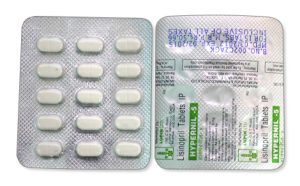
In brief
- In most countries (including Australia, USA, EU, India and Japan) lisinopril is a prescription-only medicine and should be dispensed by a pharmacy with a prescription; however, some pharmacies or online sellers may advertise sales without a receipt—always follow local law and consult a prescriber before obtaining or taking lisinopril.
- Lisinopril is used to treat hypertension, heart failure, to improve survival after myocardial infarction and to reduce proteinuria in diabetic nephropathy; it is an angiotensin‑converting enzyme (ACE) inhibitor that reduces formation of angiotensin II, lowering blood pressure and cardiac workload.
- Typical doses: hypertension usually starts at 10 mg once daily with maintenance 20–40 mg once daily (max 40 mg); heart failure often starts 2.5–5 mg titrated up to 40 mg; post‑MI commonly 5 mg then 10 mg; diabetic nephropathy often 10–20 mg daily—adjust for renal function and the elderly.
- Administered orally as tablets (commonly 2.5, 5, 10, 20, 30, 40 mg) or as an oral solution (1 mg/mL, e.g. Qbrelis in the US); there are also fixed‑dose combinations with hydrochlorothiazide or amlodipine.
- Antihypertensive effects usually begin within about 1 hour of an oral dose, with measurable fall in blood pressure within the first few hours and peak effect typically several hours after dosing.
- Duration of action allows once‑daily dosing; blood‑pressure lowering effect generally lasts about 24 hours (half‑life and individual response vary).
- Avoid excessive alcohol while taking lisinopril as alcohol can increase the risk of dizziness and symptomatic hypotension; monitor alcohol intake and blood pressure.
- The most common side effect is a persistent dry cough; other frequent reactions include dizziness, headache, hypotension and hyperkalaemia (and rare but serious angioedema).
- Would you like to try lisinopril without a prescription?
Basic Lisinopril Information
- INN (International Nonproprietary Name): Lisinopril.
- Brand Names Available In Australia: Lisinopril is marketed globally under names such as Prinivil, Zestril and Qbrelis, and in many countries by various generic manufacturers; combination products include Zestoretic (lisinopril + hydrochlorothiazide) and Acedip (lisinopril + amlodipine).
Always refer to local documentation for Australia-specific pack names and pack inserts. - ATC Code: C09AA03.
- Forms & Dosages: Oral tablets commonly in strengths from 2.5 mg up to 40 mg; oral solution formulations (1 mg/mL, Qbrelis) are available in some markets.
Combination tablets with HCTZ or amlodipine are commercially available. - Manufacturers In Australia: Not specified; multiple international generic suppliers (Merck, AstraZeneca, Mylan, Teva, KRKA, Ranbaxy, Medochemie and others) supply lisinopril globally.
- Registration Status In Australia: Not specified here; consult the TGA and local electronic medicines compendia for current registered brands and pack details.
- OTC / Rx Classification: Prescription-only (Rx) in major markets; not available over the counter.
Availability & Price Landscape
National Pharmacy Chains (Chemist Warehouse, Priceline, TerryWhite)
Chemist Warehouse, Priceline and TerryWhite Chemmart commonly stock multiple generic suppliers of lisinopril in Australia.
These chains compete on private cash prices for popular pack sizes such as 28–30 and 84 tablets.
Discount chains frequently list lower private prices than independents for standard strengths like lisinopril 5mg and lisinopril 10mg.
Online Pharmacy Trends In Australia
Telehealth and e-prescriptions have increased online fulfilment of prescription medicines.
Online community pharmacies often offer home delivery, subscription repeats and price comparisons across brands.
Verify batch number, expiry and CMI on delivery when ordering online.
Price Ranges By Package Size (PBS Vs Private)
PBS-subsidised supply reduces out-of-pocket cost where the item and patient meet eligibility and authority rules.
Private prices vary with strength and pack size and are often cheapest at large discount chains or verified online pharmacies.
Choose the lowest practical strength and pack size to minimise wastage when dose changes are likely.
| Supply Channel | Typical Private Price Range | Pack Sizes Commonly Stocked | Fulfilment Model |
|---|---|---|---|
| Chemist Warehouse | Lower private prices on generics | 28, 30, 84 tablets | In-store stock, online order, home delivery |
| Independent Pharmacies | Moderate; may vary by supplier | 28, 30 tablets; special orders | In-store consultation, local delivery |
| Online Community Pharmacies | Competitive; sales/promotions | 28, 30, 84 tablets | Telehealth script acceptance, courier delivery |
Practical Buying Notes
Lisinopril patents expired long ago so generics dominate the market.
Expect multiple generic suppliers on pharmacy shelves and some combination products in stock.
Always check TGA and PBS listings for current subsidy and brand availability before advising patients.
Patient Insights & Satisfaction Levels
Forum Reviews (ProductReview, Aussie Health Forums)
Patients discuss effectiveness, side-effects and cost across Australian forums.
Many report good control of blood pressure at standard doses such as 10–20 mg daily.
Forums highlight convenience gains when single-tablet combinations reduce pill burden.
Reported Benefits And Issues From Australian Patients
Commonly reported benefits are steady blood-pressure control and tolerability at maintenance doses.
Typical complaints mirror clinical data: a persistent dry cough, initial dizziness on starting and occasional light-headedness with the first dose.
Price sensitivity is notable; patients often compare Chemist Warehouse, Priceline and independent pharmacy prices.
- Pros: Effective BP control, once-daily dosing, widely available generic brands.
- Cons: Dry cough in some, first-dose dizziness, need for renal and potassium monitoring.
Pharmacists commonly advise patients to start low, take the first dose at home and recheck blood pressure and renal function within 1–2 weeks.
Community pharmacists often provide counselling and coordinate monitoring for telehealth patients who may face delays in laboratory testing.
Product Overview & Brand Variants
INN And Brand Names In Australia
International Nonproprietary Name is Lisinopril.
Globally marketed brand names include Prinivil, Zestril and generic labels; combination products include Zestoretic (lisinopril + HCTZ) and Acedip (lisinopril + amlodipine).
Always confirm the exact brand and pack supplied locally and supply the TGA-approved Consumer Medicine Information with the product.
Legal Classification (TGA-Approved)
Lisinopril is a prescription-only medicine in major markets and subject to prescription supply in Australia.
Products are registered nationally and carry TGA-approved CMIs where applicable.
Definitions
- INN: Lisinopril, the international nonproprietary name.
- ATC: C09AA03, plain ACE inhibitors.
- Forms: Oral tablets (2.5–40 mg commonly) and an oral solution (1 mg/mL in some markets).
- Combination Products: Lisinopril + HCTZ (Zestoretic) and Lisinopril + Amlodipine (Acedip) among others.
Indications In Local Medical Practice
Approved Uses By TGA
Lisinopril is used for hypertension, heart failure, post-myocardial infarction care and to reduce proteinuria in diabetic nephropathy.
Local prescribing follows international evidence and TGA alignment with guideline recommendations.
PBS subsidy and authority rules may specify criteria for some indications or combination products.
Off-Label Patterns In Australian Clinics
Clinicians sometimes use lisinopril in proteinuric chronic kidney disease guided by renal physicians.
Switching ACE inhibitors or to ARBs is common when intolerance such as cough occurs.
Use in children is specialist-led and monitored closely.
| Indication | Typical Start Dose | Maintenance | Monitoring |
|---|---|---|---|
| Hypertension | 10 mg daily | 20–40 mg daily | BP checks; renal function and potassium 1–2 weeks after start |
| Heart Failure | 2.5–5 mg daily | Up to 40 mg daily | Kidney function, electrolytes, symptomatic monitoring |
| Post-Myocardial Infarction | 5 mg daily | 10 mg daily | Clinical status, renal function |
| Diabetic Nephropathy | 10–20 mg daily | Titrate as tolerated | Urinary protein, renal function, potassium |
How It Works In The Body
Layman’s Explanation
Lisinopril blocks an enzyme that helps make angiotensin II, a hormone that tightens blood vessels.
By lowering angiotensin II, blood vessels relax and blood pressure falls.
This reduces the heart’s workload and protects kidneys in diabetes-related proteinuria.
Clinical Detail
Lisinopril is an ACE inhibitor (ATC C09AA03) that inhibits angiotensin-converting enzyme, reducing angiotensin II and aldosterone release.
That leads to vasodilation, reduced sodium and water retention and decreased afterload.
Onset is within hours, with peak and steady antihypertensive effect over days to weeks.
The drug is eliminated largely unchanged by the kidneys, so dose adjustment is required in impaired renal function.
Mechanistic effects explain first-dose hypotension, cough via bradykinin accumulation, hyperkalaemia risk and rare angioedema.
Dosage & Administration
Standard Regimens
For hypertension the usual starting dose is 10 mg once daily with a maintenance range of 20–40 mg and a usual max of 40 mg daily.
Heart-failure initiation is lower (2.5–5 mg daily) with slow titration up to 40 mg as tolerated.
Post-MI regimens often start at 5 mg then move to 10 mg daily once stable.
Diabetic nephropathy dosing commonly starts at 10–20 mg daily and is titrated to effect on proteinuria.
Adjustments By Patient Type (Elderly, Chronic Conditions)
Elderly patients should start low (2.5–5 mg) and be titrated slowly with close renal monitoring.
Renal impairment requires dose reduction; for CrCl 10–30 mL/min start 2.5–5 mg daily and monitor closely.
For CrCl <10 mL/min or dialysis start at 2.5 mg daily under specialist oversight.
Oral solution formulations support patients with swallowing difficulties where available.
| Patient Group | Starting Dose | Adjustment Notes |
|---|---|---|
| Adults With Hypertension | 10 mg daily | Titrate to 20–40 mg; monitor BP and renal function |
| Heart-Failure Patients | 2.5–5 mg daily | Slow up-titration; monitor symptoms and kidneys |
| Elderly | 2.5–5 mg daily | Start low, titrate slowly, check renal function |
| Renal Impairment | 2.5–5 mg daily (depending on CrCl) | Frequent monitoring; specialist input if very low CrCl |
Contraindications & Side Effects
Common
Absolute contraindications include prior angioedema with any ACE inhibitor, known hypersensitivity to lisinopril, pregnancy and bilateral renal artery stenosis.
Common side effects are a dry persistent cough, dizziness (especially first-dose), headache, fatigue and mild hyperkalaemia.
Rare But Serious (Australian Safety Data)
Rare but serious effects include angioedema with potential airway compromise, severe hypotension and acute kidney injury.
Agranulocytosis is very rare but noted more in patients with collagen vascular disease.
Drug interactions that raise risk include potassium-sparing diuretics, potassium supplements and NSAIDs.
- Contraindications: Prior ACE-inhibitor angioedema; hypersensitivity; pregnancy; bilateral renal artery stenosis.
- Common Side Effects: Dry cough, dizziness, hypotension, hyperkalaemia, nausea.
- Serious Reactions: Angioedema, acute kidney injury, severe hypotension, rare neutropenia/agranulocytosis.
In Australia, report serious adverse events to the TGA and ensure renal function and potassium are checked within 1–2 weeks of starting or changing dose.
Comparable Medicines
Alternatives Table (PBS And Non-PBS)
| Agent | Typical Start Dose | Common Adverse Effects | PBS Status (Indicative) |
|---|---|---|---|
| Enalapril (ACE) | 5–10 mg daily | Cough, hypotension, hyperkalaemia | Available on PBS for some indications |
| Ramipril (ACE) | 2.5–5 mg daily | Cough, dizziness | Available on PBS for some indications |
| Losartan (ARB) | 50 mg daily | Dizziness, hyperkalaemia; less cough | Commonly PBS-listed for antihypertensive and renal indications |
Pros And Cons List
- Pros Of Lisinopril: Once-daily dosing, broad evidence base in heart failure and post-MI, widely available generics.
- Cons Of Lisinopril: Common cough, contraindicated in pregnancy, needs renal and potassium monitoring.
- ARBs: Lower cough risk but may have differing PBS status and cost; commonly used when ACE intolerance occurs.
Current Research & Trends
Major Studies 2022–2025 (Australia + International)
Recent research focuses on real-world outcomes with generic ACE inhibitors and comparative effectiveness versus ARBs for cardiovascular and renal endpoints.
Pragmatic trials and large observational cohorts from 2022–2025 have examined long-term renal outcomes, adherence with single-pill combinations and de-prescribing in older adults with multimorbidity.
Safety signal monitoring has continued around angioedema incidence and hyperkalaemia risk in routine care.
- Comparative observational studies assessing ACE inhibitor versus ARB outcomes — takeaway: ARBs reduce cough-related switching but cardiovascular outcomes remain broadly similar in many cohorts.
- Pragmatic trials of single-pill combinations (ACE + thiazide or ACE + CCB) — takeaway: improved adherence and blood-pressure control with combination therapy.
- De-prescribing research in the elderly — takeaway: careful review can reduce polypharmacy while retaining cardiovascular protection where indicated.
Include guideline summaries and links to TGA/PBS or national guideline updates on pharmacy product pages to help prescribers and patients interpret evidence in an Australian context.
Common Patient Questions
FAQs From Australian Pharmacy Consultations
Can I take lisinopril while pregnant or trying to conceive?
No. ACE inhibitors are contraindicated in pregnancy because of fetal risk. Women of childbearing potential should use effective contraception and inform prescribers.
What if I miss a dose?
Take as soon as remembered unless it is close to the next scheduled dose. Do not double up on doses.
Can I take lisinopril with potassium supplements or salt substitutes?
Avoid without monitoring. Concurrent potassium supplements, potassium-sparing diuretics or high dietary potassium increase the risk of hyperkalaemia.
Is cough normal?
A dry persistent cough is a recognised side effect. Discuss switching to an ARB with your prescriber if it becomes troublesome.
How soon will blood pressure improve?
Some effect can be seen within hours, but full benefit usually takes days to weeks. Arrange BP and renal checks within 1–2 weeks after starting or changing dose.
For quick answers or to arrange pharmacist counselling, contact your local pharmacy or the online pharmacy support line if you ordered remotely.
Regulatory Status
TGA Approval
Lisinopril is an established, prescription-only ACE inhibitor used worldwide and in Australia.
Always consult the TGA website and local electronic formularies for the most current registration and safety information.
PBS Subsidy Details
PBS listings and subsidy rules differ by indication, pack size and combination product.
Display PBS listing status, patient contribution and PBS item codes on product pages when available so patients know potential out-of-pocket cost.
Pharmacists should confirm authority requirements and eligibility before dispensing PBS-subsidised packs.
Visual Recommendations
Which visuals increase trust and conversion on product pages?
- Infographic: Step-by-step how to obtain lisinopril in Australia (prescription → PBS check → dispense).
- Pricing Chart: Private vs PBS co-payment by pack size and strength.
- Dosage Quick-Chart: Condition → start dose → monitoring timeline.
- Safety Icons: Pregnancy warning, angioedema emergency, renal monitoring reminder.
- Downloads: Trusted pack shots, CMI PDF and quick-dose card.
Use accessible colour coding and mobile-optimised images with alt text and downloadable CMIs to reduce customer questions and pharmacist call-backs.
Buying & Storage Advice
In-Store Vs Online Purchase Tips In Australia
Obtain lisinopril from registered Australian pharmacies with a valid prescription whenever possible.
For online purchases, use TGA-registered pharmacies or major national chains and avoid unverified international sellers.
Check pack integrity, batch number and expiry on receipt and ensure the supplied CMI matches the advertised brand and strength.
In our online pharmacy, lisinopril is available without a prescription, with discreet delivery to Australia in 9–21 days.
Storage In Australian Household Conditions (Heat/Humidity)
Store tablets at 15–30°C, away from moisture and direct light.
Keep tablets in their original blister pack or bottle and avoid bathroom storage where humidity is high.
Do not freeze. Discard oral solution per manufacturer instructions, often within 30 days of opening.
- Buying Checklist: Verify pharmacy accreditation, check batch/expiry, confirm CMI, record pharmacist contact for counselling.
- Storage Tip: Use a cool, dry cupboard away from heat sources like ovens and direct sunlight.
Guidelines For Proper Use
Pharmacist Guidance In Australia
Confirm the indication, current medicines (notably NSAIDs, potassium supplements and ARBs) and pregnancy risk before supply.
Check baseline renal function and serum potassium and advise blood tests 1–2 weeks after starting or increasing dose.
Advise patients about first-dose hypotension and to take the first dose at home.
Document counselling and any interventions taken in the pharmacy record.
Patient Safety Recommendations
Advise patients to stop potassium supplements unless instructed, and to seek urgent care for facial or tongue swelling or severe breathing difficulty.
Encourage patients to persist with treatment unless side effects are severe and to report adverse events to the TGA.
Provide a printable patient safety card summarising dose, monitoring plan and emergency signs to watch for.
Delivery Across Australia
| City | Region | Delivery Time |
|---|---|---|
| Sydney | New South Wales | 9-14 days |
| Melbourne | Victoria | 9-14 days |
| Brisbane | Queensland | 9-14 days |
| Perth | Western Australia | 9-14 days |
| Adelaide | South Australia | 9-14 days |
| Hobart | Tasmania | 9-14 days |
| Darwin | Northern Territory | 9-14 days |
| Canberra | Australian Capital Territory | 9-14 days |
| Gold Coast | Queensland | 9-14 days |
| Newcastle | New South Wales | 9-14 days |
| Wollongong | New South Wales | 14-21 days |
| Geelong | Victoria | 14-21 days |
| Cairns | Queensland | 14-21 days |
| Townsville | Queensland | 14-21 days |
| Toowoomba | Queensland | 14-21 days |