
Gastrointestinal Tract
Zantac
from
Rabeprazole
from
Misoprostol
from
Mirtazapine
from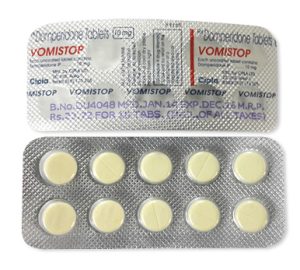
Domperidone
from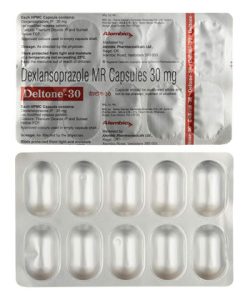
Dexilant
from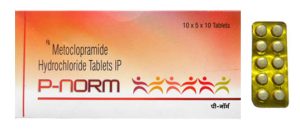
Reglan
from
Acimax
from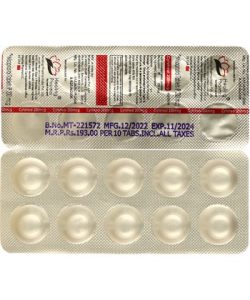
Cytotec
from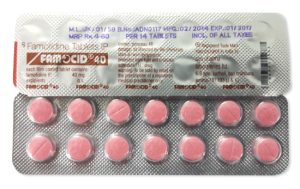
Pepcid
from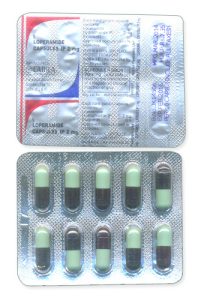
Imodium
from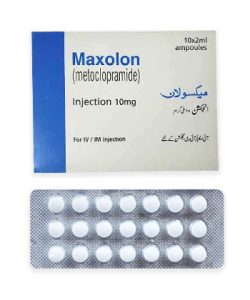
Maxolon
from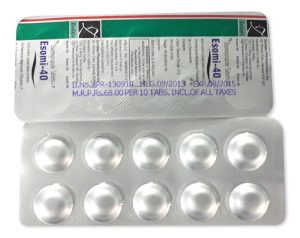
Nexium
from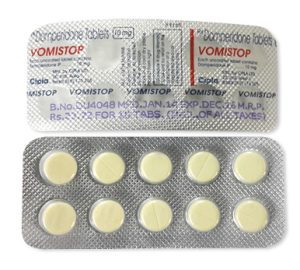
Motilium
from
Mezavant
fromUnderstanding Your Digestive System
The gastrointestinal tract is a complex system of organs responsible for breaking down food, absorbing nutrients, and eliminating waste from your body. It includes your mouth, oesophagus, stomach, small intestine, large intestine, and rectum. When this system functions properly, you feel energised and healthy. However, when digestive issues arise, they can significantly impact your quality of life and overall wellbeing. Understanding how your digestive system works helps you recognise when something isn’t quite right and when you might need to seek support.
Common digestive problems affect millions of Australians each year. These range from occasional discomfort to chronic conditions that require ongoing management. Whether you’re experiencing heartburn after a large meal, occasional constipation, or more persistent digestive concerns, there are numerous products available to help. Many of these treatments can be purchased over-the-counter from your local pharmacy without a prescription, making them easily accessible when you need relief.
Taking care of your digestive health is an investment in your overall wellbeing. Simple lifestyle changes combined with appropriate medications can often resolve many common gastrointestinal issues. However, it’s important to understand what treatments are available and how they work to find the best solution for your individual needs.
Heartburn and Acid Reflux Relief
Heartburn occurs when stomach acid flows back into your oesophagus, causing a burning sensation in your chest. This common condition affects many Australians, particularly after eating spicy foods, large meals, or lying down too soon after eating. While occasional heartburn is normal, frequent episodes may indicate acid reflux disease that requires treatment.
Several effective medications are available in Australia to manage heartburn and acid reflux. Antacids work quickly by neutralising stomach acid, providing relief within minutes. These are ideal for occasional heartburn and can be purchased without a prescription. For stronger relief, you might consider proton pump inhibitors such as Nexium or Losec, which reduce acid production and are available both over-the-counter and on prescription depending on strength and formulation.
Histamine-2 receptor antagonists offer another option for acid reflux management. These medications work differently than antacids, reducing the amount of acid your stomach produces. Many people find these particularly helpful when taken before meals or bedtime. Your pharmacist can recommend the most appropriate option based on your symptoms and how frequently they occur.
Prevention is equally important as treatment. Avoiding triggers like fatty foods, chocolate, and caffeine can help reduce episodes. Elevating your head while sleeping and waiting at least three hours after eating before lying down also helps prevent acid reflux symptoms.
Constipation and Bowel Regularity
Constipation is one of the most common digestive complaints in Australia, affecting people of all ages. It occurs when bowel movements become infrequent or difficult, often causing discomfort and bloating. Causes include insufficient fibre intake, dehydration, lack of physical activity, and certain medications. The good news is that constipation typically responds well to treatment and lifestyle modifications.
Australia’s pharmacy shelves offer numerous constipation relief options. The following products are commonly used:
- Stool softeners like Coloxyl, which are gentle and work well for mild constipation, particularly after childbirth or surgery
- Osmotic laxatives such as Movicol and GoLytely, which draw water into the bowel, making stools easier to pass
- Stimulant laxatives like Senokot, which work by stimulating bowel muscles to contract, promoting movement through the intestines
- Psyllium husk products that increase dietary fibre naturally and gently, making them suitable for regular use
For chronic constipation management, fibre supplements combined with adequate water intake typically provide the best results. Most Australians don’t consume enough dietary fibre, contributing to bowel irregularity. Adding foods rich in fibre like fruits, vegetables, and whole grains, along with staying hydrated and exercising regularly, often resolves constipation naturally. Your pharmacist can recommend the most suitable product for your specific situation and provide guidance on proper usage.
Diarrhoea and Digestive Upset
Diarrhoea can strike suddenly and cause significant discomfort and inconvenience. Whether triggered by food poisoning, viral infection, dietary changes, or medications, this common condition usually resolves within a few days. However, symptom management during this time is important, particularly to prevent dehydration, which is the primary concern with diarrhoea.
Several effective anti-diarrhoeal medications are available over-the-counter in Australian pharmacies. Imodium is one of the most popular choices, working by slowing intestinal movement and reducing fluid loss. It provides relatively quick relief and is suitable for most adults. Kaolin and pectin combinations help absorb excess fluid in the bowel, reducing stool frequency and consistency.
Bismuth subsalicylate products treat diarrhoea while also reducing inflammation and fighting certain bacteria that may cause symptoms. These are particularly useful when diarrhoea is accompanied by nausea or stomach discomfort. Probiotic supplements containing beneficial bacteria strains like Lactobacillus and Bifidobacterium are increasingly popular for both treating diarrhoea and preventing it, especially after antibiotic use.
Maintaining hydration is crucial during diarrhoeal episodes. Oral rehydration solutions like Gastrolyte or Hydralyte replace lost fluids and electrolytes more effectively than plain water or sugary drinks. Most cases of diarrhoea resolve within three to four days without medication, but anti-diarrhoeal products can help you maintain your normal activities while your body recovers.
Bloating, Gas and Indigestion
Bloating and excessive gas can cause considerable discomfort and embarrassment, affecting your confidence and quality of life. These symptoms often result from swallowing air while eating, consuming gas-producing foods like beans and cruciferous vegetables, or having difficulty digesting certain foods. Indigestion frequently accompanies these symptoms, causing a feeling of discomfort or pain in your upper abdomen.
Australia’s pharmacies stock various products designed to relieve bloating and gas symptoms. Simethicone products work by breaking down gas bubbles in your stomach and intestines, allowing gas to pass more easily. These are particularly effective when taken before meals or when symptoms develop. Activated charcoal absorbs excess gas and other substances in your digestive tract, reducing bloating and discomfort.
Ginger-based supplements have traditional use for digestive discomfort and are increasingly supported by modern research. Peppermint tea and peppermint oil supplements help relax intestinal muscles, reducing cramping and gas-related pain. Many people find these herbal options particularly appealing because they work gently without harsh side effects. Digestive enzyme supplements may help if you have difficulty breaking down certain foods.
Making dietary adjustments often provides significant relief. Eating slowly and chewing food thoroughly reduces swallowed air. Identifying and avoiding foods that trigger your symptoms helps prevent bloating before it starts. Drinking plenty of water and including regular physical activity in your routine supports healthy digestion and reduces gas accumulation. Your pharmacist can recommend products tailored to your specific symptoms.
Nausea, Vomiting and Motion Sickness
Nausea and vomiting can result from various causes including motion sickness, medication side effects, viral infections, or digestive disturbances. These symptoms range from mildly uncomfortable to severely debilitating, particularly when accompanied by dehydration. Motion sickness affects many Australians during travel, whether by car, boat, or aeroplane, making preventative treatment essential for some people.
Several effective anti-nausea medications are available without prescription in Australian pharmacies. Dramamine and Kwells are popular choices for preventing motion sickness when taken before travel. These medications work by affecting the inner ear and nervous system signals that trigger nausea. Ginger supplements and ginger tea have demonstrated effectiveness for various types of nausea and are preferred by many people seeking natural alternatives.
Metoclopramide helps treat nausea by improving stomach emptying and blocking signals to the vomiting centre in your brain. This is particularly useful for nausea related to indigestion or medication side effects. For stronger anti-nausea relief, Prochlorperazine is available on prescription for more severe cases, whilst Ondansetron is prescribed for nausea related to chemotherapy or surgery.
Vitamin B6 supplements may help reduce nausea, particularly pregnancy-related nausea under medical guidance. Peppermint aromatherapy and ginger lollies offer simple, drug-free options many find helpful. Maintaining hydration is crucial, and sipping small amounts of clear fluids or sucking ice chips helps prevent further dehydration if vomiting occurs. Consult your pharmacist about the best option for your specific situation.